
Product Overview
Our premium Double Head Bolts and Threaded Studs are engineered for high-performance industrial fastening, featuring precision-machined equal length threads on both ends. Designed to accommodate nuts and washers with maximum stability, these fasteners are essential for flange bolting and critical applications where secure torching and tightening from both sides are required for structural integrity.
Versatile and robust, these studs are indispensable across mechanical engineering and heavy construction sectors. Available in a comprehensive range of sizes and high-grade materials including stainless steel, carbon steel, aluminum, and nylon, each product is tailored to meet the specific environmental and stress requirements of your industrial project.
Detailed Parameters
| Product Type | Threaded Rods / Double Head Bolts | Material Options | Stainless Steel, Carbon Steel, Aluminum, Nylon |
|---|---|---|---|
| Thread Design | Equal length threads on both ends | Application Area | Construction & Mechanical Engineering |
| Primary Use | Flange Bolting & Heavy-duty Connection | Customization | Various lengths according to requirements |
| Fastening Method | Dual-sided Nut & Washer assembly | Compatibility | High Strength Steel Structures |
| Key Feature | Replaceable thread protection | Industrial Grade | High-Strength / Industrial Standard |
Key Advantages
High Durability
Engineered from premium alloys to withstand extreme pressure and prevent deformation in heavy machinery.
Easy Maintenance
Specifically designed for equipment with frequent disassembly, allowing for rapid replacement of worn threads.
Dual-Sided Torque
Ensures balanced tension and superior clamping force by allowing tightening from both ends of the bolt.
Extreme Thickness
The ideal solution for connecting ultra-thick plates where standard hexagonal bolts cannot reach.
Versatile Material
From corrosion-resistant stainless steel to lightweight nylon for diverse industrial environments.
Structural Stability
Perfect for concrete roof trusses, monorail beam suspensions, and high-load steel frameworks.
Product Gallery

Management Platforms
Inventory Control
Real-time tracking of fastener stock to ensure zero downtime for your production line.
Quality Assurance
Rigorous testing protocols for thread precision and material tensile strength.
Order Monitoring
Transparent procurement cycles with automated updates on shipping and delivery.
Technical Support
Expert guidance on selecting the right grade of steel for specific load-bearing tasks.
Logistic Network
Optimized global shipping routes to deliver high-strength fasteners efficiently.
Custom Tooling
Advanced CNC machining capabilities for bespoke threaded rod lengths and diameters.
Investment Return Comparison
| Performance Metric | Standard Hex Bolts | Double Head Studs | ROI Impact |
|---|---|---|---|
| Replacement Speed | Slow (Full removal) | Fast (Nut swap) | Reduced Downtime |
| Clamping Force | Single-sided | Dual-sided | Higher Stability |
| Thread Wear | High (Bolt damaged) | Low (Nut worn) | Lower Long-term Cost |
| Material Range | Limited | Extensive | Better Specialization |
| Installation Depth | Limited | Unlimited | Design Flexibility |
Frequently Asked Questions
Double head bolts allow for tightening from both sides, providing more uniform tension. They are also easier to replace in machinery where the bolt body is embedded and only the nuts are exposed to wear.
For highly corrosive environments, we recommend Stainless Steel (Grade 304 or 316) or specially coated carbon steel to prevent oxidation and ensure long-term structural integrity.
Yes, they are ideal for concrete roof trusses and monorail beam suspensions where thickness is substantial and standard hexagonal bolts are inconvenient to install.
We offer full customization of thread lengths and overall rod length based on your technical drawings to ensure a perfect fit for your specific mechanical application.
Absolutely. Our high-strength series is specifically designed to meet the load-bearing demands of industrial steel structures and heavy equipment frames.
Carbon steel is used for high-load and high-strength applications, while aluminum is preferred for lightweight requirements and natural corrosion resistance in specific environments.
Ready to Secure Your Project with Industrial Grade Fasteners?
Contact Us-
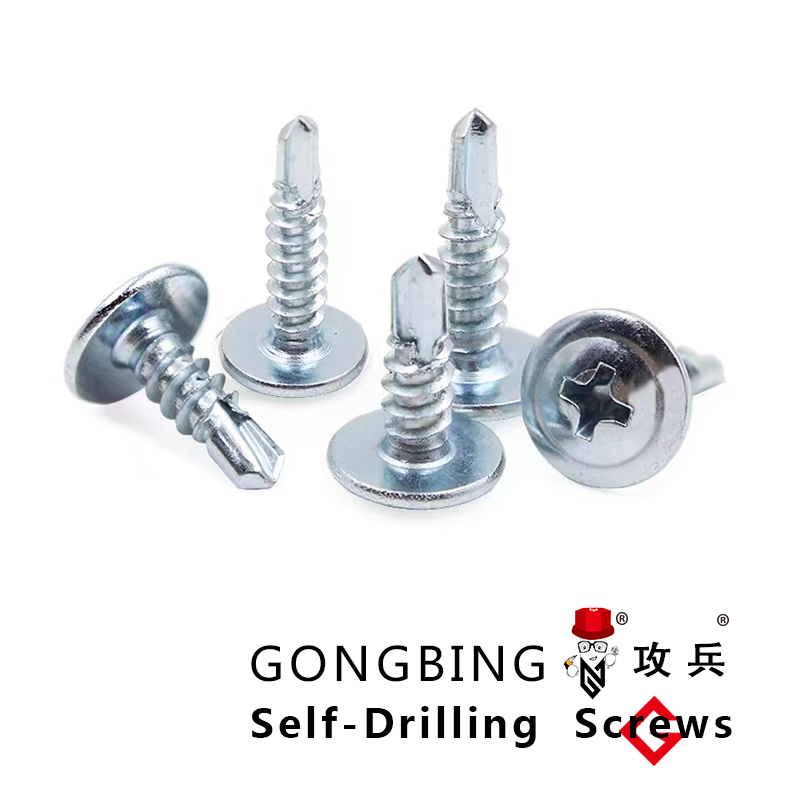
Wafer Head Self-Drilling Screw With Zinc Plated
-
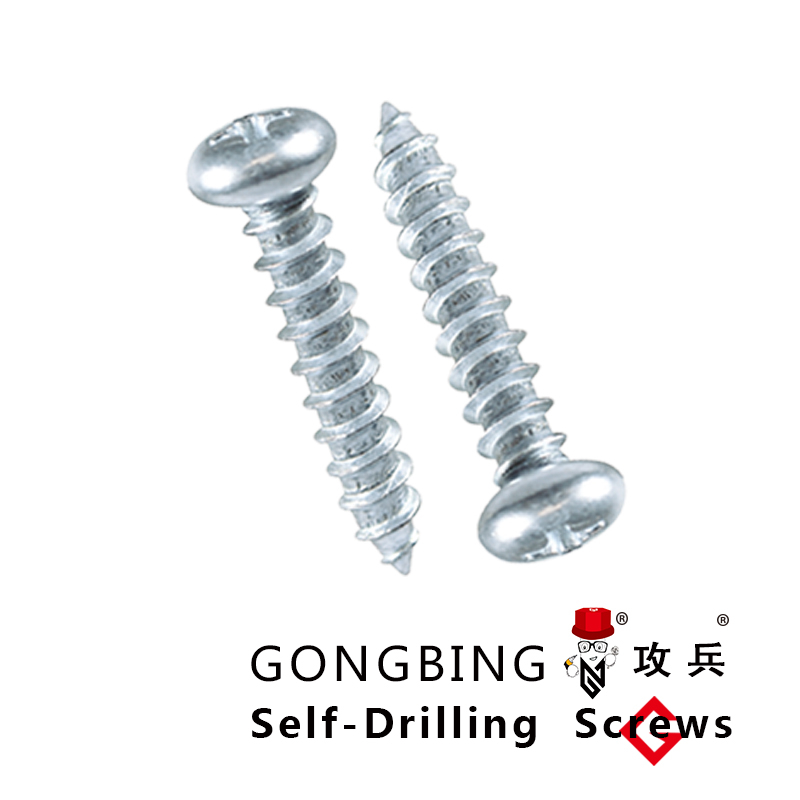
Self-tapping screw with round head
-
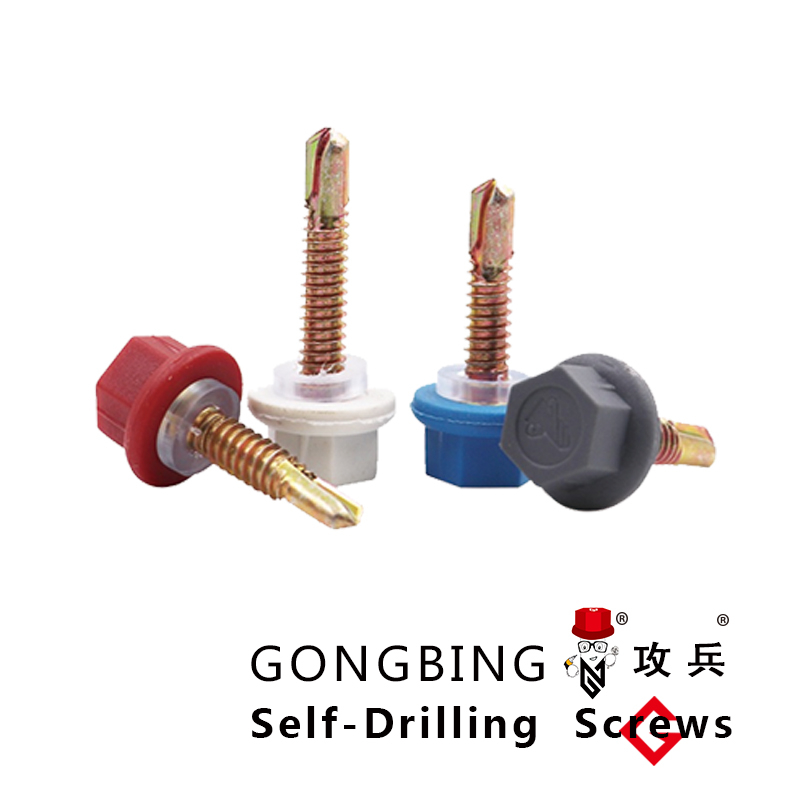
Nylon Hex Head Self Drilling Screw
-
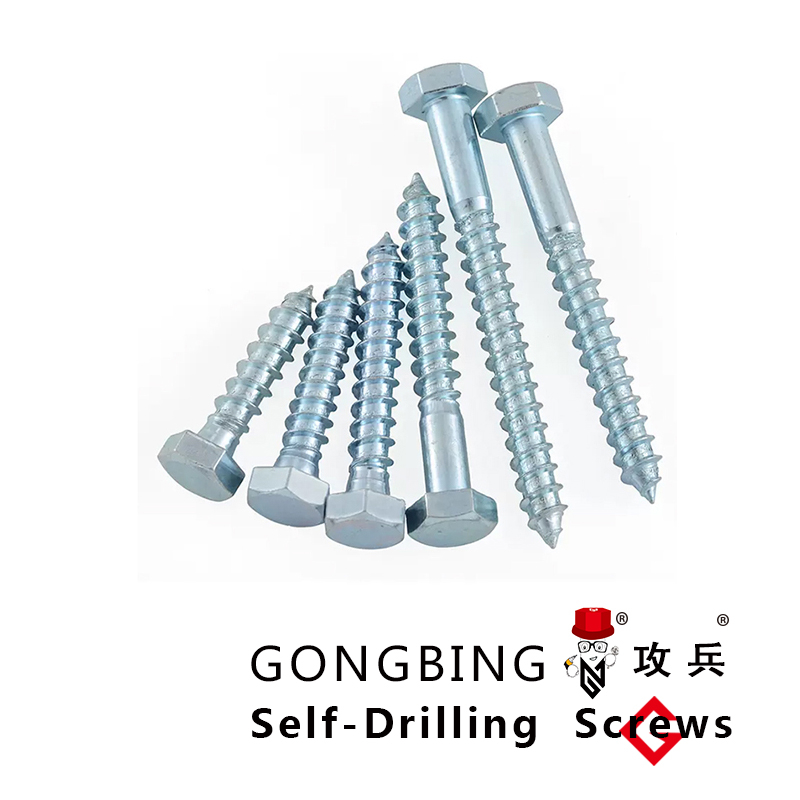
High-quality Hex Wood Screws/ Reliable Hex Wood Screws
-
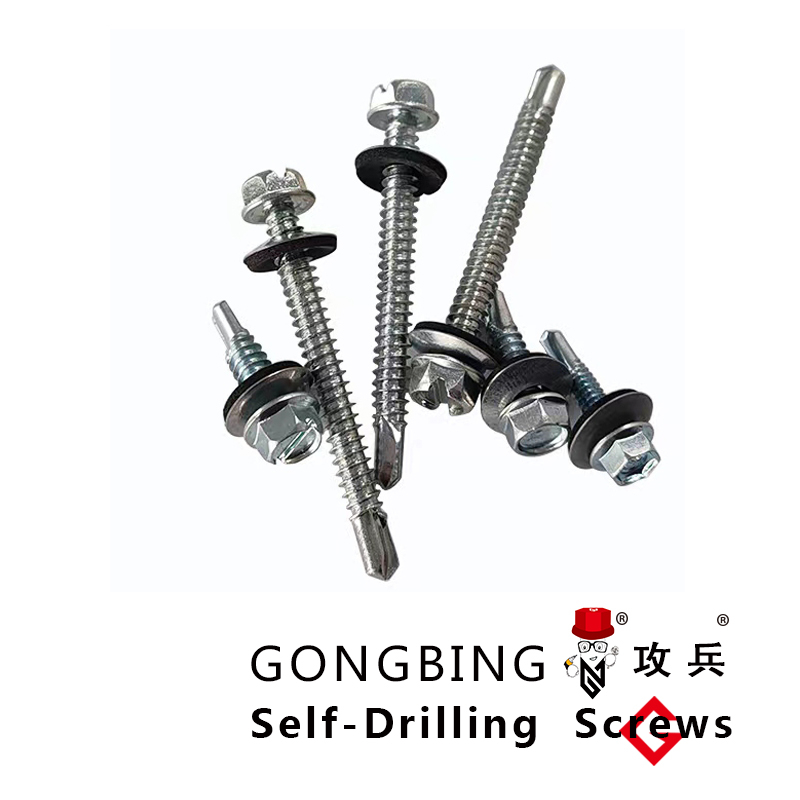
Hexagonal head self-drilling screw with EPDM bonded washer,zinc plated
-
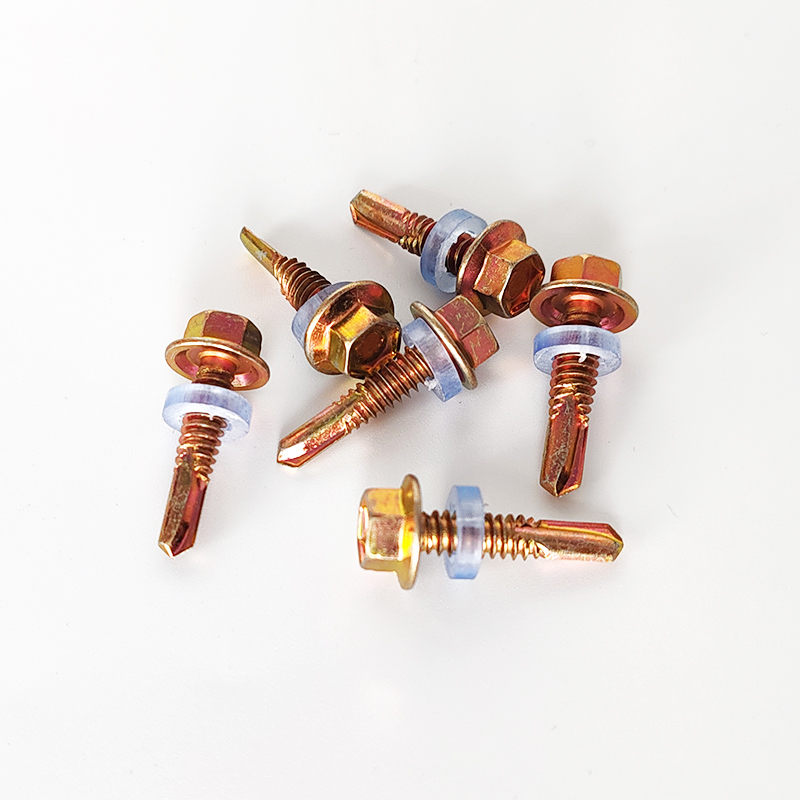
high quality hex head self drilling screws with epdm bonded washer
-
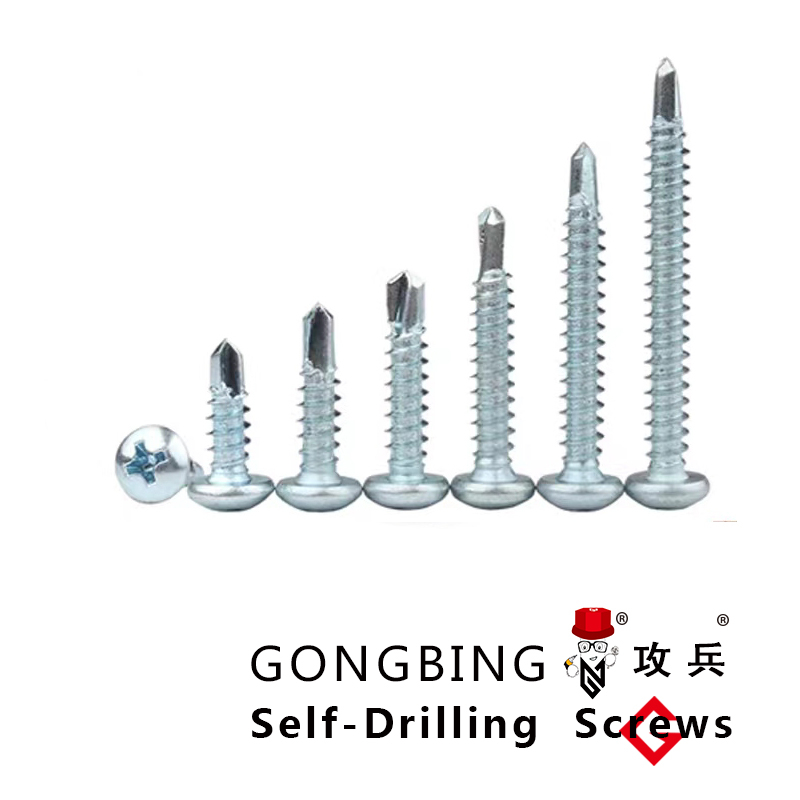
Self-tapping Screw With Round Head
-
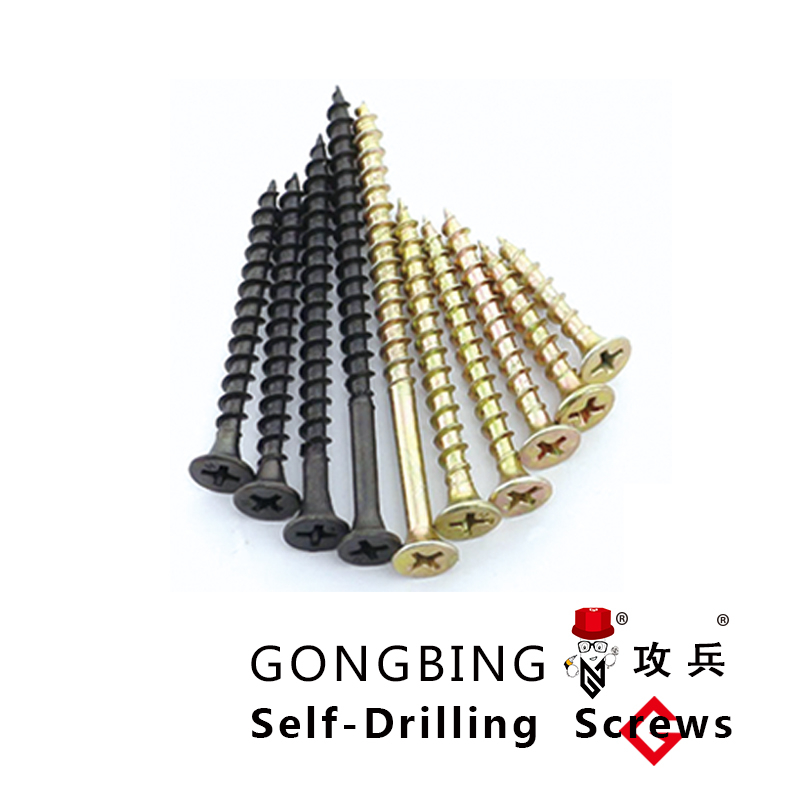
CHINA FINE THREAD DRYWALL SCREWS MANUFACTURER