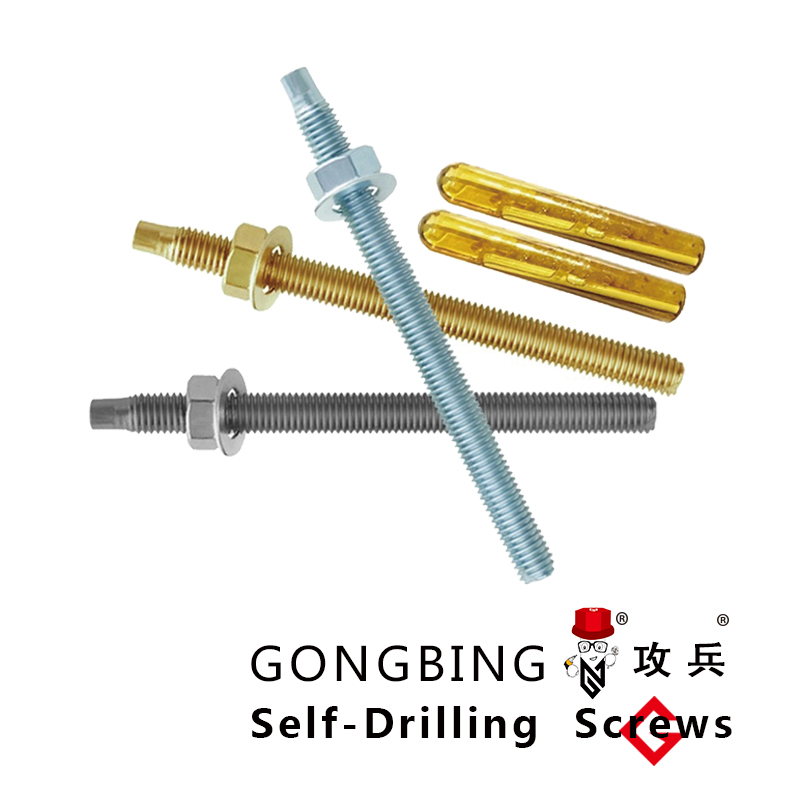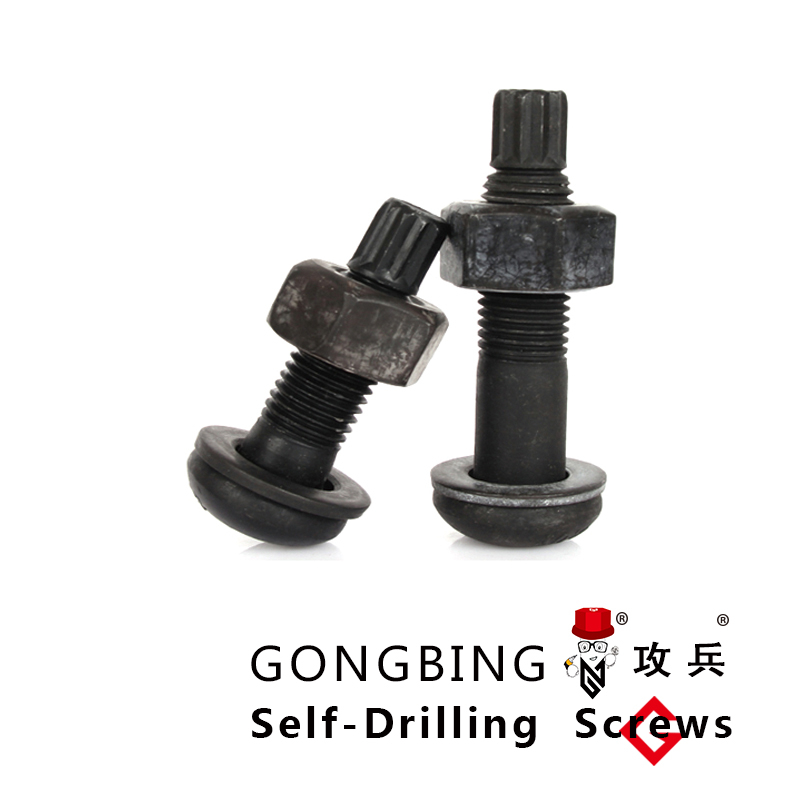
High Quality Heavy Duty Hardware from Foundation Bolts Manufacturers
Securing structural integrity in modern construction depends heavily on the precision of heavy-duty fastening systems. For engineers and procurement specialists, the challenge often lies in balancing immediate holding power with long-term environmental resilience. Fine thread drywall screws and specialized anchor systems represent the critical link between raw structural materials and a professional, crack-free finish. By optimizing thread geometry and utilizing premium steel alloys, these fasteners ensure that commercial frameworks and residential DIY projects maintain stability under varying load conditions.
Whether you are managing a large-scale infrastructure project or a detailed interior renovation, selecting the right hardware from experienced foundation bolts manufacturers is a strategic decision that affects both safety and installation efficiency. High-performance fasteners must not only penetrate materials with ease but also provide maximum withdrawal resistance to prevent structural failure over time. This guide explores the technical advantages of precision-threaded construction fasteners and how they solve common installation challenges in the global building industry.

Technical Engineering of Fine Thread Drywall Screws for Superior Grip
The effectiveness of a construction screw is primarily determined by its thread profile. Fine thread designs are specifically engineered to provide a higher density of contact points between the fastener and the substrate. This increased surface area translates to maximum holding power, which is essential when securing drywall to metal studs or denser wooden frames where slipping or stripping is a constant risk.
Our manufacturing process emphasizes precision biting edges. The sharp, tapered point allows for rapid penetration without pre-drilling, significantly reducing labor time on site. Moreover, the fine thread pitch is optimized to distribute axial loads more evenly, which minimizes the risk of material cracking or splitting—a common failure point in lower-quality fasteners. This ensures that the professional finish of the wall remains intact, eliminating the need for costly repairs or patching after installation.
- Optimized Thread Geometry: Reduces friction during driving while maximizing pull-out strength.
- Material Resiliency: Crafted from premium alloys to prevent head snapping under high torque.
- Consistent Pitch: Ensures predictable installation depth and tight seating against the surface.

Material Specifications and Durability in Extreme Environments
Durability in fasteners is not just about strength, but about how the material reacts to environmental stressors. In the construction industry, fasteners are often exposed to moisture, temperature fluctuations, and chemical agents. We utilize high-grade steel that undergoes rigorous heat treatment to achieve the ideal balance between hardness (to prevent thread deformation) and ductility (to prevent brittle fracture).
For projects requiring enhanced corrosion resistance, we offer various surface treatments. From zinc plating to specialized coatings, these layers protect the core steel from oxidation. This is particularly critical for exterior wall insulation anchors and chemical anchors used in foundations, where the fasteners must remain structurally sound for decades despite being embedded in concrete or exposed to the elements. Every batch is subjected to strict quality testing to ensure compliance with international construction standards.
Application Scenarios: From Commercial Frameworks to DIY Renovations
The versatility of our fastener line allows them to be deployed across a wide spectrum of applications. In commercial construction, high-strength chemical anchors and wedge anchors are the primary choice for securing heavy machinery or steel columns to concrete slabs. These applications require absolute reliability, as the fasteners must withstand significant shear and tensile forces without shifting.
Conversely, for interior fit-outs, our fine thread drywall screws are the gold standard for efficiency. They are ideal for attaching gypsum boards to a variety of supports, providing a secure hold that resists the natural settling of a building. Additionally, our range of plastic and metal anchors serves as the essential solution for hanging fixtures on masonry walls, ensuring that the weight is distributed safely across the anchor's expansion zone.
- Infrastructure: Tie bars and threaded rods for structural reinforcement.
- Residential: Chipboard and self-tapping screws for furniture and cabinetry.
- Industrial: Heavy-duty expansion bolts for equipment installation.
Fastener Selection Criteria by Application Requirement
| Application Type | Recommended Fastener | Key Performance Metric | Substrate Suitability |
|---|---|---|---|
| Drywall Installation | Fine Thread Screws | Holding Power | Metal Studs / Wood |
| Heavy Machinery | Chemical Anchors | Tensile Strength | Concrete / Solid Rock |
| Exterior Insulation | Insulation Anchors | Corrosion Resistance | Masonry / XPS Foam |
| General Framing | Self-Drilling Screws | Installation Speed | Steel Profiles |
| Structural Ties | Threaded Rods | Load Distribution | Concrete / Steel |
Strategic Procurement: Evaluating Supplier Quality and Capacity
When sourcing fasteners for a large project, procurement managers must look beyond the unit price. The true cost of a fastener is realized during installation and the subsequent lifecycle of the building. A low-cost screw that snaps or strips during driving results in wasted labor and potential schedule delays. Therefore, evaluating the manufacturing capability of your partner is paramount.
A reliable supplier should integrate design, research, and production. This vertical integration allows for the creation of non-standard fasteners tailored to specific engineering requirements. Furthermore, the presence of professional quality testing equipment ensures that every shipment meets the specified grade. By partnering with manufacturers who hold registered trademarks and a proven export history in Europe and Southeast Asia, buyers can mitigate the risk of receiving sub-standard hardware.
Future Trends in Construction Fastening Technology
The construction industry is moving toward "smart" and "sustainable" fastening. This includes the development of materials that offer higher strength-to-weight ratios and coatings that are more environmentally friendly yet more durable than traditional galvanization. We are seeing an increased demand for fasteners that can be installed with less torque, reducing the energy consumption of power tools and the physical strain on workers.
Furthermore, the rise of modular construction is driving the need for more precise, non-standard fasteners that allow for rapid assembly and disassembly. As building codes become more stringent regarding seismic activity and wind loads, the role of high-strength chemical anchors and heavy-duty bolts becomes even more critical. Adapting to these trends requires a commitment to continuous R&D and a flexible production line capable of rapid prototyping.
Frequently Asked Questions About Construction Fasteners
What is the main advantage of fine thread screws over coarse threads?
Fine thread screws provide more contact points with the material, resulting in superior holding power and a reduced likelihood of the screw pulling out, making them ideal for denser materials or metal studs.
How do I choose between a wedge anchor and a chemical anchor?
Wedge anchors are typically used for immediate loading in solid concrete. Chemical anchors are preferred for heavier loads, cracked concrete, or where vibration is present, as they create a bonded seal with the substrate.
Can these fasteners be customized for non-standard project requirements?
Yes, we undertake the production of various non-standard fasteners, allowing clients to specify unique dimensions, materials, and coatings based on their specific engineering drawings.
What prevents drywall screws from cracking the board during installation?
Our innovative thread design and precise point geometry allow the screw to bite into the material easily, reducing the internal stress on the gypsum board and preventing cracking.
Are your fasteners suitable for export to Europe and the Middle East?
Yes, our products have been exported to various countries in the Middle East, Southeast Asia, South America, and Europe for many years, meeting the quality expectations of these diverse markets.
What quality control measures are in place for bulk orders?
We utilize professional quality testing equipment to rigorously test every batch for strength, resiliency, and dimensional accuracy before final packaging and shipping.
Technical References and Industry Standards
- ASTM International - Materials Standards
- ISO - International Organization for Standardization
- DIN - German Institute for Standardization
- American Institute of Steel Construction
Selecting the right fastening solution is a critical step in ensuring the longevity and safety of any structural project. By focusing on material quality and precision engineering, you can achieve a professional result that stands the test of time.
Explore Related Industrial Fastening Solutions