
Comprehensive Guide to Fully Threaded Hex Head Bolts and Their Applications
Fully Threaded Hex Head Bolts: A Comprehensive Guide
Fully threaded hex head bolts are essential fasteners used across numerous industries for their strength, reliability, and ease of installation. These bolts, characterized by threads running the entire length of the shank, offer a versatile solution for various applications. This article delves into the specifics of fully threaded hex head bolts, covering their characteristics, applications, material options, standards, and where to source high-quality bolts. Understanding these fasteners is crucial for ensuring the structural integrity and safety of any project. Explore our range of high-quality bolts at HBXZ Fastener.
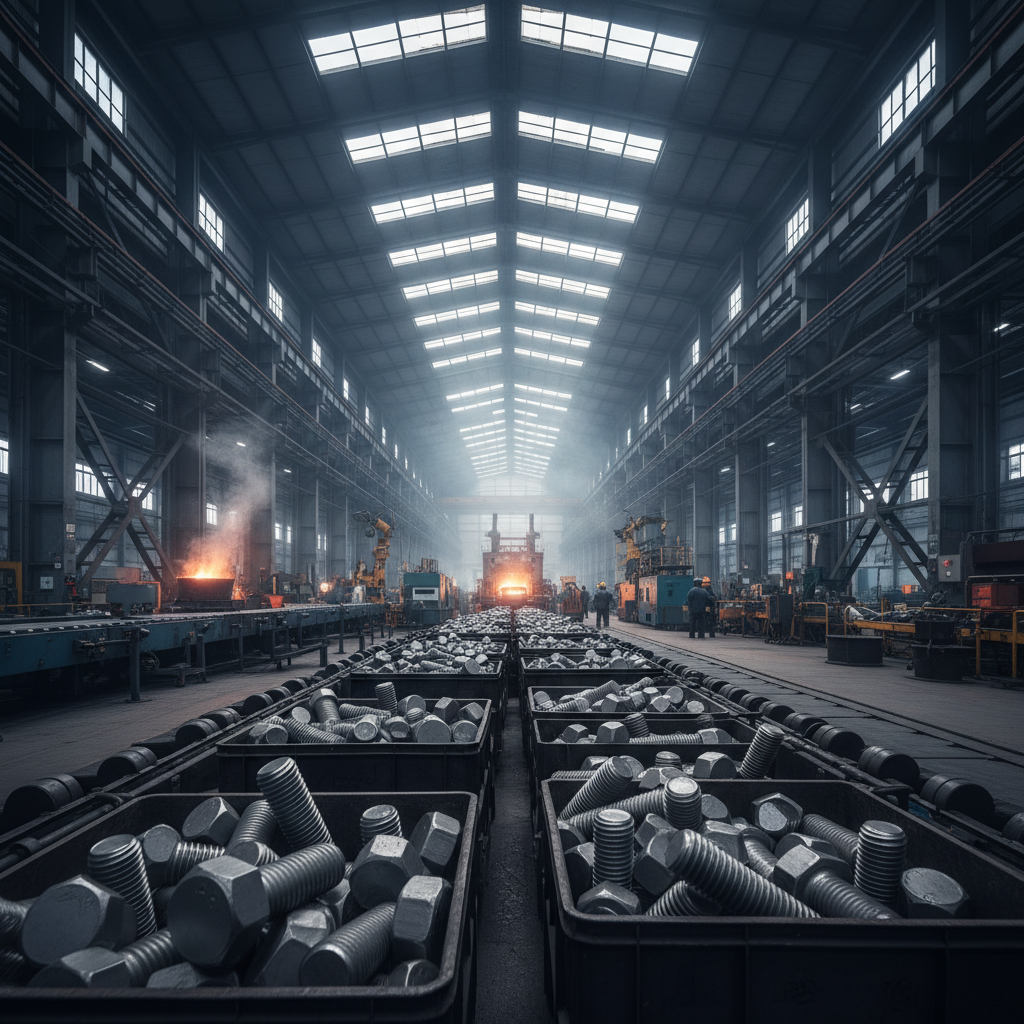
Understanding Fully Threaded Hex Head Bolts
Unlike partially threaded hex bolts, fully threaded hex head bolts have threads extending along their entire shank length. This key difference provides several advantages. The full threading allows for accurate adjustment and tighter clamping force, making them ideal for applications requiring precise positioning. They are commonly used with nuts or threaded holes, providing a secure fastening solution. The hex head shape facilitates easy tightening and loosening with a wrench, and the standardized dimensions ensure compatibility with a wide range of nuts and tools. Choosing the right bolt material and grade is vital to match the application requirements.
Key Benefits: Full threading allows for precise adjustment, tighter clamping force, and versatile application options. The hex head shape ensures easy installation and removal.
Applications of Fully Threaded Hex Head Bolts
These versatile bolts are used in countless applications across a wide array of industries. In the automotive sector, they are critical for assembling engine components, chassis parts, and exhaust systems. The construction industry utilizes them extensively for structural steel connections, machinery mounting, and building facades. Manufacturing processes rely on them for assembling equipment, fastening panels, and securing components. Other common applications include furniture assembly, electrical installations, and plumbing fixtures. The consistent performance and reliability of fully threaded hex head bolts make them an indispensable part of modern engineering and construction.
Key Application Areas:
• Automotive Industry
• Construction & Structural Engineering
• Manufacturing & Machinery
• Furniture & Fixture Assembly
Material Options and Grades for Fully Threaded Hex Head Bolts
Fully threaded hex head bolts are available in a range of materials to suit different environments and strength requirements. Carbon steel is the most common and cost-effective option, suitable for general applications. Alloy steel offers enhanced strength and durability, ideal for high-stress applications. Stainless steel provides excellent corrosion resistance, making it perfect for outdoor or marine environments. Bolt grades, denoted by numbers and letters (e.g., 8.8, 10.9, A2, A4), indicate tensile strength and yield strength. Selecting the appropriate grade is crucial for ensuring the bolt can withstand the applied load and prevent failure. You can find detailed material specifications and grades at HBXZ Fastener's product pages.
Standards and Regulations for Fully Threaded Hex Head Bolts
Manufacturing and testing of fully threaded hex head bolts are governed by several international standards to ensure quality and reliability. DIN 933 (Germany) and ISO 4014 (International) are the most commonly referenced standards. These standards specify dimensions, material requirements, mechanical properties, and testing procedures. Compliance with these standards is crucial for ensuring that the bolts meet safety and performance expectations. Other relevant standards include ASTM (American Society for Testing and Materials) and ANSI (American National Standards Institute). HBXZ Fastener ensures all our bolts adhere to relevant international standards, providing customers with confidence in our products.
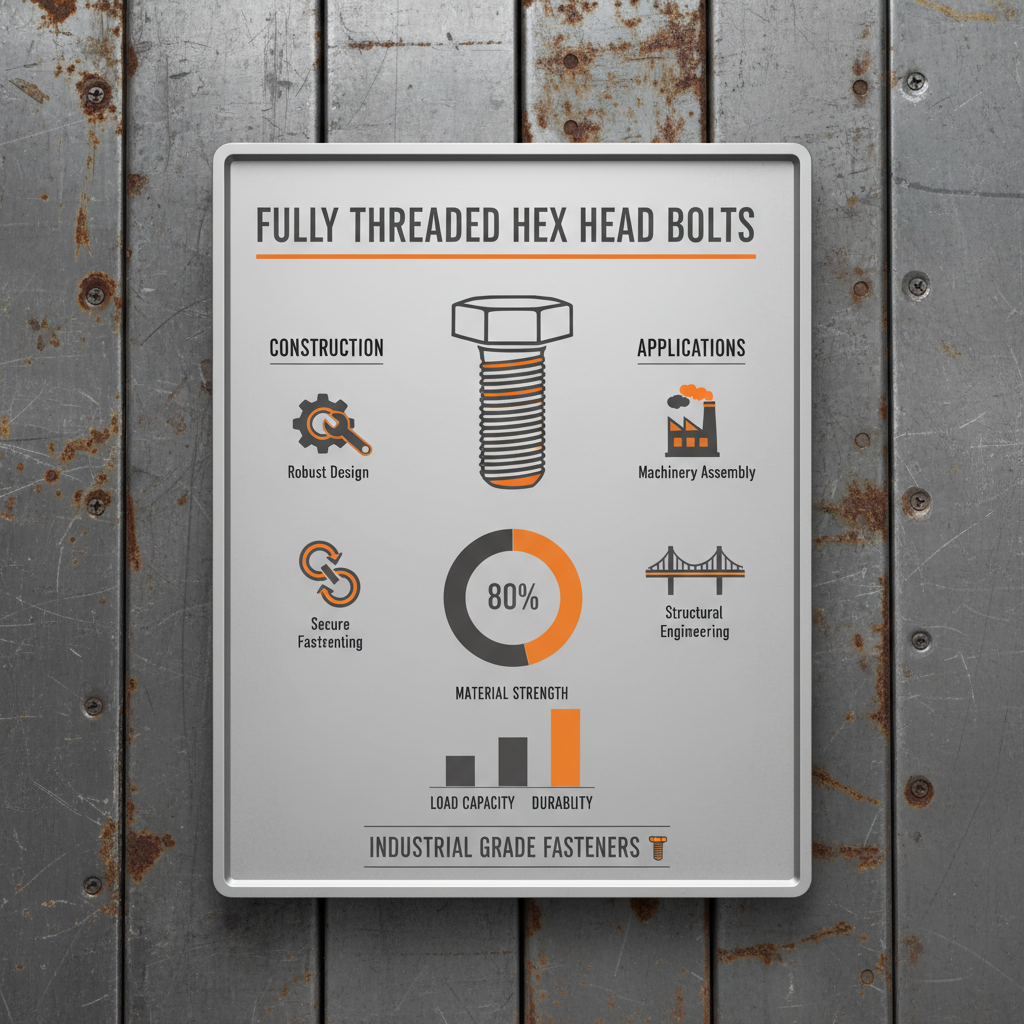
Sourcing High-Quality Fully Threaded Hex Head Bolts
Choosing a reputable supplier is paramount when sourcing fully threaded hex head bolts. Look for suppliers with a proven track record of quality control, reliable delivery, and competitive pricing. HBXZ Fastener is a leading manufacturer and supplier, offering a wide range of fully threaded hex head bolts in various materials, grades, and sizes. We provide comprehensive product documentation, including material certificates and test reports, ensuring traceability and compliance. Our commitment to customer satisfaction and quality makes us a trusted partner for businesses worldwide.
Conclusion: Ensuring Reliability with Quality Fasteners
Investing in high-quality fully threaded hex head bolts from a trusted supplier like HBXZ Fastener ensures the reliability, safety, and longevity of your projects. By understanding the different materials, grades, and standards, you can make informed decisions to meet your specific application requirements. Don't compromise on quality – choose fasteners you can depend on.
Frequently Asked Questions (FAQs)
What is the difference between a fully threaded and partially threaded hex bolt?
The key difference lies in the threading. A fully threaded hex bolt has threads along its entire shank length, while a partially threaded bolt only has threads on a portion of the shank. This means fully threaded bolts are better for applications requiring precise adjustment, tighter clamping force and use with thin materials or nuts. Partially threaded bolts are often stronger overall and better suited for applications where the thread length isn't critical.
How do I determine the correct bolt grade for my application?
Determining the correct bolt grade is crucial for safety and reliability. Consider the load the bolt will bear, the operating temperature, and the environment. Higher grade bolts (e.g., 10.9, 12.9) offer greater tensile and yield strength. Consult engineering specifications or a fastener expert to ensure the chosen grade meets the application's requirements. Don't underestimate the importance of selecting the right grade; using a lower grade bolt than required can lead to failure and potential hazards.
What is the benefit of using stainless steel bolts?
Stainless steel bolts offer exceptional corrosion resistance, making them ideal for outdoor applications, marine environments, and industries dealing with corrosive substances. They are less prone to rust and degradation, ensuring long-term reliability and reducing maintenance needs. While typically more expensive than carbon steel, the extended lifespan and reduced maintenance costs often make stainless steel a cost-effective choice in the long run.
-
Guide to High Quality Stainless Steel Expansion FastenersNewsApr.16,2026
-
Ultimate Guide to Industrial Sheet Metal Expansion AnchorsNewsApr.16,2026
-
High Efficiency Fastening Guide for Plastic Expansion RivetsNewsApr.16,2026
-
Plastic Expanding Nut Guide for Applications and BenefitsNewsApr.16,2026
-
Ultimate Guide to Stability and Use of Nail Expansion AnchorNewsApr.16,2026
-
Guide to Choosing and Installing the Right Metal Expansion ScrewNewsApr.16,2026