
Comprehensive Guide to Hex Head Bolts and Nuts for Industrial Applications
Understanding Hex Head Bolts and Nuts: A Comprehensive Guide
Hex head bolts and nuts are fundamental fastening components used across countless industries, from construction and automotive to machinery and infrastructure. Their robust design and ease of installation make them a go-to choice for secure connections. At HBXZ Fastener, we specialize in providing high-quality hex head bolts and nuts, tailored to diverse applications. This article delves into the key aspects of these fasteners, covering their features, applications, materials, standards, and selection considerations, ensuring you have the knowledge to make informed decisions for your projects.
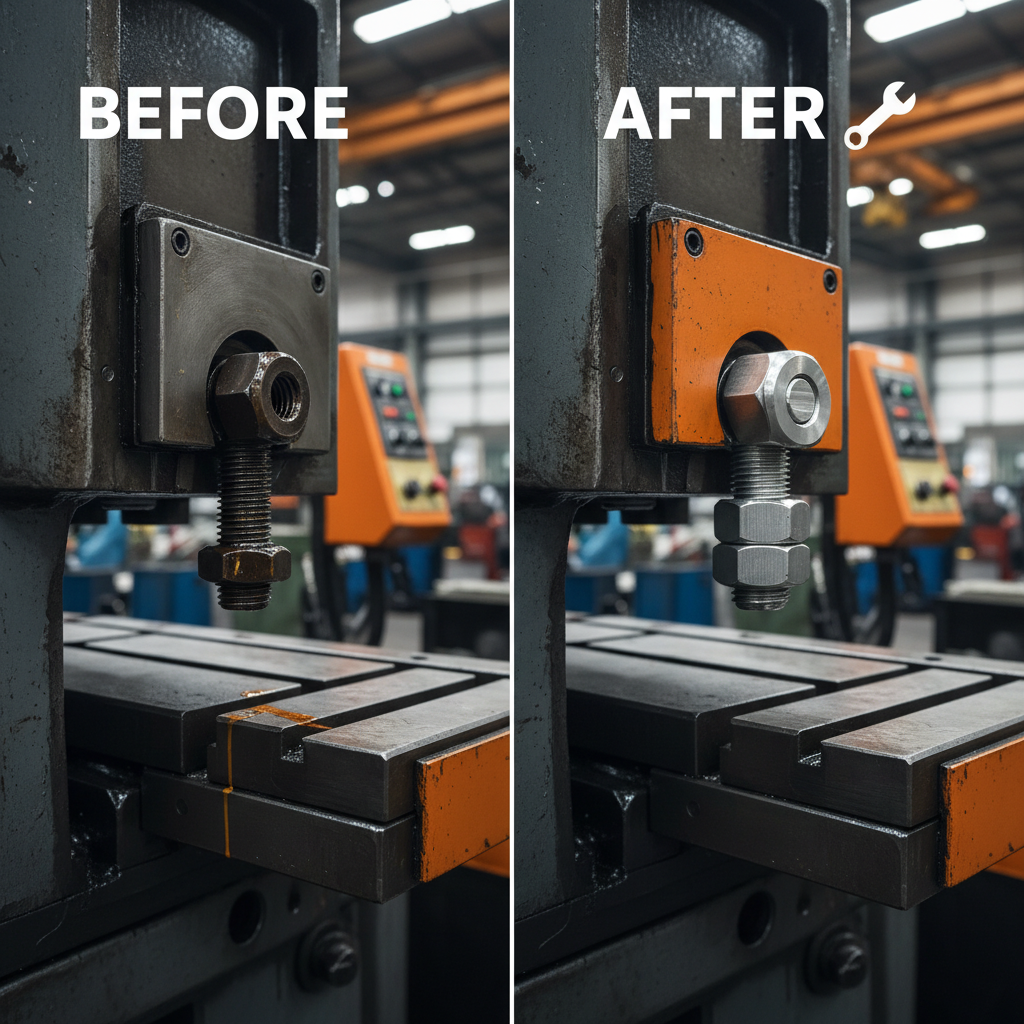
What are Hex Head Bolts and Nuts?
Hex head bolts and nuts are characterized by their six-sided (hexagonal) head, which allows for tightening with a wrench or socket. The bolt features a threaded shaft, while the nut is a threaded component designed to mate with the bolt, creating a clamping force. This simple yet effective design provides exceptional holding power. The versatility of hex head bolts and nuts stems from their ability to be used with a variety of materials and in a wide range of environments. Choosing the right bolt and nut combination is vital for the longevity and safety of any assembly.
Key Benefits: Robust and reliable fastening, Easy installation and removal, Wide availability, Cost-effective solution, Versatile for numerous applications.
Materials Used in Hex Head Bolts and Nuts
Hex head bolts and nuts are manufactured from a variety of materials, each offering distinct properties to suit different applications. Common materials include: Carbon Steel (most common, offering strength and affordability), Stainless Steel (excellent corrosion resistance, ideal for outdoor or marine environments), Alloy Steel (enhanced strength and toughness for high-stress applications), and Brass (corrosion resistance and conductivity). The selection of the right material is crucial for ensuring the fastener’s performance and longevity in its intended environment. At HBXZ Fastener, we offer a comprehensive range of materials to meet your specific needs.
Material Properties Comparison:
• Carbon Steel: High strength, cost-effective, prone to corrosion.
• Stainless Steel: Excellent corrosion resistance, moderate strength, higher cost.
• Alloy Steel: Superior strength and toughness, good corrosion resistance with coatings.
• Brass: Corrosion resistance, electrical conductivity, lower strength.
Hex Head Bolt Grade and Strength
Hex head bolts are graded based on their tensile strength, indicating the maximum stress they can withstand before breaking. Common grades include Grade 5, Grade 8, and Metric Grades 8.8, 10.9, and 12.9. Higher grades denote greater strength. Selecting the appropriate grade is essential for ensuring the joint can bear the intended load. Using a higher grade than necessary is often acceptable, but using a lower grade can compromise the structural integrity of the assembly. Understanding these grades is crucial for safe and reliable fastening.
Applications of Hex Head Bolts and Nuts
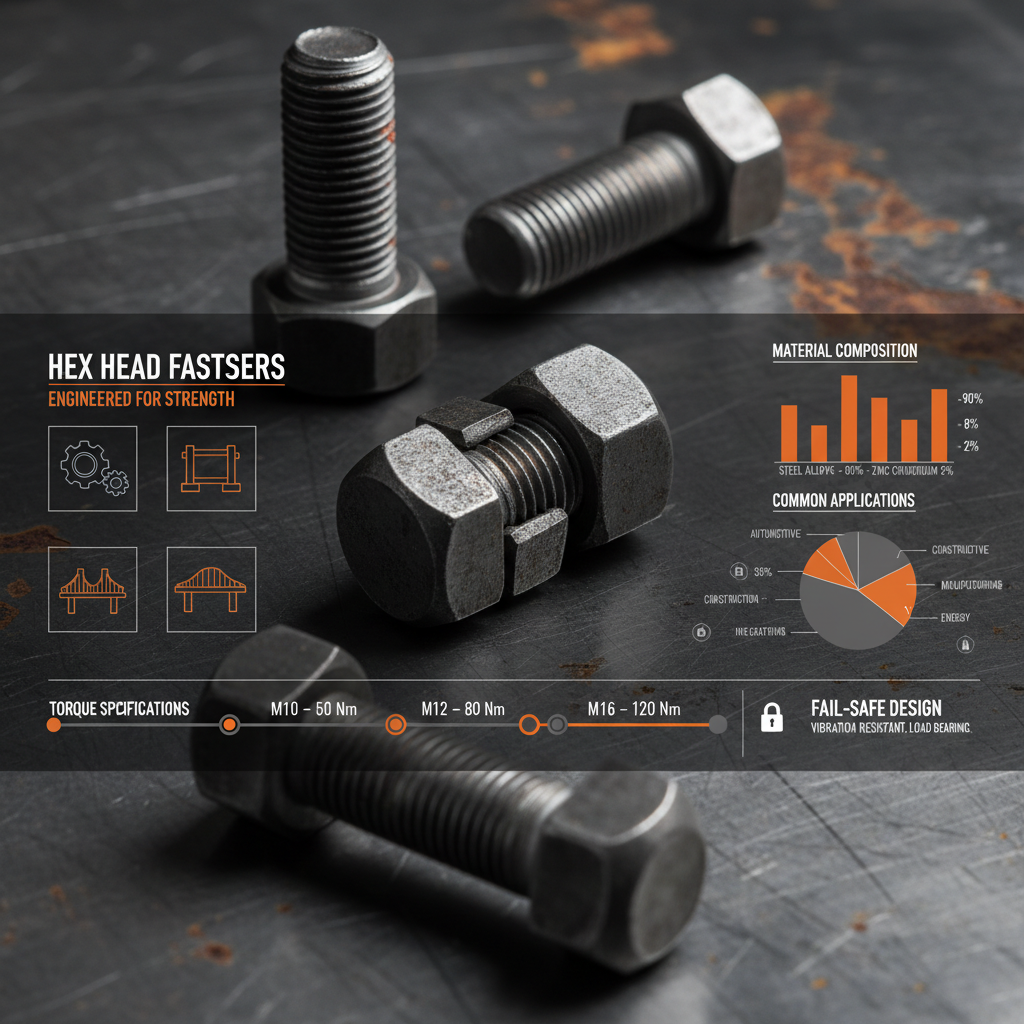
The applications of hex head bolts and nuts are incredibly diverse. They are extensively used in the automotive industry for assembling engine components, chassis, and body panels. In construction, they secure structural steel, connect concrete elements, and fasten roofing systems. Machinery relies on these fasteners for assembling various parts, ensuring reliable operation. From pipelines and bridges to furniture and appliances, hex head bolts and nuts play a crucial role in countless assemblies. HBXZ Fastener proudly serves these industries with high-quality, reliable fasteners.
Standards and Regulations
Hex head bolts and nuts are manufactured to adhere to various international standards, including ISO, DIN, ANSI, and ASTM. These standards define dimensions, materials, mechanical properties, and testing procedures. Compliance with these standards ensures consistency, quality, and interchangeability. Understanding these standards is crucial for selecting the correct fasteners for your application. We, at HBXZ Fastener, meticulously adhere to these standards to deliver superior products.
Conclusion: Choosing the Right Fastener
Selecting the appropriate hex head bolts and nuts is paramount for the safety, reliability, and longevity of any assembly. By considering factors such as material, grade, application, and relevant standards, you can ensure optimal performance. HBXZ Fastener is your trusted partner for high-quality fasteners, providing expert guidance and a comprehensive product range to meet your specific needs. Don't compromise on quality – choose HBXZ Fastener for all your fastening requirements.
Frequently Asked Questions (FAQs)
What is the difference between a bolt and a screw?
While often used interchangeably, bolts and screws differ primarily in how they're used. A bolt typically threads into a nut to create a clamping force, while a screw threads directly into a material. Bolts generally require access to both sides of the joined materials, whereas screws can be installed from one side. Hex head bolts are almost always used with a nut to secure components together. Both are crucial fasteners, but their applications differ based on the assembly requirements.
How do I prevent corrosion of hex head bolts and nuts?
Corrosion can be mitigated by selecting appropriate materials, such as stainless steel or applying protective coatings like zinc plating. For outdoor applications, using corrosion-resistant fasteners is vital. Regular inspection and cleaning can also help prevent corrosion buildup. Applying anti-seize lubricant during installation can also provide a protective barrier. Consider the environmental conditions when choosing fasteners to ensure long-term durability.
What torque should I use when tightening hex head bolts?
The appropriate torque depends on the bolt’s size, material, and grade, as well as the materials being joined. Consulting a torque chart specific to the fastener and application is crucial. Overtightening can damage the bolt or the joined materials, while undertightening can lead to loosening and failure. Using a calibrated torque wrench is essential for accurate and consistent tightening.
Where can I find more information about hex head bolts and nuts?
You can find a wealth of information on industry websites, engineering handbooks, and fastener manufacturers’ resources. Our team at HBXZ Fastener is also available to provide expert advice and guidance. We’re dedicated to helping you select the optimal fasteners for your projects.
-
Guide to High Quality Stainless Steel Expansion FastenersNewsApr.16,2026
-
Ultimate Guide to Industrial Sheet Metal Expansion AnchorsNewsApr.16,2026
-
High Efficiency Fastening Guide for Plastic Expansion RivetsNewsApr.16,2026
-
Plastic Expanding Nut Guide for Applications and BenefitsNewsApr.16,2026
-
Ultimate Guide to Stability and Use of Nail Expansion AnchorNewsApr.16,2026
-
Guide to Choosing and Installing the Right Metal Expansion ScrewNewsApr.16,2026