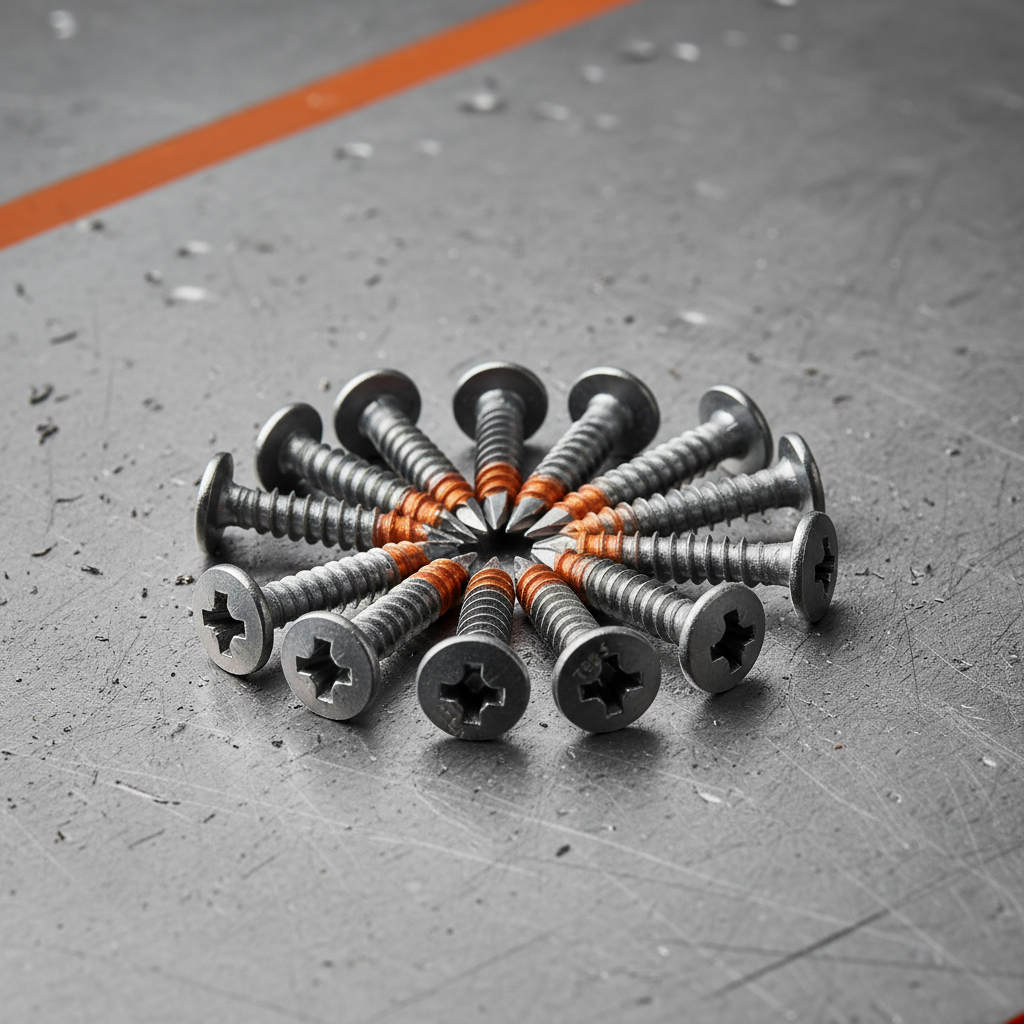
In the modern construction landscape, the demand for specialized fastening solutions has led to the rise of high-performance components like self drilling nylon drywall anchors, which bridge the gap between structural integrity and aesthetic finish. These specialized fasteners are engineered to handle the rigorous demands of steel structures, providing a seamless installation process that eliminates the need for pre-drilling while ensuring a secure hold.
The global shift toward prefabricated steel buildings and color steel tiling has necessitated fasteners that can withstand harsh environmental conditions without compromising their physical properties. By integrating a durable nylon head with a high-strength self-drilling core, these fasteners address the critical industry challenge of corrosion and material fatigue in exposed outdoor environments.
Understanding the technical nuances of these fasteners—from their UV-stabilized coatings to their shock-absorption capabilities—allows engineers and contractors to optimize project timelines and reduce long-term maintenance costs. This guide explores the comprehensive utility and technical advantages of utilizing these advanced fastening systems in contemporary industrial applications.
Global Industry Context of Self Drilling Nylon Drywall Anchors
The global construction market has seen a significant pivot toward the use of color steel tiles and lightweight steel frames, particularly in industrial zoning and rapid-deployment infrastructure. In this context, self drilling nylon drywall anchors (referring to the nylon-head self-drilling screw series) have become indispensable for ensuring that these structures remain stable under varying thermal expansion and contraction cycles.
With ISO standards driving the need for higher precision and corrosion resistance, the industry is moving away from simple metallic fasteners toward composite solutions. The integration of nylon heads prevents the common issue of galvanic corrosion when dissimilar metals meet, a problem that previously plagued large-scale steel installations in coastal or humid regions.
Defining Technical Specifications and Meaning
Technically, these fasteners are self-drilling screws equipped with a hexagonal nylon head. Unlike traditional screws that require a separate plastic cap for weatherproofing or aesthetics, the nylon head is integrated into the design. This means they provide an instantly finished look that lasts, ensuring that the fastener does not chip or require touch-ups over time.
The "self-drilling" aspect refers to the drill-tail design, which allows the screw to penetrate steel substrates without the need for a pilot hole. This significantly increases installation speed on job sites, reducing labor costs and the potential for human error during the drilling phase.
From a humanitarian and industrial perspective, these components are vital for creating durable, low-maintenance shelters and warehouses. The ability to resist fading via UV stabilization makes them ideal for regions with high solar exposure, ensuring that the structural integrity is maintained without frequent replacements.
Core Components and Quality Factors
One of the primary factors governing the efficacy of self drilling nylon drywall anchors is the quality of the nylon material. The use of UV-stabilized nylon prevents the head from becoming brittle or fading under intense sunlight, which is critical for outdoor steel structure components.
Durability is further enhanced by a unique batch control process. This ensures that each fastener maintains a consistent torque strength, preventing the head from twisting off during high-speed installation—a common failure point in lower-quality alternatives.
Additionally, the shock-absorption characteristics of the nylon head provide a buffer between the screw and the steel tile. This reduces the risk of cracking the coating of the color steel tile, maintaining the waterproof seal and preventing oxidation of the underlying metal.
Practical Applications in Steel Structures
The most prominent application of these fasteners is in the fixing of color steel tiles. Because these tiles are often exposed to extreme weather, the waterproof and anti-corrosion properties of the nylon head are essential for preventing leaks and rust streaks on the building facade.
Beyond roofing, these components are used in the assembly of various steel structure components where a professional, clean finish is required without the added step of installing separate cover caps. This streamlines the construction of warehouses, agricultural buildings, and modular industrial units.
Performance Analysis of Fastening Methods
Long-Term Value and Tangible Advantages
The long-term value of implementing self drilling nylon drywall anchors lies in the drastic reduction of maintenance overhead. Because the nylon heads are inherently rust-proof and UV-stabilized, the need for periodic painting or replacement of rusted screw heads is virtually eliminated.
From a logical and economic standpoint, the initial investment in premium nylon-head screws is offset by the speed of installation and the longevity of the structure. The emotional peace of mind for the building owner comes from knowing that the fasteners will not fail or degrade under rigorous construction use or harsh environmental stress.
Future Trends in Fastening Innovation
Looking ahead, the industry is moving toward "smart" materials that can signal when tension is lost or when corrosion has reached a critical point. We expect the nylon components of these fasteners to incorporate advanced polymers that offer even higher heat resistance and better integration with automated robotic installation systems.
Sustainability is also becoming a core driver. Future iterations of these fasteners will likely utilize recycled high-grade nylons that maintain the same UV stability and strength while reducing the carbon footprint of the manufacturing process.
Digital transformation in the supply chain will allow for "unique batch" tracking to be integrated into BIM (Building Information Modeling) software, enabling facility managers to know the exact specifications and expected lifespan of every fastener used in a structure.
Overcoming Implementation Challenges
Despite their advantages, some contractors struggle with the initial transition from traditional screws to nylon-head versions due to different torque requirements. The solution lies in using calibrated power tools that prevent over-tightening, ensuring the nylon head seats perfectly against the substrate without distortion.
Another challenge is the selection of the correct screw length for varying thicknesses of steel. Expert insights suggest performing a substrate analysis before procurement to ensure the drill tail is long enough to penetrate the steel but short enough to maintain the tension required for a waterproof seal.
Finally, ensuring the authenticity of the UV-stabilized nylon is crucial. Buying from reputable manufacturers who provide batch-specific quality control reports prevents the use of substandard plastics that may crack under extreme temperature fluctuations.
Technical Comparison of Fastener Performance Dimensions
|
Fastener Type
|
Corrosion Resistance
|
Installation Speed
|
Aesthetic Longevity
|
| Nylon Head Self-Drilling |
Exceptional (9/10) |
Very High (10/10) |
Permanent (9/10) |
| Zinc Plated Steel |
Moderate (5/10) |
High (8/10) |
Low (4/10) |
| Stainless Steel |
High (8/10) |
Moderate (6/10) |
Moderate (7/10) |
| Steel with Cap |
Variable (6/10) |
Low (5/10) |
Moderate (6/10) |
| Traditional Drywall Anchor |
Low (3/10) |
Low (4/10) |
Low (3/10) |
| Galvanized Screw |
High (7/10) |
High (8/10) |
Moderate (5/10) |
FAQS
Yes, because the head is made of high-grade nylon, it is naturally rust-proof. When used in steel structures, the nylon head acts as a barrier that prevents moisture and corrosive agents from reaching the head of the screw, which is the most common point of failure in traditional fasteners.
High-quality nylon head screws are designed to withstand rigorous construction use. As long as calibrated torque tools are used and the screw is not over-driven, the head will not twist off or crack, thanks to the reinforced polymer structure.
Absolutely. The nylon used is UV-stabilized and engineered for harsh environments. This prevents the material from becoming brittle in extreme cold or fading/deforming under intense UV radiation and heat.
They are primarily developed for color steel tiles and various steel structure components. Always ensure the steel gauge is compatible with the self-drilling capability of the screw tail to ensure a secure and waterproof fit.
The nylon head provides excellent shock absorption and a tight seal against the surface. While they significantly reduce the need for additional caps, depending on the specific building code and extreme weather requirements, a perimeter sealant may still be recommended.
Integrated nylon heads are superior because they eliminate the extra labor of capping. Caps often fall off or leak over time; the integrated head provides a permanent, seamless finish that is far more durable and visually consistent.
Conclusion
In summary, the adoption of self drilling nylon drywall anchors represents a significant leap in construction efficiency and structural longevity. By combining the rapid installation of self-drilling technology with the environmental resilience of UV-stabilized nylon, these fasteners solve the critical industry problems of corrosion, aesthetic degradation, and labor-intensive installation.
As the global construction industry continues to evolve toward more sustainable and durable steel structures, prioritizing high-quality composite fasteners is no longer optional but a necessity. We recommend that engineers and procurement officers transition to these integrated solutions to ensure long-term safety and reduced maintenance costs for their projects. Visit our website: www.hbxzfastener.com