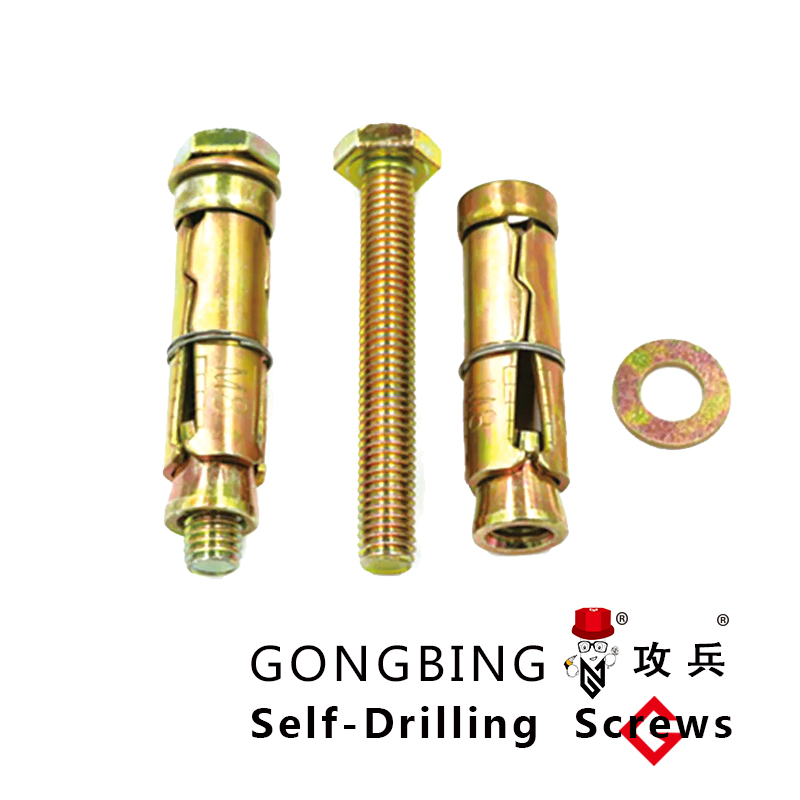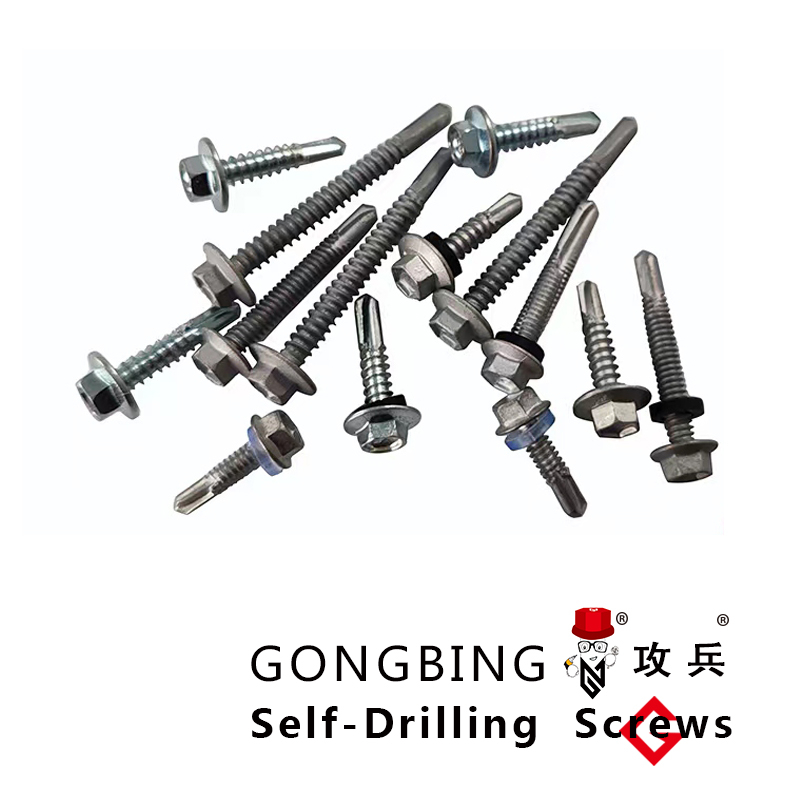
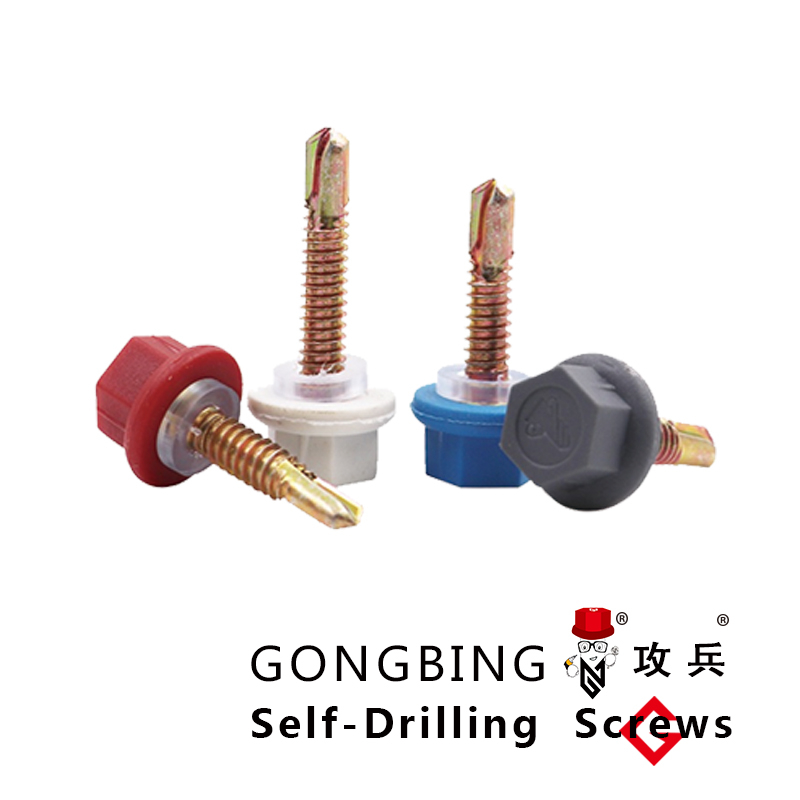
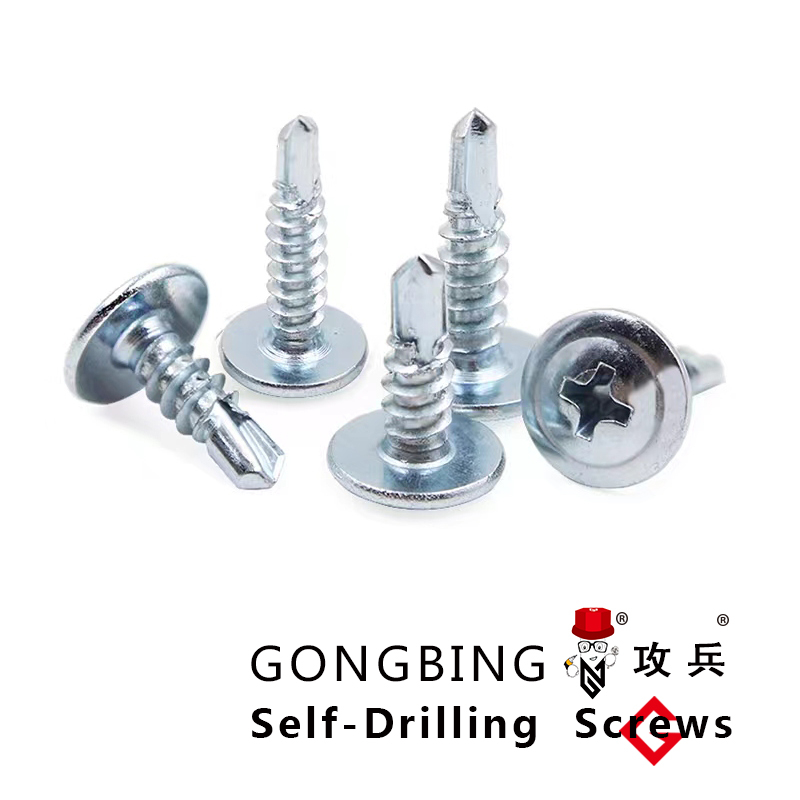
High-Performance concrete expansion bolt Solutions for Russia

Engineering heavy-duty fastening systems tailored for the extreme climatic conditions and rigorous structural standards of the Russian construction market.

High-Performance concrete expansion bolt Solutions for Russia

Providing a comprehensive range of anchoring systems designed to withstand extreme temperature fluctuations and high load-bearing requirements in Eastern European infrastructure.

Fastening Dynamics in the Russian Construction Sector

Analyzing the impact of permafrost and seismic activity on structural anchoring.

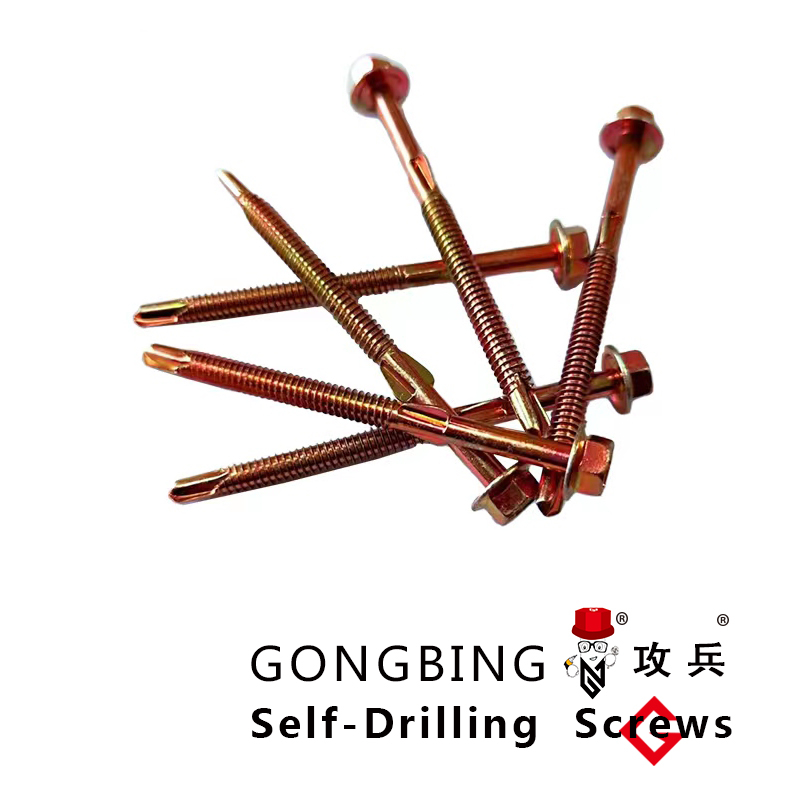
The Russian construction landscape is uniquely challenged by extreme thermal expansion and contraction. In regions ranging from the Arctic to the Steppes, the demand for a reliable bolt in construction is paramount to ensure that structural integrity is maintained despite temperature swings of over 60°C annually.

Currently, there is a significant shift toward high-grade alloy materials to combat the corrosive effects of road salts and industrial pollutants in urban centers like Moscow and Saint Petersburg. The reliance on structural fasteners has evolved from simple carbon steel to galvanized and stainless-steel variants that prevent oxidation in humid environments.

Furthermore, the integration of prefabricated modular buildings has increased the consumption of rapid-install anchors. The market now prioritizes efficiency and certification, moving away from generic components toward precision-engineered systems that meet GOST and European standards.
Evolution of Fastening Technology in Russia

From traditional mechanical anchors to advanced chemical and hybrid systems.

Market Development History

In the late 20th century, the Russian market relied heavily on traditional cast-in-place bolts and basic mechanical expansion systems. These provided basic stability but often failed under the cyclic freezing and thawing of concrete substrates.

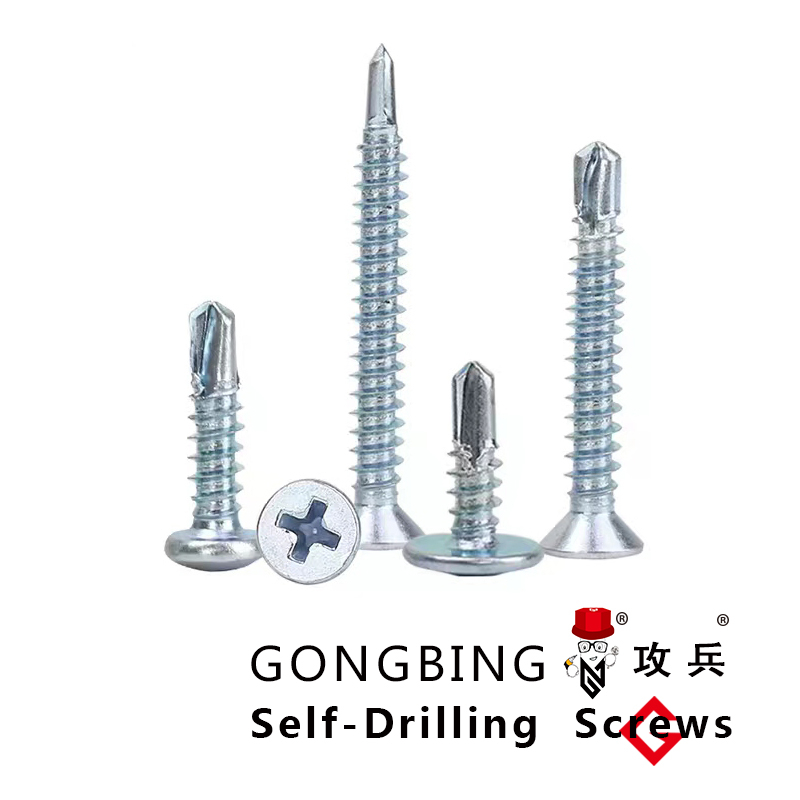
By the 2010s, the introduction of high-torque expansion anchors revolutionized the installation of heavy machinery and HVAC systems, allowing for faster deployment and higher pull-out strength in aged concrete structures.

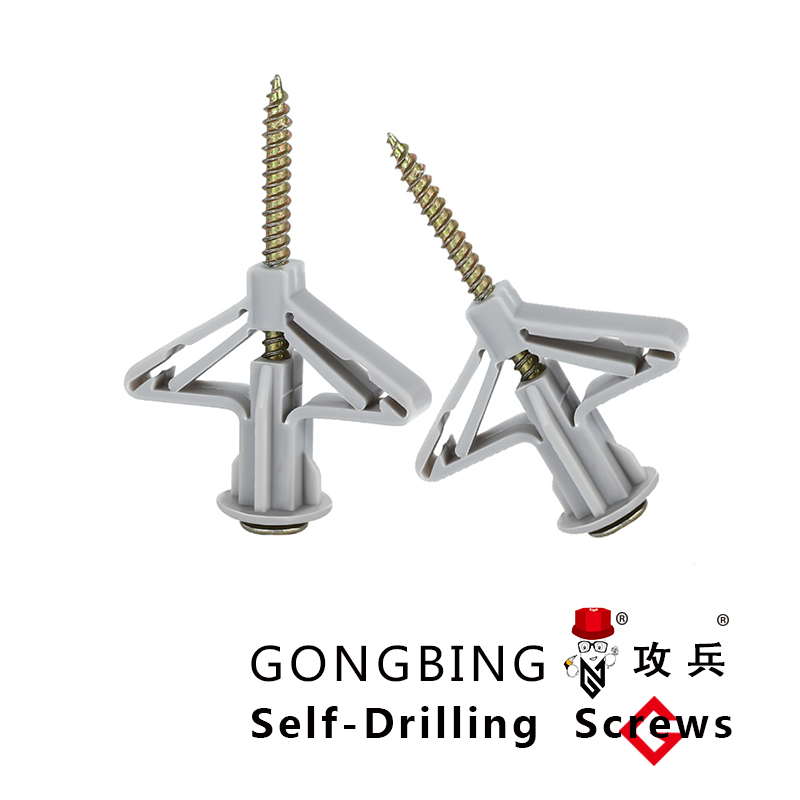
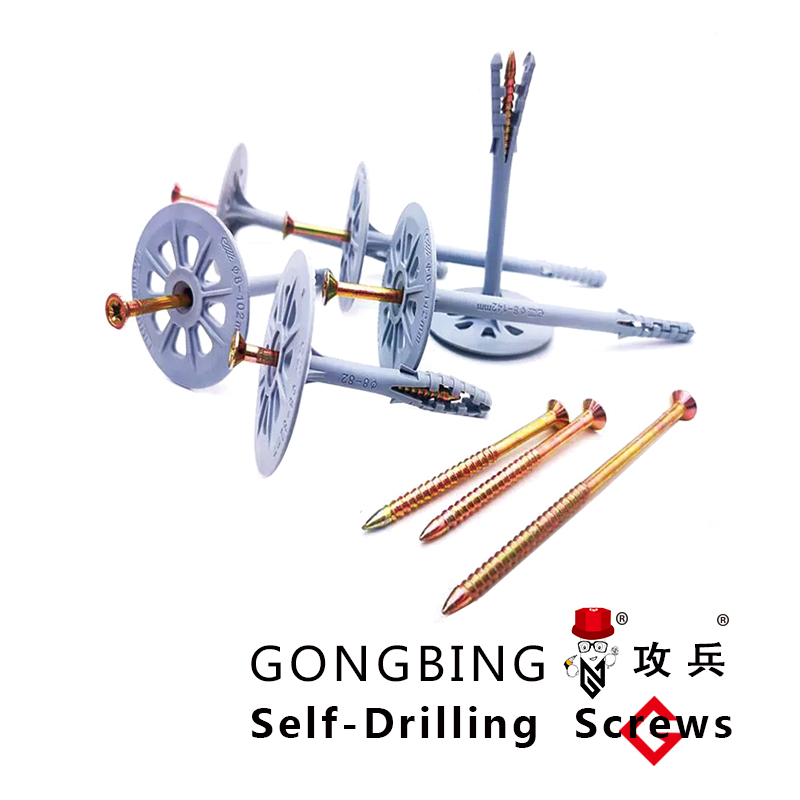
Recently, the industry has seen the rise of specialized plastic-sleeve technology. The adoption of expansion anchor plastic components has become essential for light-duty installations and electrical conduits, reducing costs without compromising basic stability.

Future Development Trends

Smart Fastening Monitoring

Integration of sensors within structural bolts to monitor tension and fatigue in real-time, particularly for bridges and high-rise buildings in seismic zones.

Eco-Friendly Material Science

Transitioning toward low-carbon steel production and recyclable polymer sleeves to meet tightening environmental regulations across Eurasia.

Precision High-Load Anchoring

Shift toward ultra-high-strength alloys that allow for smaller diameter holes while maintaining the same load-bearing capacity as larger traditional bolts.

Strategic Outlook for Fastener Engineering

Predicting the shift in anchoring demand based on regional infrastructure trends.

Climate-Adaptive Alloys
Developing metals that maintain ductility at -50°C to prevent brittle fractures in Northern Russian projects.
Rapid-Installation Systems
Increase in "push-in" and "one-click" anchoring to reduce labor costs in large-scale warehouse construction.
Hybrid Anchoring Logic
Combining chemical bonding with mechanical expansion for maximum safety in bridge and dam engineering.
Digital Twin Compatibility
Fasteners designed for BIM (Building Information Modeling) to precisely calculate load distributions in software.

Industry Outlook

Google search trends indicate a growing interest in "seismic-rated anchors" and "corrosion-resistant fasteners" within the Russian Federation. This suggests a market pivot toward higher safety margins and longer life-cycle costs over initial cheap procurement.

Over the next 3-5 years, we expect the integration of AI-driven material selection to optimize the choice between chemical and mechanical anchors based on concrete density and local soil chemistry.

Localized Application Scenarios in Russia

Real-world deployment of high-strength fastening systems across diverse Russian environments.

01. Arctic Energy Infrastructure

Utilizing heavy-duty expansion bolts for oil and gas pipeline supports in Siberia, where anchors must withstand extreme frost heave and contraction.

02. Moscow Urban Metro Expansion

Deploying high-load structural fasteners for tunnel reinforcement and signage, ensuring safety in high-vibration underground environments.

03. Ural Industrial Warehousing

Installation of massive racking systems using concrete expansion bolts to support heavy manufacturing components and logistics hubs.

04. Saint Petersburg Waterfront Restoration

Applying stainless steel anchors and corrosion-resistant sleeves to protect structural joints from high salinity and Baltic Sea moisture.

05. Regional Residential Prefabrication

Using specialized plastic-sleeve expansion anchors for rapid installation of interior partitions and electrical fixtures in modular housing.

Brand Story

Global Development Journey of Hebei Xizhuo Fastener Co., Ltd.

Foundational Excellence

Established with a focus on precision engineering, we began by solving the core problem of thread inconsistency in industrial bolts.

Material Innovation

Developed proprietary heat-treatment processes to ensure our anchors maintain strength in the most extreme cold-weather climates.

Global Standardization

Achieved international certifications (ISO/DIN), enabling us to enter the strict European and Russian construction markets.

Strategic Expansion

Built dedicated supply chains to provide just-in-time delivery for mega-projects across Eurasia, reducing construction downtime.

Future-Proof Fastening

Now leading the way in sustainable fastening solutions, combining recycled materials with unmatched structural reliability.

Complete Fastening Portfolio for Russia

A comprehensive suite of anchors and bolts engineered for the Russian industrial and civil landscape.

Russia Construction Fastening FAQ

Expert answers to common technical challenges in the Russian market.

How do I choose the right concrete expansion bolt for sub-zero temperatures?

For sub-zero climates, select bolts made from low-temperature carbon steel or stainless steel to avoid brittle fracture. Ensure the material has a certified Charpy V-notch impact value at -40°C.

Are structural fasteners compatible with GOST standards in Russia?

Yes, our structural fasteners are engineered to meet or exceed both DIN/ISO and Russian GOST requirements, ensuring seamless integration into local regulatory approvals.

What is the best use case for expansion anchor plastic vs metal?

Use expansion anchor plastic for light-duty applications, such as cable management or interior cladding. For heavy machinery or load-bearing walls, always use metal expansion anchors.

Can expansion anchors be reused after installation in old concrete?

Mechanical expansion anchors are generally designed for single-use. For renovations in old Russian concrete, we recommend chemical anchors or oversized heavy-duty expansion bolts.

How does the bolt in construction process vary for permafrost soil?

In permafrost, the fastening process requires thermal insulation and specific anchor lengths to bypass the active layer of soil, preventing "frost jacking" of the structure.

What coating is most effective for fasteners in industrial zones?

Hot-dip galvanization is highly recommended for Russian industrial zones to provide a thick zinc layer that resists acidic rain and industrial pollutants.

Request a Technical Consultation

Get expert guidance on the best fastening systems for your project in Russia. Our engineers are ready to help you optimize load safety and costs.

Contact Us Now

If you are interested in our products, you can choose to leave your information here, and we will be in touch with you shortly.