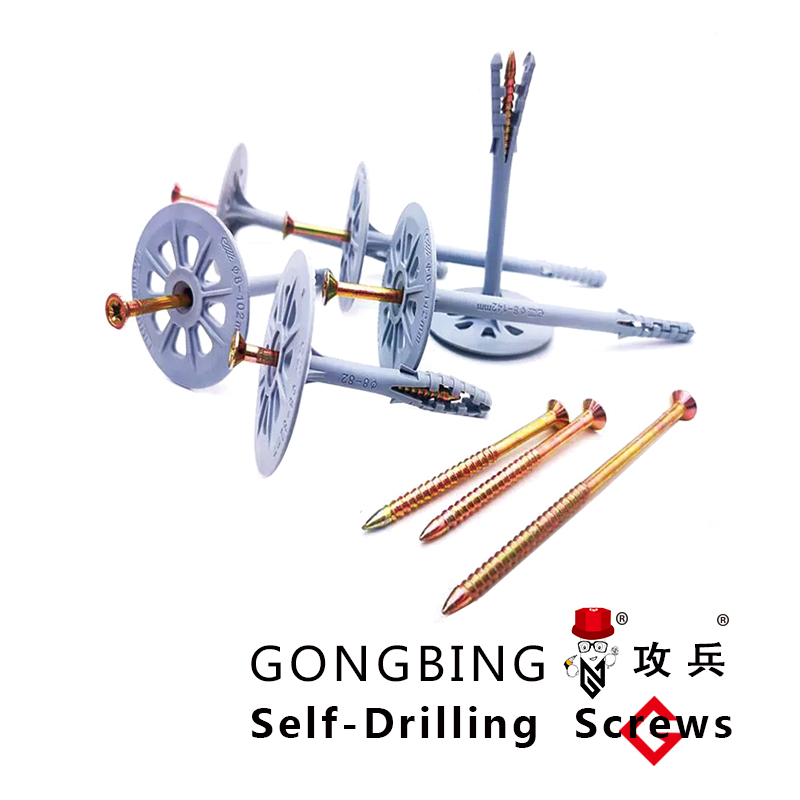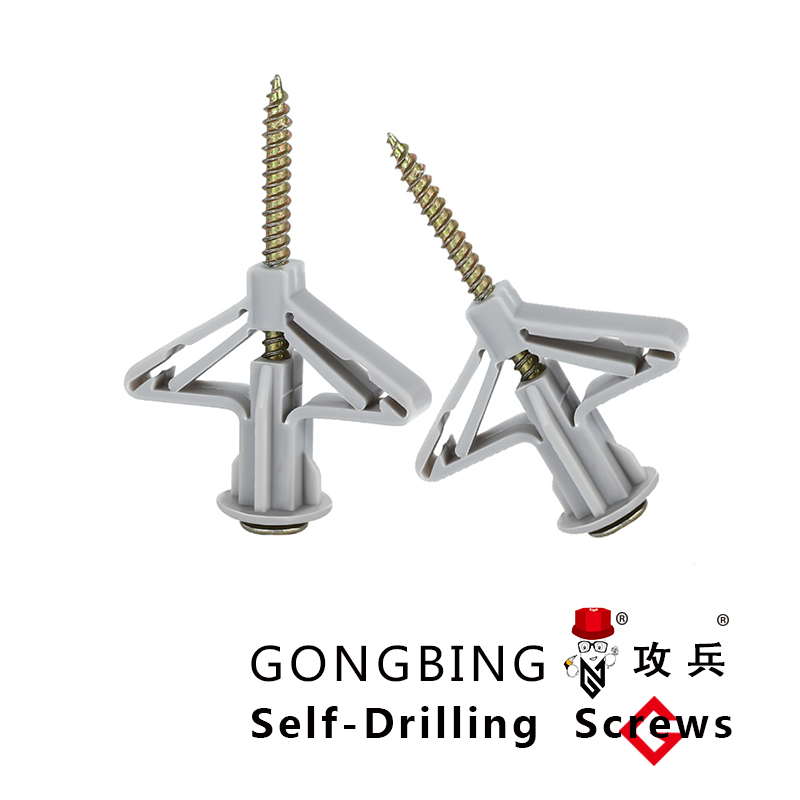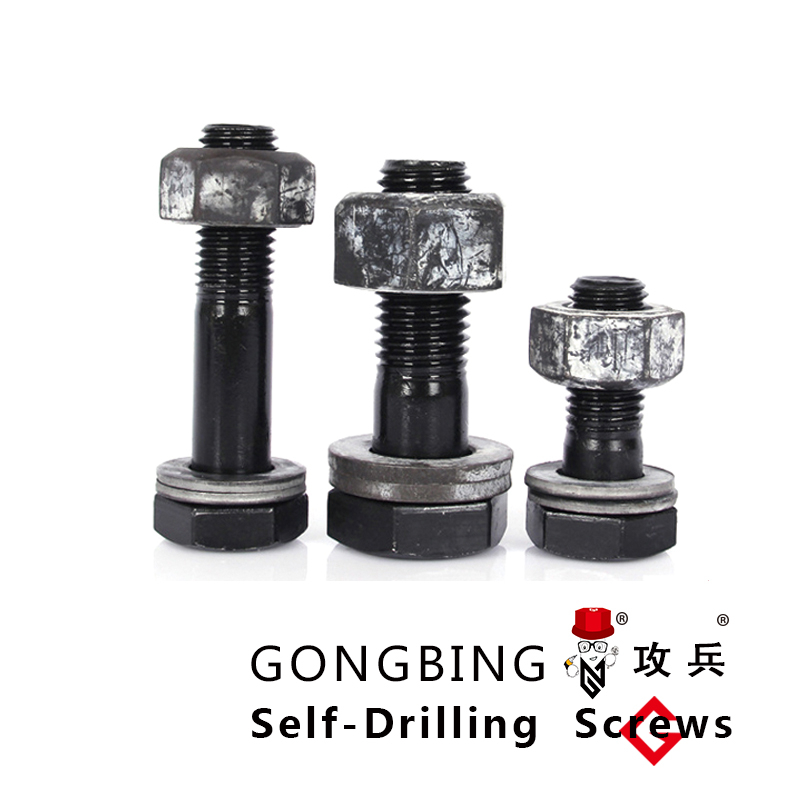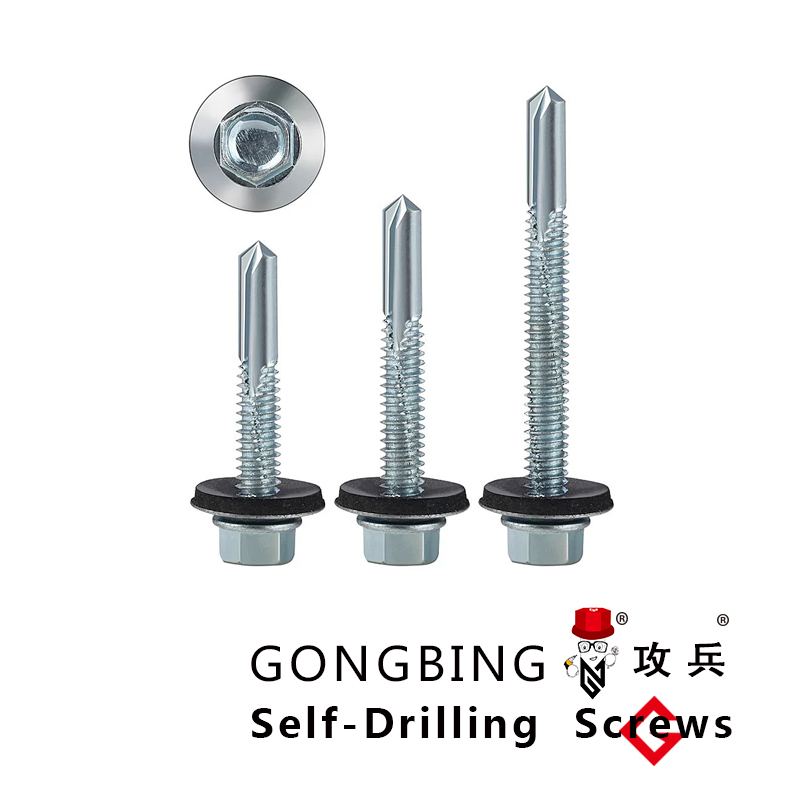
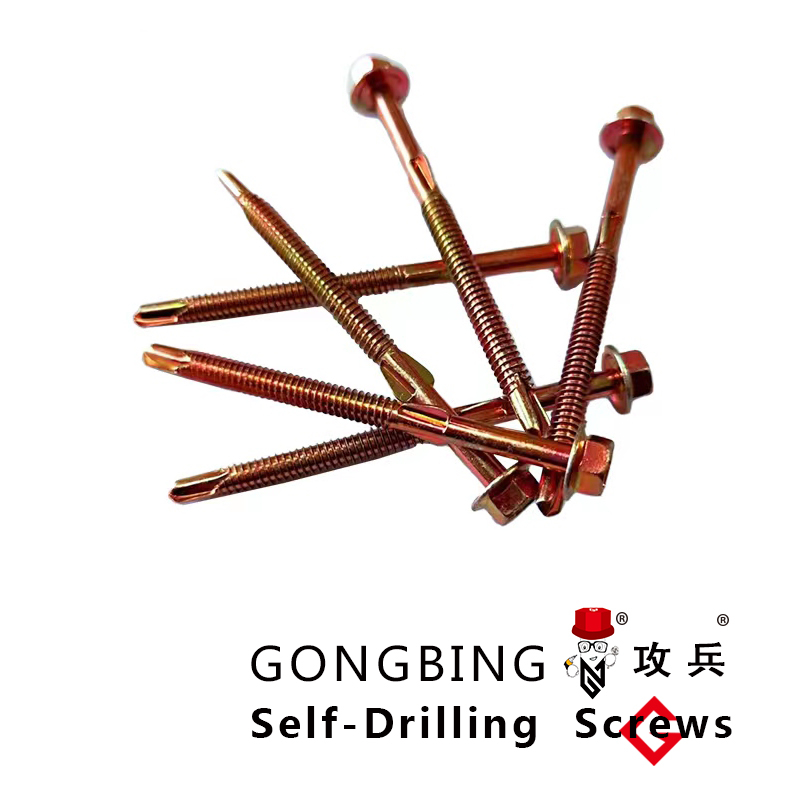
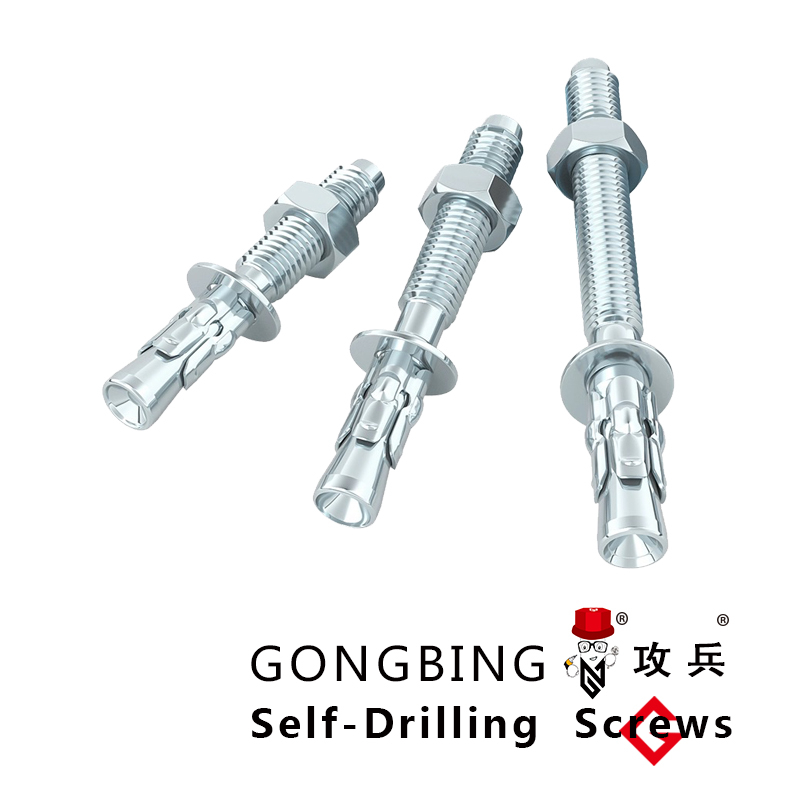
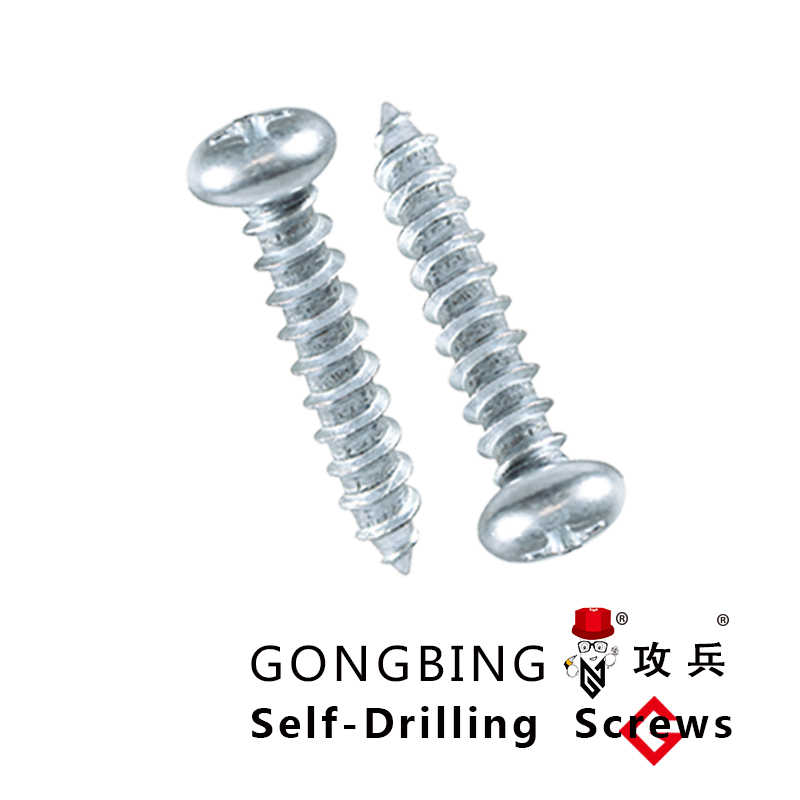
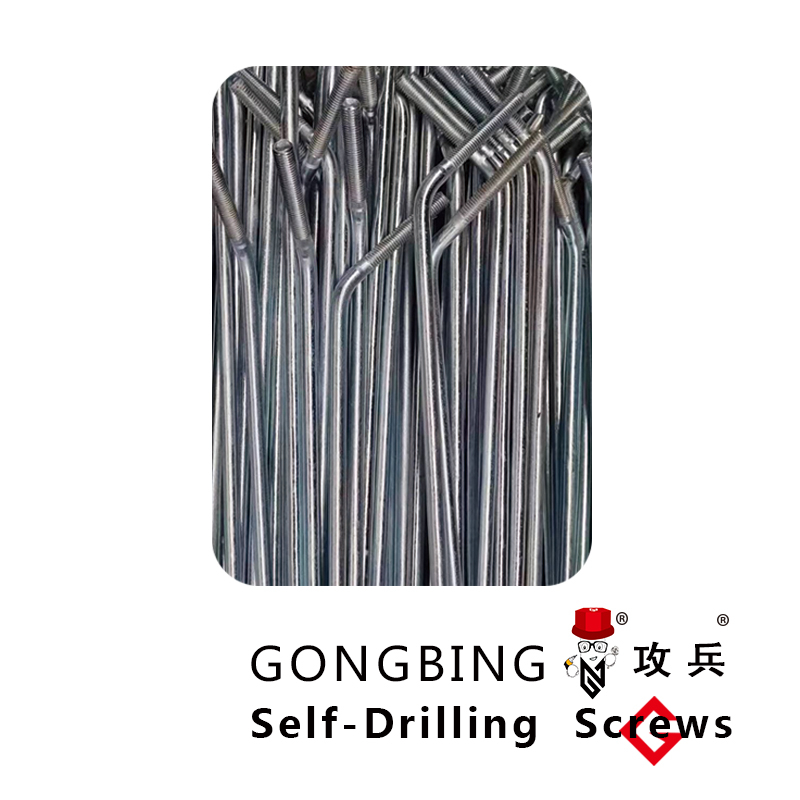
The construction sector in Libya is currently characterized by a massive drive toward rebuilding urban centers and critical oil and gas infrastructure. However, the extreme saline environment along the Mediterranean coast and the intense thermal cycling of the desert interior create a high-risk atmosphere for bolt in construction, where oxidation and thermal expansion often lead to premature structural failure.
Currently, there is a significant shift from traditional carbon steel to high-grade galvanized and stainless steel options. The market is increasingly demanding a concrete expansion bolt that can handle high vibration loads in industrial plants while resisting the corrosive effects of sandy winds and humidity.
Local procurement strategies are evolving, moving away from generic imports toward certified, high-torque solutions. The integration of rigorous testing standards is now a priority for Libyan engineers who require guaranteed load-bearing capacities for large-scale public works and energy facilities.