High-Performance structural fasteners for New Zealand Infrastructure

Engineering superior stability and seismic resilience for Oceania's most demanding construction environments with precision-engineered fastening solutions.

High-Performance structural fasteners for New Zealand Infrastructure

Providing the New Zealand construction sector with certified, high-tensile fastening systems designed to withstand extreme seismic activity and coastal corrosion.

Current State of Fastening Technology in New Zealand

Navigating the intersection of strict building codes and diverse geological challenges in Oceania.

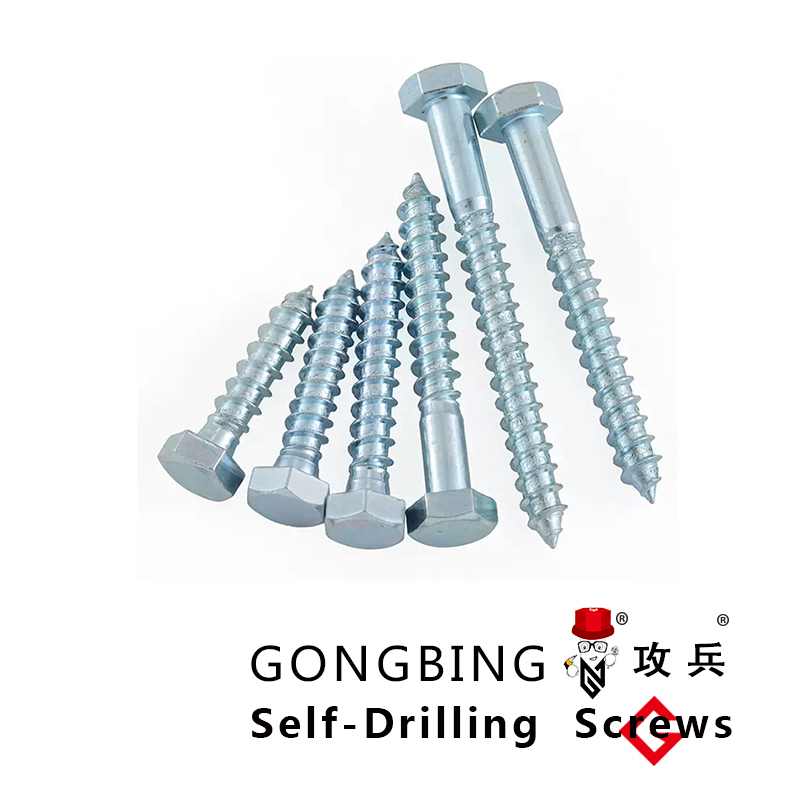
In New Zealand, the demand for high-grade bolt in construction is driven primarily by the country's unique seismic profile. The "Building Code" requirements necessitate fasteners that offer not just static strength, but dynamic ductility to absorb energy during tectonic shifts.

The maritime climate of New Zealand's coastal cities, such as Auckland and Wellington, imposes severe corrosion risks. This has led to a market shift toward galvanized and stainless steel expansion anchors that can maintain structural integrity against salt-spray oxidation.

Furthermore, the rise of rapid urbanization in the North Island has increased the utilization of heavy-duty concrete expansion bolt systems, as developers seek faster installation times without compromising the load-bearing capacity of multi-story concrete frames.

Evolution of New Zealand's Fastening Standards

From basic mechanical anchors to advanced seismic-rated structural systems.

Market Development History

During the mid-20th century, New Zealand relied heavily on basic mechanical friction anchors. However, the lessons learned from historical earthquakes led to a pivotal shift in the 1980s toward standardized torque-controlled systems to ensure consistent tension.

By the early 2000s, the integration of computerized stress analysis allowed for the design of specialized structural fasteners. This era marked the transition from "general purpose" bolts to "application-specific" engineering, focusing on shear and tension limits.

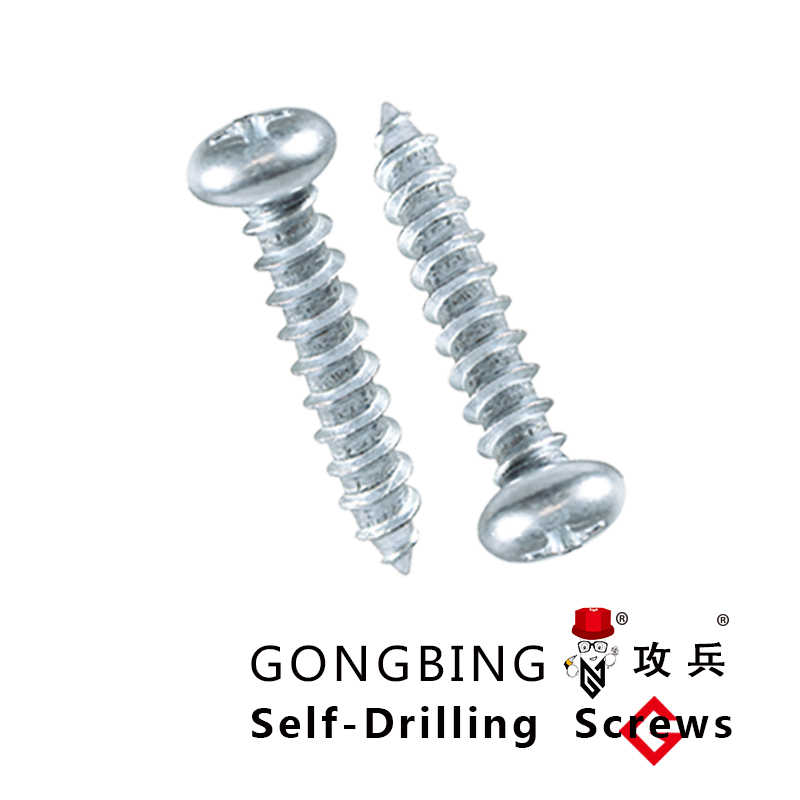
In the last decade, the industry has embraced hybrid materials. The introduction of expansion anchor plastic components for light-duty and damp-proof applications has optimized cost-efficiency in residential housing sectors.

Future Development Trends

Smart Fastening Integration

Predicting a move toward "intelligent bolts" equipped with sensors to monitor tension loss in real-time, crucial for New Zealand's critical bridge infrastructure.

Sustainable Material Science

The shift toward low-carbon steel and recycled alloys to meet New Zealand's strict environmental goals and "Green Building" certifications.

Enhanced Seismic Ductility

Development of next-generation anchors that allow for controlled deformation during earthquakes to prevent catastrophic concrete failure.

Strategic Outlook for the NZ Fastener Industry

Analyzing future growth drivers and technical trajectories in the Oceania region.

Seismic Code Alignment
Strict adherence to evolving NZS standards for earthquake-resistant anchoring systems.
Anti-Corrosion Tech
Advanced hot-dip galvanizing and duplex coatings for saline coastal environments.
Rapid-Install Systems
Optimizing productivity with push-fit and high-torque expansion solutions.
Material Diversification
Integrating polymer-based and hybrid alloy anchors for non-structural use.

Industry Outlook

Based on Google search trends for "seismic retrofitting" and "sustainable construction" in Oceania, we anticipate a 15% increase in demand for high-grade structural fasteners over the next 3 years. The focus is shifting from simple procurement to holistic engineering partnerships.

The integration of BIM (Building Information Modeling) will allow for the exact specification of concrete expansion bolt placement, reducing waste and increasing the structural safety factor of New Zealand's urban skyline.

Local Application Scenarios in New Zealand

Real-world deployment of fastening solutions across diverse Kiwi landscapes.

1. Seismic Retrofitting for Auckland Commercial Hubs

Using high-tensile structural fasteners to reinforce existing concrete frames in CBD office buildings to meet the updated seismic resilience standards.

2. Coastal Infrastructure in Wellington

Deploying marine-grade stainless steel expansion anchors for waterfront piers and seawalls to prevent corrosion from the Cook Strait's harsh environment.

3. Heavy Industrial Warehousing in Christchurch

Installation of heavy-duty concrete expansion bolts for machinery anchoring in large-scale logistics centers, ensuring stability under vibration.

4. Residential Framing in Rural Otago

Applying specialized bolt in construction techniques for timber-to-concrete connections in high-wind alpine regions.

5. Light-Duty Interior Installations

Utilizing expansion anchor plastic solutions for HVAC ducting and electrical conduit mounting in modern residential developments.

Brand Story

Global Development Journey of Hebei Xizhuo Fastener Co., Ltd.

Foundational Precision

Established with a mission to eliminate structural failures caused by inferior fastening materials, focusing on high-precision forging.

Quality Standardization

Achieving international certifications (ISO/ASTM) to ensure our bolts meet the rigorous demands of global construction codes.

Oceania Market Entry

Developing specific seismic-grade product lines tailored for the unique geological needs of the New Zealand and Australian markets.

Innovation in Coating

Launching advanced anti-corrosion series to solve the pain point of fastener oxidation in high-salinity coastal environments.

Global Engineering Partner

Evolving from a manufacturer to a solutions provider, offering full technical support for complex structural projects worldwide.

Comprehensive Fastening Portfolio for New Zealand

A complete range of certified fasteners designed for the Oceania region's structural requirements.

Common Questions for NZ Construction Fasteners

Technical guidance on selecting the right anchors for New Zealand building conditions.

Which concrete expansion bolt is best for seismic zones in NZ?

For seismic zones, we recommend high-ductility steel bolts that comply with NZS standards, providing a balance of strength and flexibility to absorb energy without snapping.

How do I prevent corrosion in coastal expansion anchors?

Utilize Grade 316 stainless steel or hot-dip galvanized anchors. These materials provide the necessary oxide layer to resist salt-air corrosion typical in coastal New Zealand.

Can expansion anchor plastic be used for load-bearing walls?

No, plastic anchors are designed for light-duty, non-structural applications. For load-bearing walls, always use metal structural fasteners to ensure safety.

What is the typical installation torque for structural fasteners?

Torque varies by bolt diameter and grade. We provide detailed torque charts with every order to ensure installation meets the specified tension requirements.

Are these bolts compatible with New Zealand building codes?

Yes, our products are manufactured to meet or exceed ASTM and ISO standards, which are widely accepted and utilized within the NZ Building Code framework.

How do I choose between a wedge anchor and a sleeve anchor?

Wedge anchors are ideal for heavy-duty structural loads in solid concrete, while sleeve anchors are better for softer masonry or where edge distances are limited.

Secure Your Structure Today

Contact our engineering team for customized fastening solutions delivered directly to your project site in New Zealand.

Contact Us Now

If you are interested in our products, you can choose to leave your information here, and we will be in touch with you shortly.