
High-Performance structural fasteners for Norway's Infrastructure

Engineering precision-grade fastening solutions designed to withstand the extreme Nordic climate and rigorous Scandinavian building codes.

High-Performance structural fasteners for Norway's Infrastructure

Providing the Norwegian construction sector with advanced anchoring systems that ensure structural integrity from the fjords of Bergen to the urban hubs of Oslo.

Current State of Fastening Technology in Norway

Analyzing the intersection of extreme weather and heavy-duty industrial requirements.

The Norwegian construction landscape is characterized by its challenging geography and salted coastal air, which demands a superior bolt in construction strategy. The industry currently prioritizes corrosion resistance and thermal expansion stability to prevent structural fatigue during rapid temperature swings between Arctic winters and mild summers.

In urban development, there is a heavy reliance on the concrete expansion bolt to secure prefabricated modules and steel frames into high-density reinforced concrete. The shift toward sustainable "Green Building" in Norway has increased the demand for fasteners that offer high load-bearing capacities with minimal material waste.

Furthermore, the integration of expansion anchors has evolved to meet the strict Eurocode standards. Contractors are increasingly moving away from generic solutions toward region-specific certified hardware that can withstand the seismic vibrations and wind loads prevalent in coastal Norway.
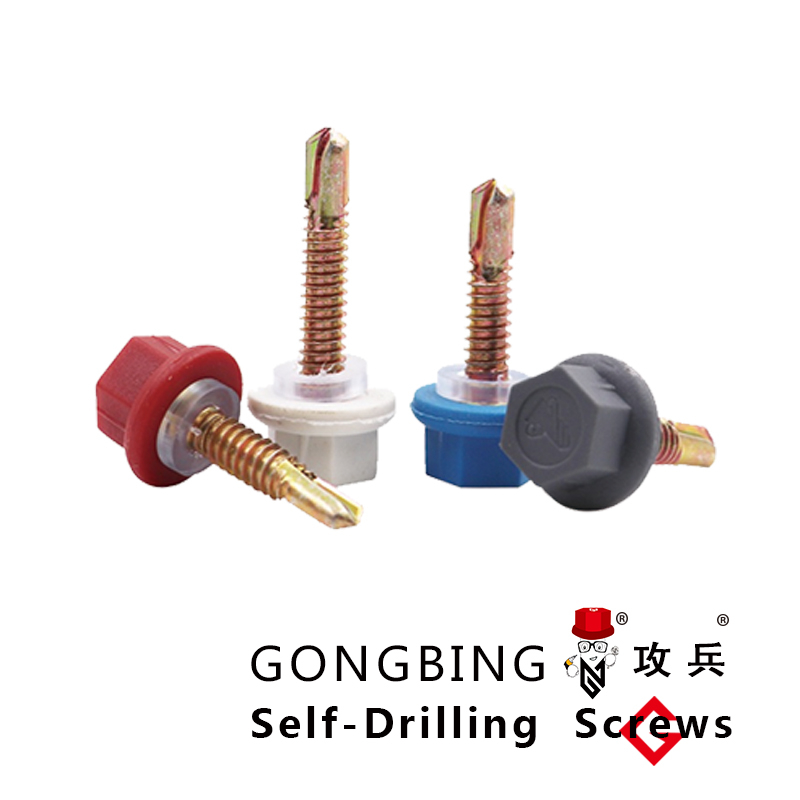
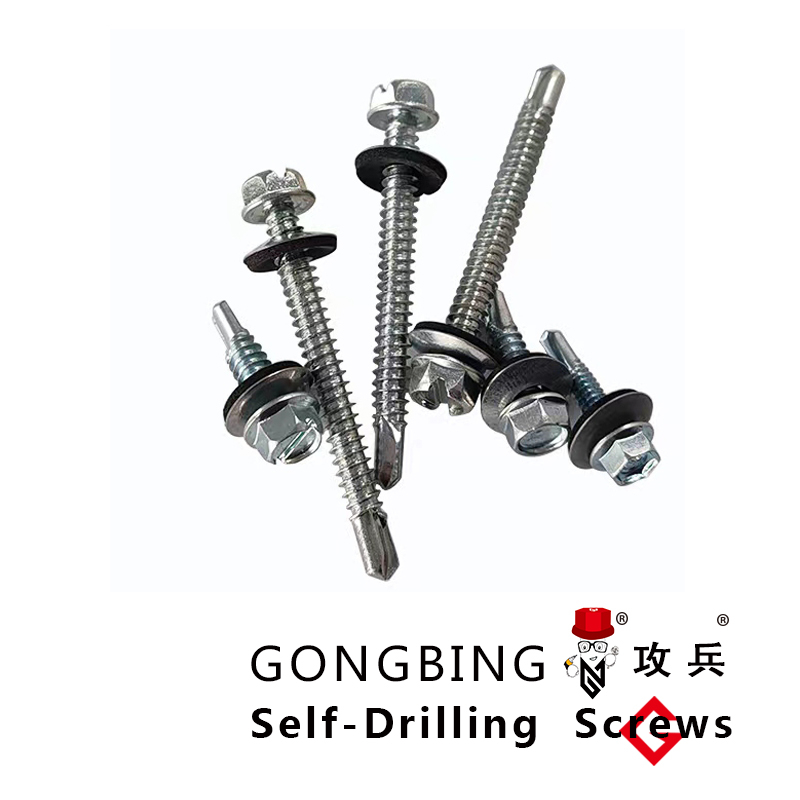
Evolution of Norwegian Fastening Systems

From traditional carbon steel to advanced alloyed anchors.

Market Development History

Prior to the 1990s, the Norwegian market relied heavily on basic galvanized steel bolts. However, the boom in offshore oil and gas infrastructure necessitated a leap toward high-grade stainless steels and specialized coatings to combat saltwater corrosion.

Between 2000 and 2015, the focus shifted toward mechanical precision. The introduction of advanced expansion anchor plastic sleeves allowed for more versatile light-duty installations in residential insulation and cladding, reducing thermal bridging.

Since 2016, the industry has entered the era of "Smart Fastening," where high-tensile structural components are paired with digital torque monitoring and BIM (Building Information Modeling) to ensure every bolt meets exact safety tolerances.

Future Development Trends

Carbon-Neutral Metallurgy

Future trends indicate a move toward "Green Steel" fasteners, reducing the CO2 footprint of the manufacturing process to align with Norway's 2030 climate goals.

Hybrid Composite Anchoring

We expect an increase in hybrid systems that combine the strength of steel with the flexibility of polymers to better handle the freeze-thaw cycles of the Nordic tundra.

AI-Driven Load Simulation

The adoption of AI to predict the wear and tear of fasteners in extreme environments will allow for predictive maintenance rather than reactive replacement.

Industrial Trends & Future Outlook

Strategic directions for the fastening industry in the Nordic region.

Extreme Corrosion Resistance
Development of super-duplex stainless steels specifically for Norway's harsh coastal environments.
Modular Construction Sync
Optimizing fasteners for rapid-assembly modular homes prevalent in Norwegian urban planning.
Zero-Failure Safety Specs
Implementing stricter load-testing for tunnel and bridge anchors in mountainous regions.
Smart Material Tracking
Using RFID tags in fasteners for lifetime tracking of structural health in public works.

Industry Outlook

The Norwegian market is shifting toward a "quality over quantity" paradigm. Google search trends indicate a rising interest in high-durability anchoring systems that reduce long-term maintenance costs, reflecting a broader economic move toward lifecycle value optimization.

Within the next 3-5 years, we anticipate a surge in demand for fasteners that are compatible with 3D-printed concrete and recycled steel alloys, as the Nordic region leads the way in sustainable industrial innovation.

Localized Application Scenarios in Norway

Where our high-precision fastening solutions solve real-world engineering challenges.

1. Coastal Bridge Reinforcement

Utilizing high-grade structural fasteners to secure suspension cables and support beams against salt-spray corrosion in the Atlantic coastal regions.

2. Oslo Urban Infrastructure

Deploying heavy-duty concrete expansion bolt systems for underground parking and subway expansions in the capital's dense granite bedrock.

3. Arctic Energy Facilities

Installing specialized expansion anchors for wind turbine bases in Northern Norway, designed to remain stable at temperatures as low as -40°C.

4. Residential Timber-Concrete Hybrids

Integrating expansion anchor plastic solutions for attaching thermal insulation and light frames to concrete foundations in eco-homes.

5. Fjord-Side Tunnel Stabilization

Applying advanced bolt in construction techniques for rock-bolting and lining stabilization in Norway's extensive tunnel networks.

Brand Story

Global Development Journey of Hebei Xizhuo Fastener Co., Ltd.

Foundational Precision

Our journey began with a commitment to solve the instability of standard fasteners in heavy industrial applications, focusing on metallurgical purity.

Technological Expansion

We invested in automated cold-forging technology to ensure that every single bolt meets micron-level tolerances for global exports.

Quality Certification

Achieving ISO and CE certifications allowed us to enter the strict European markets, including Norway, by meeting rigorous safety standards.

Nordic Market Integration

By customizing our alloys for the Arctic climate, we became a trusted partner for Scandinavian infrastructure projects.

Sustainable Future

Today, we lead the way in eco-friendly fastening, reducing waste and increasing the longevity of structures worldwide.

Norwegian Fastening Industry FAQ

Expert answers to technical queries regarding structural anchoring in cold climates.

Which bolt in construction is best for salted coastal air in Norway?

For high-salinity environments, we recommend A4-80 stainless steel or hot-dip galvanized bolts with additional organic coatings to prevent pitting corrosion.

How does a concrete expansion bolt perform in freezing temperatures?

Our bolts are engineered with specialized alloys that maintain ductility at low temperatures, preventing the brittleness that leads to structural failure in Arctic conditions.

What are the load-bearing advantages of structural fasteners in modular buildings?

Structural fasteners provide precise clamping force and vibration resistance, which are critical for the stability of prefabricated modules during transport and installation.

When should I use expansion anchors versus chemical anchors in Norwegian bedrock?

Expansion anchors are ideal for rapid installation and immediate load-bearing, while chemical anchors are preferred for heavy dynamic loads or cracked concrete.

Is expansion anchor plastic suitable for exterior cladding in Northern Norway?

Yes, provided they are made from UV-stabilized and frost-resistant polymers that do not shrink or crack during extreme temperature fluctuations.

Do your fasteners comply with the latest Eurocode standards used in Norway?

Absolutely. All our structural components undergo rigorous testing to ensure full compliance with ETA (European Technical Assessment) and Eurocode 3 standards.

Secure Your Structure Today

Contact our technical engineering team for customized fastening solutions delivered across Norway.

Contact Us Now

If you are interested in our products, you can choose to leave your information here, and we will be in touch with you shortly.