
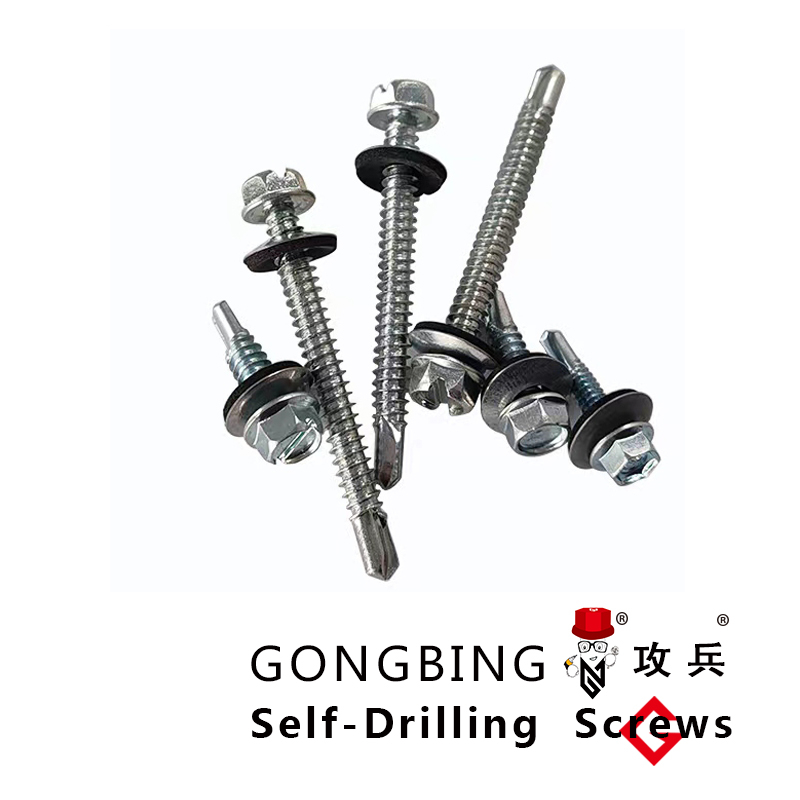
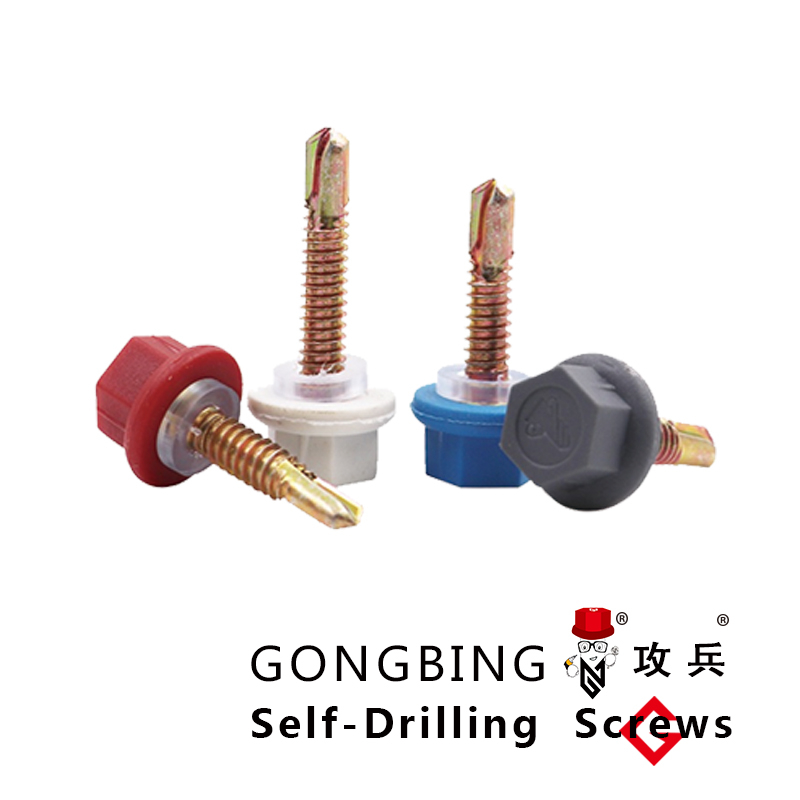
High-Performance structural fasteners for Swedish Infrastructure

Precision-engineered anchoring solutions designed to withstand the rigorous climatic demands and strict safety standards of the Swedish construction industry.

High-Performance structural fasteners for Swedish Infrastructure

Providing comprehensive fastening systems that ensure long-term stability and seismic resistance for Sweden's diverse architectural landscape, from Stockholm's urban hubs to Northern industrial zones.

The Landscape of Fastening Technology in Sweden

Adapting to extreme temperature fluctuations and high corrosion environments.

In Sweden, the demand for bolt in construction is heavily influenced by the Nordic climate. The extreme freeze-thaw cycles require fasteners that maintain structural integrity without becoming brittle at sub-zero temperatures, necessitating advanced metallurgy in all load-bearing components.

The Swedish market is currently shifting toward sustainable and high-durability materials. The integration of concrete expansion bolt systems has evolved to include superior galvanization and stainless steel alloys to combat the humidity and salinity found in coastal regions like Gothenburg.

Moreover, stringent European safety regulations and Swedish building codes (BKR) drive the adoption of certified anchoring systems. There is a growing preference for solutions that offer both high load-capacity and ease of installation to reduce labor costs in a high-wage economy.

Evolution and Trajectory of Anchoring Systems

From traditional mechanical fixes to precision-engineered structural solutions.

Market Development History

During the mid-20th century, the Swedish construction sector relied heavily on basic mechanical anchors. These early iterations provided basic stability but lacked the precision required for the complex industrial architecture that emerged during the post-war expansion.

By the 1990s, the industry saw a significant shift toward specialized expansion anchors. The introduction of torque-controlled installation methods allowed for more predictable load distributions, reducing the risk of concrete cracking in heavy-duty applications.

In the last decade, the focus has transitioned to "smart" fastening. The emergence of chemical anchors and advanced mechanical hybrids has enabled engineers to secure structures into older, lower-strength concrete typical of legacy Swedish industrial sites.

Future Development Trends

Digital Twin Integration

Integration of fasteners with BIM (Building Information Modeling) to track the lifecycle and tension of every critical bolt in real-time during the building's operation.

Carbon-Neutral Materials

A move toward "green steel" and recycled alloys to meet Sweden's ambitious goal of becoming the first fossil-free welfare state by 2045.

Hybrid Polymer Solutions

Increased use of expansion anchor plastic composites for non-structural, high-corrosion environments to eliminate oxidation entirely.

Strategic Trends and Future Outlook

Analyzing the shift toward high-efficiency and eco-friendly fastening systems.

Extreme Weather Resilience
Development of alloys that prevent hydrogen embrittlement in Arctic conditions.
Automated Installation
Integrating robotic drilling and fastening to increase site precision and safety.
Anti-Corrosive Coating
Next-gen zinc-nickel and ceramic coatings for saltwater exposure resilience.
Eco-Certified Fastening
Compliance with the strictest EU environmental standards for sustainable building.

Industry Outlook

Google search trends indicate a rising interest in "sustainable construction fasteners" and "low-carbon steel anchors" within Northern Europe. This suggests that the market is no longer just about strength, but about the carbon footprint of the manufacturing process.

Over the next 3-5 years, we expect a consolidation of the market where only manufacturers providing full certification (ETA/CE) and verified performance data for Swedish soil and concrete conditions will maintain a competitive edge.

Localized Application Scenarios in Sweden

Real-world implementations of fastening solutions across Swedish landscapes.

01. Stockholm Metro Expansion

Utilizing heavy-duty concrete expansion bolt systems for tunnel lining and utility support, ensuring stability against vibration and underground moisture.

02. Kiruna Mine Infrastructure

Applying high-tensile structural fasteners to support heavy machinery and structural frames in extreme Arctic cold where material ductility is critical.

03. Gothenburg Port Logistics

Deploying marine-grade stainless expansion anchors for warehouse shelving and dock equipment to resist high salinity and corrosive air.

04. Scandinavian Modular Housing

Implementing precision bolt in construction for the rapid assembly of prefabricated timber-concrete hybrid buildings common in Swedish urban planning.

05. Interior Utility Fitting

Using expansion anchor plastic for lightweight electrical conduits and HVAC piping in commercial offices to prevent corrosion in damp wall environments.

Brand Story

Global Development Journey of Hebei Xizhuo Fastener Co., Ltd.

Precision Foundations

Established with a commitment to solving the core instability issues in industrial fastening, focusing on metallurgical purity.

Technological Leap

Investing in automated cold-forging technology to ensure zero-defect production for high-load structural components.

European Certification

Aligning production lines with CE and ISO standards to penetrate the demanding European construction market.

Strategic Nordic Expansion

Developing specialized product lines specifically tailored for the Swedish and Norwegian climatic challenges.

Sustainability Leadership

Implementing green manufacturing processes to provide eco-friendly fastening solutions for global infrastructure.

Swedish Market Construction FAQs

Expert answers to common technical queries regarding fasteners in Sweden.

Which concrete expansion bolt is best for Swedish winter conditions?

For extreme cold, we recommend stainless steel or specially treated alloy bolts that maintain ductility at low temperatures to prevent brittle fracture.

How to ensure structural fasteners meet Swedish BKR standards?

Ensure all fasteners possess ETA (European Technical Assessment) and CE marking, providing documented pull-out strength and material traceability.

Can expansion anchor plastic be used in outdoor Swedish facades?

Yes, provided they are made from UV-stabilized and weather-resistant polymers that do not degrade under intense Nordic summer sun or freeze in winter.

What is the load capacity of professional expansion anchors in C25/30 concrete?

Capacity varies by diameter; however, our certified anchors are tested to exceed standard Swedish load requirements for commercial structural supports.

Why is the correct bolt in construction critical for seismic zones in Sweden?

Correct bolt selection ensures the structure can absorb energy and shift slightly without catastrophic failure during rare but possible seismic events.

How do I prevent corrosion in fasteners used in Gothenburg's coastal area?

We recommend using A4-grade stainless steel or hot-dip galvanized coatings that provide a thick sacrificial layer against salt spray.

Get Expert Fastening Advice Today

Our technical team is ready to support your next infrastructure project in Sweden with precision-engineered solutions.

Contact Us Now

If you are interested in our products, you can choose to leave your information here, and we will be in touch with you shortly.