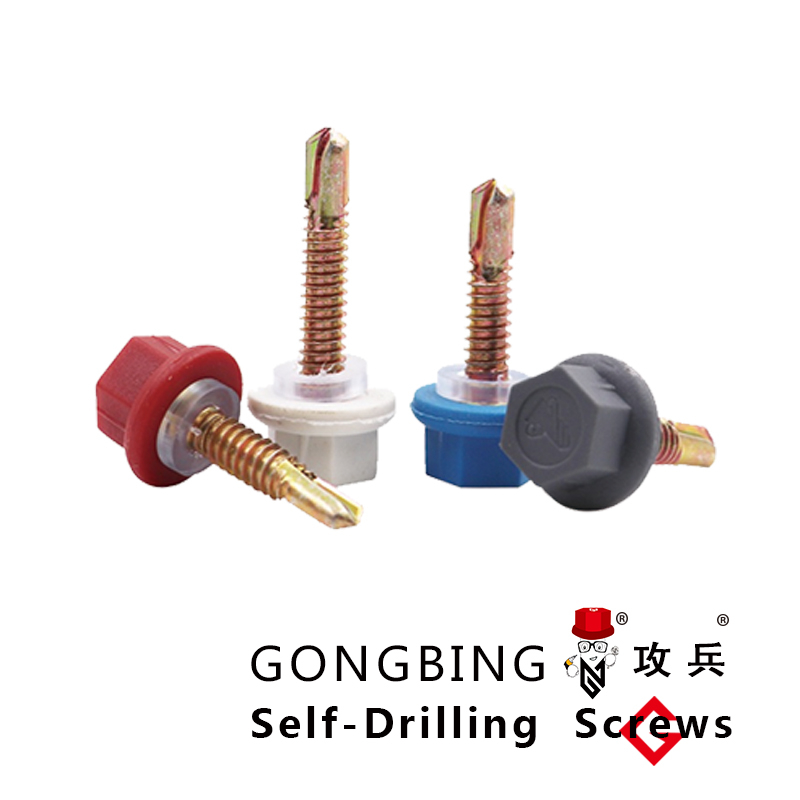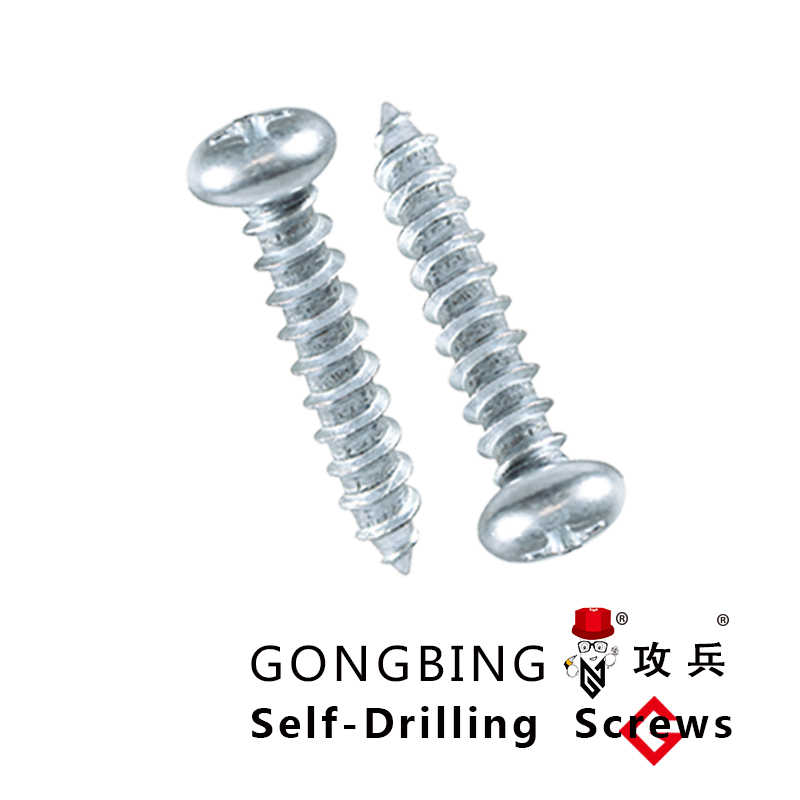
High-Performance structural fasteners for US Infrastructure

Engineered for extreme durability and precision, ensuring the integrity of North American construction projects with industry-leading anchoring solutions.

High-Performance structural fasteners for US Infrastructure

Providing the United States market with high-grade fastening systems that meet stringent ASTM and ANSI standards for seismic and structural stability.

Current Landscape of Fastening in the United States

Analyzing the demand for reliability in diverse climatic zones.

The US construction market is currently characterized by a massive push toward infrastructure renewal. The widespread use of bolt in construction is essential for bridges and skyscrapers, where extreme temperature fluctuations from Alaska to Florida demand materials with superior thermal expansion coefficients.

In urban centers, the reliance on concrete expansion bolt systems has increased due to the prevalence of reinforced concrete frames. Local contractors prioritize speed of installation without compromising the load-bearing capacity required by state building codes.

Moreover, the rise of sustainable "green" building in North America has led to a diversified demand, ranging from heavy-duty industrial anchors to lightweight expansion anchor plastic solutions for non-structural residential applications.

Evolution of Anchoring Technology

From traditional mechanical wedges to precision-engineered systems.

Market Development History

Historically, the US market relied on basic cast-in-place bolts. However, by the 1980s, the introduction of advanced expansion anchors allowed for post-installed connections, drastically reducing construction timelines for industrial warehouses.

During the 2000s, metallurgy shifted toward high-zinc coatings and stainless steel to combat the corrosive environments of coastal cities like Miami and New York, making structural integrity more predictable over decades.

In the last decade, the integration of CAD and BIM (Building Information Modeling) has allowed fasteners to be specified with millimeter precision, shifting the industry from "general fit" to "engineered fit."

Future Development Trends

Smart Fastening Systems

Integration of sensors within fasteners to monitor tension and stress in real-time for critical bridges.

Eco-Friendly Material Science

Development of carbon-neutral steel and biodegradable high-strength plastics for temporary construction supports.

Automated Installation

Rise of robotic drilling and fastening systems to address labor shortages in the US construction sector.

Industry Trends and Future Outlook

Navigating the shift toward high-strength, low-impact fastening solutions.

Seismic Optimization
Enhancing fasteners to withstand high-magnitude tremors in the West Coast regions.
Corrosion Resistance
Advanced galvanization techniques for saltwater exposure in coastal US states.
Rapid Installation
Focusing on "one-tool" installation systems to reduce labor costs.
Material Synergy
Combining metal and polymers for specialized vibration damping.

Industry Outlook

Google search trends indicate a growing interest in "high-load structural anchors" and "seismic-rated fasteners" across North America, reflecting the trend toward safer, more resilient urban infrastructure.

Over the next 3-5 years, we expect a total convergence of material science and digital tracking, where every bolt used in a major US bridge will have a digital twin for lifecycle monitoring.

Localized Application Scenarios in the USA

Real-world deployments across various North American industries.

01. Texas Industrial Warehousing

Utilizing heavy-duty concrete expansion bolt systems to secure massive steel racking in distribution centers across the Sun Belt.

02. California Seismic Retrofitting

Implementing specialized structural fasteners to reinforce older masonry buildings against earthquake activity in the San Andreas fault zone.

03. Northeast Coastal Bridges

Applying high-grade corrosion-resistant expansion anchors to secure railings and signage against salty Atlantic air.

04. Midwest Residential Renovation

Using expansion anchor plastic for light-duty mounting of HVAC components and interior fixtures in suburban homes.

05. National Highway Expansion

Deploying precision bolt in construction for sound barrier installations and overhead gantry supports across interstate highways.

Brand Story

Global Development Journey of Hebei Xizhuo Fastener Co., Ltd.

Foundation of Precision

Started with a commitment to solving the "failure rate" problem in heavy-duty industrial fastening.

Technical Breakthroughs

Developed proprietary heat-treatment processes to increase the tensile strength of structural bolts.

Entering the US Market

Aligned production with ASTM standards to provide reliable solutions for North American engineers.

Quality Certification

Achieved global quality benchmarks, ensuring every batch is traceable and tested for load capacity.

Sustainable Future

Investing in green manufacturing to lead the fastener industry toward a low-carbon future.

Frequently Asked Questions - US Market

Technical guidance for North American contractors and engineers.

How to choose the right concrete expansion bolt for seismic zones?

For seismic zones, ensure the fastener is ICC-ES certified and specifically rated for cracked concrete to maintain structural integrity during tremors.

What are the ASTM standards for structural fasteners in bridge construction?

Most US bridge projects require ASTM A325 or A490 high-strength bolts to ensure the necessary clamping force and fatigue resistance.

Can expansion anchors be used in hollow block concrete?

Standard expansion anchors are for solid concrete; for hollow blocks, toggle bolts or specialized chemical anchors are recommended for safety.

When should I use an expansion anchor plastic instead of metal?

Use plastic anchors for lightweight applications where corrosion is a concern and load-bearing requirements are minimal, such as residential wall mounting.

What is the load capacity difference in bolt in construction for different grades?

Grade 8 bolts offer significantly higher tensile and yield strength compared to Grade 5, making them essential for heavy-duty machinery and structural frames.

How do I prevent galvanic corrosion in expansion anchor installations?

Avoid mixing dissimilar metals; use stainless steel fasteners when connecting aluminum structures to concrete to prevent electrochemical reactions.

Ready to Secure Your Next Project?

Consult with our technical experts for high-performance fastening solutions tailored for the United States.

Contact Us Now

If you are interested in our products, you can choose to leave your information here, and we will be in touch with you shortly.