

Precision-Engineered Construction Fasteners
Explore our comprehensive range of structural fasteners designed for maximum stability in masonry and concrete applications.
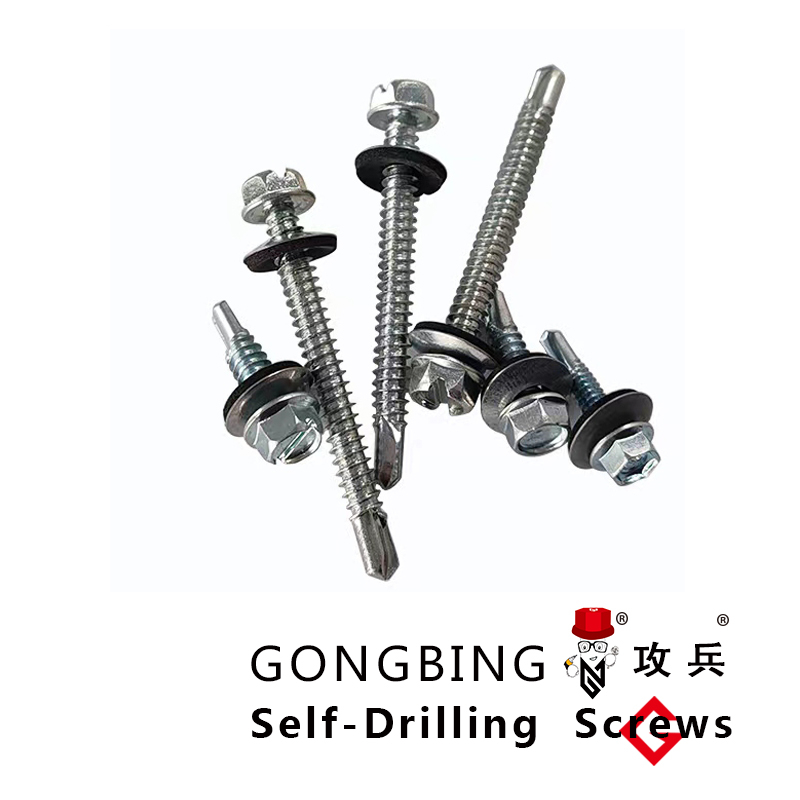
Hexagonal head self-drilling screw with EPDM bonded washer,zinc plated

High Strength Large Hexagonal Head Bolts For Steel Structures GB/T 1228-1991
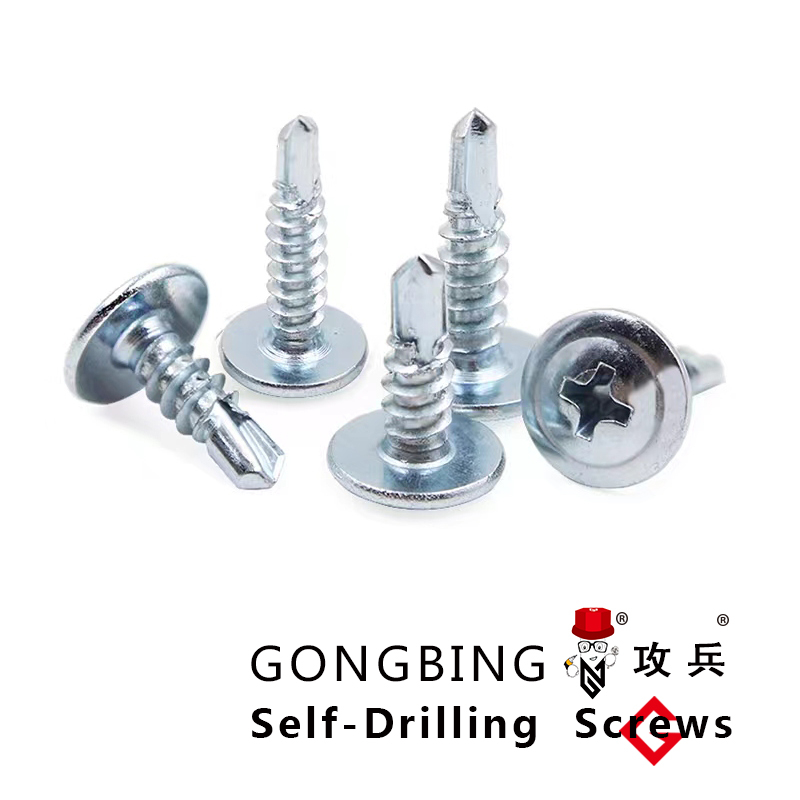
Wafer Head Self-Drilling Screw With Zinc Plated
Optimizing Anchor Selection for the Polish Building Sector
Analyzing the technical requirements of the regional construction landscape to ensure long-term structural integrity.
The diverse Polish architectural landscape, ranging from historic restorations in Kraków to modern industrial hubs in Silesia, requires fasteners that can handle varied base materials. Local project managers often prioritize versatility, requiring expansion anchors that maintain grip across different concrete grades and moisture levels typical of Central European climates.
With the rise of modular construction and large-scale logistics centers across Poland, there is an increasing demand for high-load structural fasteners. The focus has shifted toward reducing installation time without compromising safety, leading to a preference for wedge anchors and high-strength chemical systems that offer predictable load-bearing capacities.
Procurement in the Polish market is increasingly driven by a balance of cost-efficiency and European compliance. Buyers seek manufacturers who provide professional quality testing and consistent material certifications, ensuring that every bolt in construction meets the rigorous safety benchmarks required for public infrastructure and commercial real estate.
Evolution of Anchoring Technology in Infrastructure
From traditional mechanical fixings to advanced engineered anchoring systems.
Industry Development Path
-
Early Mechanical Phase
Reliance on basic expansion principles and generic steel bolts for simple masonry attachments. -
Standardization Era
The introduction of precise technical specifications for wedge and sleeve anchors to ensure predictable pull-out strength. -
Integrated Engineering Stage
Current adoption of high-performance chemical anchors and hybrid systems tailored for specific seismic or vibration loads.
Future Technical Trends
- Material Innovation — Increasing use of advanced alloys and coatings to prevent corrosion in humid environments.
- Installation Efficiency — Shift towards "drill-and-fix" systems that minimize site debris and labor hours.
- Sustainability Integration — Development of eco-friendly expansion anchor plastic and recyclable metal components.
Strategic Shifts in Fastening Systems
Anticipating the requirements of the next generation of European construction projects.
Technical Specification Accuracy
Moving away from generic sizing toward precision-calculated fastener dimensions for optimized load distribution.
Corrosion Resistance Focus
Adopting superior galvanization and stainless steel options to combat the oxidation risks in industrial zones.
Procurement Digitalization
Transitioning to direct-from-manufacturer digital supply chains to ensure traceability and quality consistency.
Modular System Integration
Designing fasteners specifically for pre-cast concrete and modular steel frames common in rapid urban expansion.
Infrastructure Outlook for the European Market
The construction sector in Poland is evolving toward high-density urban development and sustainable industrial parks. This transition necessitates a move from simple fixings to engineered solutions where the anchor is viewed as a critical structural component rather than a commodity.
Future commercial success will depend on the ability to provide non-standard fasteners that meet specific architectural challenges, blending the strength of metal anchors with the flexibility of modern chemical bonding agents.
Practical Applications of Anchoring Systems
How different fastener types solve real-world engineering challenges in varied environments.
1
Industrial Warehouse Flooring
Implementation of heavy-duty concrete expansion bolt systems to secure heavy machinery and racking systems into reinforced concrete slabs.
2
Exterior Wall Insulation (ETICS)
Utilizing specialized insulation anchors to secure thermal panels to masonry facades, ensuring wind resistance and thermal efficiency.
3
Commercial HVAC Installation
Applying drop-in anchors and threaded rods to support heavy ventilation ducts and piping systems in concrete ceilings of office buildings.
4
Residential Drywall and Partitioning
Using a combination of self-drilling screws and expansion anchor plastic for secure, lightweight fixtures in modern apartment complexes.
5
Bridge and Highway Infrastructure
Deployment of high-strength chemical anchors and wedge anchors for structural reinforcements in public transport corridors.
Engineering Excellence by Hebei Xizhuo Fastener Co., Ltd.
A dedicated manufacturer integrating research, production, and global distribution of high-performance fasteners.
Found
Foundation
Establishment of Manufacturing Core
Founded as a comprehensive fastener manufacturer focusing on the integration of design, research, and large-scale production.
Growth
Expansion
Portfolio Diversification
Expanded production capabilities to include specialized construction fasteners, including chemical anchors and the "Mei rui an" and "Gongbing" trademarked lines.
Global
Current
International Market Presence
Established a robust export network serving Europe, the Middle East, Southeast Asia, and South America with professional quality testing equipment.
Fastening Solutions for Poland's Construction Needs
From heavy-duty steel bolts to precision plastic anchors, we provide the hardware that holds modern infrastructure together.



Construction Fasteners FAQ
Technical guidance for selecting and installing anchors in structural applications.
How do I choose between a concrete expansion bolt and a chemical anchor?
Expansion bolts are ideal for rapid installation in solid concrete where mechanical friction is sufficient. Chemical anchors should be used for higher load requirements, cracked concrete, or where vibration is a concern, as they create a bond with the base material.
Are plastic expansion anchors suitable for structural load-bearing in Poland?
Plastic anchors are designed for light to medium-duty applications, such as interior fixtures or insulation. For any structural load-bearing element, metal anchors or chemical systems must be used to meet safety regulations.
What certifications should I look for when procuring fasteners for European projects?
Ensure the products meet ETA (European Technical Assessment) or equivalent regional standards. Look for manufacturers with professional quality testing equipment that can provide material mill certificates and load-test reports.
Can non-standard fasteners be manufactured for specific architectural needs?
Yes, custom production of non-standard fasteners is possible. This typically involves providing detailed technical drawings and material specifications to the manufacturer to ensure the custom part meets the project's structural requirements.
How does temperature affect the performance of expansion anchors in Central Europe?
Extreme freeze-thaw cycles can cause concrete to crack. In such environments, chemical anchors are often preferred over mechanical expansion bolts as they seal the hole and are less likely to loosen due to thermal expansion and contraction.
What is the benefit of sourcing fasteners directly from Hebei Xizhuo Fastener Co., Ltd.?
Sourcing directly provides access to an integrated design and production pipeline, ensuring better quality control through professional testing and the ability to handle both standard and non-standard fastener orders with consistent technical support.
Consult Our Engineering Team for Your Project in Poland
Discuss your technical requirements for structural fasteners and obtain a professional solution tailored to your specific construction challenges.
Contact Us Now