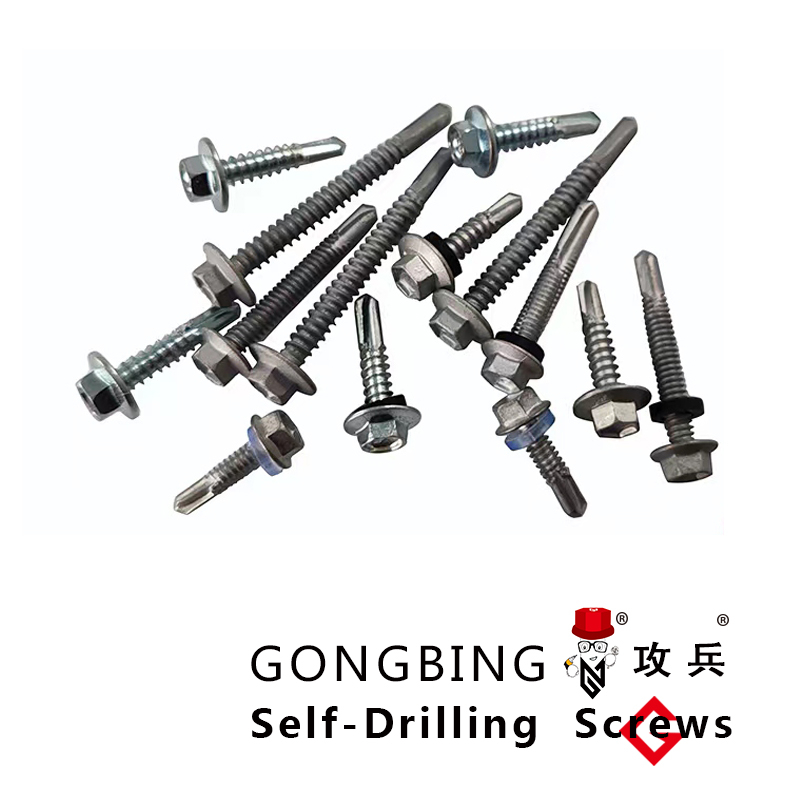
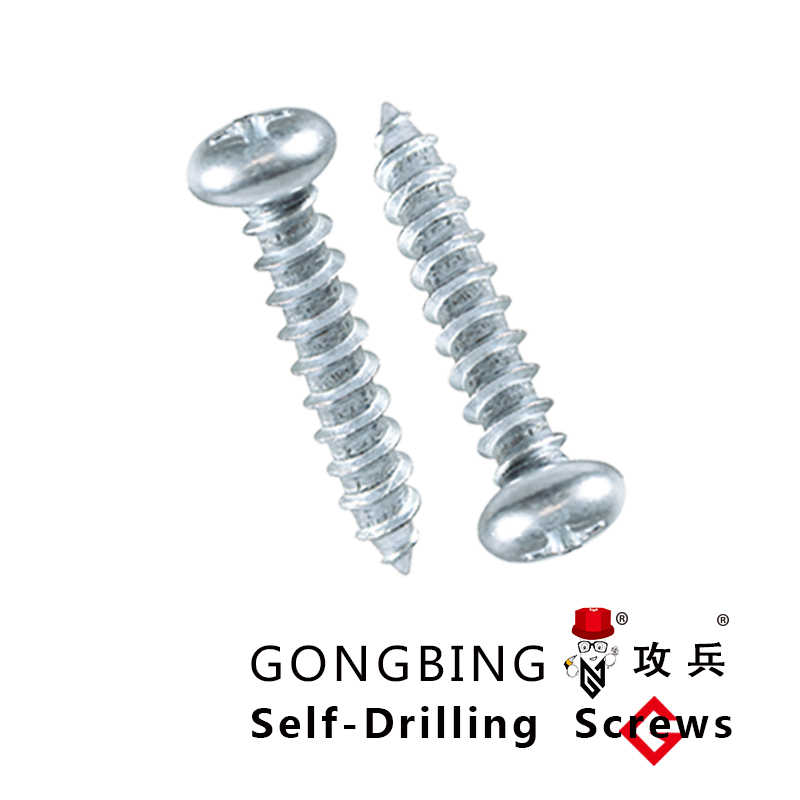
Premium structural fasteners Solutions for Austria's Infrastructure

Engineered for extreme Alpine conditions and high-load architectural requirements across Europe.

Premium structural fasteners Solutions for Austria's Infrastructure

Providing heavy-duty anchoring and fastening systems designed to meet strict Austrian building codes and seismic safety standards.

Fastening Dynamics in Austria's Construction Landscape

Analyzing the demand for precision anchoring in Central Europe's mountainous terrain.

The Austrian construction sector is characterized by a unique blend of historic preservation and cutting-edge alpine engineering. Due to the diverse geological profile, from the limestone of the Alps to the plains of the East, there is a critical reliance on high-performance expansion anchors that can withstand extreme temperature fluctuations and moisture.

In urban centers like Vienna and Salzburg, the renovation of concrete heritage structures requires a specialized bolt in construction approach that minimizes vibration while maximizing load-bearing capacity. This has led to a surge in demand for precision-engineered components that adhere to EU technical approvals (ETA).

Furthermore, the strict environmental regulations in Austria push the industry toward materials that prevent groundwater contamination. This shift has increased the adoption of high-grade stainless steel and advanced expansion anchor plastic hybrids for non-structural but high-durability applications in damp environments.
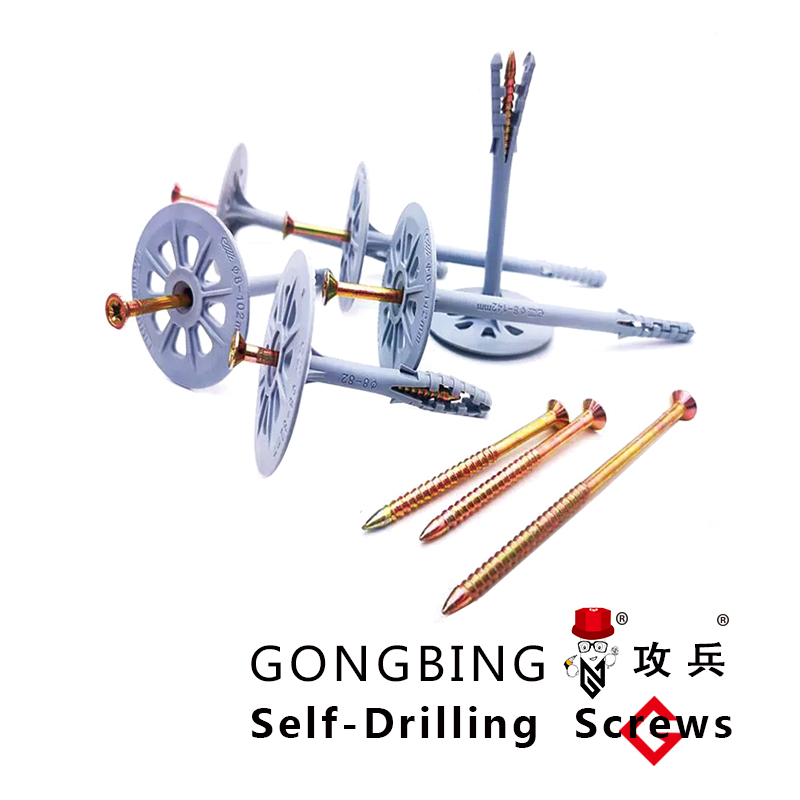
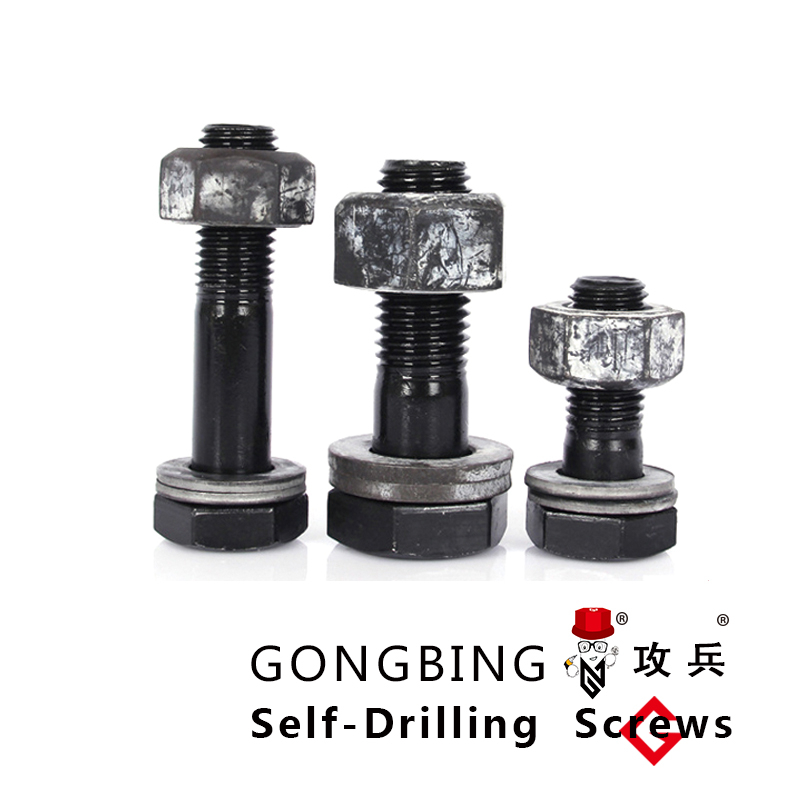
Evolution of Anchoring Technology in Austria

From traditional mechanical wedges to advanced chemical and structural systems.

Market Development History

Historically, the Austrian market relied heavily on basic mechanical wedges and oversized bolts. Throughout the 1980s and 90s, the focus was primarily on raw strength, where the standard concrete expansion bolt became the industry workhorse for industrial warehouses and bridge supports.

By the early 2000s, the transition toward "Smart Fastening" began. The introduction of Eurocodes forced a shift toward calculated load-bearing capacities. This era saw the rise of specialized structural fasteners that could be mathematically modeled for seismic resilience in the Alpine regions.

Since 2015, the integration of hybrid materials has dominated. The industry moved from purely metallic solutions to incorporating polymer-based components, optimizing the use of expansion anchor plastic shells to reduce thermal bridging in energy-efficient building envelopes.

Future Development Trends

Carbon-Neutral Metallurgy

Future trends indicate a shift toward "Green Steel" fasteners, utilizing hydrogen-based reduction processes to meet Austria's aggressive 2030 climate goals.

IoT-Integrated Monitoring

We anticipate the integration of sensors within structural bolts to monitor tension and fatigue in real-time for critical infrastructure like tunnels and dams.

Advanced Composite Anchoring

The move toward high-strength fiber-reinforced polymers will likely replace traditional steel in highly corrosive alpine environments to eliminate oxidation risks.

Strategic Outlook for Fastening Systems

Predicting the trajectory of structural connectivity through 2028.

Seismic Adaptation
Increased demand for fasteners that offer higher ductility and energy absorption for Alpine seismic zones.
Material Hybridization
Combining ultra-high-strength steel with polymer coatings to prevent corrosion in salted winter roads.
Modularization
Shift toward prefabricated structural kits that utilize standardized expansion bolts for rapid assembly.
Digital Twin Integration
Using BIM (Building Information Modeling) to precisely map every structural fastener in a building's lifecycle.

Industry Outlook

Based on current Google search trends in Europe, there is a significant increase in queries regarding "sustainable construction" and "low-carbon materials." For the fastener industry, this translates to a move away from traditional galvanization toward eco-friendly zinc-flake coatings that offer superior protection without toxic by-products.

Furthermore, the push for energy-efficient buildings (Passive House standards) in Austria is driving the innovation of thermal-break fasteners. This ensures that structural connections do not create cold bridges, maintaining internal temperatures and reducing overall energy consumption.

Localized Applications in Austria

Real-world implementation of high-performance fastening systems across diverse Austrian environments.

1. Alpine Tunnel Reinforcement

Utilizing heavy-duty concrete expansion bolt systems to secure rock-fall protection nets and ventilation supports in the Arlberg and Brenner tunnels.

2. Historic Vienna Facade Restoration

Implementing non-invasive structural fasteners to support ornamental elements and signage on heritage buildings without damaging the original masonry.

3. Hydroelectric Dam Anchoring

Employing high-grade stainless steel expansion anchors to secure turbine housing and safety railings against constant water pressure and humidity.

4. Modern Timber-Concrete Hybrid Homes

Using a combination of steel and expansion anchor plastic components to connect sustainable timber frames to reinforced concrete foundations.

5. Ski Resort Infrastructure

Deploying specialized cold-resistant bolt in construction hardware for lift towers and cable car stations that must withstand -30°C temperatures.

Brand Story

Global Development History of Hebei Xizhuo Fastener Co., Ltd.

Industrial Foundations

Established with a mission to solve the critical failure of low-grade fasteners in heavy industrial environments, focusing on metallurgical purity.

Technological Leap

Invested in precision CNC forging and automated heat treatment to ensure every bolt meets international DIN and ISO standards.

European Market Entry

Expanded operations to Europe, tailoring our product line to the rigorous safety and environmental requirements of the EU market.

Innovation Hub

Launched a specialized R&D wing dedicated to hybrid fastening materials and corrosion-resistant coatings for extreme climates.

Global Leadership

Now serving as a trusted partner for infrastructure projects worldwide, delivering reliability through engineering excellence.

Comprehensive Fastening Portfolio for the Austrian Market

A curated selection of high-performance components designed for the Central European construction industry.

Common Inquiries for Fasteners in Austria

Expert answers to technical questions regarding installation and material selection.

How do I choose the right concrete expansion bolt for alpine freeze-thaw cycles?

For areas with frequent freeze-thaw cycles, we recommend stainless steel A4 grade or hot-dip galvanized bolts to prevent stress-corrosion cracking and ensure the expansion sleeve maintains its grip during thermal contraction.

What are the load-bearing advantages of structural fasteners over standard bolts?

Structural fasteners are engineered for higher tensile strength and fatigue resistance, often featuring precision threads and verified load certificates that meet Eurocode 3 standards for structural steelwork.

Are expansion anchors suitable for old concrete in Vienna's historic districts?

Yes, but it is critical to use low-expansion pressure anchors or chemical anchors to avoid splitting aged, brittle concrete. Always perform a pull-out test before full installation.

When should I use an expansion anchor plastic instead of a metal one?

Plastic anchors are ideal for lightweight fixtures, insulation panels, and applications where thermal insulation is priority and structural load is minimal, preventing cold bridges in the wall.

What is the correct installation torque for a bolt in construction application?

Torque depends on the bolt diameter and material grade. We provide a detailed torque table with every shipment to ensure the fastener is tightened to its optimal clamping force without over-stressing the thread.

Do your expansion systems comply with Austrian Oesterreichische Norm (ÖNORM)?

Our products are manufactured to meet and exceed the requirements of ÖNORM and the European Technical Assessment (ETA), ensuring full compliance with local building safety laws.

Consult Our Engineering Team

Get customized fastening specifications and bulk pricing for your next project in Austria.

Contact Us Now

If you are interested in our products, you can choose to leave your information here, and we will be in touch with you shortly.