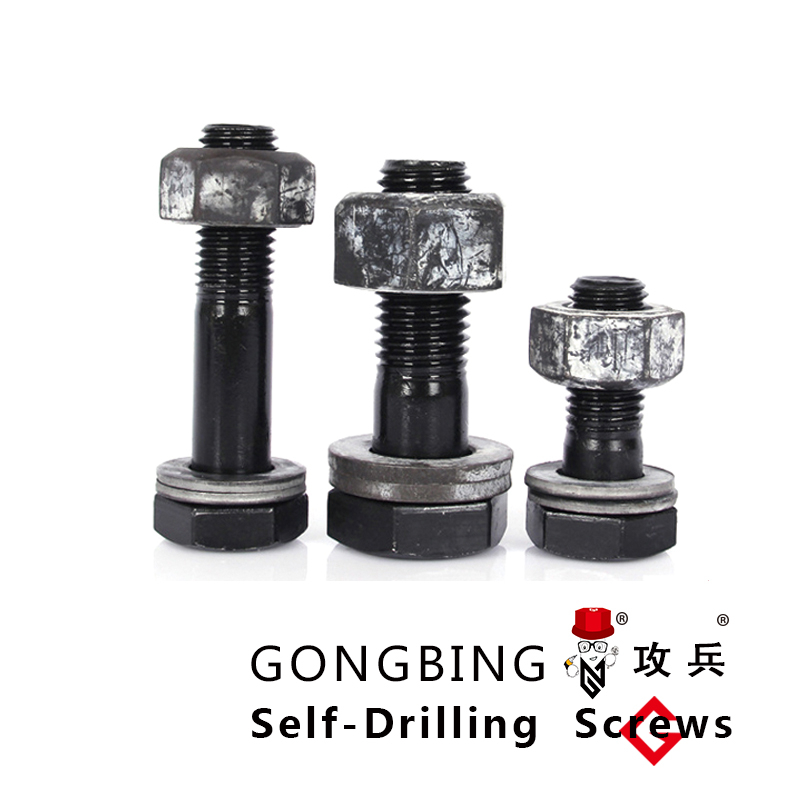
Premium Structural Fasteners Solutions for Italy's Infrastructure

Engineering high-performance fastening systems tailored for the rigorous architectural and industrial standards of the Italian market.

Premium Structural Fasteners Solutions for Italy's Infrastructure

Providing certified, high-load bearing fastening components designed to withstand Italy's unique seismic activities and architectural requirements.

Fastening Industry Landscape in Italy

Analyzing the demand for high-precision anchors in the Mediterranean region.

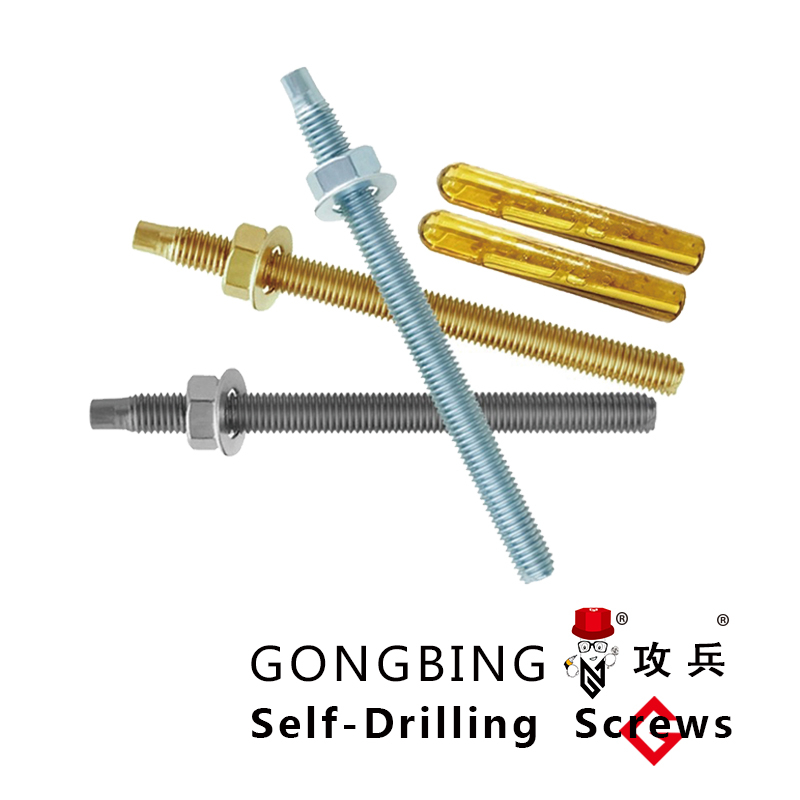
Italy's construction sector is characterized by a blend of ancient heritage preservation and cutting-edge modern infrastructure. This duality creates a significant demand for specialized bolt in construction that can be applied to both historical masonry and reinforced concrete, requiring strict adherence to Eurocode standards.

The geographical reality of Italy, particularly its susceptibility to seismic events in the Apennine region, has shifted the market preference towards high-ductility expansion anchors. Engineers now prioritize systems that maintain structural integrity under dynamic loads and thermal expansion caused by the Mediterranean climate.

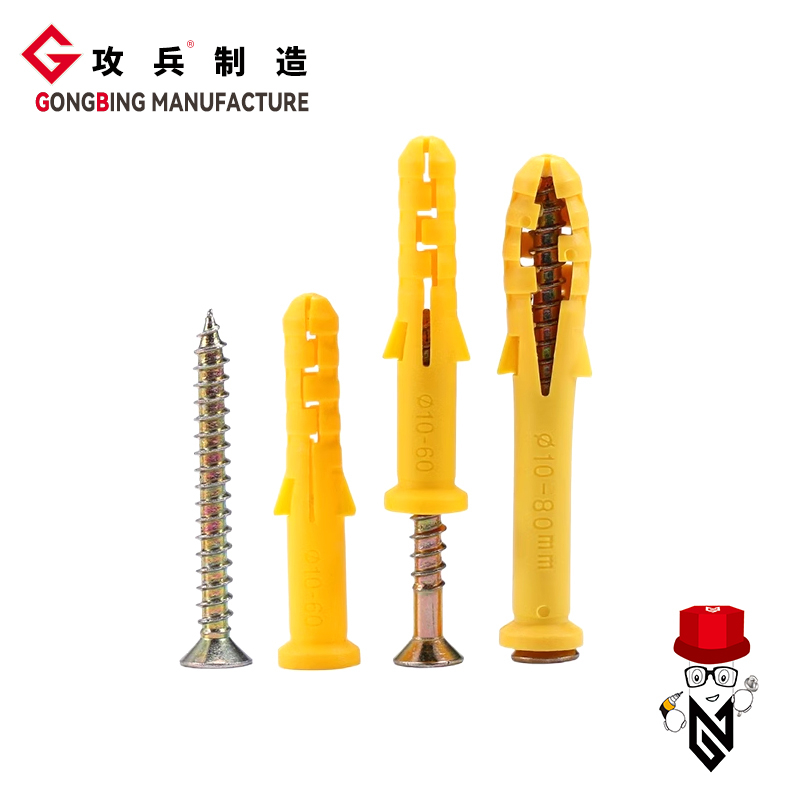
Furthermore, the Italian industrial sector is increasingly integrating sustainable materials. While steel remains dominant for heavy loads, there is a rising trend in using an expansion anchor plastic for lightweight installations and interior finishing to prevent corrosion in humid coastal environments like Venice and Naples.
Evolution of Concrete Fastening Technology

From traditional mechanical wedges to advanced chemical and precision expansion systems.

Market Development History

In the early 20th century, Italian construction relied heavily on manual casting and simple threaded rods. The focus was on sheer mass rather than precision tensioning, leading to limitations in high-rise structural stability.

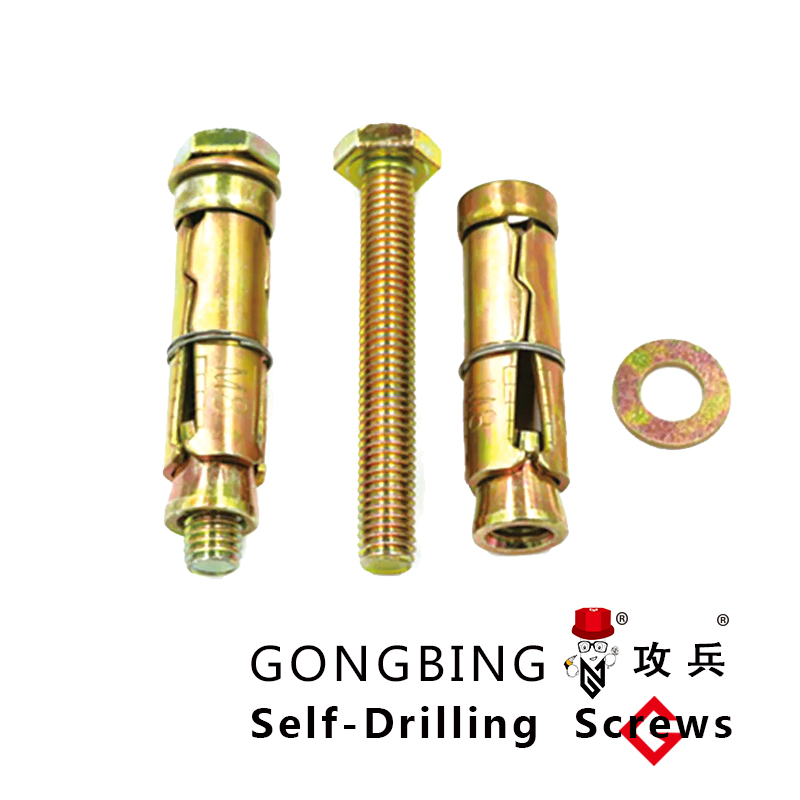
Between 1970 and 2000, the introduction of the standardized concrete expansion bolt revolutionized the industry. This era saw the transition toward mechanical torque-controlled systems, allowing for faster assembly and predictable load capacities in industrial plants across Lombardy.

From 2010 to the present, the focus has shifted toward "Smart Fastening." The integration of high-grade alloy steels and anti-corrosion coatings has enabled fasteners to meet the stringent EAD (European Assessment Document) requirements, ensuring safety in public infrastructure projects.

Future Development Trends

Seismic-Resistant Certification

Future systems will move toward mandatory C1 and C2 seismic category certifications for all structural anchors used in Italy's high-risk zones.

Hybrid Material Integration

We expect a surge in hybrid anchors that combine the strength of steel with the flexibility of polymers to reduce stress concentrations in concrete.

Digital Twin Monitoring

Integration of IoT sensors within large-scale structural fasteners to monitor tension and fatigue in real-time for bridges and tunnels.

Industry Outlook and Future Projections

Strategic forecasting for the Italian fastening market based on Google search trends and EU directives.

Eco-Friendly Materials
Shift towards low-carbon steel and recyclable polymers to meet EU Green Deal standards.
Precision Automation
Adoption of CNC-driven cold forging for tighter tolerances in high-stress anchors.
Corrosion Resistance
Enhanced zinc-nickel and duplex coatings for saline environments in Mediterranean ports.
Modular Fastening
Development of rapid-install anchor kits for prefabricated modular housing trends.

Industry Outlook

Based on search trend data, there is a significant uptick in queries regarding "non-invasive structural fastening" in Italy, suggesting a shift towards chemical anchors and low-stress expansion systems that preserve the concrete base.

The future 3-5 years will see a convergence of materials science and structural engineering, where fasteners are no longer passive components but active elements of the building's safety system, fully integrated into BIM (Building Information Modeling) workflows.

Localized Applications in Italy

Real-world deployment of high-performance fastening systems across Italian landscapes.

01. Seismic Retrofitting in Tuscany

Using heavy-duty structural fasteners to reinforce historical stone structures and masonry against seismic shifts, ensuring cultural heritage preservation.

02. Industrial Warehousing in Lombardy

Mass installation of concrete expansion bolt systems for heavy machinery anchoring in the manufacturing hubs of Milan and Bergamo.

03. Coastal Infrastructure in Sicily

Applying high-grade stainless steel expansion anchors for sea walls and port facilities to combat extreme salinity and humidity.

04. Modern Interior Fit-outs in Rome

Utilization of expansion anchor plastic for lightweight HVAC and lighting installations in commercial office spaces without damaging reinforced slabs.

05. Bridge Decking in Veneto

Implementing high-tensile bolt in construction for the assembly of modular steel bridges over the Venetian lagoons.

Brand Story

Global Development Journey of Hebei Xizhuo Fastener Co., Ltd.

Foundation of Excellence

Started with a commitment to solving the problem of fastener fatigue in heavy construction, focusing on metallurgy and precision threading.

Technological Breakthrough

Invested in advanced cold-heading technology, enabling the production of anchors with higher shear strength and consistency.

European Expansion

Established strategic partnerships in Italy and Germany to align our production with strict EU structural safety standards.

Certification Milestone

Achieved comprehensive ISO and CE certifications, ensuring our fasteners are trusted in critical infrastructure worldwide.

Sustainable Future

Currently pivoting towards green manufacturing processes to provide carbon-neutral fastening solutions for the next generation.

Italian Construction Fastening FAQ

Technical answers for engineers and contractors in Italy.

How to choose the right concrete expansion bolt for seismic zones in Italy?

For seismic zones, you must select bolts with a C2 classification. These are designed to perform under cyclic loading, preventing brittle failure during tectonic shifts.

What are the advantages of structural fasteners over traditional welding?

Structural fasteners allow for faster installation, easier maintenance, and avoid the thermal stress and potential material degradation caused by welding on high-grade steel.

Can expansion anchors be used in historical masonry in Rome?

It is recommended to use chemical anchors or specialized low-expansion systems to avoid cracking ancient bricks; however, reinforced masonry can support specific mechanical anchors.

When should I use an expansion anchor plastic instead of steel?

Plastic anchors are ideal for light-duty applications, such as mounting panels or piping, where corrosion resistance is more critical than load-bearing capacity.

What is the standard installation torque for a bolt in construction?

Torque varies by diameter and grade; always refer to the technical data sheet and use a calibrated torque wrench to ensure the anchor reaches its specified load capacity.

How does the Mediterranean climate affect expansion anchors?

High humidity and salt air can accelerate oxidation. We recommend using A4 stainless steel or Hot-Dip Galvanized coatings for all exterior installations in coastal Italy.

Get Expert Technical Support

Contact our engineering team for customized fastening solutions tailored to the specific building codes of Italy.

Contact Us Now

If you are interested in our products, you can choose to leave your information here, and we will be in touch with you shortly.