In the demanding world of modern construction and industrial assembly, the need for secure fastening in hollow substrates has led to the evolution of highly specialized hardware. Among these, self drilling toggle anchors stand out as a critical innovation, combining the penetration power of a drill bit with the structural grip of a toggle bolt. By eliminating the need for pre-drilling, these components drastically reduce installation time while providing exceptional pull-out resistance in drywall, ceilings, and thin metal sheets.
From a global perspective, the efficiency of infrastructure projects often hinges on the quality of the smallest components. The adoption of self drilling toggle anchors has revolutionized how contractors approach overhead installations and wall-mounted systems. By integrating the drilling and anchoring phases into a single operation, industries are seeing a measurable decrease in labor costs and a significant reduction in the risk of substrate damage caused by incorrectly sized pilot holes.
Understanding the mechanics and application of these fasteners is not merely a technical requirement but a strategic advantage for those seeking longevity and safety in their builds. Whether used in commercial office fit-outs or heavy-duty industrial shelving, the reliability of a toggle system determines the overall integrity of the installation. This guide explores the intricate balance of material science and engineering that makes these anchors an indispensable tool in the contemporary fastener toolkit.
Global Relevance and Industry Context of Self Drilling Toggle Anchors
The global construction market has seen a shift toward lightweight, hollow-core materials to increase energy efficiency and reduce building weight. However, this shift created a challenge: how to securely fasten heavy loads to materials that lack internal density. According to ISO standards for mechanical fasteners, the pull-out strength of a fastener is directly proportional to its contact area with the substrate. self drilling toggle anchors solve this by expanding once inside the cavity, distributing the load across a wider surface area.
In regions experiencing rapid urbanization, such as Southeast Asia and North America, the demand for rapid-deployment interior systems has skyrocketed. The ability of these anchors to bypass the pre-drilling phase aligns with the industry's move toward "Lean Construction," where waste—both in time and material—is minimized. By reducing the tool-change cycle on a job site, contractors can complete installations up to 30% faster than with traditional toggle bolts.
Defining the Mechanics of Self Drilling Toggle Anchors
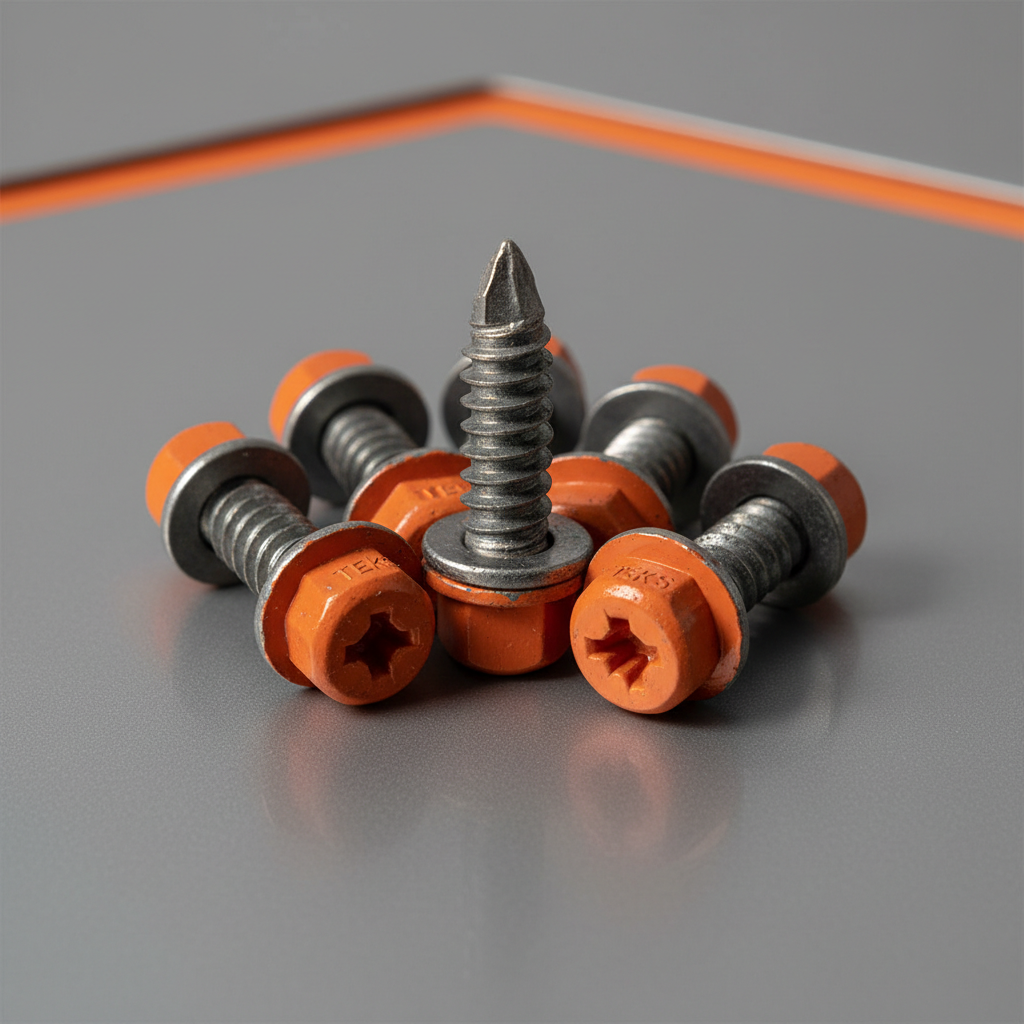
At its core, self drilling toggle anchors are a hybrid fastening solution. They feature a specialized drill-point tip that allows the fastener to pierce through gypsum, fiber cement, or thin-gauge steel without a pilot hole. Once the body of the anchor penetrates the hollow space behind the wall, a spring-loaded or folding "toggle" mechanism deploys, locking the fastener firmly against the backside of the substrate.
This design addresses a critical humanitarian and industrial need: the creation of safe, stable environments in temporary or rapidly constructed housing. In disaster-relief scenarios where modular walls are used, these anchors allow for the quick installation of essential lighting, shelving, and medical equipment without the need for heavy power tools that may not be available in remote zones.
Unlike standard plastic expansion plugs, which rely on friction and can easily strip the hole in soft materials, the toggle mechanism creates a physical barrier. This means that even if the material around the entry point is slightly compromised, the anchor remains secure because its primary support is located behind the wall, ensuring a level of safety and trust in the installation.
Core Components for Maximum Load Bearing
The efficacy of self drilling toggle anchors depends on four primary factors: material grade, drill tip geometry, toggle expansion range, and thread precision. High-carbon steel or zinc-plated alloys are typically used to ensure that the drill tip does not dull prematurely when encountering harder materials like metal studs.
The "toggle" itself is the engine of the fastener. Whether it is a folding wing or a spring-loaded sleeve, its ability to open fully and sit flat against the interior wall is what prevents the anchor from pulling through. This scalability allows the same general design to be adapted for different wall thicknesses, making it a versatile choice for varying industrial specifications.
Cost efficiency is achieved not just in the price of the unit, but in the reduction of "installation fatigue." By optimizing the thread pitch, these anchors can be driven in with minimal torque, reducing the likelihood of "spinning" the anchor in the wall, which is a common failure point in lower-quality fastening systems.
Global Applications and Real-World Use Cases
In the commercial sector, self drilling toggle anchors are the gold standard for installing HVAC ducting and suspended ceiling grids in office complexes. In regions like Europe, where strict building codes demand high seismic resistance, the mechanical lock of a toggle anchor provides a level of reliability that chemical adhesives or friction-fit screws cannot match.
Beyond commercial use, these fasteners are critical in remote industrial zones, such as mining camps or offshore platforms. In these environments, where workers often operate in restrictive gear and limited space, the "drill-and-set" capability allows for the rapid securing of safety signage and equipment racks without the need for a multi-step drilling process.
Comparative Performance of Fastening Methods
Long-Term Value and Structural Advantages
The true value of self drilling toggle anchors lies in their long-term structural stability. Unlike friction-based fasteners that can loosen over time due to thermal expansion and contraction (especially in metal studs), the toggle mechanism remains locked in place. This provides a permanent solution that minimizes the need for maintenance or re-tightening, which is essential for high-traffic commercial environments.
From an emotional and psychological standpoint, safety is paramount. When an engineer specifies a toggle system, they are investing in the dignity and safety of the end-user. Knowing that a heavy wall-mounted monitor or a piece of medical equipment is secured by a mechanical lock rather than a plastic plug creates a foundation of trust and professional reliability in the finished project.
Future Trends in Fastener Innovation
The future of self drilling toggle anchors is moving toward "Green Fastening." We are seeing the introduction of sustainable coatings that replace traditional hexavalent chromium, reducing the environmental impact of the manufacturing process. Additionally, the integration of lightweight composite materials is allowing for anchors that maintain high strength while reducing the overall carbon footprint of the building.
Digital transformation is also playing a role. Smart-fastening tools are now being developed that can sense the exact moment a toggle has deployed and reached its optimal torque, feeding this data back to a central project management system. This ensures 100% quality control across massive construction sites, eliminating human error in the installation process.
Furthermore, the rise of modular and prefabricated construction means that fasteners must be designed for "disassembly" as much as "assembly." Future iterations of these anchors may feature reversible mechanisms that allow them to be removed without destroying the wall substrate, promoting a circular economy in the construction industry.
Overcoming Implementation Challenges
Despite their advantages, the use of self drilling toggle anchors is not without challenges. One common issue is the "void space" requirement; if the cavity behind the wall is too shallow, the toggle cannot deploy fully, leading to a failure in load bearing. Expert installers overcome this by using depth-gauges or ultrasonic sensors to verify the cavity depth before installation.
Another limitation is the risk of over-torquing, which can strip the threads of the anchor head. To solve this, the industry is shifting toward the use of calibrated torque drivers. By adhering to the manufacturer's specified Newton-meters (Nm), contractors can ensure the anchor is tight enough to be secure but not so tight that the structural integrity of the fastener is compromised.
Finally, selecting the wrong material for the substrate can lead to premature failure. Using a zinc-plated anchor in a high-salinity coastal environment can lead to corrosion. The solution lies in upgrading to stainless steel (A2 or A4 grade) versions of the toggle anchor, ensuring that the fastener lasts as long as the building itself.
Technical Comparison of Self Drilling Toggle Anchor Specifications
|
Anchor Material
|
Substrate Compatibility
|
Pull-out Strength (Score 1-10)
|
Installation Speed (Score 1-10)
|
| Carbon Steel (Zinc) |
Drywall / Light Metal |
7 |
10 |
| Stainless Steel A2 |
Drywall / Damp Areas |
9 |
8 |
| Stainless Steel A4 |
Marine / Chemical Plant |
10 |
8 |
| Alloy Steel |
Heavy Gauge Metal |
8 |
7 |
| Galvanized Steel |
Outdoor Siding |
7 |
9 |
| Composite Hybrid |
Eco-Boards / Fiber |
6 |
10 |
FAQS
Standard plastic anchors rely on friction against the sides of a hole, which can easily fail in crumbly materials like drywall. In contrast, self drilling toggle anchors use a mechanical wing that opens behind the wall, distributing the load across a larger surface area. This prevents the fastener from pulling through the wall and provides significantly higher weight capacity, especially for overhead applications.
Correct. The "self-drilling" aspect means the tip is engineered as a cutting tool. When driven with a screwdriver or power drill, it bores its own hole through the substrate. This eliminates the need to match a drill bit size to the anchor size, which reduces installation time and removes the risk of drilling a hole that is too large for the anchor to grip.
No. These anchors are specifically designed for hollow substrates (drywall, hollow bricks, or metal studs). Because they require a cavity for the toggle mechanism to deploy and open, they will not work in solid concrete. For solid masonry, we recommend using expansion bolts or chemical anchors specifically rated for solid materials.
You will typically feel a slight "pop" or a change in resistance as the fastener passes through the wall and the toggle wings snap open. Once you begin tightening the screw, the tension will increase steadily. If the screw spins freely without tightening, the toggle may have failed to deploy or the substrate may have collapsed.
Yes. While zinc-plated carbon steel is standard for indoor use, we offer stainless steel (Grade 304/316) versions for kitchens, bathrooms, or outdoor installations. These materials resist oxidation and salt-spray corrosion, ensuring that the toggle mechanism does not seize or rust over time, which is critical for maintaining structural safety.
The load capacity varies based on the diameter of the anchor and the thickness of the wall. Generally, they can hold significantly more than plastic plugs, often ranging from 20kg to over 50kg in standard 12.5mm drywall. However, always refer to the technical data sheet for the specific product to ensure the safety factor of your installation.
Conclusion
In summary, self drilling toggle anchors represent a sophisticated synthesis of efficiency and strength. By combining a drilling tip with a mechanical toggle, they address the most common failures associated with hollow-wall fastening—namely, installation error and pull-out failure. From the reduction of labor costs to the assurance of long-term structural integrity, these fasteners provide a reliable solution for a wide array of industrial and commercial applications.
As the construction industry continues to embrace lightweight materials and rapid-build methodologies, the importance of high-performance fasteners will only grow. We recommend that engineers and contractors prioritize the use of graded materials and calibrated installation tools to maximize the lifespan of these components. For those seeking the highest standards in fastening technology, exploring specialized options tailored to your specific substrate is the best path toward a safe and durable build. Visit our website: www.hbxzfastener.com