Honestly, the building material scene is changing fast. Everyone's talking about prefabrication, modular construction, and, of course, getting things done faster. But speed isn't everything, right? I've seen too many shortcuts lead to headaches down the line. It all boils down to getting reliable fasteners. Lately, it's been all about bulk tek screws. Seems simple, but there's a lot under the hood.
Have you noticed how everything's going lighter? Composites, thinner steel... It means fasteners need to work harder, grip better. Forget just slapping something together; it's about engineered connections. And let me tell you, getting that engineering right is the difference between a building standing for decades and… well, not. The pressure is on to find screws that can handle the load, the vibration, the whole shebang.
It's not just about building bigger and faster, either. People are demanding more customization. Different finishes, different head styles, even different materials. Used to be, you took what you got. Now? You gotta be able to offer options. And that’s where sourcing the right bulk tek screws becomes critical.
The Current Landscape of bulk tek screws
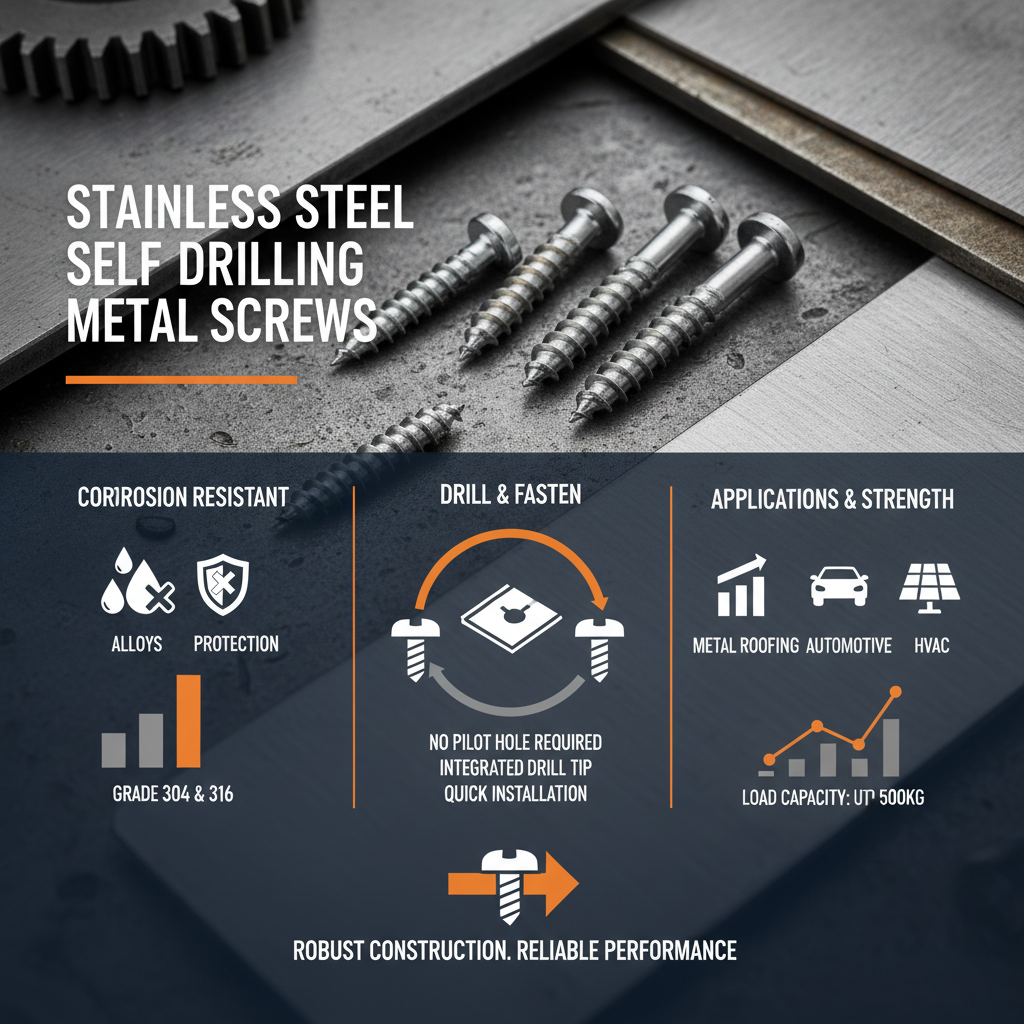
To be honest, the biggest shift I've seen is the demand for self-drilling screws. Especially bulk tek screws. Less pre-drilling means faster installation, and on a busy site, that's gold. But it’s not magic, you know? The quality of the drill point matters hugely. I encountered a batch last year at a solar panel installation – the points were dull within, like, twenty screws. A nightmare.
Strangely, there’s also a renewed interest in corrosion resistance. With all the coastal construction happening, everyone's worried about salt spray. Stainless steel is the obvious answer, but even that has its grades. 304? 316? Makes a difference. And the coatings – ceramic, zinc, whatever – they all have their limits.
Design Pitfalls and Common Mistakes
I've seen a lot of designers underestimate the holding power needed for certain materials. They'll spec a screw that looks right on paper, but fails under stress. That's where experience comes in. You gotta know what works, what doesn't. And don't even get me started on screw length! Too short, and you’re relying on thread engagement in weak material. Too long, and you risk poking through the other side. It sounds basic, but you'd be surprised.
Another thing: head style. Bugle heads are great for drywall, but they're not ideal for everything. Flat heads, pan heads, truss heads – each has its application. And the drive type? Phillips, square drive (Robertson), Torx… Torx is my preference, by the way. Less cam-out, more torque. It’s just… better.
The biggest mistake? Trying to save a few pennies on fasteners. It always comes back to haunt you. Always.
Material Properties and On-Site Handling
Carbon steel bulk tek screws are the workhorses, obviously. Good strength, relatively cheap. But they rust, and they rust quickly if exposed to the elements. You can smell the metal, it’s faint, but it's there if you've handled enough of them. Stainless steel… feels different. Smoother, colder. More expensive, of course.
Handling these things day in and day out, you learn to appreciate the little details. A good coating makes a huge difference – a proper zinc plating, or even a ceramic coating. They just feel more robust, more protected. You can tell the quality by how easily they thread into the material, how cleanly they drill. A cheap screw will bind, strip, and generally make your life miserable.
And don't underestimate the importance of storage. Keep them dry! A damp box of screws is a recipe for disaster. Rust will spread, and before you know it, your whole batch is ruined. I once lost a whole pallet of screws because of a leaky roof. Don't ask.
Real-World Testing and Performance
Lab tests are fine, but they don't tell the whole story. I want to see these bulk tek screws in action. I want to see them withstand vibration, impact, and extreme temperatures. We do a lot of pull-out tests on site, just to verify the holding power in the specific materials we’re using. Simple, but effective.
We also run simple fatigue tests. Tighten and loosen, tighten and loosen, see how long it takes for the head to strip. It's not scientific, but it gives you a good sense of the screw's durability. And I always keep a few screws from each batch to test after a week on site. How's the corrosion holding up? Any heads snapping? It's about knowing what you're actually getting.
Performance Metrics for Different bulk tek screws
User Behavior and Unexpected Applications
You think you know how people will use a screw, but you’re often wrong. I’ve seen guys use bulk tek screws as makeshift shims, as temporary anchors, even as… well, let’s not go there. They improvise, they adapt. It’s what they do.
What surprises me is how often people underestimate the importance of proper installation. They overtighten, stripping the threads. They use the wrong drill speed, damaging the head. It's frustrating, but it's part of the job.
Advantages, Disadvantages, and the Balancing Act
The biggest advantage of bulk tek screws is speed. No pre-drilling saves a ton of time. They’re also relatively easy to use, even for inexperienced workers. But they're not a magic bullet. The downside? They can be brittle, especially the cheaper ones. And they're not ideal for all materials. Trying to drive them into thick steel is just asking for trouble.
It’s a balancing act. You want speed and convenience, but you also need reliability. You want cost-effectiveness, but you can't sacrifice quality. It’s about finding the right screw for the right application, and knowing when to spend a little more to get a better product.
Anyway, I think a lot of people get caught up in the marketing hype. "Self-drilling! High strength! Corrosion resistant!" It’s all just words until it actually performs on the job site.
Customization Options and Case Studies
We had a client last month, a small boss in Shenzhen making smart home devices. He insisted on changing the screw interface to – yes, like the phone charger! Said it would make it easier for consumers to disassemble and repair the devices. It was… a choice. The result? Manufacturing became a nightmare. The screws were more expensive, harder to source, and required special tooling. He learned his lesson.
But customization can be valuable. We did a project for a furniture manufacturer who needed screws with a specific head profile to match their designs. It added a bit to the cost, but it made a huge difference in the final product.
Ultimately, it's about understanding the customer's needs and finding a solution that works for them. Sometimes that means sticking with standard bulk tek screws, and sometimes it means going the extra mile.
Summarizing Key Performance Indicators for bulk tek screws
| Screw Type |
Material Strength (MPa) |
Corrosion Resistance (Rating 1-5) |
Installation Speed (Seconds/Screw) |
| Carbon Steel |
600 |
2 |
3 |
| Stainless Steel 304 |
500 |
4 |
4 |
| Stainless Steel 316 |
520 |
5 |
4.5 |
| Ceramic Coated |
650 |
3 |
3.5 |
| Zinc Plated |
580 |
3 |
3 |
| Self-Drilling High Strength |
700 |
2.5 |
2.5 |
FAQS
The main difference lies in the drill point. Type 17 screws have a smaller drill point and are ideal for thinner materials like sheet metal. Type 25 screws feature a larger drill point, making them better suited for thicker gauge materials and provide faster penetration. Choosing the right type avoids stripping the screw and damaging the material. It’s all about matching the screw to the job, honestly.
Stripping happens when you apply too much torque or use the wrong screw for the material. Reduce the drill speed, apply even pressure, and ensure you’re using a screw specifically designed for brittle materials, like a self-drilling screw with a specialized thread pattern. Also, pre-drilling a pilot hole – even a small one – can help guide the screw and prevent it from wandering. Believe me, a little prep work saves a lot of headaches.
Keep them dry! Seriously. Store screws in a sealed container, preferably with a desiccant packet to absorb moisture. Avoid storing them in damp basements or garages. If you notice any rust forming, discard the affected screws. It's not worth risking the integrity of your project. And don't leave the bag open on the job site!
You can use a standard drill, but a dedicated impact driver is highly recommended. Impact drivers provide more controlled torque and reduce the risk of stripping the screw head. Using a clutch setting on your drill is also a good practice to prevent overtightening. I’ve seen too many guys just floor it with a drill and then wonder why their screws are messed up.
Not necessarily. Stainless steel offers superior corrosion resistance, but it’s also more expensive and can be softer than carbon steel. If corrosion isn't a major concern, carbon steel screws can be a perfectly viable option. It really depends on the application and your budget. Don’t always fall for the hype.
Several things can cause this: overtightening, using a screw with insufficient strength for the application, or using a damaged screw. Always ensure you're using the correct screw for the material and application, and avoid applying excessive force. Inspect screws before use for any signs of damage, like cracks or deformities. A broken screw is a bad day.
Conclusion
So, what does it all boil down to? Bulk tek screws aren’t glamorous, but they’re the backbone of a lot of construction. Getting the right screw, understanding its limitations, and using it properly can save you time, money, and a whole lot of frustration. It’s about knowing your materials, understanding the forces at play, and choosing a fastener that can handle the job.
Ultimately, whether this thing works or not, the worker will know the moment he tightens the screw. Don't underestimate the importance of a solid connection, and don’t be afraid to ask questions. And for goodness sake, keep your screws dry! You can find quality bulk tek screws and expert advice at hbxzfastener.com.