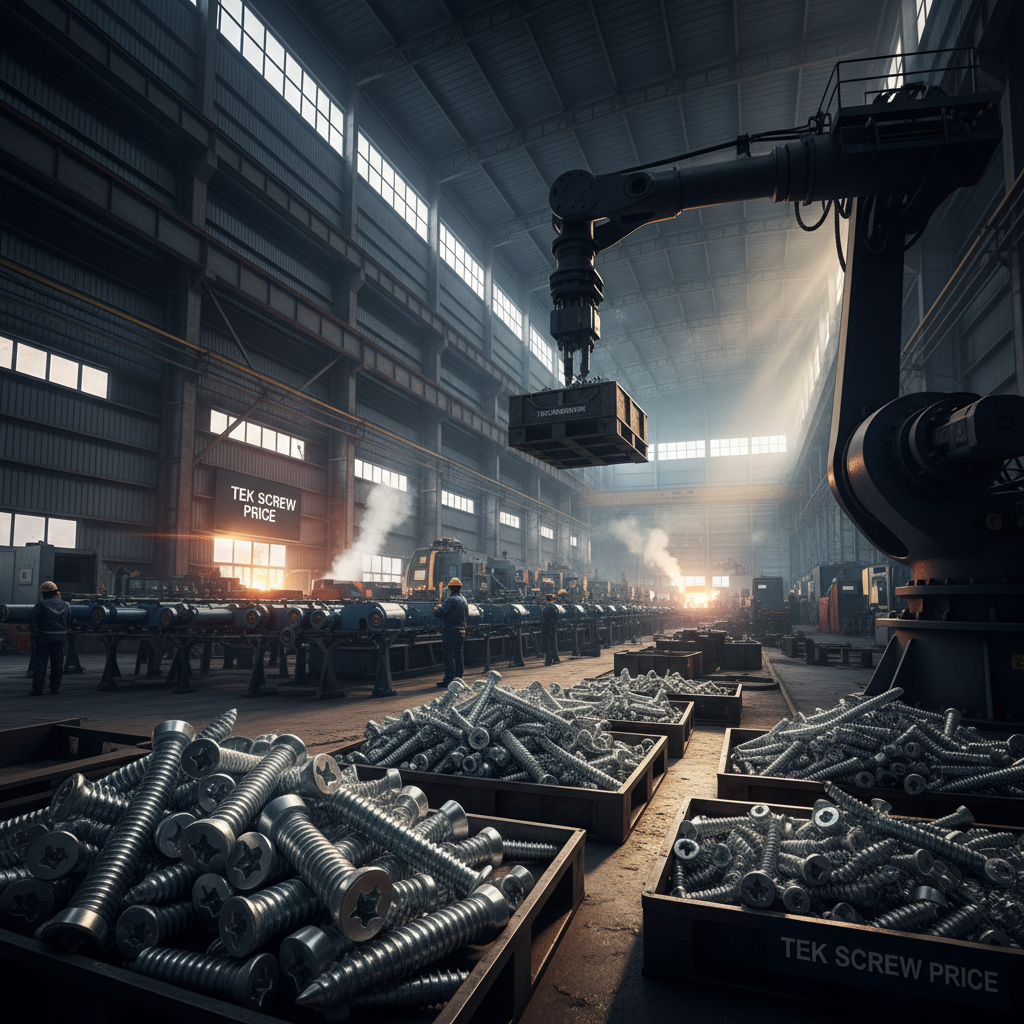
In the demanding world of industrial fastening, the demand for high-performance hardware has led to the widespread adoption of self drilling screws stainless. These specialized fasteners eliminate the need for pre-drilling, combining the functions of a drill bit and a screw into a single component, which significantly accelerates assembly times in metal-to-metal applications.
The global shift toward sustainable and corrosion-resistant infrastructure has placed self drilling screws stainless at the forefront of architectural and industrial engineering. By utilizing stainless steel alloys, these fasteners ensure that structural integrity is maintained even in the most aggressive environments, from coastal salt spray to chemical processing plants.
Understanding the nuances of these fasteners is not merely a technical requirement but a commercial advantage. Choosing the right grade of self drilling screws stainless can reduce long-term maintenance costs, ensure worker safety, and improve the overall lifecycle of a project, making them an indispensable asset in modern manufacturing.
Global Relevance of Self Drilling Screws Stainless
On a global scale, the construction and automotive industries are under immense pressure to increase efficiency while reducing waste. The integration of self drilling screws stainless has addressed the critical challenge of labor-intensive installation processes. According to ISO standards for corrosion resistance, stainless steel fasteners provide a significant leap in longevity compared to carbon steel, especially in humid or saline environments.
The economic impact is substantial; by removing the pre-drilling step, companies can reduce installation time by up to 30%. This efficiency is crucial in large-scale industrial projects where thousands of fasteners are required, making self drilling screws stainless a strategic choice for engineers aiming to optimize project timelines and operational budgets.
Defining Self Drilling Screws Stainless in Modern Industry
In simple technical terms, self drilling screws stainless are high-performance fasteners that feature a drill-shaped point, allowing them to penetrate metal sheets and create their own threaded hole in one continuous motion. Unlike traditional self-tapping screws, which require a pilot hole, these components are engineered for speed and precision, utilizing advanced alloys that prevent galling and seizure during installation.
Within the context of modern industry, these fasteners are more than just hardware; they are facilitators of modular construction. As the world moves toward prefabricated buildings and rapid-deployment infrastructure, the ability to secure heavy-duty metal components quickly and securely is paramount. This makes self drilling screws stainless a cornerstone of contemporary structural engineering.
Furthermore, the "stainless" aspect refers to the chromium-nickel composition of the steel, which forms a passive layer of chromium oxide. This layer protects the fastener from oxidation, ensuring that the connection remains secure for decades without the need for frequent replacements or expensive anti-corrosive coatings, aligning perfectly with the global push for sustainable building materials.
Core Components of Fastener Durability
The effectiveness of self drilling screws stainless relies heavily on the precision of the drill point geometry. A well-engineered point ensures that the screw enters the material perpendicularly and clears chips efficiently, preventing the fastener from snapping under high torque.
Material grade is the second pillar of durability. Whether utilizing Grade 304 for general corrosion resistance or Grade 316 for marine-grade protection, self drilling screws stainless provide a chemical barrier that resists chloride-induced pitting and atmospheric pollution.
Finally, the thread design plays a critical role in load distribution. The sharp, precise threads of self drilling screws stainless ensure a tight grip on the substrate, minimizing vibration looseness and maintaining a high pull-out strength, which is essential for heavy-duty industrial functions.
Performance Metrics and Cost Efficiency
When evaluating the total cost of ownership, self drilling screws stainless often prove more economical than cheaper carbon steel alternatives. While the initial purchase price may be higher, the elimination of secondary coatings and the reduction in replacement frequency lead to significant long-term savings.
From a performance perspective, the synergy between high tensile strength and corrosion resistance allows these fasteners to be used in thinner gauge metals without compromising the structural integrity of the joint, optimizing material usage across the entire project.
Comparative Performance of Stainless Fastening Methods
Global Applications and Use Cases
In the realm of renewable energy, self drilling screws stainless are extensively used in the installation of solar panel racking systems. Given that these systems are exposed to the elements for 25+ years, the corrosion resistance of stainless steel is non-negotiable to prevent structural failure.
Similarly, in remote industrial zones or post-disaster relief operations, where time and tools are limited, the use of self drilling screws stainless allows for the rapid assembly of temporary shelters and modular clinics, providing immediate safety and dignity to affected populations through fast, reliable fastening.
Long-Term Value and Reliability
The long-term value of self drilling screws stainless is rooted in the concept of "install and forget." By eliminating the risk of rust streaks and joint degradation, these fasteners maintain the aesthetic and structural quality of a building, which is particularly important for high-end commercial facades and food-grade processing facilities.
Beyond the physical properties, there is an emotional angle of trust. Engineers and contractors rely on the consistency of these fasteners to ensure that their structures will not fail under unforeseen stress. This reliability fosters innovation, as architects can design more daring structures knowing the fastening systems are robust.
Furthermore, from a sustainability perspective, the longevity of self drilling screws stainless reduces the carbon footprint associated with repeated maintenance and replacement cycles, making them a greener choice for the planet.
Future Innovations in Stainless Fastening
The future of self drilling screws stainless is being shaped by advances in material science, including the development of nano-coatings that further reduce friction during the drilling process. This will allow for even faster installation speeds and lower the torque requirements for power tools, reducing worker fatigue.
Automation and digital transformation are also playing a role. Robotic assembly lines are now being optimized to handle self drilling screws stainless with extreme precision, ensuring that every fastener is driven to the exact required tension, thereby eliminating human error in critical industrial applications.
As we move toward a circular economy, the focus is shifting toward the recyclability of these materials. Since stainless steel is highly recyclable, self drilling screws stainless fit perfectly into a lifecycle where materials are recovered and repurposed without loss of quality.
Analysis of Stainless Fastener Performance Across Different Environments
| Environment Type |
Corrosion Risk |
Recommended Grade |
Reliability Score (1-10) |
| Coastal/Marine |
Extreme (Salt) |
SS 316 |
10 |
| Industrial Plant |
High (Chemicals) |
SS 316 / 304 |
9 |
| Urban Residential |
Moderate (Smog) |
SS 304 |
8 |
| Indoor HVAC |
Low (Moisture) |
SS 304 |
9 |
| Agricultural Sheds |
Moderate (Ammonia) |
SS 304 / 316 |
8 |
| Cold Storage |
Low (Condensation) |
SS 304 |
10 |
FAQS
The primary difference lies in the tip. self drilling screws stainless have a drill-shaped point that cuts through metal, eliminating the need for a pilot hole. Self-tapping screws have a pointed tip that displaces material and require a pre-drilled hole to avoid splitting or stripping the material. For maximum efficiency in metal assembly, self-drilling is the preferred choice.
Yes, provided the correct drill point length and material grade are selected. Different "points" (e.g., Point 3 or Point 5) are designed for varying thicknesses of steel. It is essential to ensure the drill point is long enough to penetrate the material and allow the threads to engage fully for a secure hold.
For marine environments, SS 316 is significantly better. It contains molybdenum, which specifically protects self drilling screws stainless from pitting corrosion caused by chlorides in salt water. While SS 304 is excellent for most applications, SS 316 is the industry standard for coastal and offshore installations.
Stainless steel is prone to galling (cold welding) due to its surface oxide layer. However, high-quality self drilling screws stainless often utilize specialized heat treatments or lubricants to minimize this risk. Using the correct driver speed and torque prevents excessive heat buildup, further reducing galling.
While primarily engineered for metal-to-metal or metal-to-wood applications, self drilling screws stainless can be used in heavy woodworking projects, particularly when anchoring wood to metal frames. However, for pure wood-to-wood joints, traditional wood screws are usually more appropriate for splitting prevention.
Over-tightening can strip the threads or snap the head. The best approach is to use a torque-controlled screwdriver or a clutch-setting drill. Since self drilling screws stainless create their own threads, once the head seats firmly against the surface, additional torque provides no extra benefit and only increases the risk of failure.
Conclusion
In summary, self drilling screws stainless represent the perfect intersection of material science and mechanical efficiency. By combining the ability to drill and fasten in one step with the unparalleled corrosion resistance of stainless steel, these components solve the dual challenges of labor costs and long-term structural decay. From solar farms to modular housing, their impact on industrial productivity is undeniable.
Looking ahead, the continued evolution of alloys and automated installation will only further cement the role of self drilling screws stainless in the global infrastructure landscape. We recommend that engineers and procurement officers prioritize grade-specific selection (304 vs 316) to maximize the lifecycle of their projects. For premium fastening solutions that ensure safety and durability, visit our website: www.hbxzfastener.com.