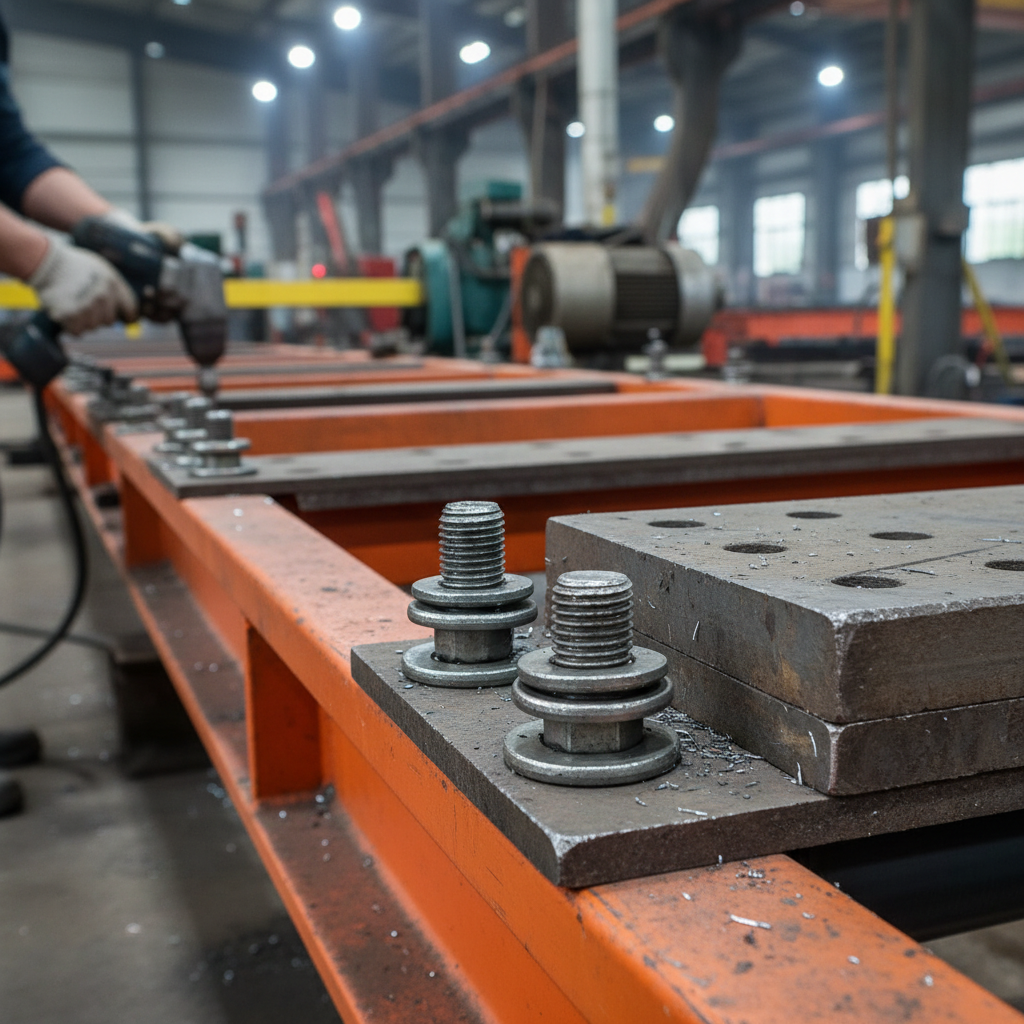
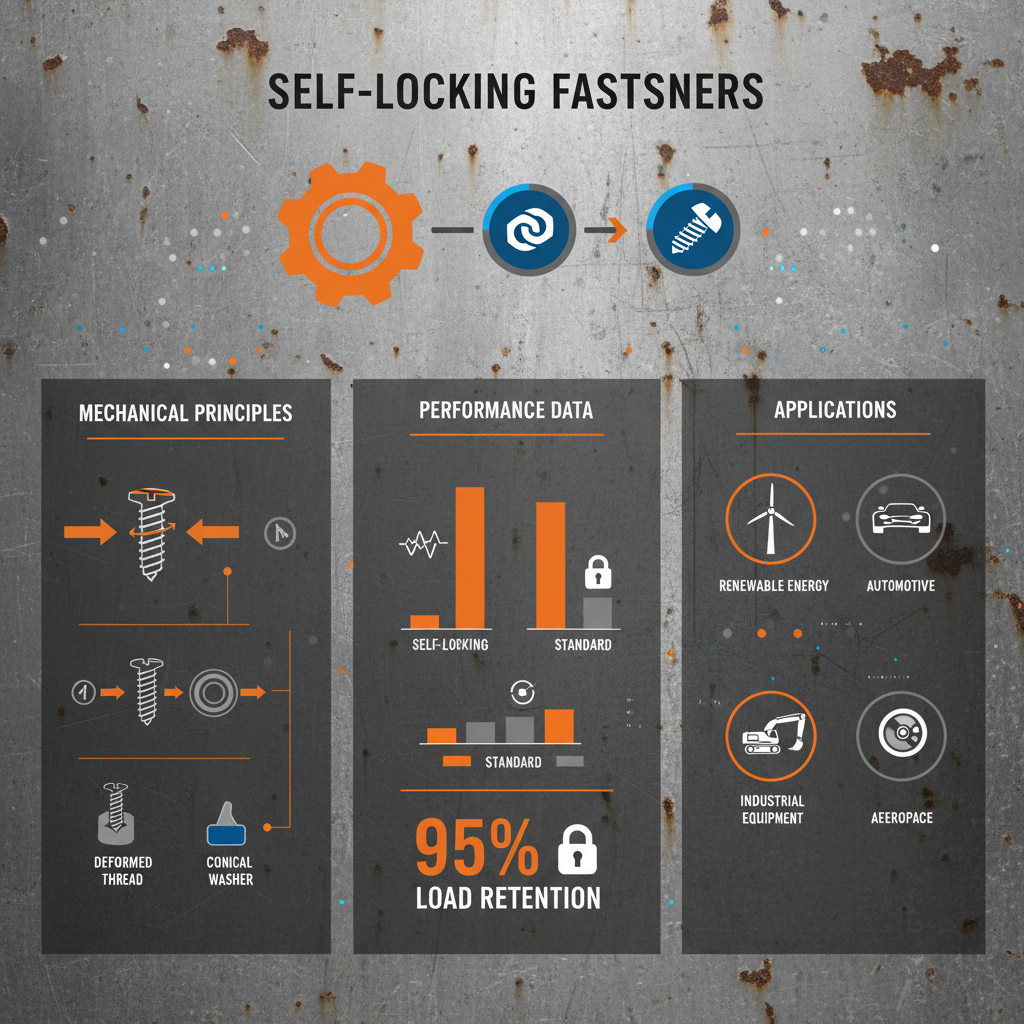
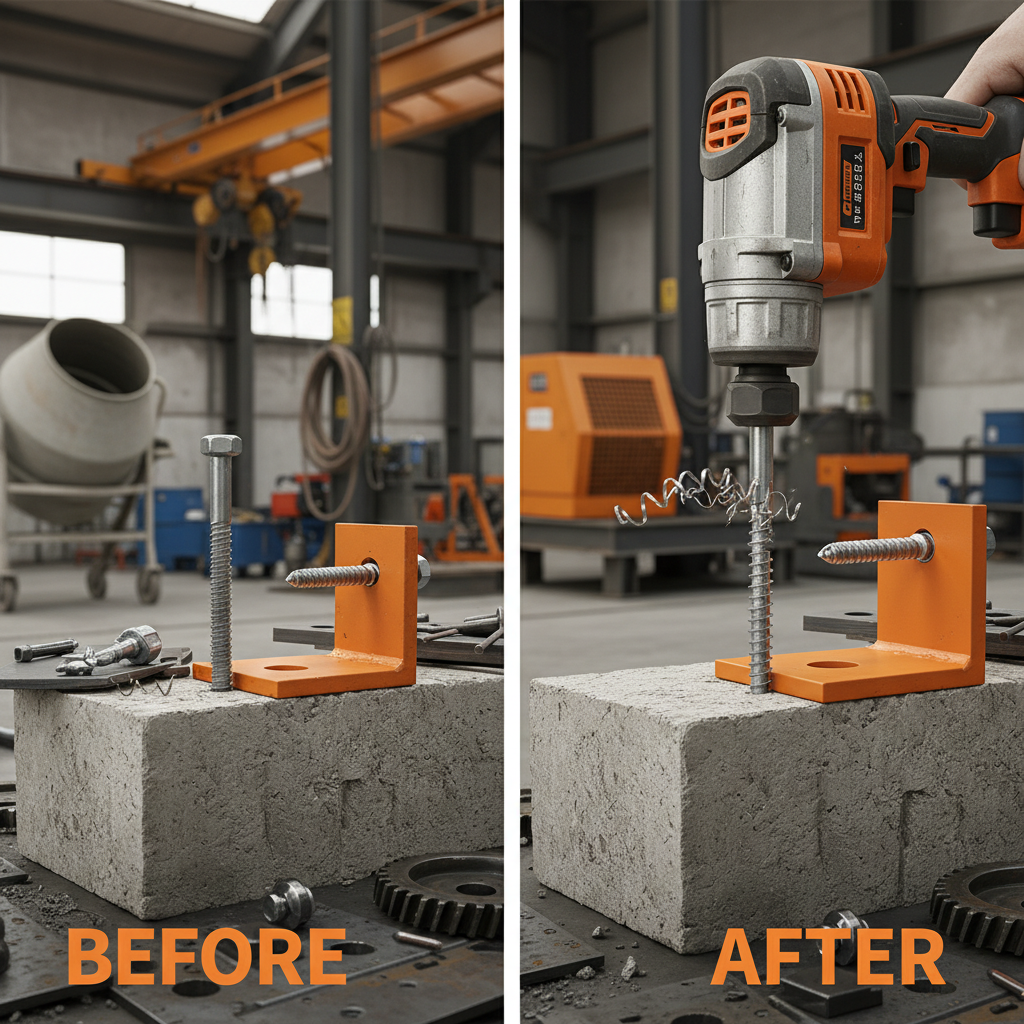
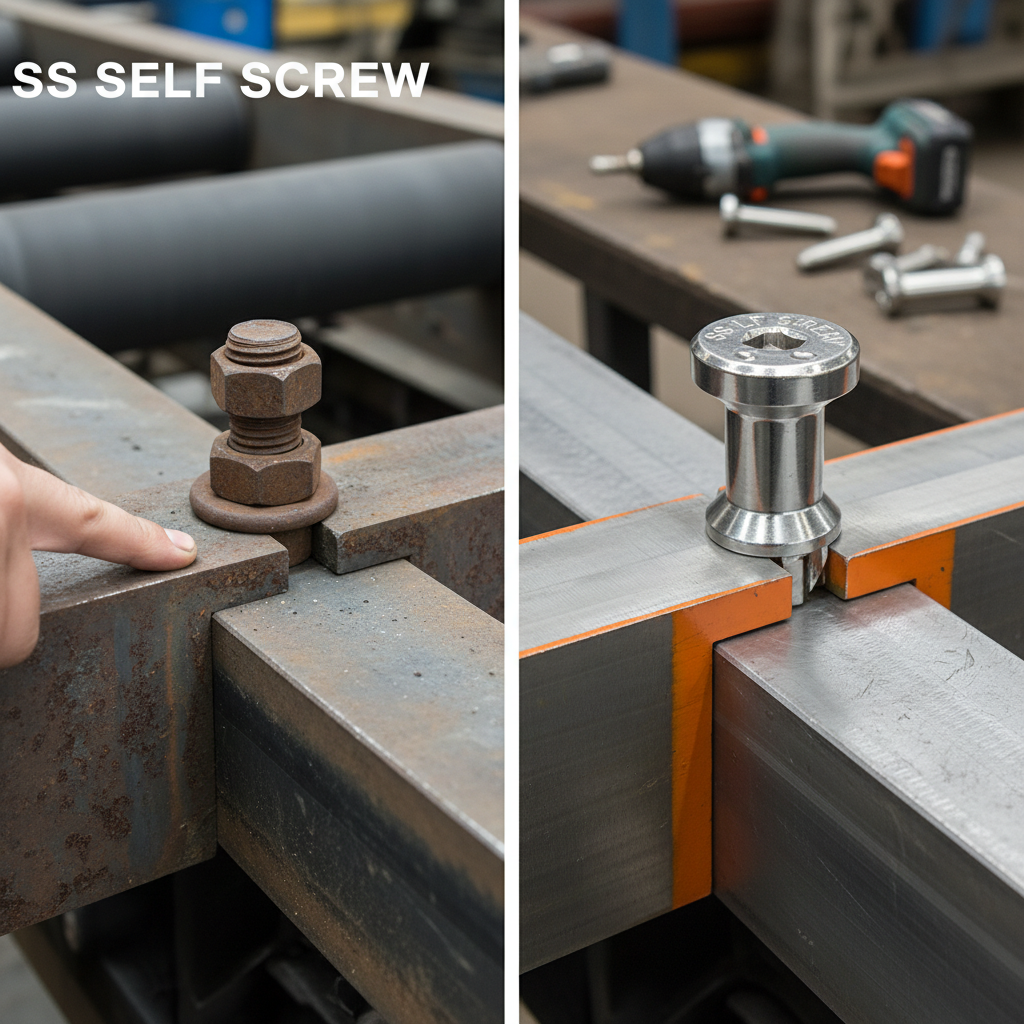
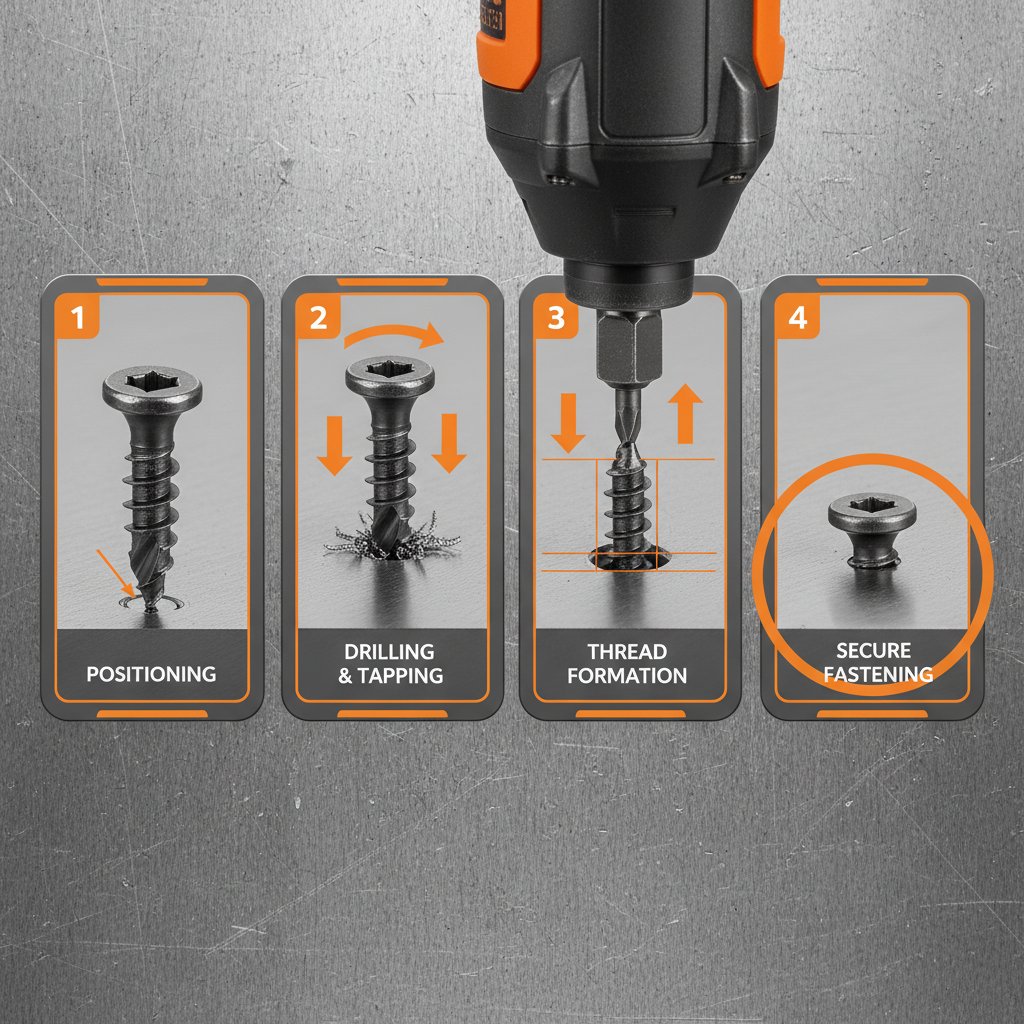
Let’s talk self-fixing screws. I spend my days on construction sites, getting my hands dirty, and seeing what really works. It's not always about the fanciest tech; it's about reliability, speed, and getting the job done right. Self-fixing screws – or self-tapping screws as some call 'em – have become a game-changer. They’re not new, mind you, but the advancements in materials and designs are making them indispensable. We're seeing them replace traditional methods in more and more applications, saving time and, frankly, a whole lot of headaches.
What’s driving this shift? It’s the pressure to build faster, smarter, and with less manpower. Labor costs are rising, project timelines are shrinking, and clients want quicker turnaround. Self-fixing screws address all of that. They eliminate the need for pre-drilling in many materials, which speeds up assembly significantly. Beyond that, the consistent performance and reduced risk of stripping threads, especially in metal, mean fewer re-works and a more durable final product. It’s a subtle change, but it adds up to big savings on large-scale projects.
I've seen crews struggling with slow drilling and tapping on steel framing for hours, then switch to self-fixing screws and halve the installation time. That's real money saved, and happy foremen. It’s about more than just speed, though. It's about reducing fatigue and improving safety on the job site. Less vibration, less strain, and a more efficient workflow contribute to a safer environment for everyone.
The Core Benefits of Self Fixing Screws
The biggest benefit, hands down, is time savings. Eliminating the pre-drilling step, especially in metal, can cut installation time by 50% or more. I’ve seen it firsthand. This translates directly into lower labor costs and faster project completion. But it's not just about speed. The consistency of the hold is crucial. These screws are designed to create their own threads as they’re driven in, providing a strong and reliable connection.
We also see reduced material waste. Fewer stripped screws mean less material wasted and fewer costly re-works. This is particularly important when working with expensive materials or in challenging environments. Plus, there’s a safety aspect. The reduced vibration and effort required for installation mean less strain on workers, reducing the risk of injuries. It’s a win-win-win.
The Global Impact of Self Fixing Screw Technology
Globally, the demand for faster, more efficient construction is driving the adoption of self-fixing screws. Look at the rapid urbanization happening in developing countries – they’re building infrastructure at an incredible pace. They need solutions that are cost-effective and easy to implement. Self-fixing screws fit that bill perfectly. Data from the UN Habitat shows a massive need for affordable housing, and quicker construction methods are essential to meeting that demand.
According to reports from the World Bank, infrastructure investment is crucial for economic growth, and efficient construction plays a vital role. The ISO standards for fastener quality are becoming stricter, and self-fixing screws are increasingly meeting those standards, gaining wider acceptance. The challenge now isn’t just manufacturing the screws, it’s ensuring consistent quality and availability across different regions, especially in areas facing logistical hurdles.
It’s not limited to construction, either. The automotive, aerospace, and electronics industries are all leveraging self-fixing screws for assembly applications. They're part of a larger trend towards lean manufacturing and optimized supply chains, streamlining processes and reducing waste on a global scale.
Defining Self Fixing Screws: A Practical Perspective
Let’s cut through the jargon. A self-fixing screw, simply put, is a screw that taps its own threads as it's driven into a material. Unlike traditional screws that require a pre-tapped hole, these have a hardened tip and flutes designed to cut into the material, creating a secure and lasting connection. There are different types, of course - pointed, blunt, with different thread designs, and made from various materials.
They're fundamentally about simplifying the fastening process. In the old days, you’d spend ages drilling, tapping, and aligning holes. Now, you just line up the screw and drive it in. This seems simple, but that simplicity translates to massive efficiency gains on large projects. It's a huge benefit in remote locations or where skilled labor is scarce.
This isn't some brand new invention, it's a refinement of existing technology. Early versions were prone to stripping or breaking, but advancements in metallurgy and design have dramatically improved their performance and reliability. The key is understanding the material you’re working with and selecting the right screw for the job.
Key Factors Influencing Self Fixing Screw Performance
There are a few things that dictate how well a self-fixing screw will perform. First is the material of the screw itself. High-carbon steel is common, but you’ll also find stainless steel and alloy options for corrosion resistance. Then there’s the thread design - coarser threads are better for softer materials, while finer threads are suited for metal.
The point style is critical. A sharp point is good for quickly penetrating materials, while a blunt point provides more control and reduces the risk of walking. And finally, the drive type – Phillips, Torx, square drive – affects the amount of torque that can be applied without stripping the head. Understanding these factors is key to selecting the right screw for the job.
Self Fixing Screw Performance Factors
Applications of Self Fixing Screws Across Industries
I've used self-fixing screws on everything from metal roofing and cladding to assembling steel framing and attaching drywall. In the construction industry, they’re invaluable for any application involving metal or composite materials. They're becoming standard in prefabricated building components as well, accelerating assembly times and improving quality control.
But it goes beyond construction. Automotive manufacturers use them extensively for assembling body panels and interior components. The aerospace industry relies on them for attaching non-structural elements. Even in the electronics sector, they’re used to secure components in housings and enclosures. The versatility is remarkable. I recently saw them used to secure solar panels to rooftops in a rural installation, a perfect example of efficient and cost-effective energy infrastructure.
The Long-Term Value Proposition of Self Fixing Screws
The initial cost of a self-fixing screw might be slightly higher than a traditional screw, but the long-term savings are significant. Reduced labor costs, less material waste, and fewer re-works all contribute to a lower overall project cost. Plus, the increased durability and reliability mean less maintenance and fewer repairs down the line.
There’s also a sustainability aspect. By reducing waste and improving efficiency, self-fixing screws help minimize the environmental impact of construction projects. And from a safety perspective, the reduced strain and fatigue on workers contribute to a safer and more productive work environment. It’s not just about saving money; it’s about building better, more sustainable, and safer structures.
Future Trends and Innovations in Self Fixing Screw Technology
We’re already seeing screws with advanced coatings for enhanced corrosion resistance, especially for use in harsh marine environments. There's a lot of research going into new materials – lighter, stronger alloys that can handle even greater loads. Digital integration is also on the horizon, with screws potentially equipped with sensors to monitor installation torque and ensure proper fastening.
I’m also keeping an eye on advancements in automated screw driving systems. Robotics and AI are being used to optimize screw placement and torque control, further increasing efficiency and reducing errors. And, with the push for sustainable building practices, there’s growing interest in biodegradable or recyclable screw materials.
The future of self-fixing screws is about more than just fastening; it’s about smart, connected, and sustainable building solutions. The guys on the ground, like me, will be the first to see those innovations put to the test, and I’m excited to see what comes next.
Summarizing the Key Considerations for Self Fixing Screw Selection
| Material Compatibility |
Load Bearing Capacity |
Corrosion Resistance |
Installation Environment |
| Steel - Excellent for high-strength applications. |
High (8/10) - Suitable for structural connections. |
Moderate (6/10) - Requires additional coating for harsh environments. |
Indoor, dry conditions. |
| Aluminum - Lightweight and corrosion-resistant. |
Medium (6/10) - Best for non-load-bearing applications. |
High (9/10) - Ideal for coastal or wet environments. |
Outdoor, moderate humidity. |
| Stainless Steel - Superior corrosion resistance. |
Medium to High (7/10) - Versatile for various applications. |
Very High (10/10) - Excellent for marine and chemical environments. |
All environments, especially corrosive ones. |
| Plastic - Non-conductive and lightweight. |
Low (4/10) - Limited load-bearing capacity. |
High (8/10) - Resistant to many chemicals. |
Applications requiring electrical insulation. |
| Titanium - Exceptional strength-to-weight ratio. |
Very High (9/10) - Ideal for demanding applications. |
Very High (10/10) - Highly corrosion resistant. |
Aerospace and high-performance applications. |
| Zinc-Plated Steel - Cost-effective and provides moderate protection. |
Medium (6/10) - Suitable for general-purpose applications. |
Moderate (7/10) - Offers some corrosion resistance. |
Indoor or protected outdoor environments. |
FAQS
The biggest advantage is speed and simplicity. Bolted connections require drilling holes, aligning parts, and tightening bolts, which is time-consuming. Self-fixing screws eliminate the need for pre-drilling in many cases, significantly reducing installation time. This leads to lower labor costs and faster project completion, particularly on large-scale construction projects. Furthermore, the self-tapping action creates a tighter, more consistent connection without the risk of loosening over time, unlike bolted connections which can sometimes vibrate loose.
Not all materials. While self-fixing screws work exceptionally well in metal, wood, and some plastics, they aren't ideal for very hard materials like thick concrete or stone. For those, you still need pre-drilled holes and appropriate anchors. The key is selecting the right screw type and material for the specific application. Different screw designs and materials cater to different material properties, ensuring a secure and lasting hold. Always consult manufacturer guidelines for material compatibility.
Stripping threads is a common issue, but it can be prevented. First, use the correct driver bit size and type. Ensure the bit fits snugly into the screw head. Second, apply consistent pressure while driving the screw, keeping the driver bit aligned. Third, avoid over-tightening, which is a major cause of stripping. Finally, consider using a screw with a higher thread form or a specialized coating to improve grip and reduce friction. Using a drill with adjustable clutch settings can also help.
Corrosion resistance is paramount. For outdoor applications, always opt for stainless steel or screws with a protective coating, such as zinc or ceramic. The coating protects the screw from rust and degradation caused by exposure to moisture and UV rays. Also, consider the climate - saltwater environments require more robust corrosion protection than dry climates. Regular inspection and maintenance are also crucial to ensure longevity, especially in harsh environments.
Thread design is critical. Coarse threads are better for softer materials, providing a wider thread contact area. Finer threads are ideal for harder materials, offering greater holding power and resistance to loosening. The thread pitch, depth, and angle all play a role in how well the screw bites into the material. Aggressive thread designs are designed to quickly and securely tap into materials, while more conservative designs are suitable for delicate applications. The correct thread design ensures optimal holding power and prevents stripping.
The screw length should be sufficient to penetrate through the materials being joined and provide a secure hold. As a general rule, aim for at least half the screw length to be embedded in the base material. Consider the thickness of the materials being fastened and add a safety margin to ensure adequate grip. Too short, and the screw won’t hold; too long, and it might protrude or damage surrounding components. Always consult manufacturer specifications and consider a test installation to confirm the correct length.
Conclusion
Self-fixing screws have evolved from a simple fastener into a cornerstone of modern construction and manufacturing. Their ability to streamline assembly processes, reduce costs, and improve reliability makes them an indispensable tool for professionals across numerous industries. We've seen how they're impacting everything from large-scale infrastructure projects to small-scale repairs, and their influence will only continue to grow.
Looking ahead, expect to see further innovations in materials, coatings, and automated installation systems. Investing in quality self-fixing screws and understanding their proper application is crucial for maximizing efficiency, ensuring safety, and building a more sustainable future. To learn more about our range of self-fixing screws and how they can benefit your projects, visit our website: www.hbxzfastener.com