
Ultimate Guide to High Strength Expanding Nuts for Sheet Metal
Mastering Fastening: The Ultimate Guide to Expanding Nuts for Sheet Metal
In the world of modern manufacturing, achieving a secure, high-strength threaded connection in thin materials can be a significant challenge. This is where expanding nuts for sheet metal become indispensable. These specialized fasteners are engineered to create permanent, durable threads in panels that are too thin to be tapped conventionally. Whether you are working on automotive chassis, electronic enclosures, or industrial cabinetry, understanding how to select and install the right expanding nut is key to structural integrity. In this guide, we will explore the mechanics, advantages, and technical specifications of these essential components to help you optimize your assembly process.
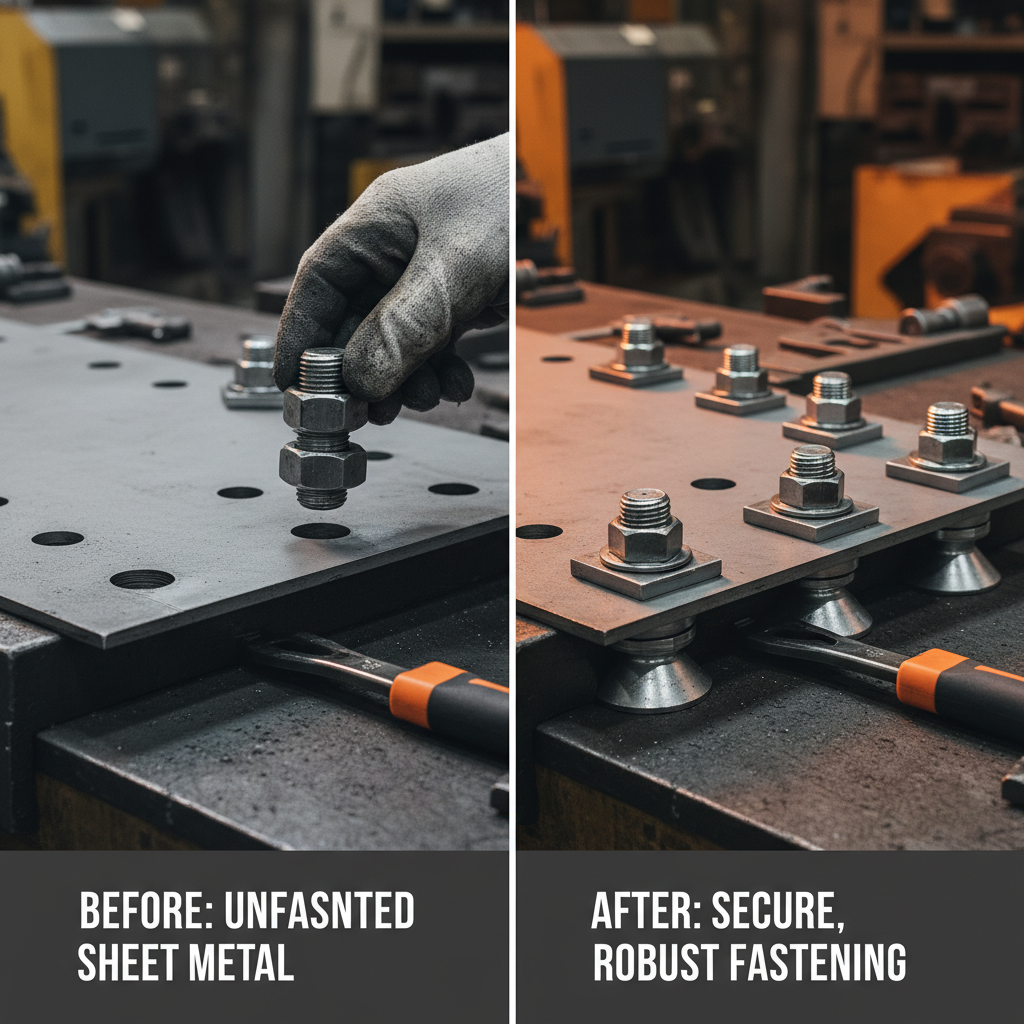
How Expanding Nuts for Sheet Metal Actually Work
The core principle behind expanding nuts for sheet metal is the transformation of axial force into radial pressure. When the nut is inserted into a pre-drilled hole and tightened or pressed, the body of the fastener expands against the inner walls of the sheet metal. This expansion creates a friction-lock mechanism that prevents the nut from rotating or pulling out under load. Unlike standard nuts that require a mating bolt and a second piece of metal, expanding nuts allow for "blind" installations where access to the back of the panel is limited. This makes them a favorite for designers seeking a clean, professional finish without bulky external hardware.
Pro Tip: To ensure maximum grip, always verify that the hole diameter matches the manufacturer's specification exactly. Even a 0.1mm deviation can significantly affect the pull-out strength of the fastener.
Key Advantages of Using Expanding Nuts
Switching to expanding nuts for sheet metal offers several strategic benefits over traditional welding or riveting. First, they eliminate the need for heat-intensive processes, meaning there is no risk of warping the sheet metal or damaging the paint finish. Second, they provide a reusable threaded connection, allowing components to be disassembled and maintained without destroying the host panel. Finally, the installation speed is dramatically increased, reducing labor costs in high-volume production lines. These fasteners provide a balance of installation efficiency and mechanical reliability that is hard to beat in precision engineering.
Technical Comparison: Expanding Nuts vs. Other Fasteners
When deciding which fastener to use, it is essential to compare the performance metrics. While PEM nuts or rivets have their place, expanding nuts for sheet metal excel in applications requiring blind installation and high vibration resistance. The following table highlights the critical differences in performance and application.
Common Applications for Expanding Nuts for Sheet Metal
The versatility of expanding nuts for sheet metal makes them a staple across various high-precision industries. In aerospace and automotive sectors, they are used to secure interior panels and trim where accessibility is restricted. In the electronics industry, these nuts provide the necessary strength to mount heavy PCBs or transformers inside thin aluminum or steel casings. Additionally, they are widely used in the furniture industry for modular shelving and office partitions. Because they can be installed in various materials, including plastics and composites, their utility extends far beyond simple metal sheets.
Material Selection and Product Specifications
Choosing the right material for your expanding nuts for sheet metal is critical to prevent galvanic corrosion and ensure longevity. Stainless steel is the gold standard for corrosive environments, while carbon steel with zinc plating offers a cost-effective solution for indoor applications. Below is a typical specification table for standard expanding nut series.
Conclusion: Optimizing Your Assembly with Expanding Nuts
Selecting the right expanding nuts for sheet metal is a critical decision that impacts the overall quality and lifespan of your product. By providing a high-strength, reusable, and easy-to-install threading solution, these fasteners eliminate the complexities of traditional welding and tapping. Whether your priority is speed of assembly, structural reliability, or a clean aesthetic, expanding nuts deliver a professional result. Invest in high-quality fasteners to ensure your projects stand the test of time and mechanical stress.
Frequently Asked Questions (FAQs)
Can expanding nuts be used in aluminum sheet metal?
Yes, expanding nuts are highly effective in aluminum. However, it is crucial to consider the material compatibility to avoid galvanic corrosion. Using stainless steel expanding nuts in aluminum is common, but applying a protective coating or using a compatible alloy can further enhance the bond and prevent oxidation. Aluminum's softer nature often allows for an even tighter grip during the expansion process compared to high-carbon steel.
What is the maximum sheet thickness for these nuts?
The maximum thickness depends on the specific design of the nut. Most standard expanding nuts for sheet metal are designed for materials between 0.5mm and 3.0mm. If the metal is too thin, the nut may spin during installation; if it is too thick, the nut may not expand sufficiently to lock into place. Always consult the product specification sheet for the precise "grip range" of the fastener.
How do I prevent the nut from rotating during bolt installation?
Rotation usually occurs due to an oversized hole or insufficient expansion. To prevent this, ensure the hole is drilled to the exact tolerance specified by the manufacturer. Additionally, using a press-fit installation method rather than just screwing it in by hand can provide a tighter initial seat. For extreme load applications, some engineers use a small amount of thread-locking compound or a specialized installation tool to ensure the nut is fully expanded and locked.
Are expanding nuts permanent or removable?
The threaded connection (the bolt) is completely removable, which is the primary advantage. However, the expanding nut itself is intended to be a permanent fixture in the sheet metal. While it can be removed with significant force or by drilling it out, doing so will typically damage the host panel. This makes them ideal for structures that need periodic maintenance of the attached components but a permanent mounting point.
-
Guide to High Quality Stainless Steel Expansion FastenersNewsApr.16,2026
-
Ultimate Guide to Industrial Sheet Metal Expansion AnchorsNewsApr.16,2026
-
High Efficiency Fastening Guide for Plastic Expansion RivetsNewsApr.16,2026
-
Plastic Expanding Nut Guide for Applications and BenefitsNewsApr.16,2026
-
Ultimate Guide to Stability and Use of Nail Expansion AnchorNewsApr.16,2026
-
Guide to Choosing and Installing the Right Metal Expansion ScrewNewsApr.16,2026