
Metal Expansion Nut Guide for Industrial Strength and Stability
The Ultimate Guide to Metal Expansion Nut: Strength and Stability
In the world of industrial fastening, achieving a secure hold in hollow or soft materials can be a significant challenge. The metal expansion nut offers a professional solution, providing a high-strength threaded insert that expands against the inner walls of a pre-drilled hole. Whether you are working in automotive assembly, furniture manufacturing, or heavy machinery construction, understanding the mechanics and selection of these fasteners is key to structural integrity. This guide explores everything from material compositions to installation best practices to help you optimize your fastening projects.
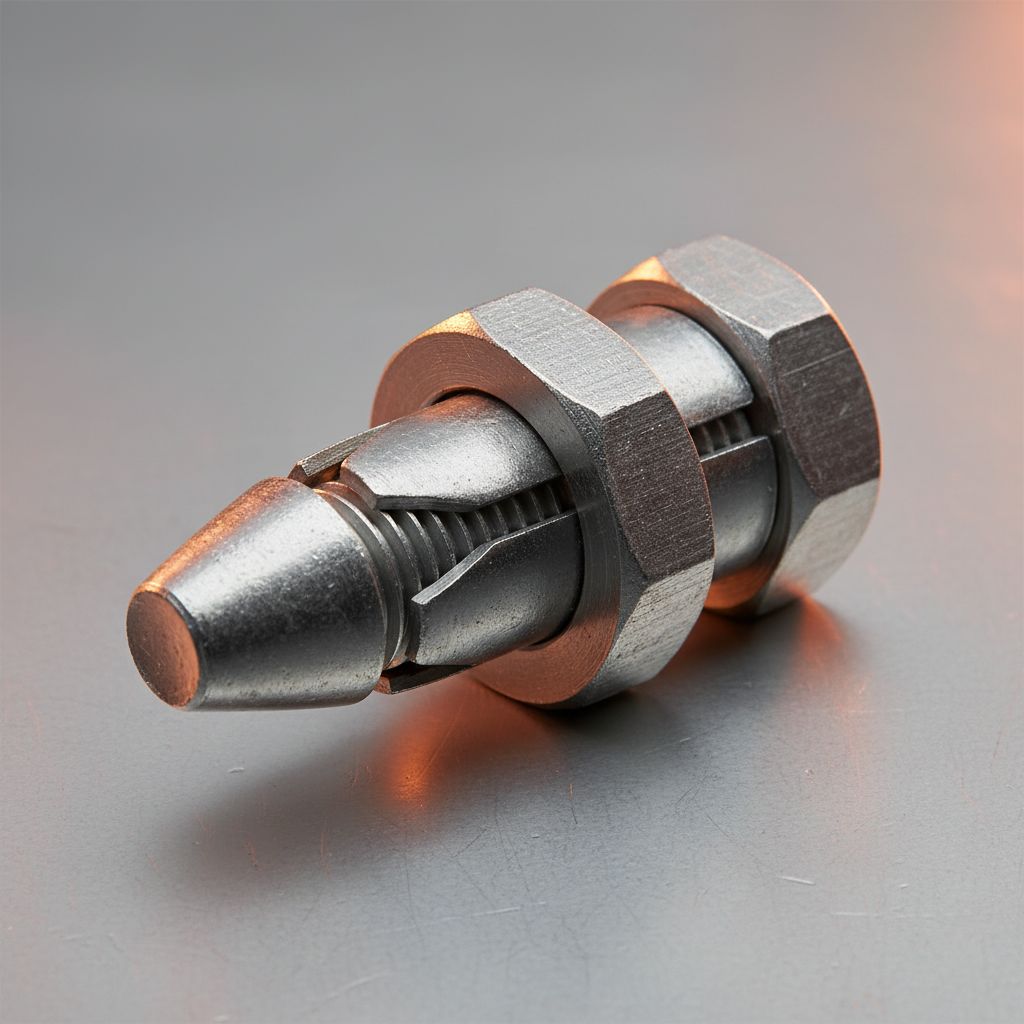
How a Metal Expansion Nut Works
The fundamental principle behind a metal expansion nut is the conversion of axial force into radial pressure. When a bolt is tightened into the nut, the splitting sleeve or the tapered body of the fastener is forced outward. This expansion creates a powerful frictional grip against the substrate, preventing the nut from pulling out or rotating. This mechanism is particularly effective in materials where traditional tapping is impossible, such as thin-walled metal tubes or composite panels. By distributing the load across a larger surface area of the hole wall, these nuts prevent material failure and ensure a long-lasting connection.
Pro Tip: Always ensure the pre-drilled hole diameter matches the manufacturer's specifications exactly. A hole that is too large will reduce the expansion pressure, while one too small may lead to material cracking during installation.
Choosing the Right Material for Your Metal Expansion Nut
Material selection is critical to prevent galvanic corrosion and ensure load-bearing capacity. Most high-quality metal expansion nuts are crafted from carbon steel, stainless steel, or alloy steel. Carbon steel is ideal for general-purpose applications where cost-efficiency is key, while stainless steel (such as 304 or 316 grade) is mandatory for marine or chemical environments due to its superior rust resistance. For extreme load requirements, heat-treated alloy steel provides the necessary hardness and tensile strength to withstand immense shear forces without deformation.
Material Comparison Summary:
• Carbon Steel: High strength, low cost, requires plating for corrosion resistance.
• Stainless Steel: Excellent corrosion resistance, ideal for outdoor/wet environments.
• Alloy Steel: Maximum durability and load capacity for heavy-duty industrial use.
Comparing Metal Expansion Nut Types and Performance
Not all expansion fasteners are created equal. Depending on the application, you may choose between split-sleeve designs, tapered inserts, or ribbed expansion nuts. The choice impacts the "pull-out" strength and the ease of installation. For instance, ribbed designs offer better resistance to rotation, while tapered designs provide a more aggressive expansion for softer substrates. When selecting a metal expansion nut, engineers must balance the hardness of the nut against the hardness of the base material to avoid damaging the workpiece.
Installation Steps for a Secure Metal Expansion Nut
Proper installation is the difference between a permanent joint and a costly failure. To install a metal expansion nut, first drill a hole of the precise diameter. Deburr the edges of the hole to ensure the nut seats flush against the surface. Insert the nut using a press-fit or a light hammer tap. Finally, drive the bolt into the nut; as the bolt reaches the expansion zone, it will lock the fastener in place. Over-tightening should be avoided, as it can strip the internal threads or deform the base material, compromising the hold.
Technical Specifications for Metal Expansion Nut selection
When sourcing fasteners from HBXZ Fastener, it is essential to review the technical data sheet. Key specifications include the nominal thread size (M-series or UNC/UNF), the required hole diameter, and the minimum wall thickness of the host material. If the wall is too thin, the expansion force may bulge the material rather than gripping it. The table below provides a general specification overview for common industrial sizes.
Common Applications of Expansion Fasteners
The versatility of the metal expansion nut makes it indispensable across various sectors. In the automotive industry, they are used for mounting interior panels and trim to the chassis. In the construction sector, these nuts allow for the secure attachment of railings to metal posts. Even in the high-end furniture market, they enable the creation of modular systems that can be disassembled and reassembled without stripping the holes. Because they provide a permanent, high-torque thread in a thin wall, they are the gold standard for precision engineering and industrial design.
Conclusion: Securing Your Future with Precision Fastening
Choosing the right metal expansion nut is not just about finding a part that fits; it is about ensuring the safety and longevity of your entire assembly. By considering the material, the expansion mechanism, and the technical specifications of your base material, you can create joints that withstand vibration, tension, and environmental stress. For those seeking professional-grade fastening solutions, relying on experienced suppliers ensures that every nut and bolt meets the highest industrial standards.
Frequently Asked Questions (FAQs)
Can a metal expansion nut be removed once installed?
Generally, metal expansion nuts are designed for permanent installation. Because they expand and grip the walls of the hole, they cannot simply be unscrewed. Removal typically requires drilling out the center of the nut or using a specialized extraction tool to collapse the expansion sleeve. In some cases, the surrounding material may need to be damaged to remove the fastener. Therefore, it is crucial to ensure correct placement before the final tightening process.
What is the difference between an expansion nut and a rivet nut?
While both provide threads in thin materials, the mechanism differs. A rivet nut (or nutsert) is typically crushed or collapsed using a tool to create a flange that holds it in place. A metal expansion nut relies on radial expansion (pushing outward) against the walls of the hole. Expansion nuts often provide higher pull-out strength in tubular applications, whereas rivet nuts are more common in flat sheet metal where a flange is preferred.
Which material is best for outdoor applications?
For any outdoor application, stainless steel (Grade 304 or 316) is the highly recommended choice. Stainless steel naturally resists oxidation and corrosion from rain, humidity, and salt spray. If you use carbon steel in outdoor settings, it must be treated with high-quality zinc plating or galvanization to prevent rust, though these coatings can wear off over time. For maximum longevity and zero maintenance, stainless steel is the superior investment for the metal expansion nut.
How do I prevent the nut from rotating during installation?
Rotation (or "spinning") occurs when the friction between the nut and the hole is insufficient. To prevent this, you can use a ribbed expansion nut, which has external grooves that bite into the material. Additionally, ensuring that the hole is drilled to the exact specified diameter is key; a hole that is even 0.1mm too large can significantly increase the risk of rotation. Using a high-quality metal expansion nut with a precise tolerance is the best way to ensure a stable, non-rotating fit.
-
Guide to High Quality Stainless Steel Expansion FastenersNewsApr.16,2026
-
Ultimate Guide to Industrial Sheet Metal Expansion AnchorsNewsApr.16,2026
-
High Efficiency Fastening Guide for Plastic Expansion RivetsNewsApr.16,2026
-
Plastic Expanding Nut Guide for Applications and BenefitsNewsApr.16,2026
-
Ultimate Guide to Stability and Use of Nail Expansion AnchorNewsApr.16,2026
-
Guide to Choosing and Installing the Right Metal Expansion ScrewNewsApr.16,2026