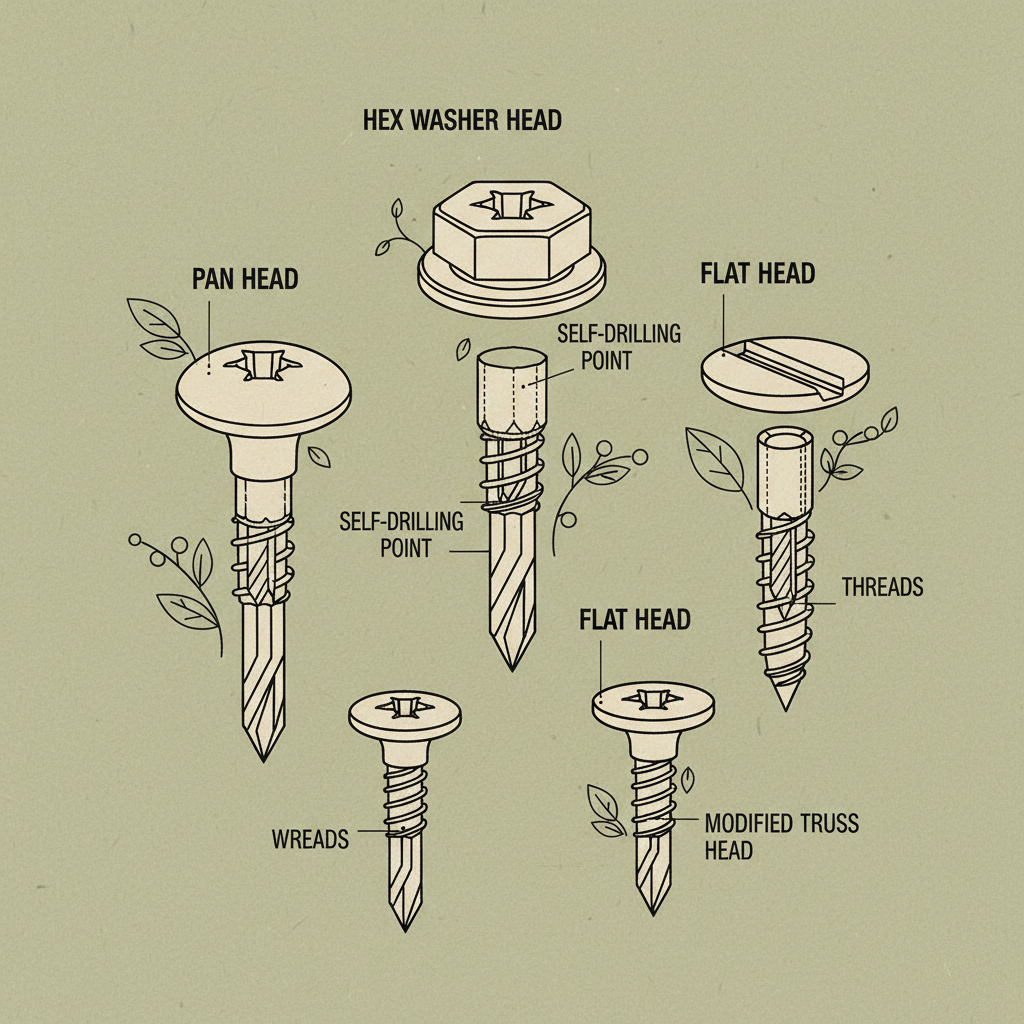
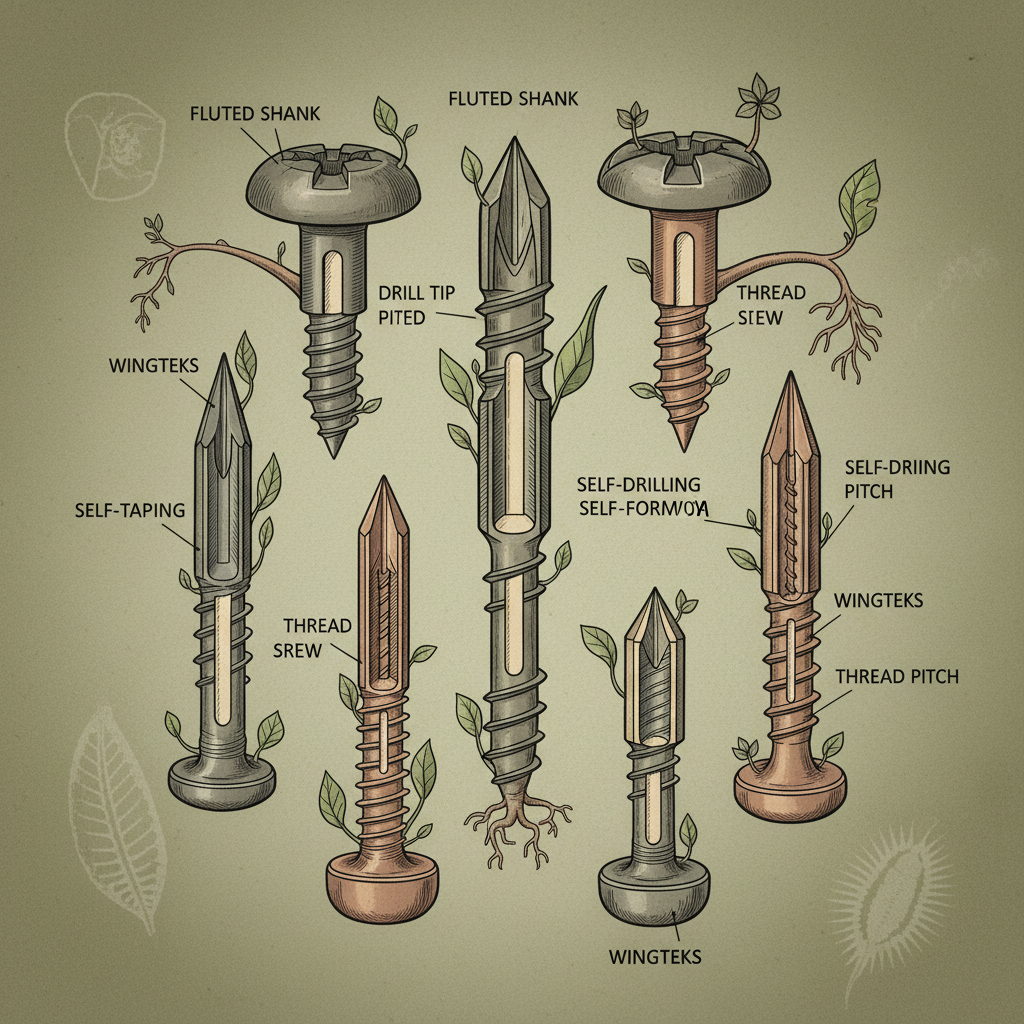
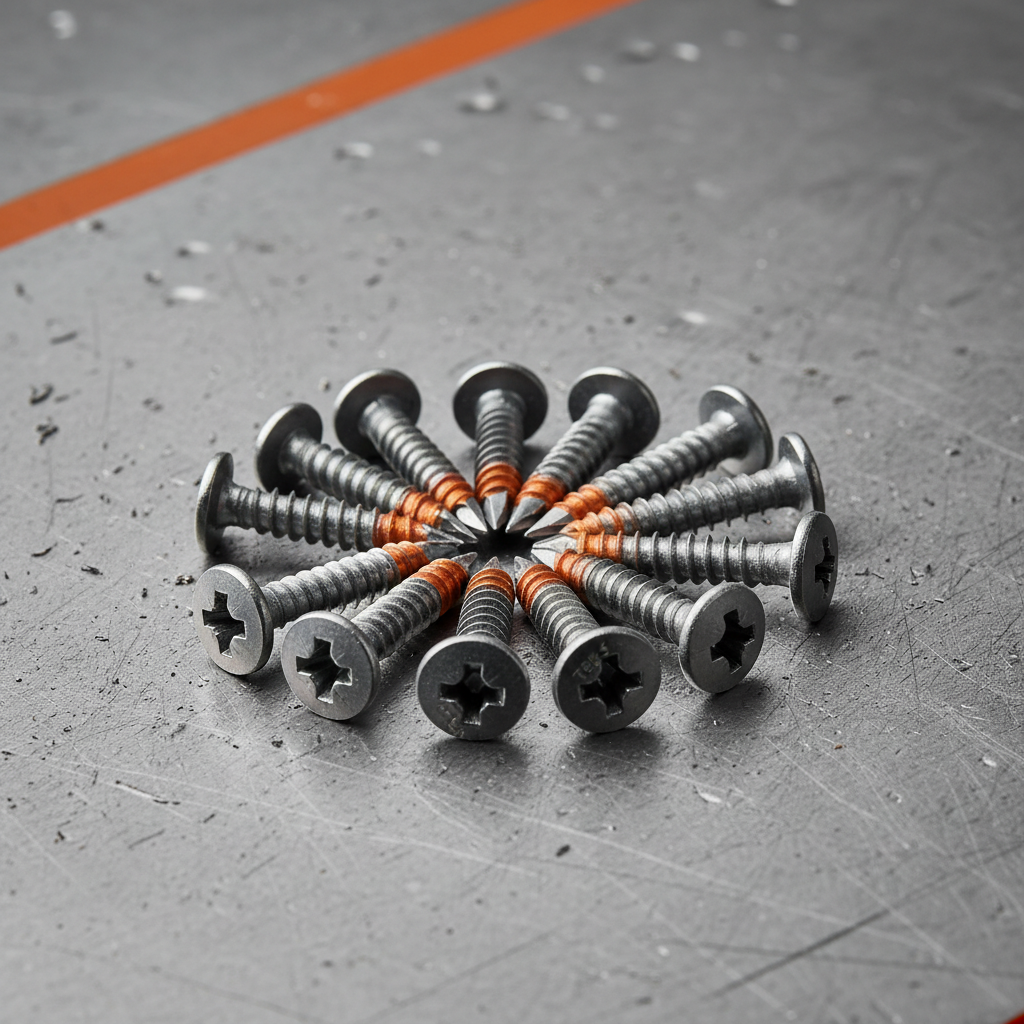
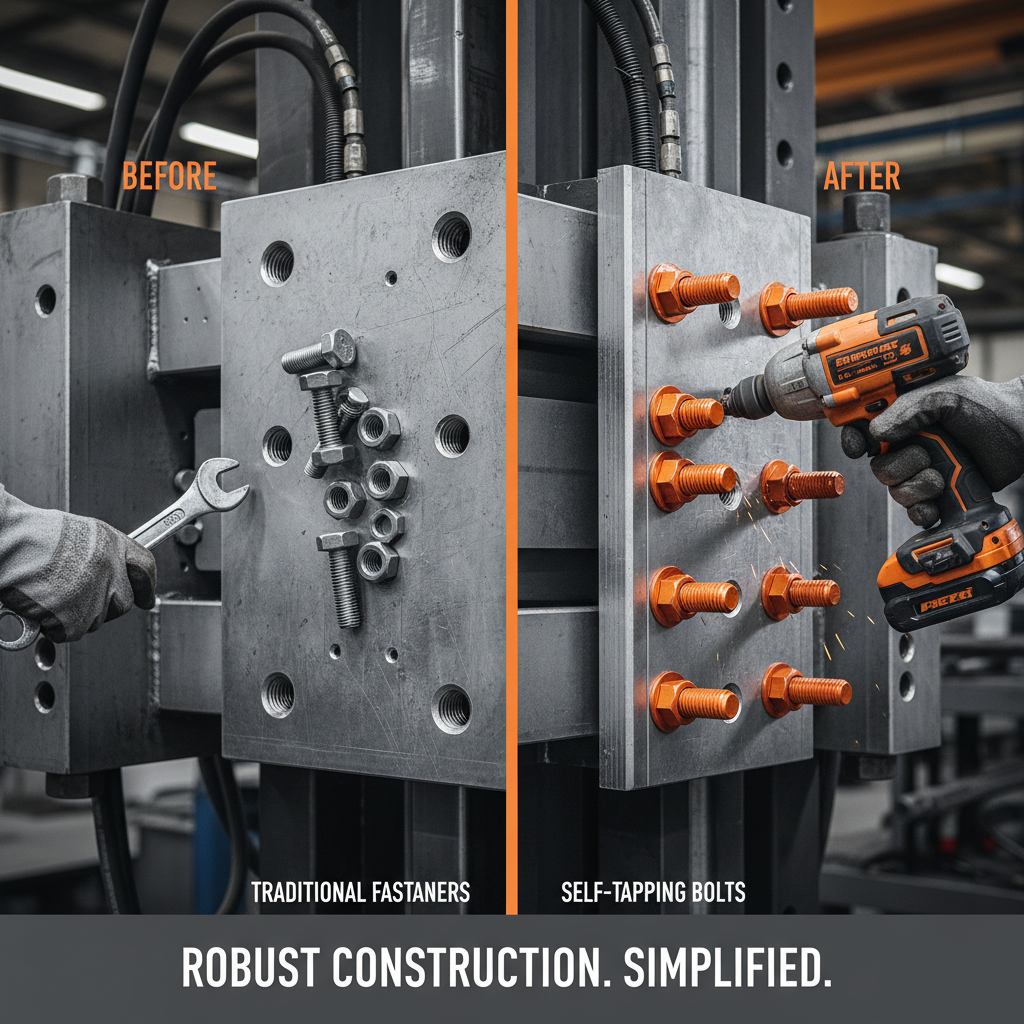
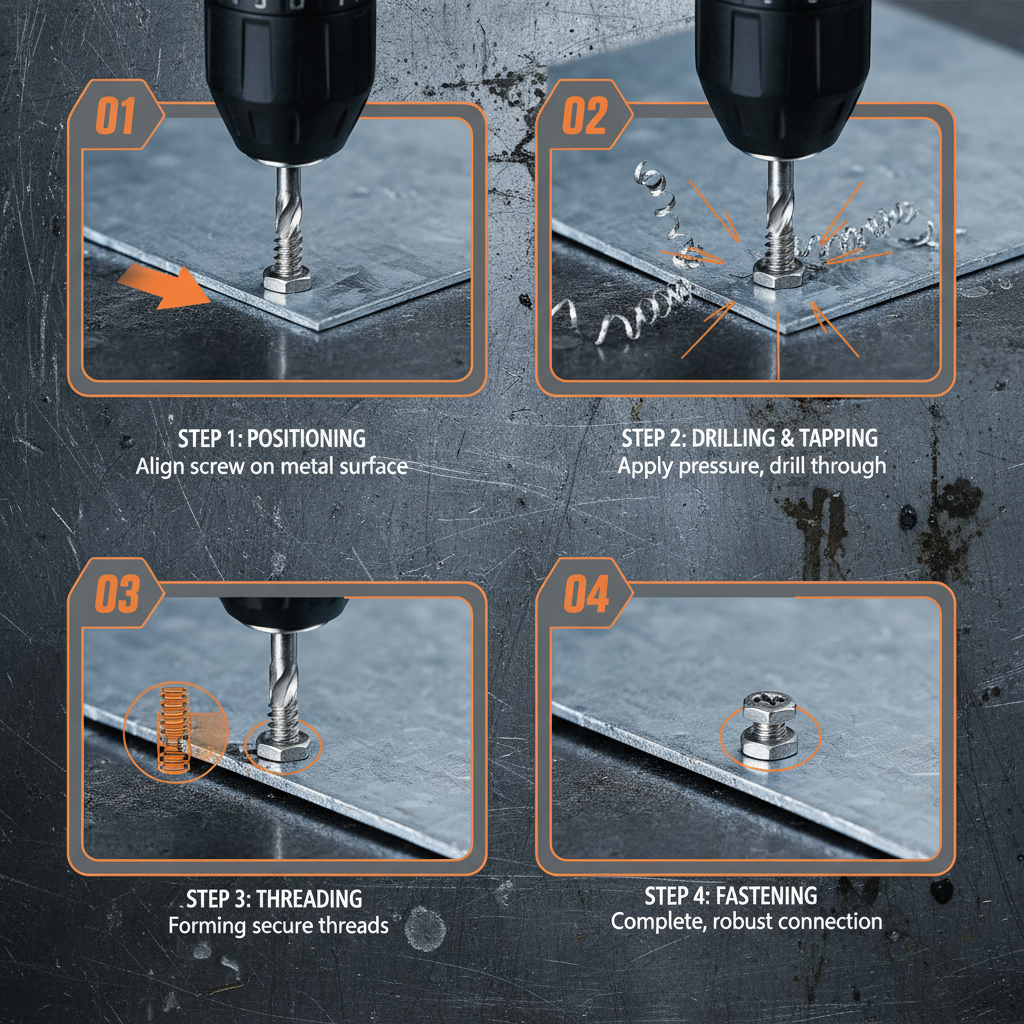
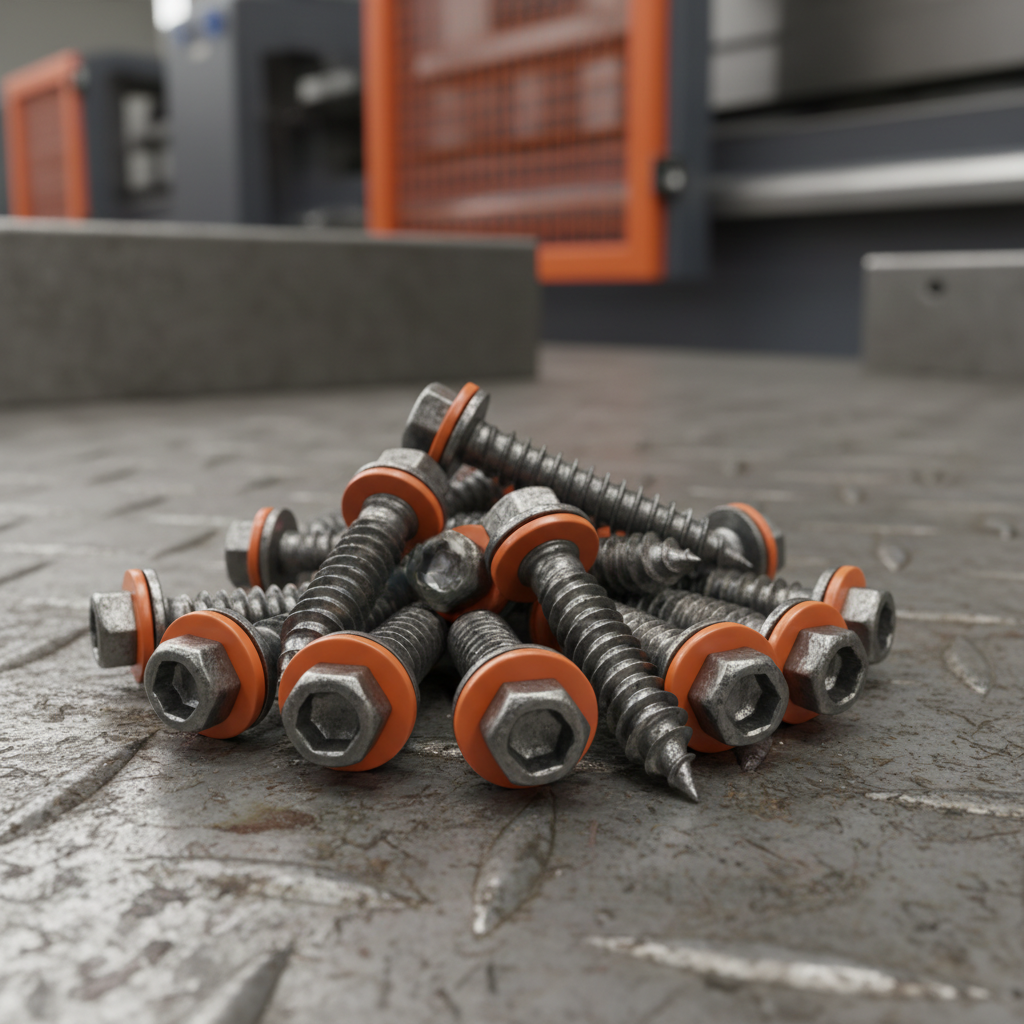
Look, I've been running around construction sites all year, dealing with materials, talking to engineers… honestly, everyone’s talking about self-drilling screws now, these tek screw types. Not a surprise, really. Labor costs are climbing, and contractors are desperate for anything that speeds up installation. It's not just about saving money; it's about getting the job done. And these screws, they do that. They cut their own thread as you drive them in, eliminating the need for pre-drilling. Seems simple, right? It’s not always.
Have you noticed how many guys just grab the first screw they see and assume it'll work? Disaster. It always is. I encountered this at a factory in Ningbo last time – they were using a cheap batch of screws that snapped off constantly under even moderate pressure. Made a right mess of the steel framing. The frustration on the foreman's face… unforgettable. It’s a classic case of ‘penny wise, pound foolish.’
Anyway, I think a lot of people don't realize the subtleties involved. It’s not just about the screw itself, it’s about the material you're screwing into, the speed of your drill, the pressure you apply… all of it.
The Rising Demand for Tek Screw Types
To be honest, the demand for these tek screw types isn’t some sudden thing. It’s been building for years, driven by a need for faster, more efficient construction. Prefabricated steel buildings, light gauge steel framing… these methods rely heavily on self-drilling screws. It’s a global trend, too. I was talking to a supplier in Germany last month, and they’re seeing the same surge in demand. The ISO standards are getting tighter, and people are realizing you can’t just cheap out on fasteners.
It's particularly noticeable in regions with labor shortages. The fewer hands you need on a job, the better, and these screws drastically reduce the need for a second person holding a drill. That translates directly to cost savings.
Common Pitfalls in Tek Screw Design
Strangely enough, a lot of designers fall into the trap of thinking “bigger is better.” They spec a massive screw for a relatively thin piece of metal, and then wonder why it splits the material. You’ve got to match the screw size to the material thickness – it’s not rocket science, but you’d be surprised how often it happens. And the point angle… that's crucial. Too shallow, and it struggles to penetrate. Too steep, and it wanders all over the place.
Another thing is the thread design. A poorly designed thread can strip easily, especially in softer metals. It’s all about finding the right balance between holding power and ease of installation. You also see people ignoring the corrosion resistance. A screw installed outdoors will rust if it’s not properly coated. I've seen entire structures compromised because of that.
And don't even get me started on the drive types. Phillips head? Forget about it. Torx is the way to go – much better engagement, less cam-out.
Material Science: Beyond Steel
Most people think of steel when they think of screws, and that's fine, but there's so much more to it. The grade of steel matters, obviously. You've got your carbon steels, your alloy steels, your stainless steels… each with different properties. Stainless steel smells faintly metallic, almost clean. It feels cold and smooth to the touch. But it’s not always the answer. It's expensive, and it can gall under high pressure.
Then you have zinc-plated steel, which is a good all-around option for corrosion resistance. It has a slightly rough texture, and you can smell the zinc if you get it close. Lately, I’ve been seeing more screws made from specialty alloys – titanium, for example. Lightweight, incredibly strong, and corrosion-resistant, but boy, is it pricey. It has this unique, almost silky feel.
And the coatings… that’s a whole other ball game. Ceramic coatings, polymer coatings, even Teflon coatings. Each one offers different levels of protection and performance. It’s about knowing what conditions the screw will be exposed to and choosing the right coating accordingly.
Real-World Testing & Performance
Lab tests are fine, but honestly, they don’t tell the whole story. I’ve seen screws pass every lab test imaginable and then fail miserably on a real construction site. You need to test these things under actual conditions. We usually test pull-out strength, shear strength, and corrosion resistance. But we do it by installing the screws in actual building materials and subjecting them to realistic loads.
I had a situation once where a batch of screws failed a pull-out test in the lab, but performed perfectly fine in the field. Turned out the lab was using a perfectly flat piece of steel, while the actual material on-site was slightly corrugated. That little difference made a huge impact.
Tek Screw Types Performance Metrics
How Users Actually Employ Tek Screws
This is where things get interesting. You'd think people would follow the instructions, right? Wrong. I've seen guys using impact drivers on screws that are clearly designed for a drill. It works sometimes, but it's a recipe for disaster. You can hear the screw screaming in protest. And then there's the over-tightening issue. They crank them down until the head snaps off.
What they are doing? They are often in a rush. They prioritize speed over accuracy. They don't bother to read the instructions. And honestly, a lot of them are just winging it.
Advantages, Disadvantages & Customization
The advantages are pretty clear: speed, ease of use, reduced labor costs. They’re great for attaching metal to metal, metal to wood, even wood to wood in some cases. But they’re not perfect. They can be more expensive than traditional fasteners. They’re not ideal for high-vibration applications. And they can be difficult to remove if you need to disassemble something.
Customization is definitely possible. We had a client last year who wanted screws with a specific head shape for a unique architectural design. It wasn’t cheap, but we were able to deliver. You can also customize the coating, the thread design, and the drive type. But the more you customize, the higher the cost.
A Customer Story: The Debacle
Last month, that small boss in Shenzhen who makes smart home devices insisted on changing the interface to for his new product’s mounting screws. He thought it looked more “modern.” And the result was… a nightmare. The screws kept stripping. The plastic housing cracked. He lost a whole batch of products. He eventually had to go back to the original design. Said it cost him a fortune.
It just goes to show you, sometimes ‘innovation’ isn’t always a good thing. You need to consider the practical implications. I tried to tell him, but he wouldn’t listen. Engineers, right?
Anyway, I think we all learned a lesson from that one.
Tek Screw Type Performance Summary
| Screw Type |
Material |
Typical Application |
Overall Rating (1-10) |
| Type A |
Carbon Steel, Zinc Plated |
Light Gauge Steel Framing |
7 |
| Type B |
Stainless Steel 304 |
Outdoor Metal Roofing |
8 |
| Type C |
Alloy Steel, Ceramic Coated |
High-Corrosion Environments |
9 |
| Type D |
Carbon Steel, Black Phosphate |
Interior Metal Studs |
6 |
| Type E |
Titanium Alloy |
Aerospace Applications |
10 |
| Type F |
Stainless Steel 316 |
Marine Environments |
8 |
FAQS
Honestly, it’s all about using the right drill bit and applying consistent pressure. Don't use a Phillips head bit – switch to a Torx bit. Make sure the bit fits snugly in the screw head. And don't crank down too hard. Slow and steady wins the race. Stripped screws are a pain to remove and weaken the joint.
Yes, but you need to use screws that are specifically designed for pressure-treated lumber. These screws are coated with a special coating to resist corrosion from the chemicals used in the treatment process. Using regular screws will result in premature failure and rust. I've seen it happen way too many times.
Good question. Self-drilling screws have a drill bit built into the tip, so they can drill their own hole and tap the threads at the same time. Self-tapping screws, on the other hand, require a pre-drilled hole. They just tap the threads. Self-drilling screws are faster, but self-tapping screws often provide a stronger hold in certain materials.
You want the screw to penetrate at least half the thickness of the bottom material. More is generally better, but you don't want it to poke all the way through. It’s a balancing act. A good rule of thumb is to add the thickness of the top material to at least half the thickness of the bottom material. Don’t guess – measure.
Wear safety glasses, always. Those little metal shavings can fly everywhere. And be careful not to over-tighten the screws, as that can cause them to snap and potentially injure someone. Gloves are a good idea too, to protect your hands from sharp edges and potential slippage.
The gauge refers to the diameter of the screw. A higher gauge number means a thicker screw. You need to choose a gauge that's appropriate for the material you're fastening. Thicker materials require thicker screws. Don’t try to use a tiny screw in a heavy-duty application – it won't hold.
Conclusion
So, what have we learned? Tek screw types are a game-changer in the construction industry, offering speed, efficiency, and reduced labor costs. But they’re not a magic bullet. You need to understand the nuances of material science, proper installation techniques, and the specific requirements of your project. It’s about more than just grabbing a screw and drilling it in.
Ultimately, whether this thing works or not, the worker will know the moment he tightens the screw. That's what matters. If it feels solid, if it holds, then it’s a good screw. And if it doesn't… well, you know what to do. Visit our website at www.hbxzfastener.com to find the right screw for your needs.