Look, I've been running around construction sites for fifteen years, and let me tell you, things are moving. Everyone's talking about lightweight materials, prefabrication, speed. It's all about getting things up faster and cheaper. The real trend, though? It's not just what you build with, but how you connect it. Used to be, you’d hammer and pray. Now it's all about self-drilling screws, and not just any self-drilling screws… the variety is insane. types of self drilling screws are what keep projects from collapsing, honestly.
To be honest, it’s a bit of a minefield out there. Lots of suppliers promise the world, but the devil's in the details. You think you're getting a high-strength screw, but the coating is garbage and it rusts before you even finish the roof. I've seen it. I really have. And the thread design… oh, the thread designs. Too aggressive, and you strip the metal. Too mild, and you’re spinning your wheels. It’s a balancing act.
People underestimate the importance of a good screw. Seriously. It’s the little things, you know? It’s not glamorous, but it holds everything together.
The Expanding World of Self-Drilling Screws
Strangely enough, you’ve got your standard carbon steel screws, which are fine for general work, but they corrode like crazy if you don’t coat them properly. Then you have stainless steel – a little more expensive, but worth it in coastal areas or anywhere with a lot of moisture. I encountered this at a factory last time, they were using cheap stainless, and the whole batch had surface rust. You can smell the difference, too. Carbon steel has this…metallic tang. Stainless is cleaner, sharper.
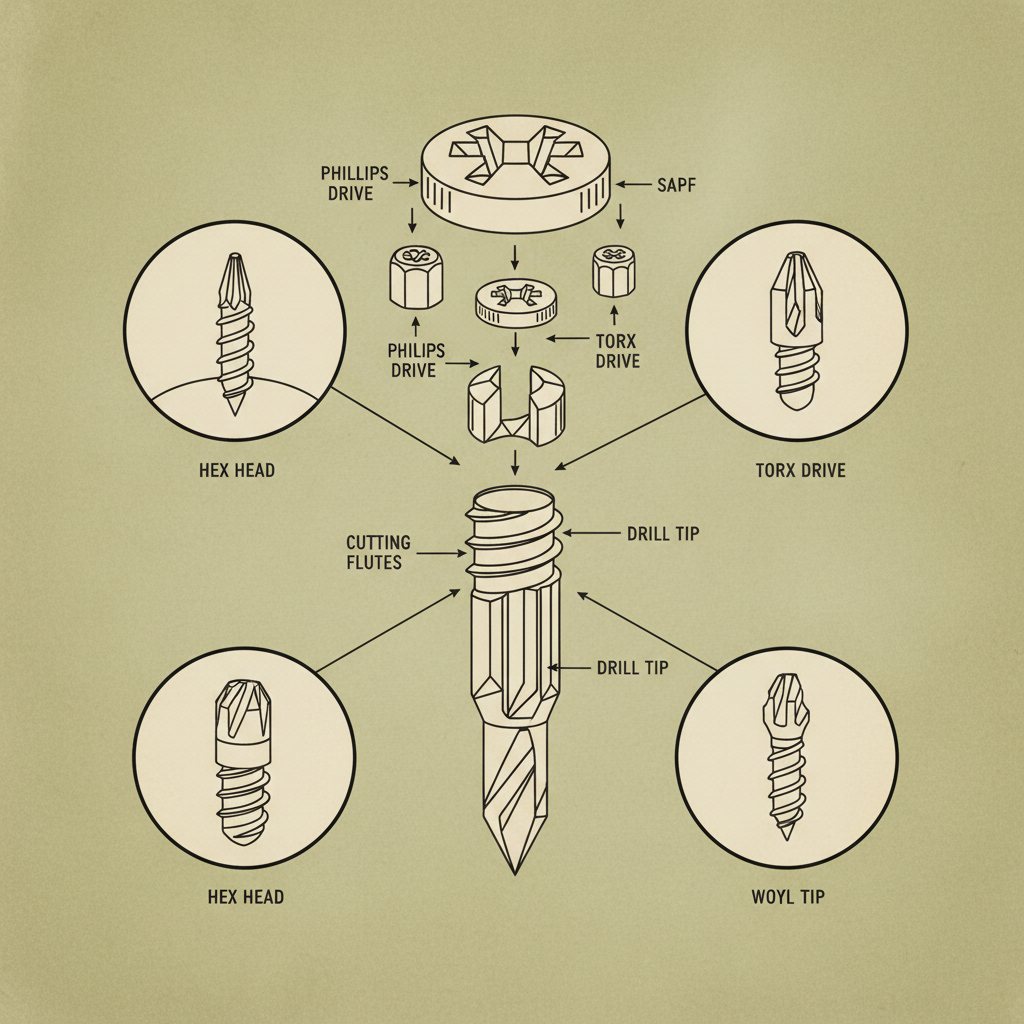
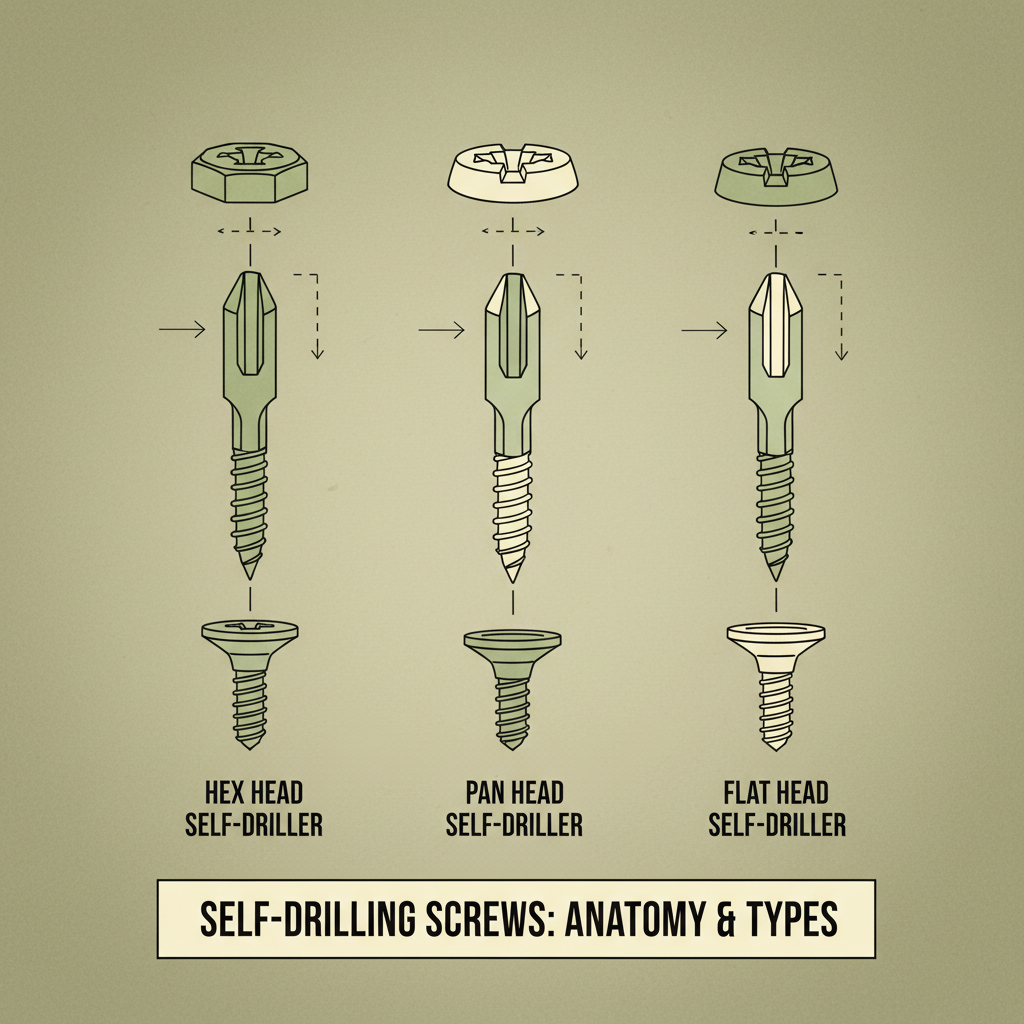
Then there’s titanium… oh, titanium. Expensive as all get out, but incredibly strong and corrosion-resistant. Mostly used in aerospace, but I’ve seen it creep into high-end construction projects where they really want to make a statement. And don’t even get me started on the different head types. Flat, pan, round, truss… each one has its place.
Decoding the Screw: Key Material Considerations
Have you noticed how everyone’s obsessed with zinc coatings? It's the default, right? But there are different levels of zinc coating. You’ve got your electrogalvanized, which is okay for indoor use. Then you’ve got hot-dip galvanized, which is much more durable but also a bit thicker and can interfere with some connections. And then there's ceramic coatings, they are really becoming popular. They're expensive, but they offer superior corrosion resistance and can handle high temperatures. I've also seen polymer coatings – they're good for preventing galvanic corrosion when you're joining different metals. It's a whole chemistry lesson, really. You've gotta understand the materials to pick the right screw.
What's crucial, though, is the quality control. I’ve seen screws with inconsistent coatings – thin spots, bubbles, you name it. That's a recipe for disaster. You’ll be back on the roof in six months, replacing them all. It’s always a trade-off between cost and longevity.
The steel itself matters, too. There’s a lot of variation in steel grades. You want something with good tensile strength and shear strength. But it's not just about the numbers. You need to feel the steel. A good screw will have a solid, substantial weight to it. A cheap one will feel… flimsy.
The Pitfalls of Poor Design
Anyway, I think one of the biggest mistakes I see is people skimping on the thread design. You need a thread that’s aggressive enough to bite into the material, but not so aggressive that it strips the metal. It's a fine line. And the thread pitch is important, too. A wider pitch is good for softer materials, while a narrower pitch is better for harder materials.
The point of the screw matters as well. You want a sharp, self-drilling point that can pierce the material cleanly without wandering. A dull point will just skate across the surface, leaving a scratch. I’ve seen guys spend an hour trying to get a single screw to bite, just because they were using a cheap, dull screw. It’s frustrating, and it wastes time and money. Later... Forget it, I won't mention it.
And the head shape! The wrong head shape can cause problems. A flat head screw needs to sit flush with the surface, otherwise it'll catch on everything. A pan head screw is good for general use, but it might not be strong enough for heavy-duty applications. It's all about thinking through the application and choosing the right screw for the job.
Real-World Performance Metrics
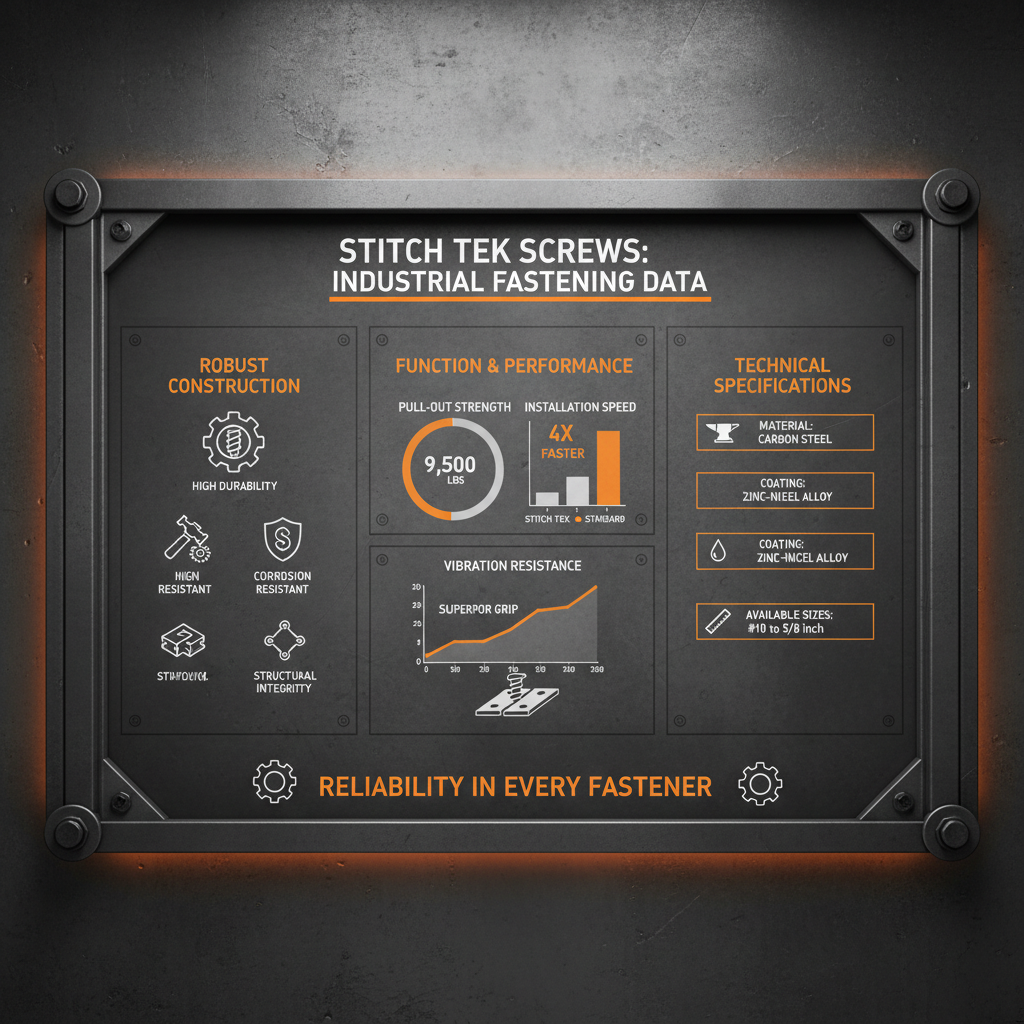
Forget the lab tests. Those are fine for getting a baseline, but the real test is on the job site. We're talking about things like pull-out strength, shear strength, and corrosion resistance, but under actual conditions. I’ve seen screws that pass all the lab tests, but fail miserably in the real world. Why? Because the lab doesn’t account for vibration, temperature fluctuations, and exposure to harsh chemicals.
I’ve started doing my own little tests, honestly. I take a sample of screws, install them in a piece of scrap material, and then leave it outside for a few months. I check it regularly for rust, corrosion, and signs of loosening. It’s not scientific, but it gives me a pretty good idea of how the screws will perform in the long run.
Performance Ratings of types of self drilling screws
How Contractors Actually Use Them
This is where things get interesting. You think contractors are following the manufacturer's instructions to the letter? Nope. They’re improvising. They’re using impact drivers instead of drills. They're over-tightening screws because "it feels more secure." They’re stripping screws because they’re rushing. They're using the wrong size bit. Honestly, it's a mess sometimes.
I saw a guy last month trying to drive a screw directly into concrete without using a masonry bit. It didn't end well. It's all about experience, I guess. They learn what works and what doesn’t through trial and error. And a lot of frustration.
Customization and Niche Applications
You’d be surprised how much customization goes on. Last month, that small boss in Shenzhen who makes smart home devices insisted on changing the interface to , and the result was a complete mess because the screws they used weren’t compatible with the new housing. Total redesign. It cost them a fortune. But sometimes it’s a good thing. We worked with a company building modular homes a while back, and they needed a screw with a specific thread pattern to connect the panels securely. We had to work with the manufacturer to develop a custom screw, and it made all the difference.
There's also a demand for screws with different head styles for aesthetic reasons. Architects want things to look clean and seamless, so they'll ask for screws with low-profile heads or color-matched coatings. It's a surprisingly big deal.
The Truth About Testing & Reliability
I’ve said it before, and I’ll say it again: lab tests are only part of the story. You need to test these things in real-world conditions. I’ve seen screws that aced all the lab tests, but failed spectacularly on the job site. The problem is that lab tests can't replicate the stresses and strains of a real construction environment. Things like vibration, temperature fluctuations, and exposure to harsh chemicals can all affect the performance of a screw.
That's why I rely on my own experience and the feedback from contractors. They’re the ones who are actually using these screws day in and day out. They know what works and what doesn’t. And they’re not afraid to tell you about it.
Look, reliability comes down to quality control. You need a manufacturer that's committed to producing consistent, high-quality screws. And you need to be willing to pay a little extra for it. Because a cheap screw can end up costing you a lot more in the long run.
Key Considerations for Selecting Self-Drilling Screws
| Material |
Coating |
Head Type |
Typical Application |
| Carbon Steel |
Zinc Plated |
Flat Head |
Interior Framing |
| Stainless Steel (304) |
None |
Pan Head |
Exterior Decking |
| Carbon Steel |
Hot-Dip Galvanized |
Hex Head |
Structural Steel Connections |
| Stainless Steel (316) |
None |
Bugle Head |
Coastal Construction |
| Carbon Steel |
Ceramic Coating |
Truss Head |
High-Temperature Applications |
| Aluminum |
Anodized |
Oval Head |
Lightweight Structures |
FAQS
Honestly? Underestimating the environment. People think a screw is a screw, but salt air, extreme temperatures, and constant vibration can destroy a screw quickly. You have to pick the right material and coating for the job. Otherwise, you're just wasting your time and money. It's not always about the cheapest option. I’ve seen it too many times.
Massively important. You need a bit that’s the right size and type for the screw and the material you’re drilling into. Using the wrong bit can damage the screw head, strip the threads, or even break the screw. I always recommend using a high-quality bit and replacing it when it gets dull. Trust me, it’s worth the investment. A dull bit will just cause frustration and wasted screws.
There are, but they’re usually a compromise. You can get screws that claim to work in both, but they generally won't perform as well as a screw specifically designed for one material or the other. For metal, you need a screw with a harder core and a sharper point. For wood, you need a screw with a coarser thread and a deeper pitch. If you’re working with both, I recommend using separate screws for each.
For certain applications, absolutely. Ceramic coatings offer incredible corrosion resistance and can withstand extremely high temperatures. They're ideal for environments where you're dealing with harsh chemicals or saltwater. They’re not necessary for every project, of course, but if you need that level of protection, they’re worth the investment. I’ve used them on a few marine projects and they held up remarkably well.
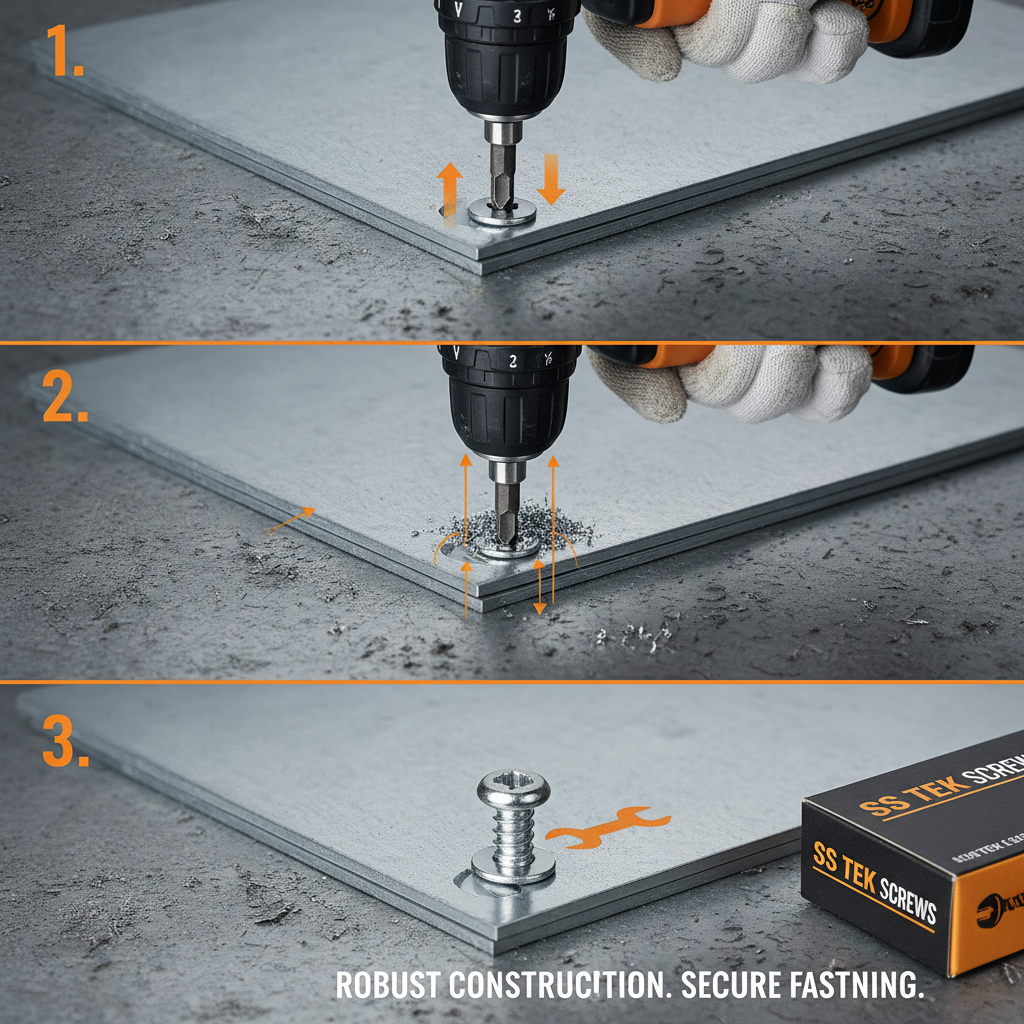
Don't overtighten! Use a clutch on your drill or impact driver and set it to the appropriate torque. Also, make sure you're using the correct bit size and type. And don’t try to force it. If the screw isn’t going in easily, stop and check what’s going on. Sometimes you just need to pre-drill a pilot hole. It’s better to take your time and do it right than to strip the screw head and have to deal with the mess.
Feel the weight in your hand, a cheap screw will feel light, good screws have a substantial weight. Inspect the coating for uniformity, bubbles or thin spots are a red flag. Check the head for crisp, well-defined features. Don't be afraid to ask for certification paperwork from the supplier. And, honestly, if the price seems too good to be true, it probably is.
Conclusion
Ultimately, there’s a whole world of types of self drilling screws out there, and choosing the right one can make or break a project. From material selection and coating options to thread design and head type, every detail matters. It’s about understanding the application, anticipating the challenges, and picking a screw that can handle the job.
And you know what? At the end of the day, it doesn’t matter how much you talk about tensile strength or corrosion resistance. It doesn’t matter what the lab tests say. Whether this thing works or not, the worker will know the moment he tightens the screw. That's the bottom line. Check out types of self drilling screws for more info.