
Ultimate Guide to Stability and Use of Nail Expansion Anchor
Mastering Stability: The Ultimate Guide to the Nail Expansion Anchor
When it comes to securing fixtures in masonry or concrete, the reliability of your fastening system is non-negotiable. The nail expansion anchor provides an efficient, high-strength solution for medium-duty applications, blending the ease of a nail with the gripping power of an expansion bolt. Whether you are managing a large-scale construction project or a precise industrial installation, understanding the mechanics of these fasteners is key to ensuring long-term structural integrity. In this comprehensive guide, we will explore the technical advantages, installation best practices, and material specifications that make these anchors a staple in the global trade of fasteners.
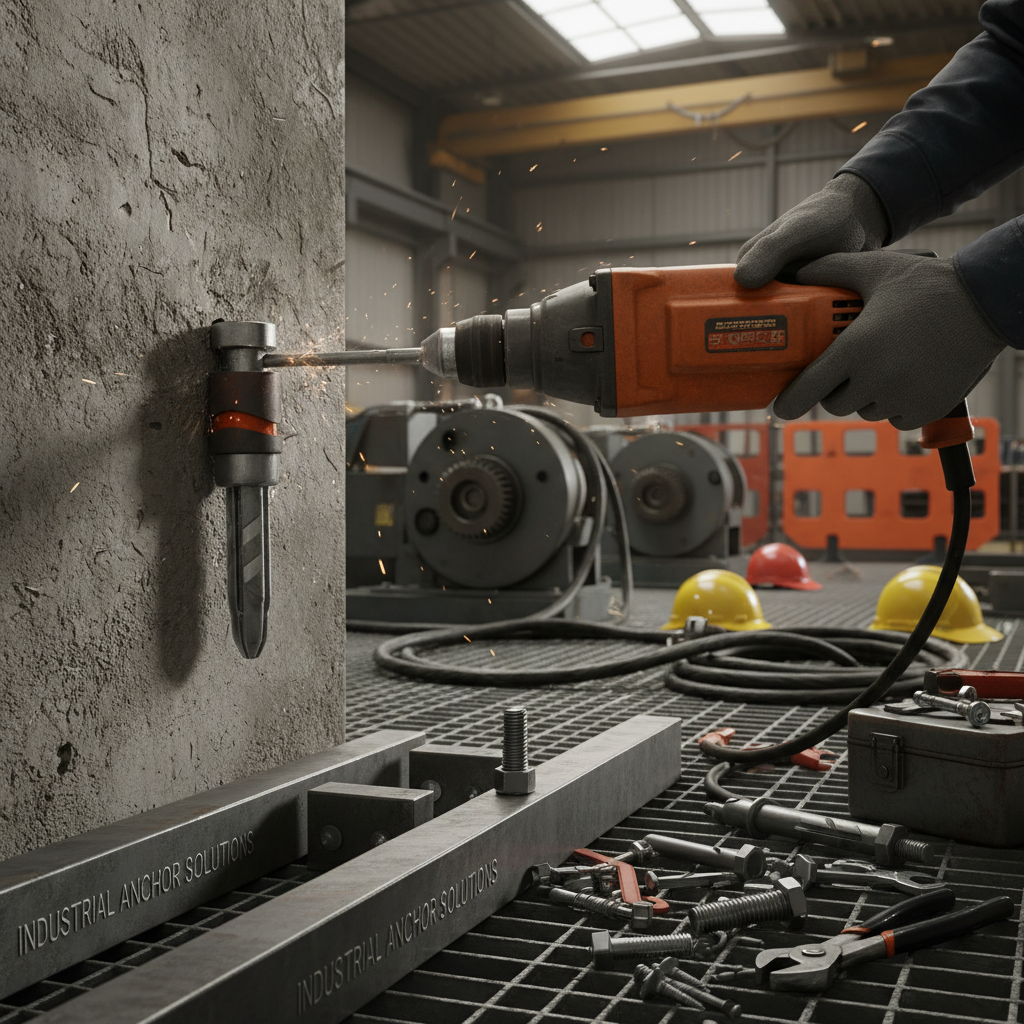
How the Nail Expansion Anchor Works
The fundamental principle behind the nail expansion anchor is friction and mechanical interference. Unlike standard nails that rely solely on surface friction, these anchors feature a sleeve or a specialized tip that expands against the walls of a pre-drilled hole. As the nail is driven in, the expansion mechanism forces the anchor to grip the concrete tightly, creating a secure bond that resists pull-out forces. This mechanism makes them ideal for applications where speed of installation is required without sacrificing the stability typically associated with traditional bolts.
Pro Tip: Always ensure the drill bit diameter matches the anchor diameter exactly. A hole that is too large will prevent the expansion mechanism from gripping the substrate, leading to potential failure.
Material Selection for Nail Expansion Anchors
Choosing the right material for your nail expansion anchor is critical to preventing corrosion and ensuring load-bearing capacity. Most industrial anchors are manufactured from carbon steel, stainless steel, or zinc-plated alloys. Carbon steel offers excellent strength for indoor use, while stainless steel (such as 304 or 316 grade) is essential for coastal or outdoor environments where moisture and salt can lead to rapid oxidation. The coating applied to the anchor not only prevents rust but also reduces friction during the initial driving phase, allowing for a smoother installation process.
Comparing Nail Expansion Anchors vs. Traditional Bolts
While both are designed for masonry, the choice between a nail expansion anchor and a traditional expansion bolt depends on the load requirement and time constraints. Nail anchors are significantly faster to install because they don't require the tightening of a nut. However, for heavy-duty structural loads, traditional bolts offer higher shear and tension strength. For most light-to-medium commercial fixtures, the nail expansion style is the more cost-effective and labor-efficient choice.
Common Applications for the Nail Expansion Anchor
The versatility of the nail expansion anchor makes it an essential tool across various sectors. In interior design, they are widely used for mounting shelving units and decorative panels to concrete walls. In the electrical sector, they are perfect for securing conduit clips and junction boxes. Additionally, in parking garage construction, they are often employed for fixing signage and safety barriers. Because they provide a flush finish, they are also preferred for architectural projects where the fastener must remain unobtrusive.
Technical Specifications of Nail Expansion Anchors
To ensure the safety of any installation, it is paramount to adhere to the technical specifications provided by the manufacturer. A high-quality nail expansion anchor should maintain strict tolerances in diameter and length to ensure consistent expansion. Below is a typical specification table for standard industrial nail anchors used in general construction.
Conclusion: Choosing the Right Fastening Solution
The nail expansion anchor represents a perfect balance between installation efficiency and reliable holding power. By selecting the appropriate material and adhering to strict installation specifications, you can significantly reduce labor costs while maintaining high safety standards. Whether you are a contractor or a procurement manager, investing in quality fasteners is an investment in the longevity of your project. Trust in professional-grade anchors to ensure your structures remain secure for years to come.
Frequently Asked Questions (FAQs)
Can a nail expansion anchor be removed once installed?
Removing a nail expansion anchor is more challenging than removing a screw because the anchor is designed to expand and grip the concrete permanently. The most common method for removal is to carefully drive the head of the anchor deeper into the wall or use a grinder to cut the head off flush with the surface. Once the head is removed, the remaining shank can often be drilled out. However, because these are designed as permanent fasteners, it is always recommended to plan your placement carefully before installation.
Which substrate is best for using these anchors?
Nail expansion anchors perform best in hard, dense substrates such as cured concrete, solid brick, and natural stone. They rely on the wall of the hole providing a strong counter-force against the expanding sleeve. They are generally not recommended for use in soft materials like drywall, plaster, or lightweight aerated concrete, as these materials may crumble under the pressure of expansion, leading to a loss of grip and potential failure of the fixture.
How do I prevent the anchor from slipping during installation?
Slippage usually occurs due to an incorrectly sized hole or debris left inside the drilled cavity. To prevent this, first ensure you are using the exact drill bit size specified for the anchor. Secondly, use a blow pump or compressed air to clear all dust and rubble from the hole before inserting the anchor. If dust remains, it can act as a lubricant or create a gap that prevents the expansion mechanism from engaging fully with the concrete wall, causing the anchor to spin or slide.
Where can I source high-quality industrial anchors in bulk?
For those seeking industrial-grade fasteners with consistent quality and competitive pricing, sourcing from a professional manufacturer is key. You can find a wide range of specifications and materials, including stainless steel and galvanized options, at the HBXZ Fastener website. They specialize in providing high-performance fastening solutions for the global trade market, ensuring that every batch meets international safety and durability standards.
-
Guide to High Quality Stainless Steel Expansion FastenersNewsApr.16,2026
-
Ultimate Guide to Industrial Sheet Metal Expansion AnchorsNewsApr.16,2026
-
High Efficiency Fastening Guide for Plastic Expansion RivetsNewsApr.16,2026
-
Plastic Expanding Nut Guide for Applications and BenefitsNewsApr.16,2026
-
Ultimate Guide to Stability and Use of Nail Expansion AnchorNewsApr.16,2026
-
Guide to Choosing and Installing the Right Metal Expansion ScrewNewsApr.16,2026