
Guide to Choosing and Installing the Right Metal Expansion Screw
The Ultimate Guide to Choosing the Right Metal Expansion Screw
When securing heavy fixtures to concrete, brick, or stone, the reliability of your fasteners can make or break the structural integrity of your project. The metal expansion screw is an indispensable tool in modern construction, designed to provide a powerful, permanent grip by expanding against the walls of a pre-drilled hole. Whether you are installing industrial machinery, mounting heavy shelving, or working on infrastructure, understanding the mechanics and specifications of these fasteners is key to safety. In this comprehensive guide, we will explore the various types, installation methods, and critical selection criteria to ensure your installations remain secure for decades.
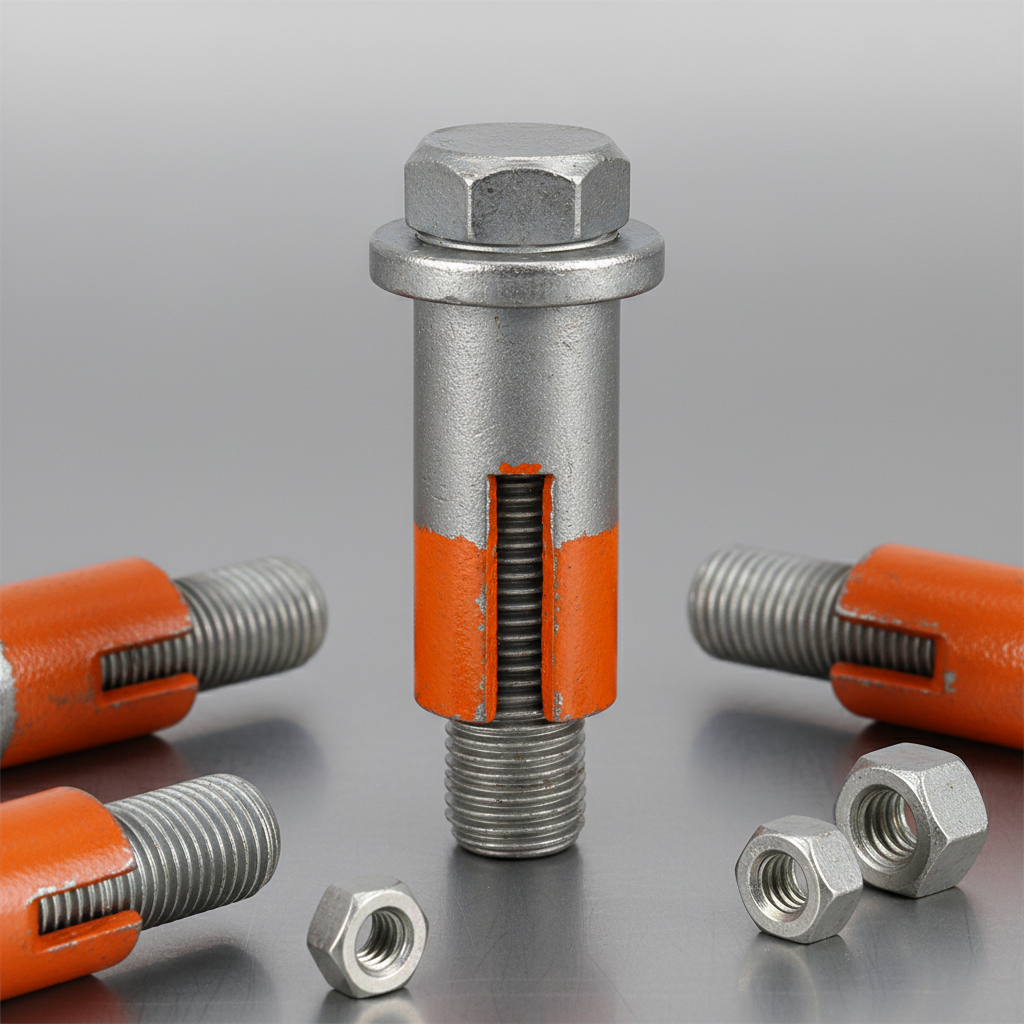
How a Metal Expansion Screw Works
The fundamental principle of a metal expansion screw is based on friction and mechanical tension. When the bolt is tightened, the expanding sleeve or wedge is forced outward, creating an immense amount of pressure against the interior of the substrate. This creates a high-friction bond that resists pull-out forces. High-grade carbon steel or stainless steel is typically used to ensure that the screw does not deform under extreme loads, providing a stable connection even in high-vibration environments.
Pro Tip: Always ensure the drill hole is cleaned of dust and debris before insertion; leftover powder can act as a lubricant, significantly reducing the friction and load-bearing capacity of the expansion mechanism.
Comparing Types of Metal Expansion Screws
Not all expansion fasteners are created equal. Depending on the load requirement and the base material, you may choose between wedge anchors, sleeve anchors, or drop-in anchors. While a standard metal expansion screw is versatile, choosing the specific subtype can optimize the installation speed and the strength of the hold. Below is a comparison to help you decide which one fits your specific application.
Key Material Specifications for Metal Expansion Screws
The environment where you install your metal expansion screw determines the material you should select. For indoor, dry environments, zinc-plated carbon steel is often sufficient. However, for coastal regions or chemical plants, 304 or 316 stainless steel is mandatory to prevent corrosion. Using the wrong material can lead to "stress corrosion cracking," which may cause the anchor to fail unexpectedly.
Step-by-Step Installation of the Metal Expansion Screw
Proper installation is the only way to ensure the rated load capacity of a metal expansion screw is achieved. Following these steps reduces the risk of splitting the concrete or under-tightening the bolt:
1. Drilling: Use a masonry drill bit that matches the exact diameter of the anchor sleeve.
2. Cleaning: Use compressed air or a brush to remove all dust from the hole.
3. Insertion: Drive the anchor into the hole using a hammer until the washer is flush with the surface.
4. Tightening: Use a torque wrench to tighten the nut to the manufacturer's specified value to engage the expansion wedge.
Technical Data and Standard Sizing
Standardization is crucial for global trade and engineering. Most metal expansion screws follow DIN or ISO standards. This ensures that a bolt purchased from a reliable supplier like HBXZ Fastener will fit perfectly with standard nuts and washers. Refer to the table below for common sizing guidelines.
Common Mistakes to Avoid When Using Expansion Anchors
Even experienced contractors can make errors that compromise a metal expansion screw installation. The most common mistake is over-tightening, which can crack the concrete substrate, effectively destroying the anchor's grip. Conversely, under-tightening fails to fully expand the wedge. Additionally, drilling too deep can create a void that reduces the effectiveness of the expansion. Always adhere to the spacing requirements; installing anchors too close to the edge of a concrete slab can cause "edge blowout," where the concrete breaks away under tension.
Conclusion: Ensuring Stability with Premium Fasteners
The metal expansion screw is a cornerstone of modern engineering, providing the necessary strength to hold the world together. From selecting the right material (stainless vs. carbon steel) to ensuring precise installation and torque, every detail matters. By choosing high-quality fasteners from trusted manufacturers like HBXZ Fastener, you guarantee the safety and longevity of your structures. Invest in quality today to avoid costly failures tomorrow.
Frequently Asked Questions (FAQs)
Can a metal expansion screw be removed once installed?
Removing an expansion anchor is challenging because its primary purpose is to stay permanently expanded. The most common method is to unscrew the bolt and then use a hammer and punch to drive the sleeve further into the hole or use a drill to grind the head of the bolt flush with the surface and then fill the hole with epoxy. Because the expansion mechanism creates a tight mechanical bond, it is generally considered a permanent fastener. Always plan your layout carefully before installation.
What is the difference between a wedge anchor and a sleeve anchor?
A wedge anchor uses a small wedge at the bottom of the bolt to expand a sleeve into the concrete, making it ideal for heavy-duty loads in solid concrete. A sleeve anchor, however, expands the entire length of the sleeve as the nut is tightened, which makes it more suitable for softer materials like brick or block where the load needs to be distributed over a larger area. The metal expansion screw category encompasses both, but the choice depends entirely on your base material.
Which grade of stainless steel is best for outdoor expansion screws?
For most outdoor applications, Grade 304 stainless steel provides excellent corrosion resistance. However, if the installation is near the ocean (marine environments) or in areas with high salt exposure, Grade 316 stainless steel is highly recommended. Grade 316 contains molybdenum, which provides superior resistance to chlorides and pitting. Choosing the right grade for your metal expansion screw prevents rust streaks on your facade and ensures the anchor doesn't degrade over time.
What happens if the drill hole is too large?
If the drill hole is even slightly too large, the expansion sleeve will not be able to grip the walls of the substrate with enough friction. This results in a "loose" fit, and the anchor may pull out under a fraction of its rated load. In such cases, the anchor is compromised and should not be used for load-bearing purposes. If this happens, you may need to use a chemical anchor (epoxy) to fill the gap and secure the bolt, or relocate the hole entirely.
-
Guide to High Quality Stainless Steel Expansion FastenersNewsApr.16,2026
-
Ultimate Guide to Industrial Sheet Metal Expansion AnchorsNewsApr.16,2026
-
High Efficiency Fastening Guide for Plastic Expansion RivetsNewsApr.16,2026
-
Plastic Expanding Nut Guide for Applications and BenefitsNewsApr.16,2026
-
Ultimate Guide to Stability and Use of Nail Expansion AnchorNewsApr.16,2026
-
Guide to Choosing and Installing the Right Metal Expansion ScrewNewsApr.16,2026