
High Efficiency Fastening Guide for Plastic Expansion Rivets
The Ultimate Guide to Plastic Expansion Rivets: Efficiency in Fastening
In the world of modern assembly and automotive repair, finding a fastening solution that balances strength, ease of installation, and material compatibility is essential. plastic expansion rivets have emerged as a premier choice for professionals across various industries. These versatile fasteners provide a secure grip by expanding within a pre-drilled hole, creating a tight friction fit that eliminates the need for complex tools. Whether you are securing interior trim in a luxury vehicle or assembling electronic housings, understanding the nuances of these components can significantly improve your production efficiency and product quality.
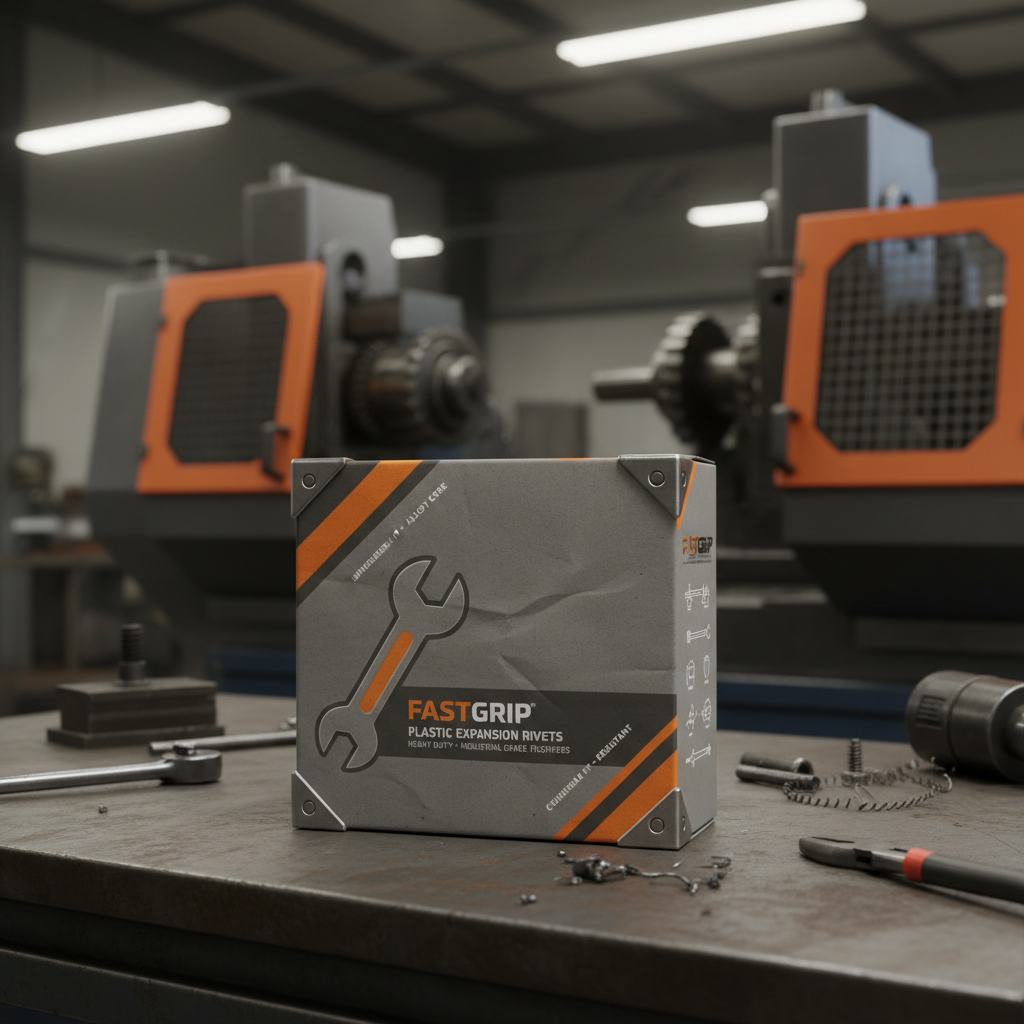
How Plastic Expansion Rivets Work
The mechanism behind plastic expansion rivets is based on the principle of radial expansion. When the center pin is pushed into the sleeve, the outer walls of the rivet are forced outward against the sides of the mounting hole. This creates a powerful mechanical lock that resists pull-out forces. Unlike traditional screws, these rivets do not rely on threading into the material, which prevents the risk of stripping threads in soft plastics or thin metal sheets. This makes them an ideal solution for blind fastening applications where access to the back of the panel is limited.
Industry Insight: Most high-quality expansion rivets are manufactured from Nylon 66 or POM (Polyoxymethylene) to ensure high tensile strength and excellent resistance to vibration.
Key Advantages of Using Plastic Fasteners
Switching to plastic expansion rivets offers several strategic advantages over metal alternatives. Firstly, they are inherently corrosion-resistant, making them perfect for environments exposed to moisture or salt. Secondly, their lightweight nature helps reduce the overall weight of the assembly, which is critical in the automotive and aerospace sectors for fuel efficiency. Additionally, the installation process is incredibly fast, often requiring nothing more than a simple push or a light tap with a mallet, which reduces labor costs and assembly time in high-volume production lines.
Comparing Plastic Expansion Rivets vs. Metal Rivets
While metal rivets are known for their extreme shear strength, they are often permanent and can damage the surrounding material during removal. In contrast, many plastic expansion rivets are designed to be removable with the correct tools, allowing for easier maintenance and part replacement. The following table highlights the core differences to help you choose the right fastener for your project.
Common Applications of Plastic Expansion Rivets
The versatility of plastic expansion rivets allows them to be used across a vast spectrum of products. In the automotive industry, they are ubiquitous for securing bumper fascia, door panels, and under-hood shields. In the consumer electronics sector, they are used to hold plastic casings together without leaving visible screw heads. Furthermore, they are widely used in furniture assembly and home appliance manufacturing where a clean, seamless look is required. Their ability to absorb vibrations makes them superior for any component subject to constant movement.
Product Specifications for Plastic Expansion Rivets
When selecting the correct plastic expansion rivets, it is critical to match the rivet dimensions to the hole diameter and the thickness of the material being joined. Using a rivet that is too small will result in a loose fit, while one that is too large may crack the substrate. Below are the typical specifications for standard industrial expansion rivets.
Conclusion: Optimizing Your Assembly with Quality Fasteners
Choosing high-quality plastic expansion rivets is more than just a matter of convenience; it is a decision that impacts the longevity and professionalism of your finished product. By leveraging the unique properties of polymer materials and the efficiency of expansion technology, businesses can reduce costs and improve structural integrity. Whether you are in the automotive, electronics, or industrial manufacturing sector, investing in the right fastening solutions ensures a secure, durable, and aesthetically pleasing result. Explore the full range of professional fastening options to elevate your assembly standards today.
Frequently Asked Questions (FAQs)
What is the best material for plastic expansion rivets?
The best material depends on the environment, but Nylon 66 is the most common choice due to its exceptional balance of strength, flexibility, and heat resistance. For applications requiring even higher rigidity and lower friction, POM (Polyoxymethylene) is often preferred. Both materials ensure that the plastic expansion rivets maintain their grip over time without becoming brittle, even when exposed to varying temperature cycles typical in automotive engines or outdoor equipment.
Can plastic expansion rivets be reused?
While some high-quality expansion rivets are designed for multiple uses, it is generally recommended to use a new rivet for every installation. The expansion process involves a degree of plastic deformation to create the friction lock; reusing the rivet can lead to a loss of tension and a weaker hold. To ensure maximum safety and structural integrity, always replace the fastener during maintenance, especially in high-vibration areas where the original rivet may have experienced fatigue.
How do I determine the correct size for my application?
The most important measurement is the diameter of the pre-drilled hole. You should select a rivet with a shank diameter that matches the hole size exactly. Additionally, consider the "grip range," which is the total thickness of the materials being joined. If the materials are too thin, the rivet may not expand enough to hold; if they are too thick, the pin may not fully seat. We recommend using a digital caliper for precise measurements and referring to the product specifications on the HBXZ Fastener website.
Are plastic rivets strong enough for heavy-duty use?
Plastic expansion rivets are designed for medium-duty fastening. While they cannot replace heavy-duty steel bolts in structural load-bearing frames, they are more than sufficient for panels, trims, and interior components. Their strength lies in their ability to distribute pressure evenly across the hole surface, reducing the risk of cracking the substrate. For most automotive and electronic applications, they provide the perfect blend of strength and weight efficiency.
-
Guide to High Quality Stainless Steel Expansion FastenersNewsApr.16,2026
-
Ultimate Guide to Industrial Sheet Metal Expansion AnchorsNewsApr.16,2026
-
High Efficiency Fastening Guide for Plastic Expansion RivetsNewsApr.16,2026
-
Plastic Expanding Nut Guide for Applications and BenefitsNewsApr.16,2026
-
Ultimate Guide to Stability and Use of Nail Expansion AnchorNewsApr.16,2026
-
Guide to Choosing and Installing the Right Metal Expansion ScrewNewsApr.16,2026