
Comprehensive Guide to 12mm Hex Head Bolt Applications and Standards
Understanding the 12mm Hex Head Bolt: A Comprehensive Guide
The 12mm hex head bolt is a foundational fastener in countless industries, from construction and automotive to machinery and infrastructure. Its robust design and reliable performance make it a critical component in secure assemblies. This article delves into the characteristics, applications, standards, and advantages of the 12mm hex head bolt, providing a detailed resource for engineers, procurement professionals, and anyone needing a comprehensive understanding of this essential fastener. Choosing the right bolt ensures the integrity and longevity of your projects.
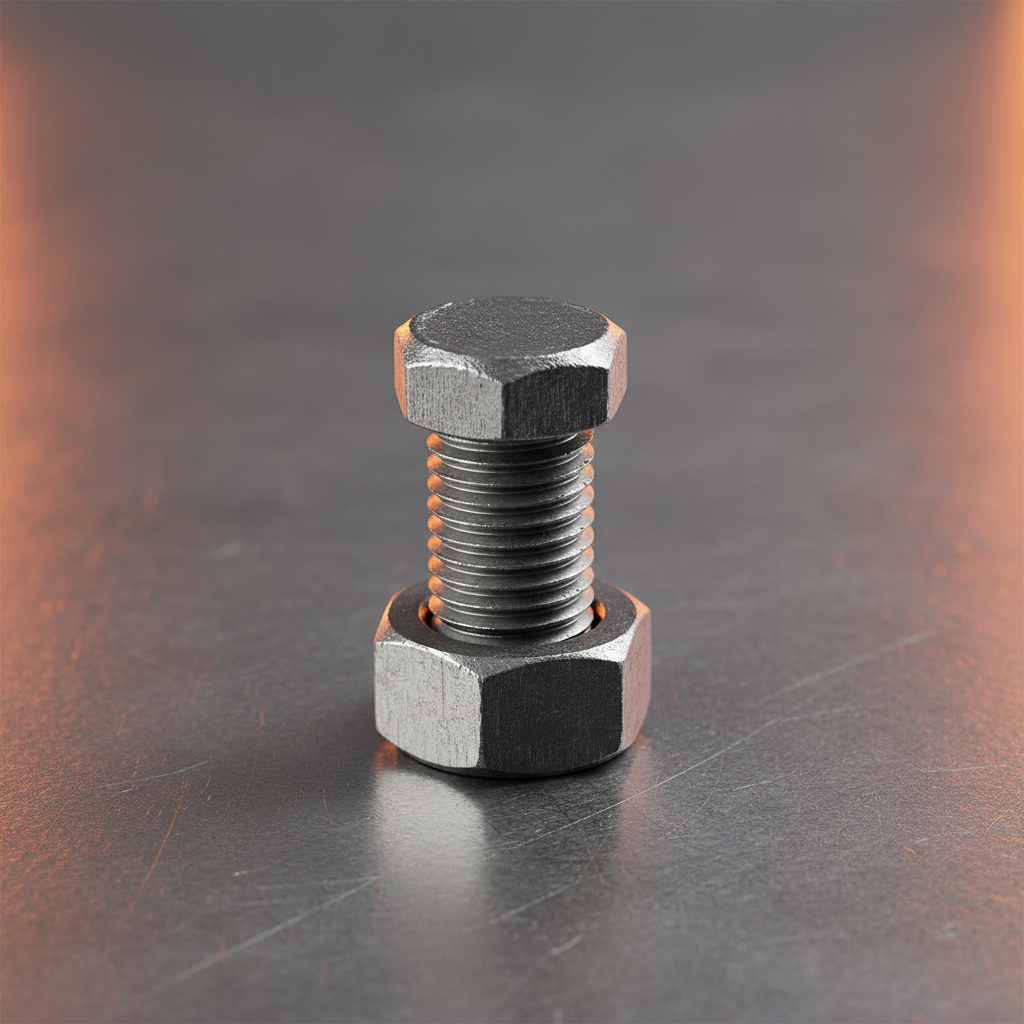
What is a 12mm Hex Head Bolt?
A 12mm hex head bolt, also known as a hexagonal head bolt, is a type of threaded fastener characterized by its six-sided head. The '12mm' refers to the diameter of the bolt’s threaded portion. This size is a common metric dimension, widely used globally. The hexagonal head allows for tightening and loosening with a wrench or socket, providing excellent torque application. These bolts are typically manufactured from various materials, including carbon steel, alloy steel, and stainless steel, each offering distinct properties for different applications. HBXZ Fastener offers a wide range of materials to suit your specific needs.
Key Highlights: A 12mm hex head bolt provides a secure and reliable fastening solution, enabling efficient and robust assemblies across a broad spectrum of industrial applications.
Common Materials Used for 12mm Hex Head Bolts
The choice of material significantly impacts the bolt’s performance. Carbon steel is a popular choice due to its strength and cost-effectiveness, often treated with coatings like zinc for corrosion resistance. Alloy steel provides even greater strength and durability, suitable for high-stress applications. Stainless steel, such as 304 or 316, offers exceptional corrosion resistance, ideal for outdoor or harsh environments. Understanding the material properties is crucial for selecting the appropriate bolt for a specific application. HBXZ Fastener stocks bolts in a variety of these materials.
Material Comparison:
• Carbon Steel: High strength, cost-effective, requires coating for corrosion resistance.
• Alloy Steel: Superior strength and durability, suitable for high-stress applications.
• Stainless Steel: Excellent corrosion resistance, ideal for outdoor and harsh environments.
Applications of the 12mm Hex Head Bolt
The versatility of the 12mm hex head bolt extends to numerous industries. In the automotive sector, it’s used extensively in engine components, chassis assembly, and suspension systems. Construction relies on these bolts for structural connections in buildings, bridges, and infrastructure projects. Machinery manufacturing utilizes them in assembling equipment, while the aerospace industry employs high-strength alloy steel versions. Essentially, any application requiring a strong, reliable, and easily installed fastener benefits from the use of a 12mm hex head bolt.
12mm Hex Head Bolt Standards and Grades
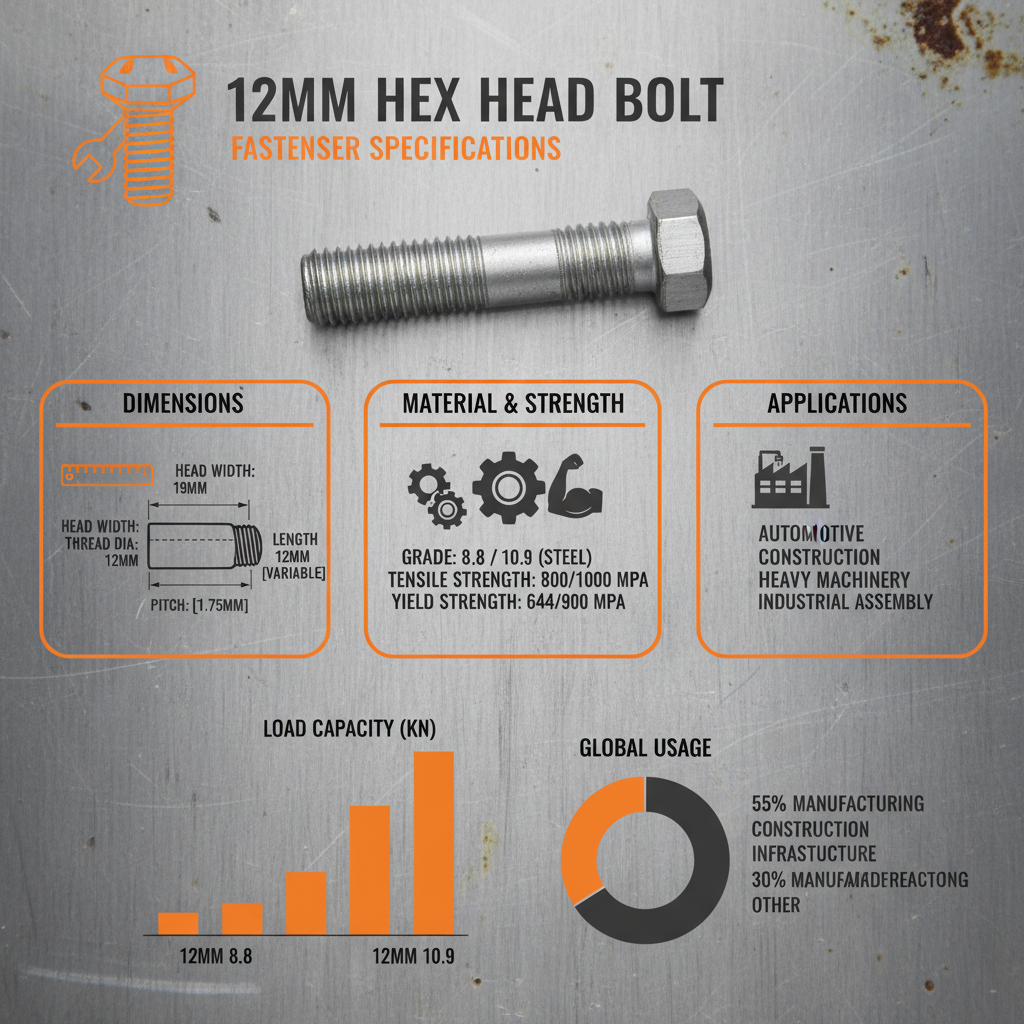
These bolts are manufactured to meet various international standards, ensuring quality and reliability. Common standards include ISO 898-1 (metric bolts) and DIN 936 (hex bolts). Bolt grades, denoted by numbers and letters (e.g., 8.8, 10.9, A2-70), indicate tensile strength and yield strength. Higher grades offer greater strength and are suitable for more demanding applications. HBXZ Fastener can provide bolts compliant with all major standards and grades.
Choosing the Right 12mm Hex Head Bolt
Selecting the correct 12mm hex head bolt requires careful consideration of several factors. Determine the load requirements, environmental conditions, and applicable standards. Material selection is crucial; stainless steel for corrosion resistance, alloy steel for high strength. Verify the bolt grade to ensure it meets the necessary strength specifications. Proper bolt sizing and length are also essential for secure and reliable fastening. HBXZ Fastener’s expert team can assist you in choosing the optimal bolt for your application.
Conclusion: The Importance of Quality Fasteners
The 12mm hex head bolt is a deceptively simple yet critically important component in countless applications. Choosing high-quality bolts from a reputable supplier like HBXZ Fastener ensures the safety, reliability, and longevity of your assemblies. Invest in quality fasteners – it's an investment in peace of mind.
Frequently Asked Questions (FAQs)
What is the difference between ISO 898-1 and DIN 936?
While both ISO 898-1 and DIN 936 specify requirements for hexagonal head bolts, ISO 898-1 is the international standard, and DIN 936 is a German standard that often aligns with ISO 898-1. ISO 898-1 provides a broader range of specifications and is more globally recognized. Often, DIN 936 bolts will meet the requirements of ISO 898-1, but it's essential to verify compliance with the specific standards required for your application. The key difference lies in the scope and the governing body defining the standard.
What does a 'Class 8.8' bolt indicate?
A 'Class 8.8' bolt indicates its tensile strength and yield strength. The first number (8) represents one-tenth of the ultimate tensile strength in MPa (megapascals), meaning 800 MPa. The second number (8) represents two-thirds of the yield strength in MPa, meaning 533 MPa. Therefore, a Class 8.8 bolt has a minimum tensile strength of 800 MPa and a minimum yield strength of 533 MPa. Higher class bolts offer increased strength but may be more brittle.
How do I prevent corrosion on carbon steel bolts?
Several methods can prevent corrosion on carbon steel bolts. Applying a protective coating, such as zinc plating, galvanization, or black oxide, is a common approach. Using corrosion-inhibiting compounds or greases during assembly can also provide protection. In particularly harsh environments, consider using stainless steel bolts or implementing regular inspection and maintenance programs. Proper storage in a dry environment also helps prevent corrosion.
What torque should I apply to a 12mm hex head bolt?
The appropriate torque depends on several factors, including the bolt material, grade, thread size, and lubrication. Refer to torque charts provided by bolt manufacturers or engineering handbooks. Tightening bolts to the correct torque is crucial to prevent loosening or damaging the bolt and connected components. Over-tightening can strip threads, while under-tightening can lead to failure. It’s always best to consult a torque specification table specific to your application.
-
Guide to High Quality Stainless Steel Expansion FastenersNewsApr.16,2026
-
Ultimate Guide to Industrial Sheet Metal Expansion AnchorsNewsApr.16,2026
-
High Efficiency Fastening Guide for Plastic Expansion RivetsNewsApr.16,2026
-
Plastic Expanding Nut Guide for Applications and BenefitsNewsApr.16,2026
-
Ultimate Guide to Stability and Use of Nail Expansion AnchorNewsApr.16,2026
-
Guide to Choosing and Installing the Right Metal Expansion ScrewNewsApr.16,2026