
Comprehensive Guide to 6mm Hex Head Bolts Applications and Specifications
Understanding 6mm Hex Head Bolts: A Comprehensive Guide
6mm hex head bolts are a fundamental fastening component across numerous industries. These bolts, characterized by their hexagonal heads and 6mm diameter, provide a secure and reliable method for joining materials. Whether you're involved in machinery assembly, construction, automotive repair, or DIY projects, understanding the specifications, applications, and quality considerations of these bolts is crucial. This article will provide an in-depth look at 6mm hex head bolts, covering their properties, uses, standards, and how to source the best options from a trusted supplier like HBXZ Fastener. Choosing the right bolt ensures structural integrity and project success.
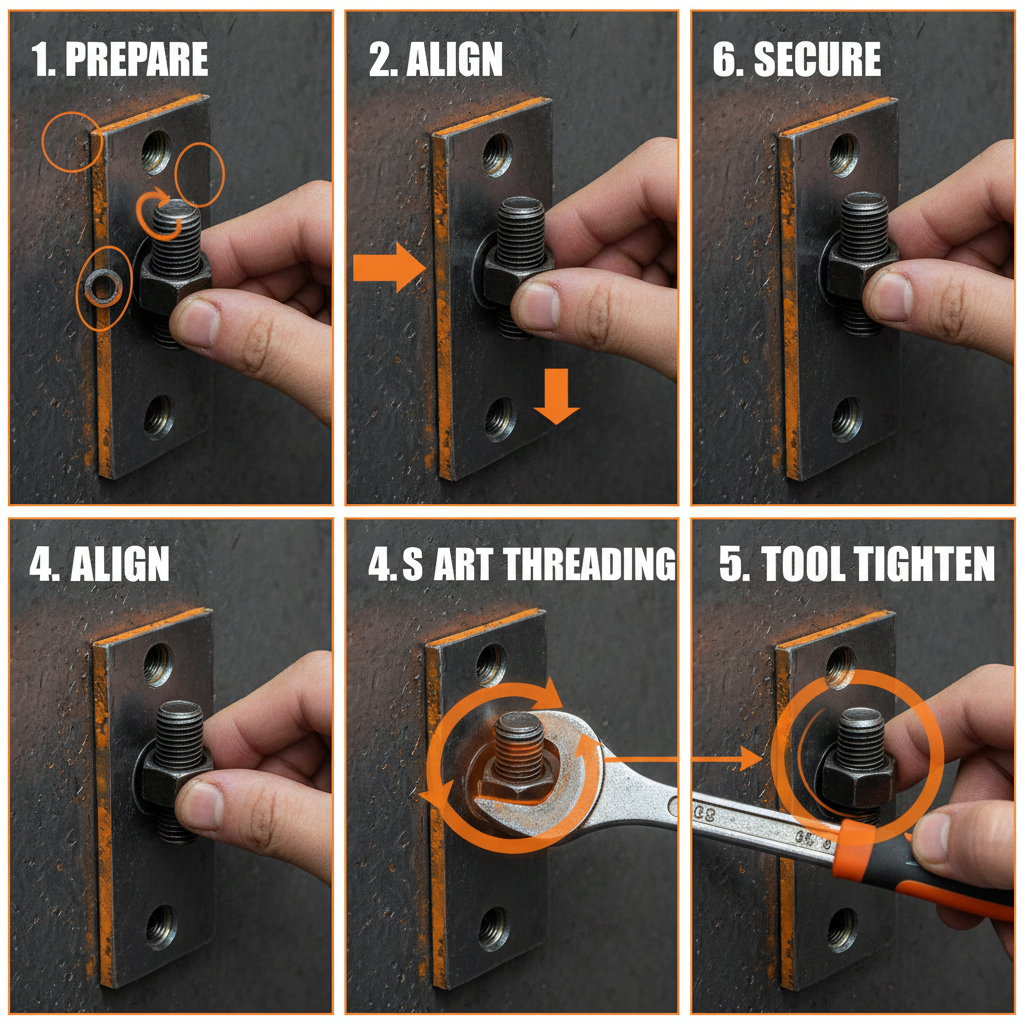
What are 6mm Hex Head Bolts?
A 6mm hex head bolt is a fastener featuring a hexagonal (six-sided) head and a 6mm diameter thread. The hexagonal head allows for easy tightening and loosening using a wrench or socket. These bolts are commonly made from steel, stainless steel, or alloy steel, with various finishes available to enhance corrosion resistance. The 6mm designation refers to the nominal diameter of the threaded portion. They are typically fully threaded, meaning threads extend along the entire shank length, or partially threaded, depending on the application. Understanding these basic features is important when selecting the correct bolt for your needs.
Key Highlights: Available in various materials (steel, stainless steel, alloy steel), finishes, and thread types to meet diverse application requirements. Known for their strength, reliability, and ease of installation.
Applications of 6mm Hex Head Bolts
The versatility of 6mm hex head bolts makes them suitable for a wide array of applications. They're frequently used in:
- Machinery Assembly: Securing components in various machines and equipment.
- Automotive Industry: Used in engine parts, chassis, and bodywork.
- Construction: Fastening structural elements and building materials.
- Furniture Assembly: Joining wooden or metal parts in furniture construction.
- Electronics: Securing components within electronic devices.
Application Benefits:
• High strength and reliability
• Easy installation and removal
• Wide availability and cost-effectiveness
• Suitable for diverse materials
6mm Hex Head Bolt Materials and Finishes
Choosing the right material and finish for your 6mm hex head bolts is crucial for ensuring durability and corrosion resistance. Common materials include:
Choosing the Right 6mm Hex Head Bolt Supplier
Selecting a reliable supplier is paramount to ensure you receive high-quality 6mm hex head bolts that meet your specifications. HBXZ Fastener is a leading provider of fasteners, offering a comprehensive range of 6mm hex head bolts in various materials, finishes, and standards. They are committed to quality control, competitive pricing, and timely delivery. A reputable supplier will also provide technical support and assistance in selecting the optimal bolts for your application.
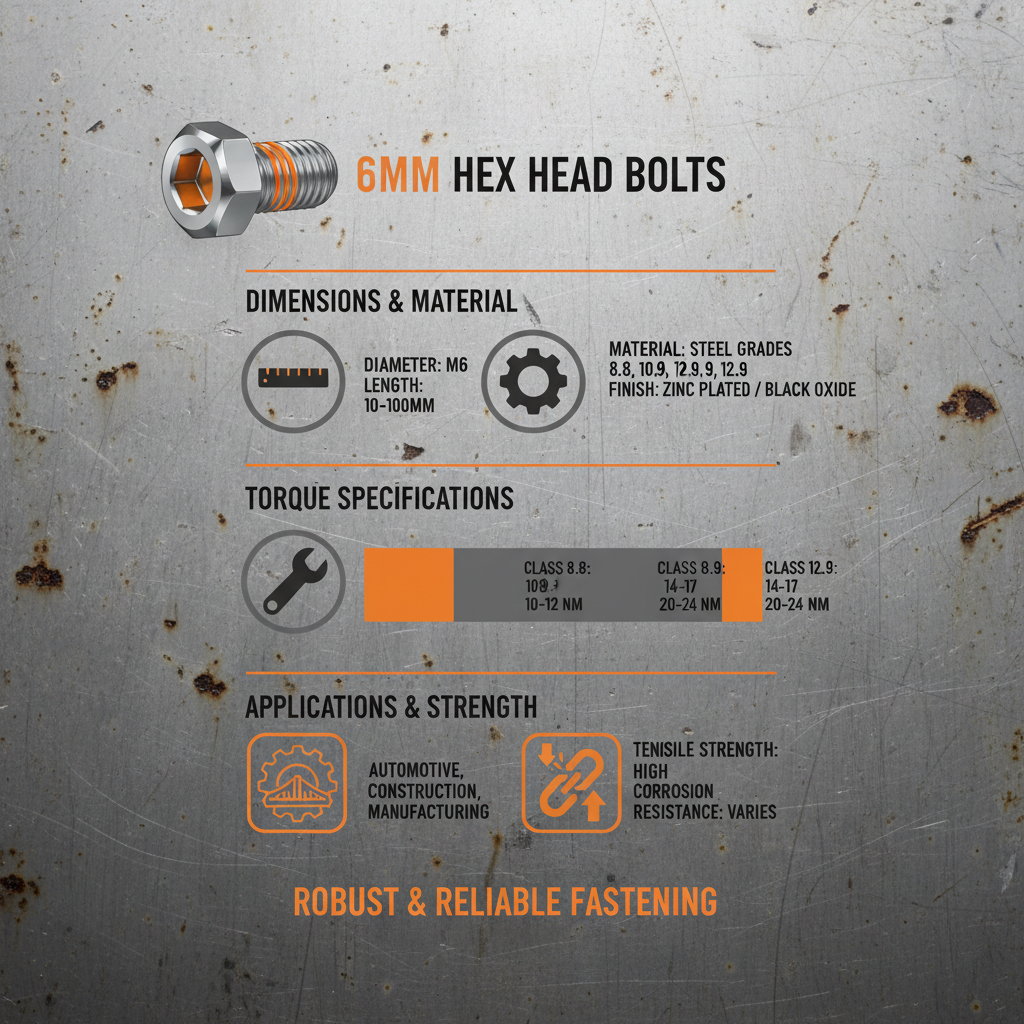
Standards and Specifications for 6mm Hex Head Bolts
6mm hex head bolts are manufactured to adhere to various international standards, ensuring compatibility and quality. Common standards include:
- DIN 933: Metric hex bolts, partially threaded.
- ISO 4014: Hex bolts with fine pitch threads.
- ASTM A307: Carbon steel bolts for general purpose applications.
- ASTM A325 / A325M: High-strength structural bolts.
Conclusion: Securing Your Projects with Quality 6mm Hex Head Bolts
Choosing the right 6mm hex head bolts is vital for the success and safety of any project. By understanding their applications, materials, standards, and sourcing them from a trusted supplier like HBXZ Fastener, you can ensure a secure and reliable fastening solution. Don't compromise on quality – invest in the right bolts for the job.
Frequently Asked Questions (FAQs)
What grade of 6mm hex head bolt should I use for structural applications?
For structural applications, it's essential to use a high-strength grade bolt, typically Grade 8.8 or Grade 10.9. These bolts offer superior tensile strength and yield strength, ensuring a robust and secure connection. Always consult with a structural engineer to determine the appropriate grade for your specific application and load requirements. Using a lower grade bolt could compromise the structural integrity and safety of the assembly.
What is the difference between a fully threaded and partially threaded 6mm hex head bolt?
A fully threaded 6mm hex head bolt has threads along the entire length of the shank, making it suitable for applications where the bolt needs to engage with a threaded hole across its entire length. A partially threaded bolt has threads only on a portion of the shank, typically used when clamping materials together without needing full-length engagement. The choice depends on the specific application and the thickness of the materials being joined.
How do I identify the material of a 6mm hex head bolt?
Identifying the material can be challenging without markings. However, bolts are often marked on the head with grade information. Stainless steel bolts generally have a brighter, more polished appearance. You can also perform a magnet test; carbon steel bolts will be magnetic, while most stainless steel bolts are non-magnetic. If markings are unclear or absent, it’s best to consult the supplier or conduct a material testing if material identification is critical.
-
Guide to High Quality Stainless Steel Expansion FastenersNewsApr.16,2026
-
Ultimate Guide to Industrial Sheet Metal Expansion AnchorsNewsApr.16,2026
-
High Efficiency Fastening Guide for Plastic Expansion RivetsNewsApr.16,2026
-
Plastic Expanding Nut Guide for Applications and BenefitsNewsApr.16,2026
-
Ultimate Guide to Stability and Use of Nail Expansion AnchorNewsApr.16,2026
-
Guide to Choosing and Installing the Right Metal Expansion ScrewNewsApr.16,2026