
Comprehensive Guide to Expansion Anchors for Secure Fastening Solutions
Understanding Expansion Anchors: A Comprehensive Guide
Expansion anchors are essential fasteners used in a wide range of construction and industrial applications. They provide a secure hold in concrete, brick, and other masonry materials by expanding within the hole. Choosing the right expansion anchor depends on the specific application, load requirements, and the material being fastened. This article will delve into the different types of expansion anchors, their uses, installation techniques, and crucial considerations for selecting the best anchor for your needs. Properly installed expansion anchors are critical for safety and structural integrity in countless projects.
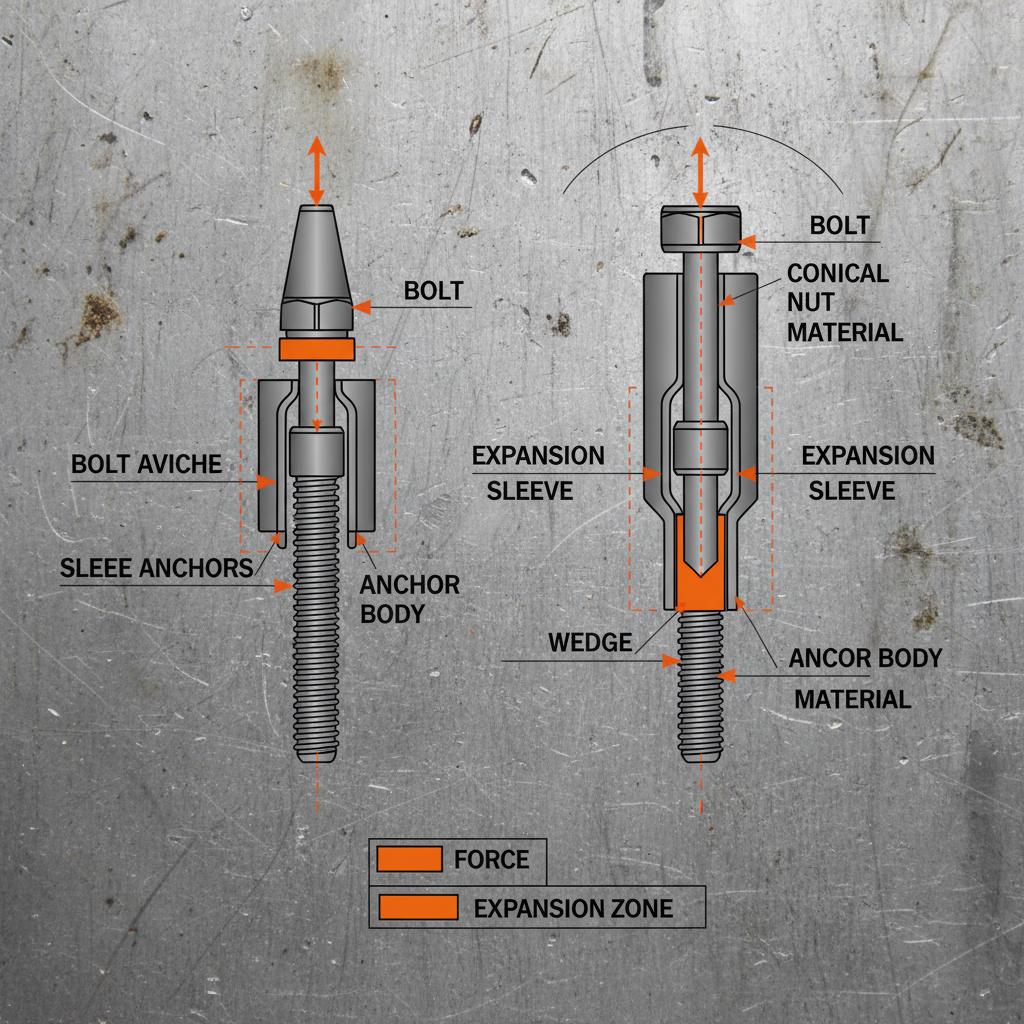
Types of Expansion Anchors
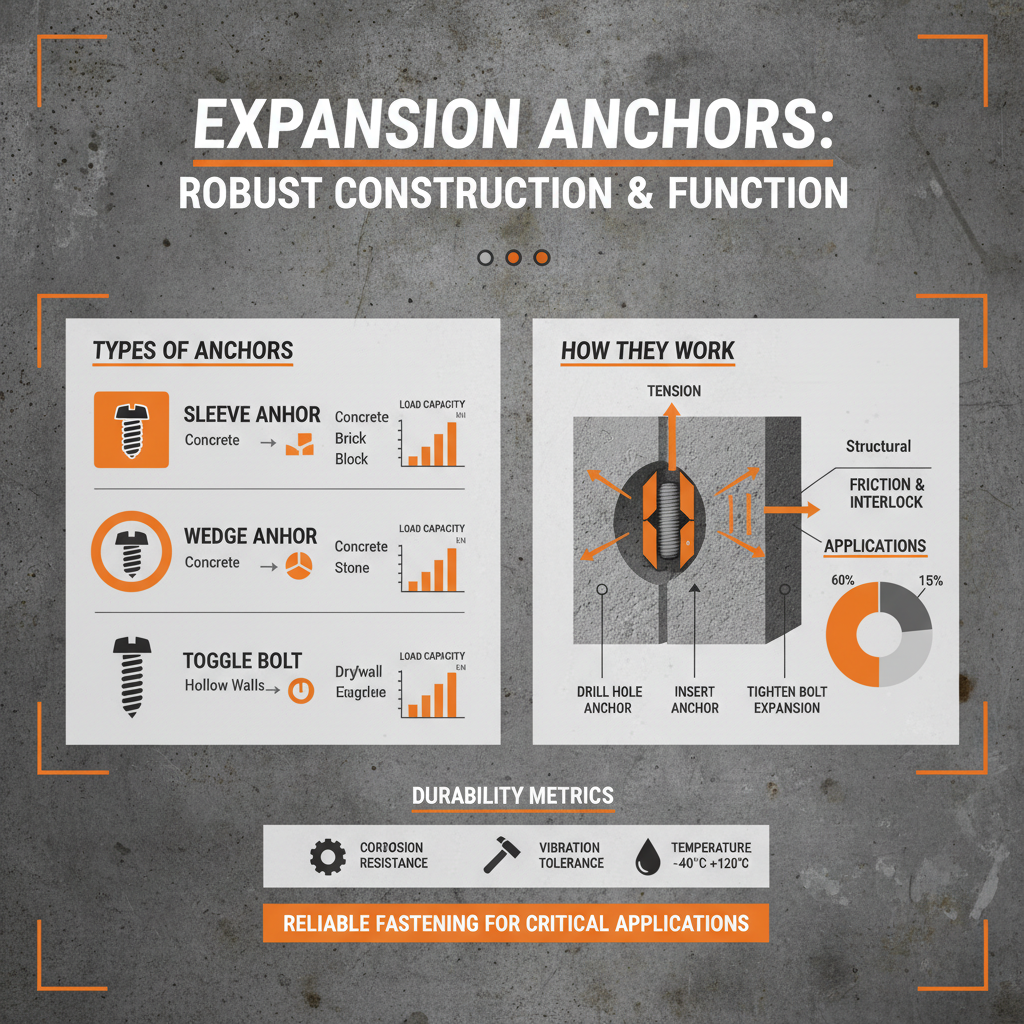
There are several types of expansion anchors, each with its own strengths and weaknesses. Some of the most common types include sleeve anchors, wedge anchors, drop-in anchors, and self-drilling expansion anchors. Sleeve anchors are versatile and suitable for light to medium-duty applications. Wedge anchors provide a higher load-bearing capacity, ideal for heavier applications. Drop-in anchors are typically used for overhead applications. Self-drilling expansion anchors are designed for quick installation in softer masonry materials. Understanding the characteristics of each type is key to ensuring a secure and reliable fastening solution. HBXZ Fastener offers a comprehensive range of these anchor types.
Key Highlights: Choosing the right expansion anchor depends on factors such as the material being fastened, the load requirements, and the environmental conditions.
Expansion Anchors: A Detailed Comparison
Selecting the correct anchor requires a careful assessment of the application. Here's a comparative look at the most popular types:
Proper Installation Techniques for Expansion Anchors
Correct installation is paramount for the performance of any expansion anchor. Always start by drilling a hole of the appropriate size and depth, as specified by the anchor manufacturer. Ensure the hole is clean and free of debris. Insert the anchor and tighten it according to the manufacturer's instructions. Over-tightening can damage the anchor or the surrounding material, while under-tightening can lead to a compromised hold. HBXZ Fastener provides detailed installation guides for all its products.
Installation Best Practices:
• Use the correct drill bit size.
• Clean the hole thoroughly.
• Follow the manufacturer’s torque specifications.
• Inspect the installed anchor for proper expansion.
Selecting the Right Expansion Anchor: Key Considerations
Choosing the right expansion anchor requires considering several factors. The type of masonry material (concrete, brick, block), the load requirements (tensile, shear, compressive), and the environmental conditions (corrosion, temperature) all play a role. Consult with a structural engineer or fastener specialist if you're unsure which anchor is appropriate for your application. Proper selection ensures the safety and long-term reliability of your project. For expert guidance, contact HBXZ Fastener's technical support team.
Conclusion: Ensuring a Secure and Reliable Fastening Solution
Expansion anchors are crucial components in many construction and industrial projects. By understanding the different types, proper installation techniques, and key selection considerations, you can ensure a secure and reliable fastening solution. HBXZ Fastener is dedicated to providing high-quality expansion anchors and expert support to help you succeed.
Frequently Asked Questions (FAQs)
What is the difference between sleeve anchors and wedge anchors?
Sleeve anchors are generally used for lighter-duty applications and rely on the expansion of a sleeve around the anchor bolt to create friction within the hole. Wedge anchors, on the other hand, are designed for heavier loads. They feature a wedge that is driven into the expansion cone as the bolt is tightened, creating a strong mechanical lock. Wedge anchors typically offer higher pull-out resistance than sleeve anchors.
Can expansion anchors be used in cracked concrete?
Using expansion anchors in cracked concrete requires careful consideration. While some anchors are specifically designed for cracked concrete (like those with a gap-filling resin), standard expansion anchors may not perform reliably. The movement of the crack can compromise the anchor's grip. It's crucial to assess the crack width and stability before using any anchor, and consult with a structural engineer if necessary.
What safety precautions should be taken when installing expansion anchors?
Always wear appropriate personal protective equipment (PPE), including safety glasses and gloves. Ensure the work area is well-ventilated, especially when drilling concrete. Avoid over-tightening anchors, as this can damage the surrounding material. Carefully inspect the installed anchor to ensure proper expansion and a secure hold. If you're working at height, use appropriate fall protection measures.
-
Guide to High Quality Stainless Steel Expansion FastenersNewsApr.16,2026
-
Ultimate Guide to Industrial Sheet Metal Expansion AnchorsNewsApr.16,2026
-
High Efficiency Fastening Guide for Plastic Expansion RivetsNewsApr.16,2026
-
Plastic Expanding Nut Guide for Applications and BenefitsNewsApr.16,2026
-
Ultimate Guide to Stability and Use of Nail Expansion AnchorNewsApr.16,2026
-
Guide to Choosing and Installing the Right Metal Expansion ScrewNewsApr.16,2026