
Comprehensive Guide to M10 Hex Head Bolt Specifications and Applications
Understanding the M10 Hex Head Bolt: A Comprehensive Guide
The M10 hex head bolt is a fundamental fastening component used across countless industries, from automotive and construction to machinery and beyond. Its robust design and standardized dimensions make it a versatile and reliable choice for securing materials together. This article will provide an in-depth look at the M10 hex head bolt, covering its specifications, materials, applications, and considerations for selection. Whether you're a seasoned engineer, a DIY enthusiast, or simply looking to understand this common fastener, this guide will offer valuable insights. Explore our range of high-quality fasteners at HBXZ Fastener.
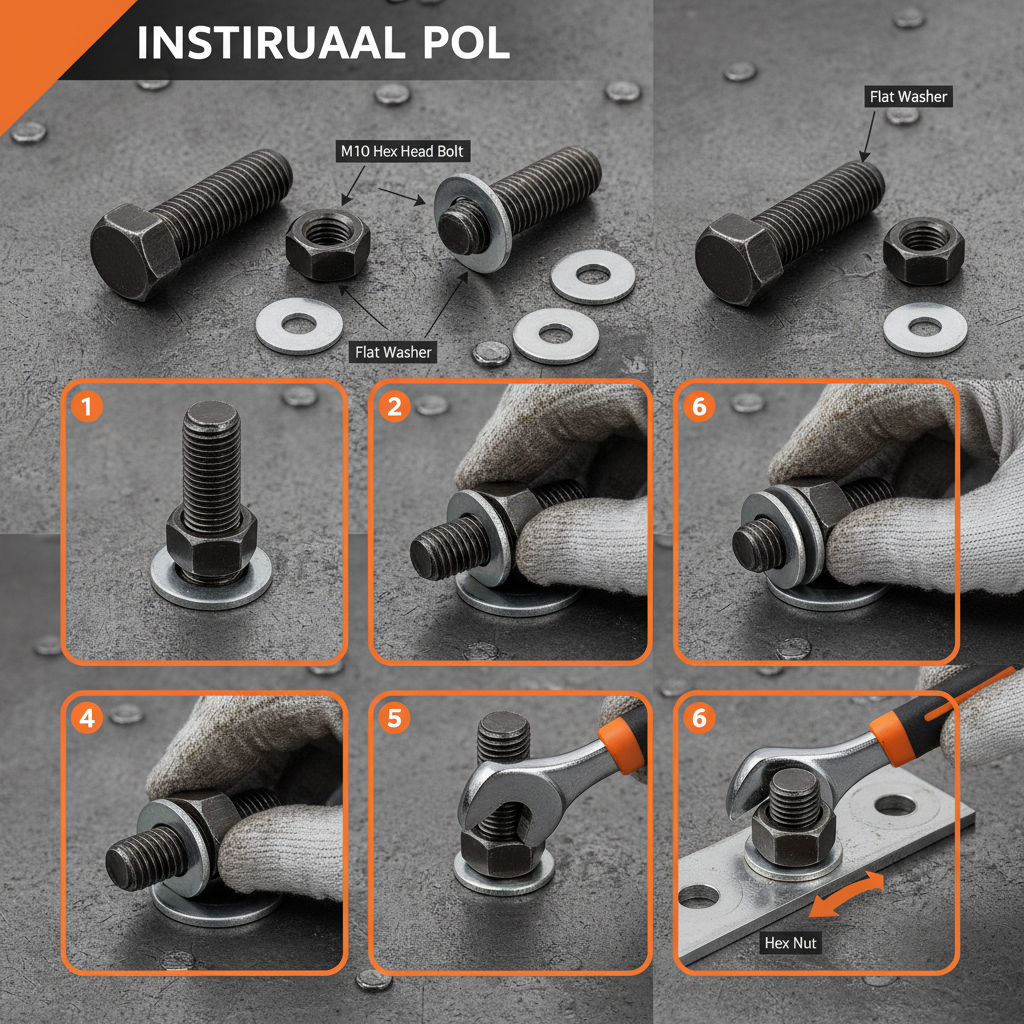
What Defines an M10 Hex Head Bolt?
The 'M10' designation refers to the metric thread diameter of the bolt – in this case, 10 millimeters. A hex head bolt features a six-sided (hexagonal) head, designed to be turned with a wrench or socket. This shape provides a strong and efficient gripping surface. These bolts are often fully threaded, meaning the threads extend the entire length of the shank, or partially threaded. The length of the bolt is measured from beneath the head to the tip of the shank. Accurate dimensions are critical for proper functionality and ensuring a secure connection.
Key Characteristics: M10 diameter, Hexagonal Head, Metric Thread, Available in various lengths & materials.
Common Materials Used in M10 Hex Head Bolts
M10 hex head bolts are manufactured from a variety of materials, each offering different properties to suit specific applications. Carbon steel is the most common, offering a balance of strength and cost-effectiveness. However, stainless steel is frequently chosen for applications requiring corrosion resistance, such as outdoor structures or marine environments. Alloy steel provides enhanced strength and durability, often used in high-stress applications. The choice of material depends heavily on the anticipated load, environmental conditions, and desired lifespan of the fastener.
Material Benefits:
• Carbon Steel: Cost-effective, good strength.
• Stainless Steel: Excellent corrosion resistance.
• Alloy Steel: High strength and durability.
• Each material has its own unique benefits and drawbacks.
M10 Hex Head Bolt Applications Across Industries
The versatility of the M10 hex head bolt makes it a staple in numerous industries. In the automotive sector, they are used extensively in engine components, chassis assembly, and exhaust systems. Construction utilizes them for securing structural steel, timber framing, and machinery mounting. The manufacturing industry relies on them for assembling equipment, appliances, and various fabricated products. Furthermore, they are commonly found in furniture assembly, plumbing systems, and electrical installations.
Choosing the Right M10 Hex Head Bolt: Key Considerations
Selecting the appropriate M10 hex head bolt requires careful consideration of several factors. The material must be compatible with the surrounding environment to prevent corrosion or weakening. The bolt length should be sufficient to ensure adequate thread engagement without protruding excessively. The bolt's strength grade (property class) indicates its tensile strength and yield strength – choosing a grade appropriate for the anticipated load is crucial. Finally, consider the bolt finish; coatings like zinc plating or black oxide can provide added corrosion resistance. HBXZ Fastener offers a diverse range of M10 hex head bolts to meet your specific needs.
M10 Hex Head Bolt Specifications and Standards
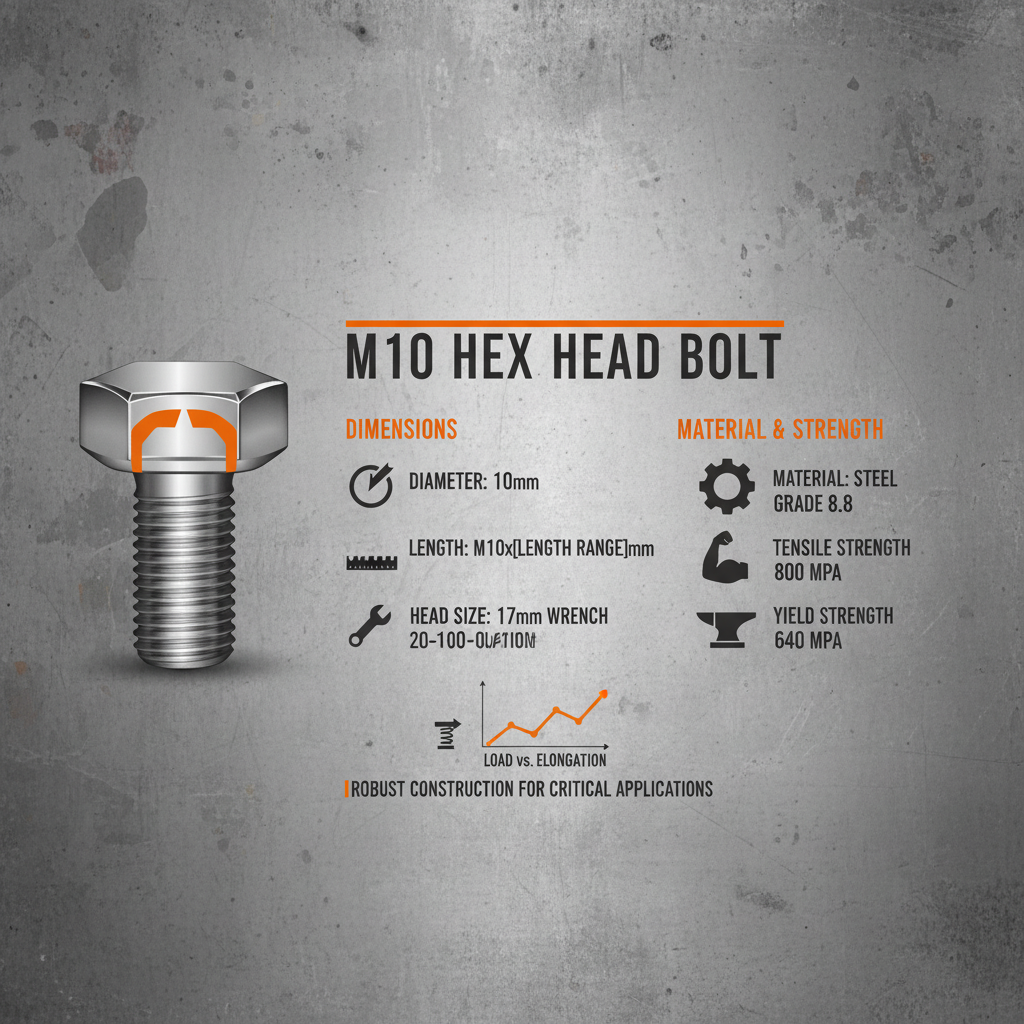
M10 hex head bolts are manufactured according to international standards like ISO 898-1 and DIN 933. These standards define the dimensions, tolerances, and mechanical properties of the bolts. Understanding these specifications is vital for ensuring interchangeability and reliability. The thread pitch for an M10 bolt is typically 1.5mm. Common strength grades include 8.8, 10.9, and 12.9, each representing increasing levels of tensile strength. Always verify that the bolts you purchase meet the relevant industry standards and your application requirements.
Conclusion: Selecting the Right M10 Hex Head Bolt
The M10 hex head bolt remains a critical fastener in countless applications. By understanding its specifications, materials, and applications, you can ensure you select the right bolt for the job, maximizing safety, reliability, and longevity. For high-quality M10 hex head bolts and expert advice, visit HBXZ Fastener today.
Frequently Asked Questions (FAQs)
What is the difference between a fully threaded and partially threaded M10 hex head bolt?
A fully threaded M10 hex head bolt has threads extending along the entire length of its shank, making it ideal for applications where clamping force is needed across the entire threaded area, such as fastening thinner materials. A partially threaded bolt, on the other hand, has threads only on a portion of the shank, usually towards the head. These are better suited for applications where the bolt passes through a hole in one component and screws into a tapped hole in another, offering greater shear strength in the unthreaded portion of the shank. The choice depends on the specific application and the required strength characteristics.
What does the '8.8' grade marking on an M10 bolt signify?
The '8.8' marking indicates the bolt's property class, defining its tensile strength and yield strength. '8' represents 800 N/mm² (MPa) of ultimate tensile strength, and the second '8' represents 800 N/mm² of 0.2% proof stress (yield strength). Higher numbers indicate stronger bolts. Therefore, an 8.8 grade M10 bolt is stronger than a 4.8 grade bolt. Selecting the appropriate grade is crucial to ensure the bolt can withstand the expected loads and stresses in the application.
How can I prevent corrosion when using M10 hex head bolts outdoors?
Several methods can prevent corrosion when using M10 hex head bolts outdoors. Using stainless steel bolts is the most effective solution, as stainless steel resists corrosion naturally. Alternatively, using carbon steel bolts with a protective coating such as zinc plating, galvanization, or black oxide can significantly reduce corrosion. Applying an anti-seize lubricant during installation can also help prevent corrosion and make future disassembly easier. Regular inspection and maintenance are also crucial for identifying and addressing any signs of corrosion before they become a significant problem.
Where can I find a reliable supplier of M10 hex head bolts?
Finding a reliable supplier is essential for ensuring quality and consistency. HBXZ Fastener is a trusted supplier of M10 hex head bolts, offering a wide range of materials, sizes, and grades. We prioritize quality control, competitive pricing, and excellent customer service. We cater to a diverse range of industries and offer customized solutions to meet your specific needs.
-
Guide to High Quality Stainless Steel Expansion FastenersNewsApr.16,2026
-
Ultimate Guide to Industrial Sheet Metal Expansion AnchorsNewsApr.16,2026
-
High Efficiency Fastening Guide for Plastic Expansion RivetsNewsApr.16,2026
-
Plastic Expanding Nut Guide for Applications and BenefitsNewsApr.16,2026
-
Ultimate Guide to Stability and Use of Nail Expansion AnchorNewsApr.16,2026
-
Guide to Choosing and Installing the Right Metal Expansion ScrewNewsApr.16,2026