
Comprehensive Guide to Metric T Head Bolts Strength and Application
Understanding Metric T Head Bolts: A Comprehensive Guide
Metric T head bolts are a versatile fastening solution used across numerous industries, offering a unique combination of strength, ease of installation, and a distinctive aesthetic. They are particularly favored in applications where a secure, non-rotating connection is required, and manual tightening is preferred. This article dives deep into the characteristics, benefits, applications, and selection criteria for metric T head bolts, providing valuable insights for engineers, procurement professionals, and anyone involved in fastening solutions. Choosing the right bolt is crucial for the longevity and safety of any project.
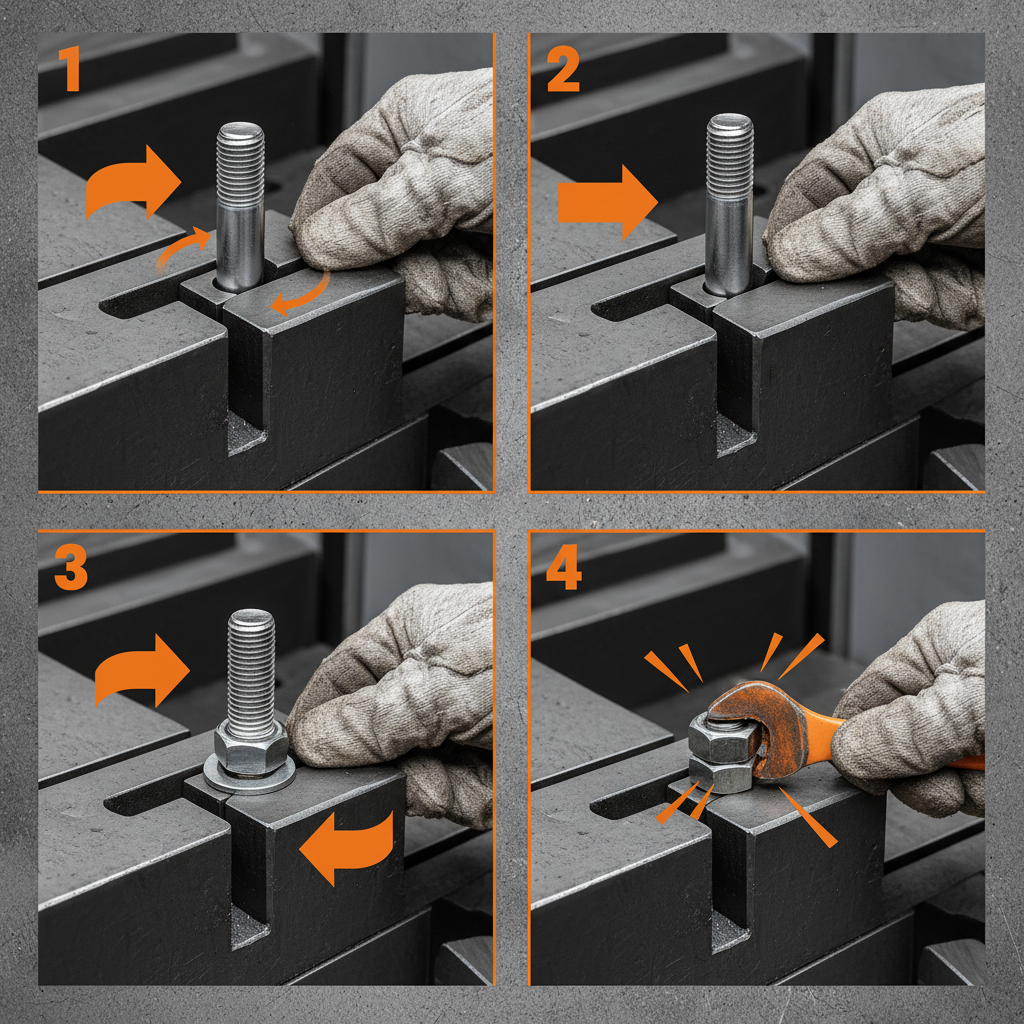
What are Metric T Head Bolts?
Metric T head bolts, also known as tee bolts, are characterized by their T-shaped head. This head design provides a large surface area for wrenching, allowing for higher tightening torques and easier manual operation. They typically feature a threaded shank and are designed to be inserted through pre-drilled holes, secured with a nut on the opposite side. The metric designation indicates that the thread pitch and dimensions adhere to the International System of Units (SI), making them compatible with other metric fasteners. These bolts are available in various materials, including carbon steel, stainless steel, and alloy steels, to suit different environments and load requirements.
Key Benefits: High tightening torque capability, easy manual tightening, secure non-rotating connection, wide range of material options, metric standardization.
Applications of Metric T Head Bolts
The versatility of metric T head bolts makes them ideal for a diverse range of applications. They are commonly found in machinery construction, automotive manufacturing, agricultural equipment, and structural engineering. Specific examples include securing components in conveyor systems, attaching machine guards, fastening railway ties, and providing adjustable mounting points. Their ability to withstand high loads and resist loosening makes them crucial in safety-critical applications. The T-head also offers a distinct visual indicator of proper installation.
Common Application Areas:
• Machinery Construction
• Automotive Manufacturing
• Agricultural Equipment
• Structural Engineering
Metric T Head Bolts: Material Selection
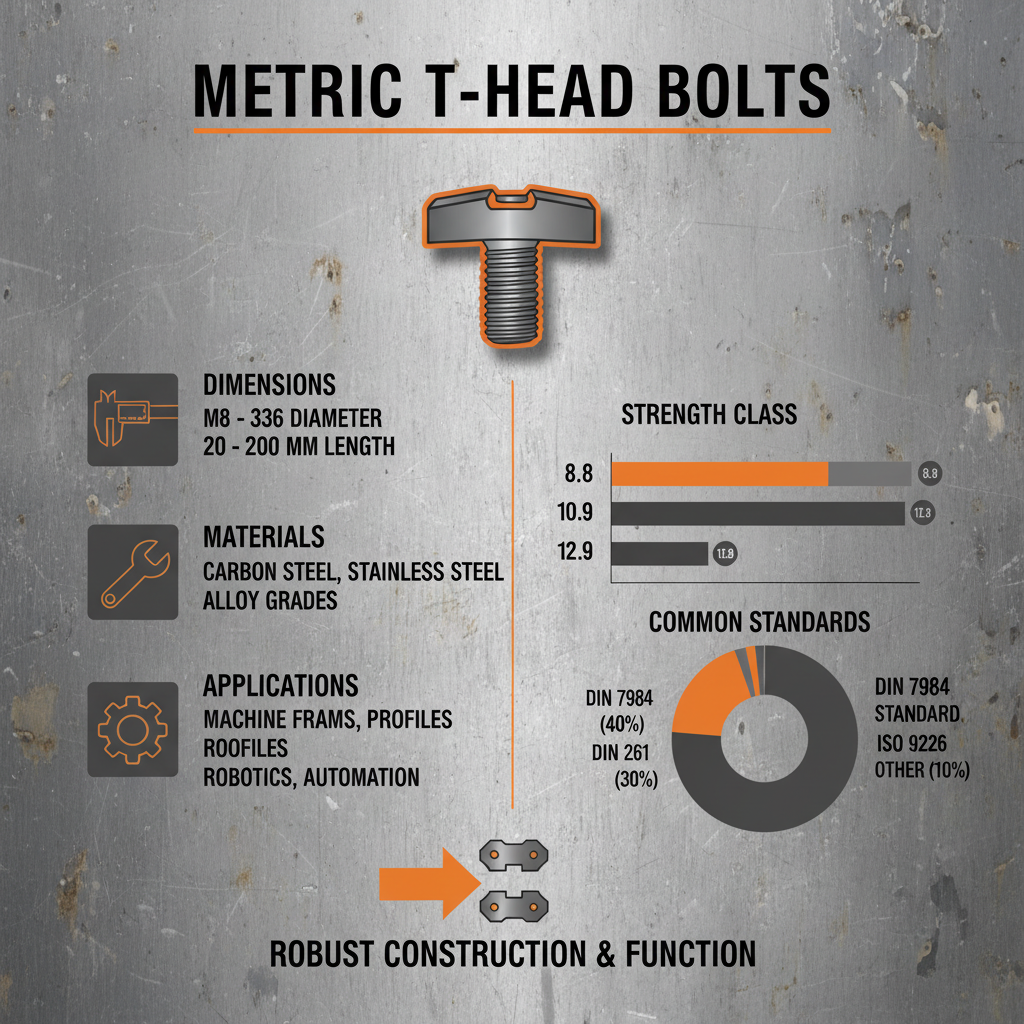
Choosing the right material is paramount for ensuring the longevity and performance of metric T head bolts. Carbon steel is a cost-effective option for general-purpose applications, but it is susceptible to corrosion. Stainless steel offers excellent corrosion resistance, making it suitable for outdoor or harsh environments. Alloy steels, such as those containing chromium-molybdenum, provide enhanced strength and toughness for high-stress applications. The specific material should be selected based on factors such as operating temperature, exposure to chemicals, and load requirements.
Understanding Metric T Head Bolt Dimensions and Standards
Metric T head bolts adhere to international standards, such as ISO 898-1, which defines the mechanical properties and dimensions. Key parameters include the thread diameter (M8, M10, M12, etc.), thread pitch, shank length, and head dimensions. Understanding these specifications is crucial for ensuring compatibility with existing systems and achieving a secure fit. HBXZ Fastener provides a comprehensive range of metric T head bolts compliant with these standards.
Choosing the Right Supplier for Metric T Head Bolts
Selecting a reliable supplier is critical for ensuring the quality and consistency of metric T head bolts. Factors to consider include the supplier's reputation, product range, adherence to quality standards (such as ISO 9001), and ability to provide technical support. HBXZ Fastener is a leading manufacturer and supplier of high-quality metric fasteners, committed to providing exceptional customer service and competitive pricing.
Conclusion: Ensuring Secure Fastening with Quality Metric T Head Bolts
Investing in high-quality metric T head bolts is essential for ensuring the reliability and safety of any application. By understanding the key characteristics, material options, and standards, you can make informed decisions and choose the right fasteners for your specific needs. Partnering with a reputable supplier like HBXZ Fastener guarantees consistent quality and excellent service.
Frequently Asked Questions (FAQs)
What is the difference between a T head bolt and a standard hex bolt?
The primary difference lies in the head design. A hex bolt features a six-sided hexagonal head, while a T head bolt has a T-shaped head. The T head provides a larger surface area for wrenching, allowing for higher tightening torques and easier manual operation. This makes T head bolts ideal for applications where a strong, non-rotating connection is crucial and manual tightening is preferred. Hex bolts, on the other hand, are more versatile and commonly used in applications where automated tightening is employed.
Are metric T head bolts interchangeable with imperial (inch) T head bolts?
No, metric and imperial T head bolts are not directly interchangeable. They differ in thread pitch, diameter, and head dimensions. Attempting to use an imperial bolt in a metric hole (or vice versa) will result in a poor fit and a compromised connection. It’s crucial to use the correct type of bolt for the specified hole size and thread standard to ensure proper fastening and structural integrity. Always verify the specifications before using any fastener.
What torque should I apply to a metric T head bolt?
The appropriate torque depends on several factors, including the bolt size, material, thread lubrication, and the specific application. Consult the relevant engineering specifications or fastener torque charts for guidance. Over-tightening can damage the bolt or the joined materials, while under-tightening can lead to loosening and failure. A torque wrench is essential for accurately applying the recommended torque. HBXZ Fastener can provide torque recommendations for our specific products.
How can I prevent corrosion of carbon steel T head bolts?
Several methods can be employed to prevent corrosion of carbon steel T head bolts. These include applying a protective coating such as zinc plating, galvanizing, or painting. Using corrosion-inhibiting lubricants can also help to protect the threads. In particularly corrosive environments, consider using stainless steel bolts instead of carbon steel. Regular inspection and maintenance are also crucial for identifying and addressing any signs of corrosion early on.
-
Guide to High Quality Stainless Steel Expansion FastenersNewsApr.16,2026
-
Ultimate Guide to Industrial Sheet Metal Expansion AnchorsNewsApr.16,2026
-
High Efficiency Fastening Guide for Plastic Expansion RivetsNewsApr.16,2026
-
Plastic Expanding Nut Guide for Applications and BenefitsNewsApr.16,2026
-
Ultimate Guide to Stability and Use of Nail Expansion AnchorNewsApr.16,2026
-
Guide to Choosing and Installing the Right Metal Expansion ScrewNewsApr.16,2026