
Comprehensive Guide to Plastic Expansion Anchors for Secure Fastening Solutions
Understanding Expansion Anchor Plastic: A Comprehensive Guide
When considering fastening solutions for various construction and industrial applications, expansion anchors plastic offer a versatile and reliable choice. These anchors are designed to distribute loads efficiently and provide secure holding power in concrete, brick, and other masonry materials. This article will delve into the details of plastic expansion anchors, exploring their types, applications, installation, advantages, and considerations for selecting the right anchor for your project. Choosing the correct anchor is crucial for safety and long-term performance.
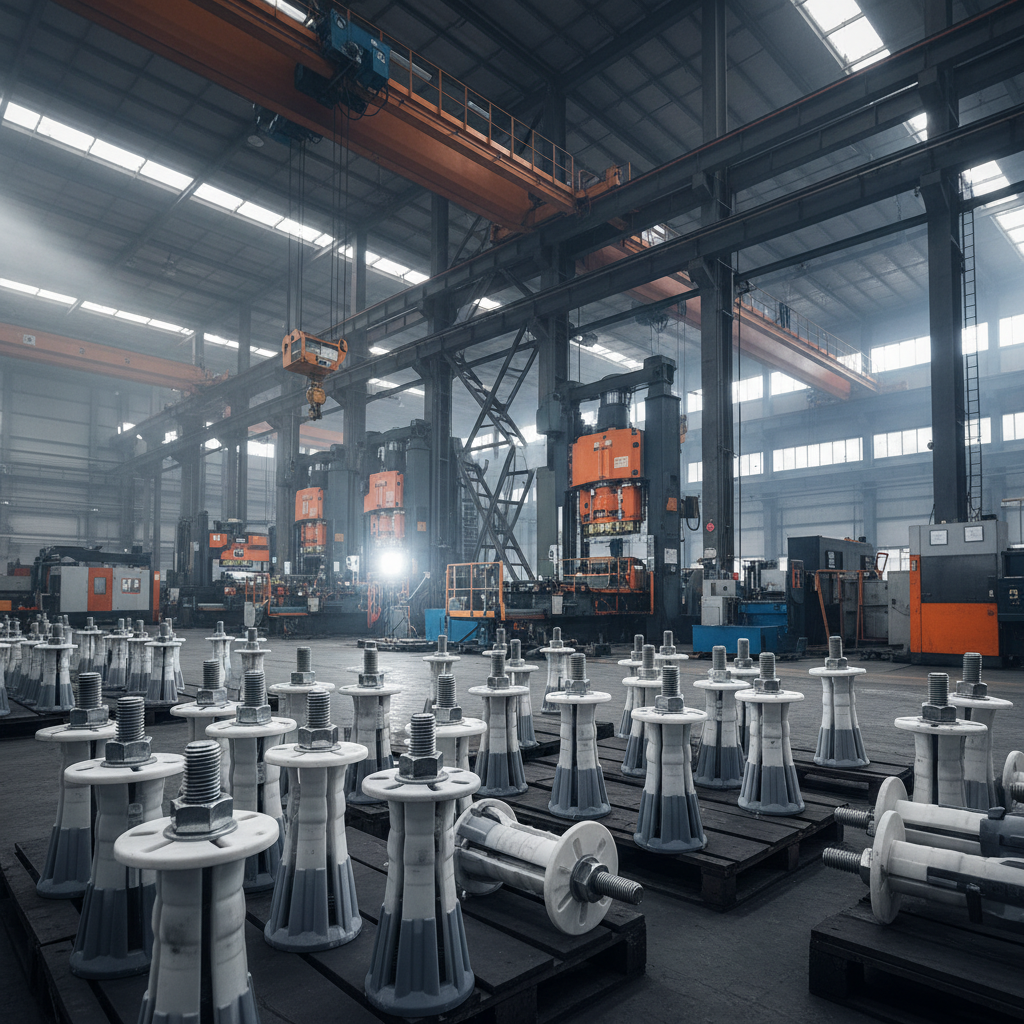
What are Expansion Anchor Plastics?
Expansion anchor plastics are fastening devices used to secure objects to concrete, brick, or block walls. They work by expanding within the hole, creating a tight friction fit that resists pull-out forces. These anchors typically consist of a plastic body and an expansion sleeve. When a screw or bolt is tightened, the sleeve expands, wedging the anchor firmly against the sides of the hole. They are a cost-effective and corrosion-resistant alternative to metal anchors in many applications. HBXZ Fastener provides a wide range of high-quality plastic expansion anchors to meet diverse project needs.
Key Highlights: These anchors are a cost-effective and corrosion-resistant alternative to metal anchors, providing reliable fastening solutions for various construction and industrial projects.
Types of Expansion Anchor Plastics
There are several types of expansion anchor plastics, each designed for specific applications and load requirements. Common types include:
- Sleeve Anchors: These are the most common type, utilizing a sleeve that expands as the screw is tightened.
- Wedge Anchors: These rely on a wedge that is pulled into the anchor body during installation.
- Frame Anchors: Designed for heavier loads and often used for securing framing materials.
- Ribbed Anchors: Offer increased grip and holding power, particularly in softer materials.
The choice of anchor type depends on the material being fastened, the load being applied, and the desired level of security.
Choosing the Right Anchor:
• Consider the material you are fastening into.
• Determine the required load capacity.
• Select an anchor that is appropriate for the hole size.
• Ensure the anchor is corrosion-resistant if used in wet environments.
Expansion Anchor Plastic: Applications & Use Cases
Plastic expansion anchors are versatile and find applications in a wide range of projects. Some common use cases include:
- Electrical installations: Securing conduit, junction boxes, and electrical panels.
- Plumbing installations: Mounting pipes, brackets, and fixtures.
- HVAC systems: Supporting ductwork and equipment.
- Framing and carpentry: Attaching wood framing to concrete or masonry walls.
- Signage and displays: Mounting signs, banners, and displays.
Their ease of installation and cost-effectiveness make them a popular choice for both DIY projects and professional construction applications.
Plastic vs. Metal Expansion Anchors: A Comparison
While both plastic and metal expansion anchors serve the same purpose, they differ in several key aspects. Here’s a comparison:
Proper Installation Techniques for Plastic Expansion Anchors
Correct installation is vital to ensure the anchor's effectiveness. Follow these steps for optimal results:
- Drill the correct size hole: Use a drill bit matching the anchor's diameter.
- Clean the hole: Remove dust and debris to ensure a good fit.
- Insert the anchor: Gently tap the anchor into the hole until flush with the surface.
- Tighten the screw: Tighten the screw or bolt gradually, allowing the anchor to expand.
- Avoid over-tightening: This can damage the anchor or the surrounding material.
Conclusion: Selecting and Using Expansion Anchor Plastics
Choosing the right expansion anchor plastic and installing it correctly are critical for ensuring a secure and lasting fastening solution. Understanding the different types, applications, and proper installation techniques will help you achieve optimal results. HBXZ Fastener offers a wide selection of high-quality anchors and expert guidance to meet your specific project requirements.
Frequently Asked Questions (FAQs)
What is the recommended hole depth for plastic expansion anchors?
The recommended hole depth is typically 1 to 1.5 times the length of the anchor. This ensures sufficient material for the anchor to expand and grip. It’s crucial to refer to the manufacturer’s specifications for precise recommendations, as hole depth can vary depending on the anchor type and the material being fastened. Insufficient hole depth can compromise the anchor’s holding power, while excessive depth may reduce its effectiveness.
Are plastic expansion anchors suitable for outdoor use?
Plastic expansion anchors can be used outdoors, but it's essential to choose anchors made from UV-resistant materials. Prolonged exposure to sunlight can degrade some plastics, reducing their strength and performance. Nylon and polypropylene are commonly used in outdoor applications due to their UV resistance. Consider the climate and expected exposure levels when selecting anchors for outdoor projects.
What should I do if an anchor spins in the hole?
If an anchor spins in the hole, it indicates that the hole is too large or the material is too soft to provide adequate grip. In this case, you may need to use a larger anchor or a different type of fastening solution. Alternatively, you can try filling the hole with epoxy or a similar adhesive before inserting the anchor. Avoid re-using a stripped hole, as it will not provide sufficient holding power.
How do I determine the correct load capacity for a plastic expansion anchor?
The load capacity of a plastic expansion anchor depends on several factors, including the anchor’s size, the material being fastened into, and the type of load (shear, tension, etc.). Always refer to the manufacturer's specifications for load capacity ratings. These ratings are typically provided in pounds or kilograms and are based on standardized testing procedures. It’s crucial to choose an anchor with a load capacity that exceeds the expected load for your application, providing a safety margin.
-
Guide to High Quality Stainless Steel Expansion FastenersNewsApr.16,2026
-
Ultimate Guide to Industrial Sheet Metal Expansion AnchorsNewsApr.16,2026
-
High Efficiency Fastening Guide for Plastic Expansion RivetsNewsApr.16,2026
-
Plastic Expanding Nut Guide for Applications and BenefitsNewsApr.16,2026
-
Ultimate Guide to Stability and Use of Nail Expansion AnchorNewsApr.16,2026
-
Guide to Choosing and Installing the Right Metal Expansion ScrewNewsApr.16,2026