
Comprehensive Guide to Shear Connector Stud Welding for Robust Construction
Shear Connector Stud Welding: A Comprehensive Guide
Shear connector stud welding is a critical process in modern construction, particularly in steel-concrete composite structures. This technique provides a robust and reliable connection, ensuring the efficient transfer of shear forces between the steel and concrete elements. At HBXZ Fastener, we specialize in providing high-quality shear connector studs and expert solutions for a wide range of applications. This article will delve into the process, benefits, applications, and key considerations for successful shear connector stud welding. Understanding this process is vital for engineers, contractors, and anyone involved in composite construction.
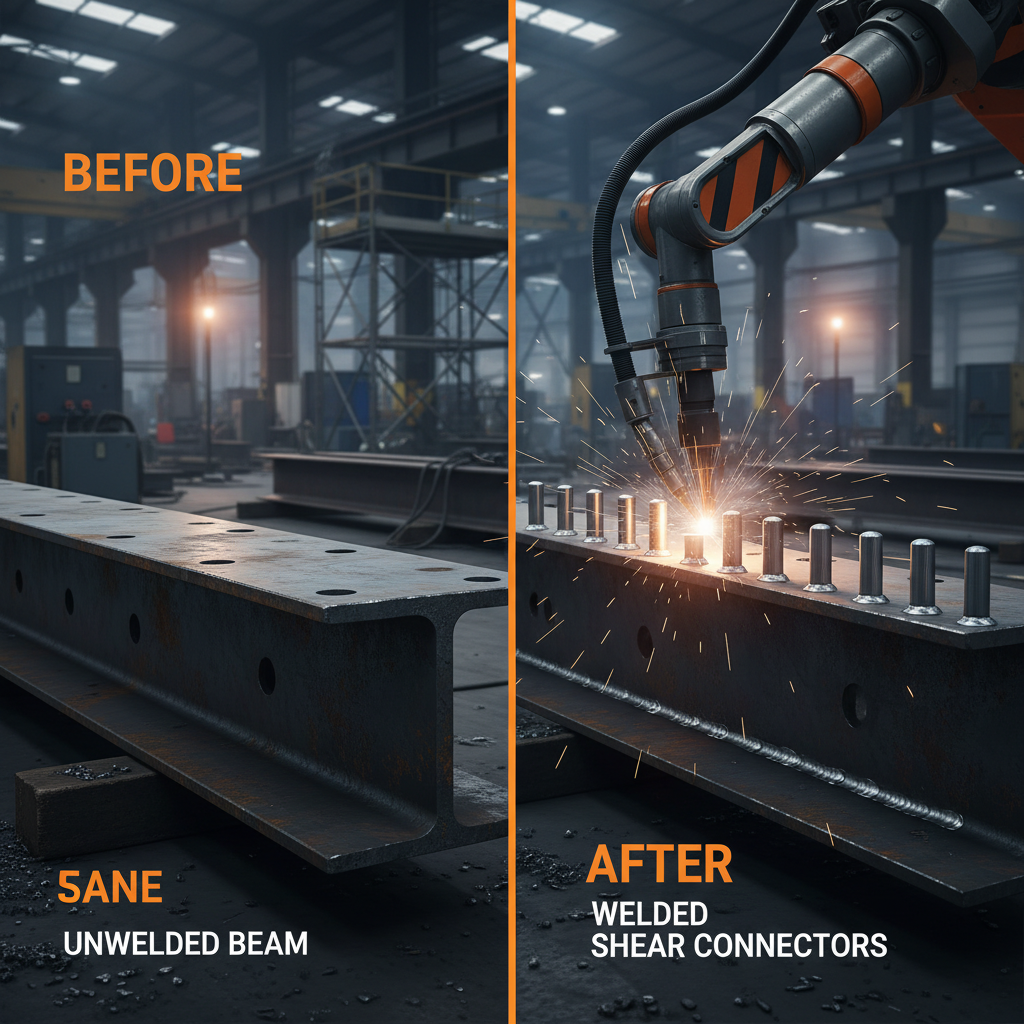
Understanding Shear Connector Stud Welding
Shear connector stud welding, also known as through-deck welding, involves welding steel studs directly onto a steel deck before concrete is poured. The studs act as anchors, creating a mechanical interlock between the steel deck and the concrete slab. This composite action significantly increases the strength and stiffness of the structure, allowing for lighter designs and longer spans. The process typically utilizes a specialized stud welding machine that rapidly heats the stud and fuses it to the steel deck in a single operation. The resulting weld is strong, reliable, and capable of withstanding substantial shear forces. Proper execution of this welding process is paramount to the structural integrity of the composite system.
Key Benefits: Enhanced structural strength, reduced deflection, lighter weight designs, and increased load-carrying capacity.
Applications of Shear Connector Stud Welding
The applications of shear connector stud welding are widespread in various construction projects. Common uses include: high-rise buildings, bridges, parking structures, industrial facilities, and residential buildings with steel framing. It’s particularly advantageous in situations requiring large open spans or heavy loads. Furthermore, it’s frequently employed in the construction of composite floor slabs, which offer significant advantages in terms of fire resistance and acoustic performance. HBXZ Fastener provides studs suitable for all these applications.
Common Application Areas:
• High-Rise Buildings
• Bridges
• Parking Structures
• Industrial Facilities
Choosing the Right Shear Connector Stud: Key Considerations
Selecting the appropriate shear connector stud is crucial for ensuring a strong and durable connection. Factors to consider include: stud diameter, height, and material grade. Common stud diameters range from 3/4" to 1 1/2", while stud height is determined by the thickness of the steel deck and concrete slab. The material grade typically consists of high-strength carbon steel. It's important to verify that the studs meet relevant industry standards, such as ASTM A108. At HBXZ Fastener, we offer a wide range of studs to meet diverse project requirements.
The Stud Welding Process: A Step-by-Step Overview
The stud welding process typically involves these steps: 1) Preparation: The steel deck is cleaned to remove any rust, mill scale, or contaminants. 2) Positioning: The stud is placed into the stud welding machine. 3) Welding: The machine rapidly heats the stud and simultaneously presses it onto the deck, creating a metallurgical bond. 4) Cooling: The weld is allowed to cool. 5) Quality Control: The welds are inspected for defects. Proper training and adherence to established procedures are essential for achieving consistent, high-quality welds. HBXZ Fastener provides guidance on best practices.
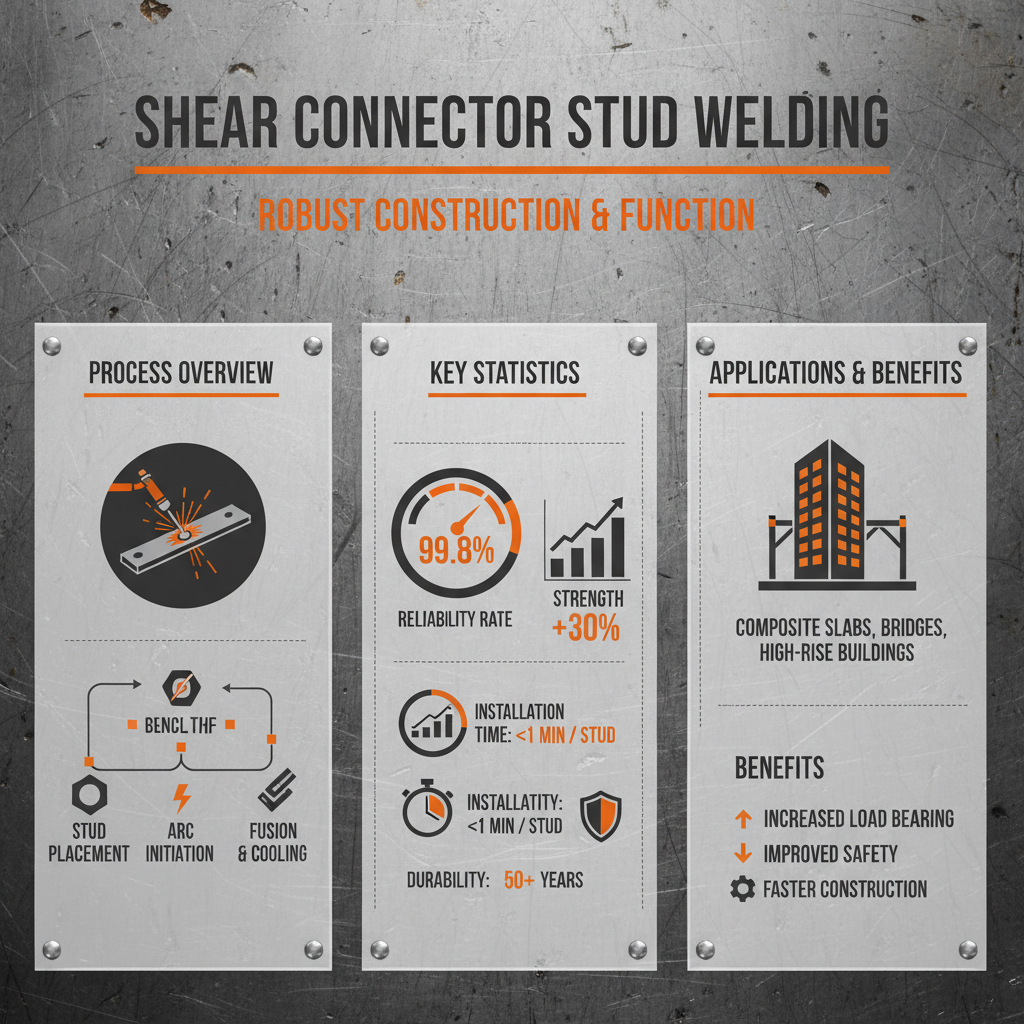
Quality Control and Inspection
Rigorous quality control is paramount throughout the shear connector stud welding process. Inspections should include visual checks for weld size, shape, and absence of defects such as cracks or porosity. Destructive testing, such as pull-out tests, may also be performed to verify the weld strength. Following established welding procedures and utilizing qualified welders are critical for maintaining quality. HBXZ Fastener can provide guidance on quality control protocols.
Conclusion: Ensuring Structural Integrity with Reliable Stud Welding
Shear connector stud welding is an essential technique for creating strong, durable, and cost-effective composite structures. By understanding the process, selecting the right materials, and adhering to strict quality control procedures, engineers and contractors can ensure the structural integrity of their projects. HBXZ Fastener is committed to providing high-quality studs and expert support for all your shear connector needs.
Frequently Asked Questions (FAQs)
What are the advantages of using shear connector studs over other connection methods?
Shear connector studs offer several advantages over traditional connection methods like bolting or welding. They create a stronger and more durable connection due to the mechanical interlock between the steel and concrete. They’re also more cost-effective in many applications, requiring less labor and material. Furthermore, studs provide improved fatigue resistance and reduce the risk of corrosion, enhancing the long-term performance of the structure. The composite action achieved with studs results in a lighter, more efficient design, reducing overall material costs.
What types of steel decks are compatible with shear connector stud welding?
Most commonly used steel decks are compatible with shear connector stud welding, including profiled steel decking and composite decking. However, the specific deck profile and steel grade must be considered when selecting the appropriate stud size and welding parameters. It's crucial to ensure that the deck meets the required thickness and strength specifications for the intended application. HBXZ Fastener can assist in determining the optimal stud and deck compatibility.
What safety precautions should be taken during stud welding?
Stud welding involves high temperatures and electrical currents, so appropriate safety precautions are essential. Welders should wear personal protective equipment (PPE) including welding helmets, gloves, and fire-resistant clothing. Ensure adequate ventilation to avoid inhaling fumes. Follow the manufacturer's instructions for the stud welding machine and adhere to all relevant safety regulations. Regular inspection and maintenance of the welding equipment are also crucial. Proper training for welders is paramount to ensure safe and effective operation.
-
Guide to High Quality Stainless Steel Expansion FastenersNewsApr.16,2026
-
Ultimate Guide to Industrial Sheet Metal Expansion AnchorsNewsApr.16,2026
-
High Efficiency Fastening Guide for Plastic Expansion RivetsNewsApr.16,2026
-
Plastic Expanding Nut Guide for Applications and BenefitsNewsApr.16,2026
-
Ultimate Guide to Stability and Use of Nail Expansion AnchorNewsApr.16,2026
-
Guide to Choosing and Installing the Right Metal Expansion ScrewNewsApr.16,2026