
Comprehensive Guide to Shear Studs for Metal Deck Applications
Shear Studs for Metal Deck: A Comprehensive Guide
Shear studs are essential components in composite metal deck construction, playing a vital role in transferring shear forces between the steel deck and the concrete slab. This creates a strong, unified structure capable of handling significant loads. At HBXZ Fastener, we specialize in providing high-quality shear studs tailored to a wide range of metal deck applications. Understanding the different types, applications, and installation procedures of shear studs is crucial for ensuring a safe and durable composite structure. This article will delve into these aspects, offering a comprehensive overview for engineers, contractors, and anyone involved in metal deck construction.
Understanding Shear Stud Functionality
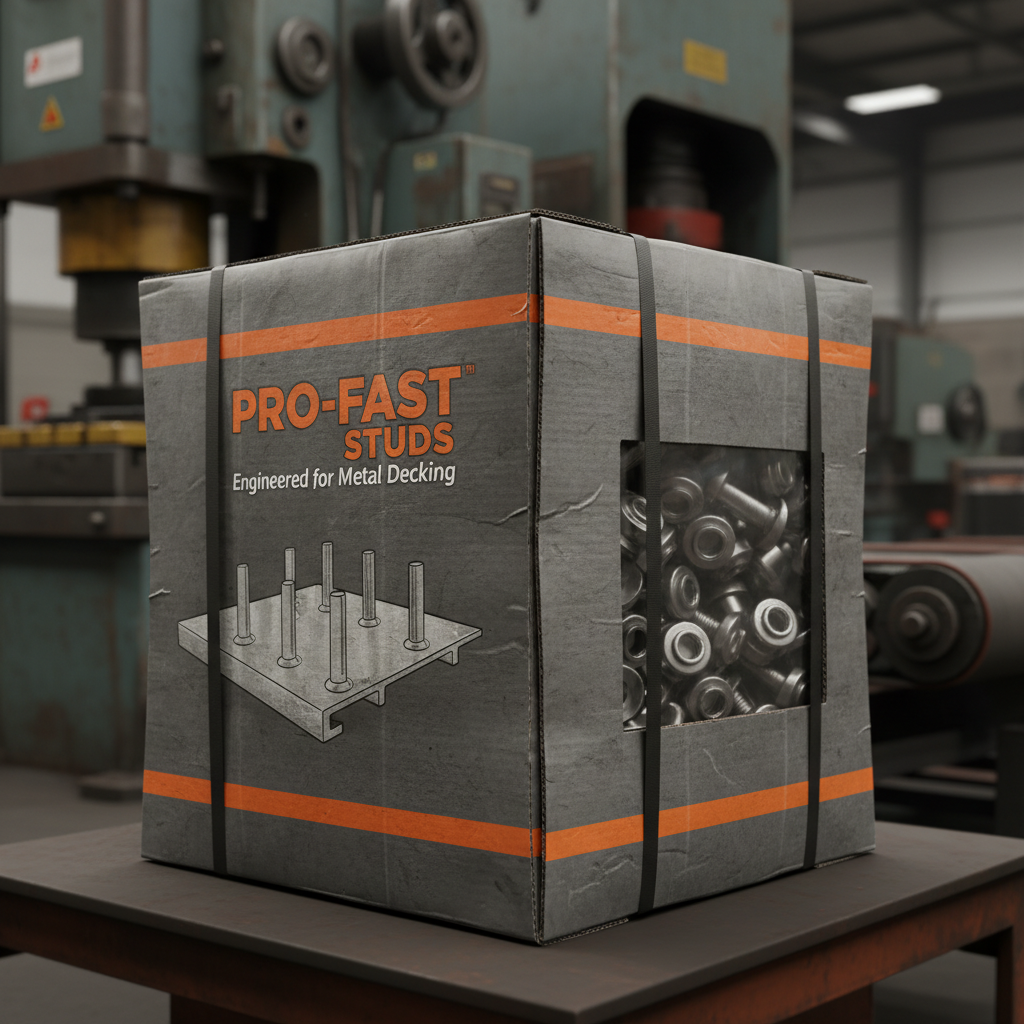
Shear studs are typically welded to the top of the corrugated metal decking before concrete is poured. When the concrete cures, it creates a mechanical interlock with the shear studs. This interlock allows shear forces – forces that act parallel to the surface – to be effectively transferred from the concrete slab to the steel deck. This composite action significantly increases the load-carrying capacity of the floor system, making it more efficient and economical. Without shear studs, the concrete and steel deck would act independently, reducing the overall strength and stiffness of the structure. Choosing the right shear stud design and ensuring proper installation are essential for maximizing composite action.
Key Benefit: Enhanced load-carrying capacity and structural efficiency through composite action.
Types of Shear Studs
Several types of shear studs are available, each designed for specific applications and load requirements. The most common types include:
Welded Shear Studs: These are the most frequently used type, typically made of carbon steel and welded directly to the metal deck.
Powder-Actuated Shear Studs: These studs are driven into the steel deck using a powder-actuated fastener tool, offering a faster installation process.
Cast-in-Place Shear Studs: These studs are embedded within the concrete during the pouring process.
Shear Stud Type Comparison:
• Welded Studs: High strength, widely applicable, requires welding expertise.
• Powder-Actuated Studs: Faster installation, suitable for certain deck types.
• Cast-in-Place Studs: Less common, used in specific designs.
Shear Studs for Metal Deck: Choosing the Right Size and Spacing
Selecting the appropriate shear stud size and spacing is critical for ensuring adequate shear transfer capacity. Factors influencing these decisions include the applied loads, the deck gauge, the concrete strength, and the stud material. Engineers typically use established design codes and calculations to determine the optimal configuration. At HBXZ Fastener, we offer a range of shear stud sizes and can provide technical support to assist with selection.
Proper Installation Techniques
Correct shear stud installation is paramount for achieving the desired composite action. Improperly welded studs, for example, can significantly reduce shear capacity and compromise structural integrity. Key considerations include:
Welding Procedure: Follow established welding procedures and ensure welders are qualified.
Weld Inspection: Visually inspect welds for defects such as cracks, porosity, and undercut.
Powder-Actuated Fastening: Use the correct powder load and ensure the fastener is driven flush with the deck surface.
Cleaning: Ensure the deck surface is clean and free of rust, mill scale, or other contaminants before welding or fastening.
Quality Assurance and Standards Compliance
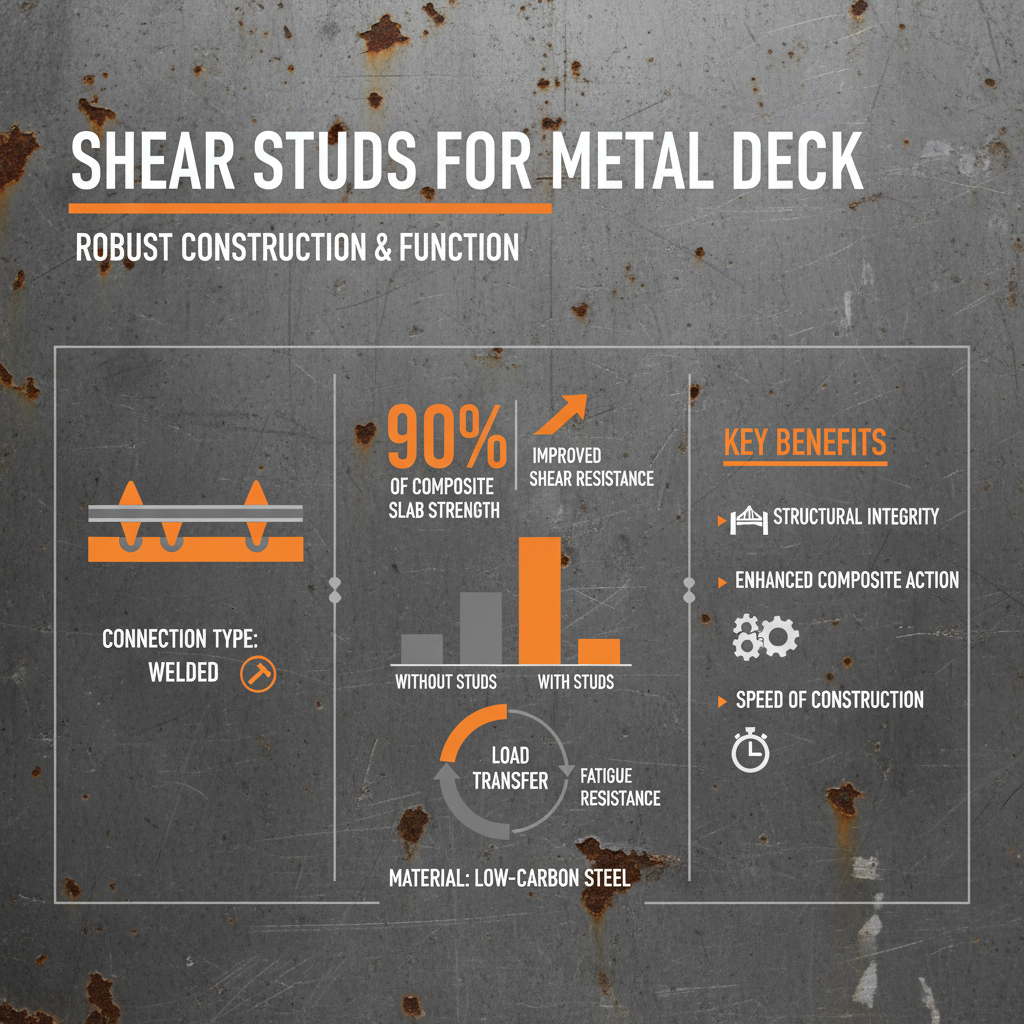
At HBXZ Fastener, we adhere to stringent quality control measures and ensure our shear studs meet relevant industry standards, including AWS D1.1 for welding. Our products are rigorously tested to ensure consistent performance and reliability. We provide material certifications and can assist with documentation for your projects. Choosing a reputable supplier like us guarantees you're receiving high-quality shear studs that meet your project's specific requirements.
Conclusion: Ensuring Structural Integrity with Quality Shear Studs
Selecting the right shear studs and ensuring proper installation are fundamental to creating safe and durable composite metal deck structures. HBXZ Fastener is your trusted partner for high-quality shear studs, technical expertise, and reliable support. Invest in quality and ensure the longevity and safety of your projects.
Frequently Asked Questions (FAQs)
What is the minimum concrete cover required over shear studs?
The minimum concrete cover over shear studs is typically specified by building codes and design standards. Generally, a minimum cover of 1 inch (25mm) is recommended to prevent corrosion and ensure adequate bond development. However, this can vary based on the exposure conditions and the design requirements of the specific project. It's crucial to consult with a structural engineer to determine the appropriate concrete cover for your application. Insufficient concrete cover can lead to corrosion of the studs and a reduction in shear capacity.
Can shear studs be used with all types of metal decking?
While shear studs are widely compatible with many types of metal decking, it's important to consider the deck's gauge, profile, and material properties. Not all decks are designed to accommodate shear studs effectively. Composite decks, specifically designed for use with shear connectors, are the most suitable. It's essential to verify the deck manufacturer's recommendations and consult with a structural engineer to ensure compatibility and proper performance. Using shear studs with incompatible decking can compromise the structural integrity of the system.
What is the significance of stud height?
Stud height is a critical factor in achieving sufficient shear transfer. The stud must be tall enough to ensure adequate embedment within the concrete slab, allowing for a strong mechanical interlock. The optimal stud height depends on the concrete slab thickness and the shear force requirements. Too short a stud may result in insufficient shear capacity, while too tall a stud can create stress concentrations. Engineers use established design equations to determine the appropriate stud height based on these factors. HBXZ Fastener offers shear studs in various heights to suit different project needs.
How do I ensure the quality of welded shear studs?
Ensuring the quality of welded shear studs requires careful attention to detail. Welders should be properly qualified and follow established welding procedures. A thorough visual inspection of the welds is crucial, looking for defects such as cracks, porosity, and incomplete fusion. Non-destructive testing methods, such as ultrasonic testing, can be used to verify weld integrity. Proper surface preparation is also essential - the deck surface must be clean and free of contaminants. Consistent weld quality is paramount to maintaining the structural integrity of the composite floor system.
-
Guide to High Quality Stainless Steel Expansion FastenersNewsApr.16,2026
-
Ultimate Guide to Industrial Sheet Metal Expansion AnchorsNewsApr.16,2026
-
High Efficiency Fastening Guide for Plastic Expansion RivetsNewsApr.16,2026
-
Plastic Expanding Nut Guide for Applications and BenefitsNewsApr.16,2026
-
Ultimate Guide to Stability and Use of Nail Expansion AnchorNewsApr.16,2026
-
Guide to Choosing and Installing the Right Metal Expansion ScrewNewsApr.16,2026