
Comprehensive Guide to Shear Studs for Steel Decking Systems and Applications
Understanding Shear Studs for Steel Decking
Shear studs are crucial components in composite steel decking systems, ensuring a strong connection between the steel deck and the concrete slab. This composite action significantly enhances the load-carrying capacity and structural integrity of the floor system. When designing or constructing with steel decking, selecting the right shear studs is essential. This article will delve into the function, types, applications, installation, and benefits of shear studs for steel decking, providing a comprehensive guide for engineers, contractors, and anyone involved in steel construction. A correctly installed shear stud system will maximize the efficiency and longevity of your steel deck structure.
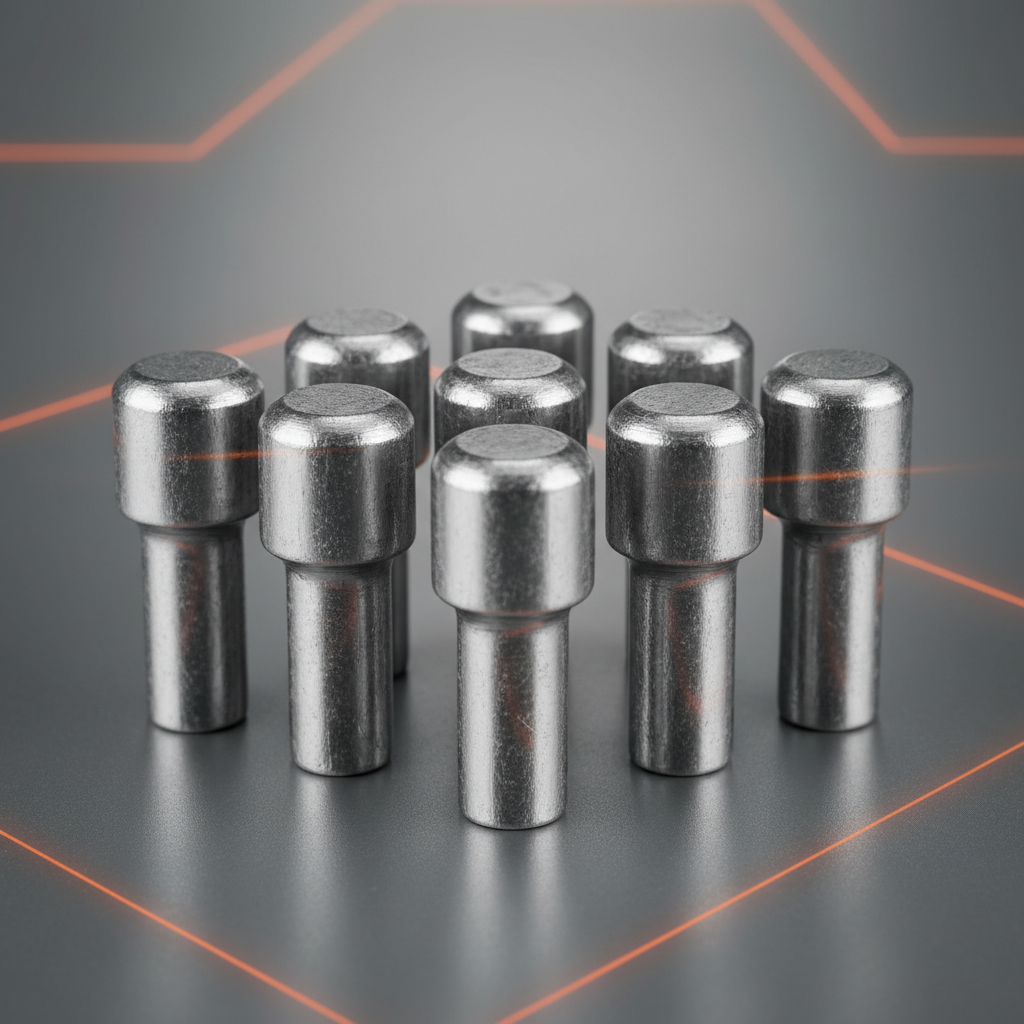
The Role of Shear Studs in Composite Steel Decking
Shear studs facilitate the transfer of shear forces between the steel decking and the concrete slab, effectively creating a composite section. Without shear studs, the steel deck and concrete would act as separate elements, significantly reducing the overall structural performance. This composite action increases the stiffness, strength, and ductility of the floor system. The studs act as connectors, preventing slip between the two materials under load. Properly designed shear stud layouts are critical for distributing loads effectively and preventing premature failure. Using high-quality shear studs ensures long-term performance and safety.
Key Benefit: Enhanced load-carrying capacity and structural integrity through composite action.
Types of Shear Studs for Steel Decking
Several types of shear studs are commonly used in steel decking applications. The most prevalent are headed shear studs, which consist of a cylindrical steel shank with a large head forged onto one end. These studs are typically welded to the steel decking prior to concrete pouring. Other variations include channel shear connectors and coil shear connectors, but headed studs remain the industry standard due to their ease of installation and proven performance. The specific type of shear stud chosen depends on factors such as deck profile, concrete thickness, and anticipated loads. We, HBXZ Fastener, offer a wide range of shear studs to meet diverse project requirements.
Shear Stud Types:
• Headed Shear Studs (most common)
• Channel Shear Connectors
• Coil Shear Connectors
Shear Stud Materials and Dimensions
Shear studs are typically manufactured from high-strength carbon steel, conforming to relevant standards like ASTM A108. The dimensions of the studs – specifically, the diameter and head diameter – are crucial for determining their shear capacity. Common diameters range from ¾ inch to 1 ½ inches. The length of the stud is selected based on the thickness of the steel decking and the concrete slab. Choosing the correct material grade and dimensions is essential for ensuring the shear studs can withstand the anticipated shear forces.
Installation of Shear Studs
Proper installation is critical for the effective performance of shear studs. The studs are typically welded to the steel decking using arc welding processes, following specific procedures outlined in AWS D1.1. The welding process must ensure full penetration and proper weld geometry to maximize shear transfer. Inspection of welds is essential to verify their quality and integrity. Qualified welders should perform the installation to guarantee adherence to industry standards. HBXZ Fastener can provide guidance on proper installation techniques.
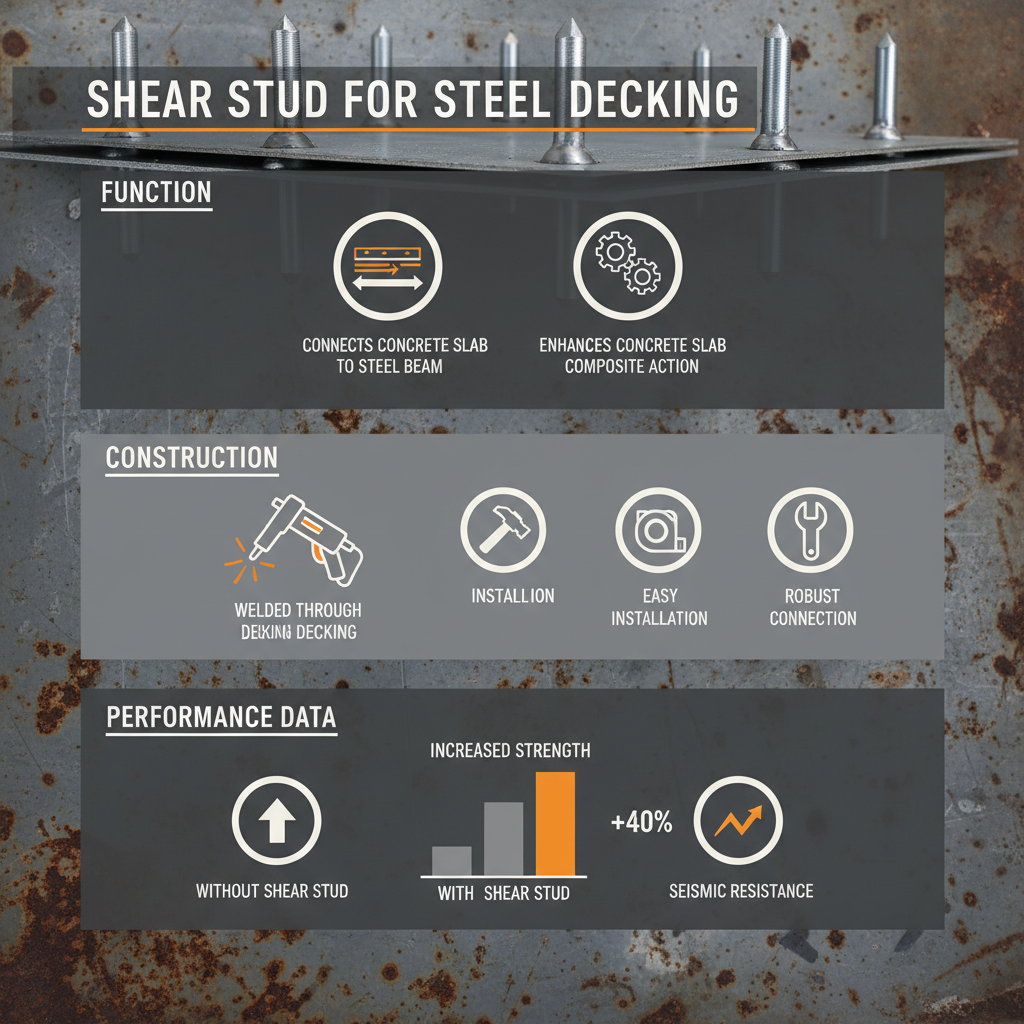
Benefits of Using Shear Studs in Steel Decking
Utilizing shear studs in steel decking offers numerous benefits, including increased structural capacity, improved stiffness, reduced deflection, and enhanced fire resistance. Composite floor systems with shear studs require less steel and concrete compared to non-composite systems, leading to cost savings. Additionally, the enhanced load-carrying capacity allows for longer spans and more open floor plans. Investing in quality shear studs from a reliable supplier like HBXZ Fastener will provide long-term value and ensure the structural integrity of your building.
Conclusion: Optimizing Steel Decking Performance with Shear Studs
Shear studs are indispensable components in modern steel construction. By effectively connecting the steel decking to the concrete slab, they create a composite system that maximizes structural efficiency, reduces material costs, and enhances overall building performance. Choosing the right shear studs and ensuring proper installation are paramount to achieving these benefits. Invest in quality and reliability with HBXZ Fastener for peace of mind and long-lasting structural integrity.
Frequently Asked Questions (FAQs)
What is the recommended spacing for shear studs in steel decking?
Shear stud spacing is determined by a number of factors, including the load requirements, the steel deck profile, the concrete strength, and the stud diameter. Generally, spacings range from 6 to 12 inches. A qualified structural engineer should perform calculations to determine the optimal spacing for a specific project. Too little spacing may result in inadequate shear transfer, while excessive spacing may lead to inefficiencies. It's crucial to follow established engineering guidelines and building codes for accurate spacing calculations.
What welding procedures should be used for shear stud installation?
Shear stud welding should be performed by qualified welders adhering to the procedures outlined in AWS D1.1 (Structural Welding Code – Steel). This standard specifies the correct welding techniques, electrode types, and pre-heat requirements. The weld must achieve full penetration around the stud shank to ensure adequate shear transfer capacity. Proper weld inspection, including visual and non-destructive testing, is crucial to verify weld quality and integrity.
How do shear studs contribute to fire resistance in steel decking systems?
Shear studs enhance the fire resistance of composite steel decking systems by providing a strong bond between the steel deck and the concrete slab. This composite action delays the temperature rise in the steel deck during a fire, increasing the time it takes for the steel to reach its critical temperature and lose its load-carrying capacity. The concrete slab acts as a thermal barrier, protecting the steel deck from direct flame exposure, and the shear studs ensure that this protective action is effective.
Where can I source high-quality shear studs?
HBXZ Fastener is a leading supplier of high-quality shear studs for steel decking applications. We offer a wide range of sizes and materials to meet your specific project requirements. We prioritize quality control and ensure that all our products meet or exceed industry standards. Contact us today for a quote or to learn more about our shear stud offerings.
-
Guide to High Quality Stainless Steel Expansion FastenersNewsApr.16,2026
-
Ultimate Guide to Industrial Sheet Metal Expansion AnchorsNewsApr.16,2026
-
High Efficiency Fastening Guide for Plastic Expansion RivetsNewsApr.16,2026
-
Plastic Expanding Nut Guide for Applications and BenefitsNewsApr.16,2026
-
Ultimate Guide to Stability and Use of Nail Expansion AnchorNewsApr.16,2026
-
Guide to Choosing and Installing the Right Metal Expansion ScrewNewsApr.16,2026