
Durable Steel Cross Bracing for Structural Stability & Strength
Introduction to Structural Steel Cross Bracing
In the realm of structural engineering, the integrity and stability of a building or infrastructure project hinge on robust design and reliable components. Among the most critical elements for enhancing lateral stiffness and resisting seismic and wind forces is steel cross bracing. This foundational technique involves the strategic placement of diagonal members within a structural frame to form triangulated patterns, effectively transforming a flexible rectangular frame into a rigid, unyielding system.
The demand for resilient and cost-effective structural solutions continues to drive innovation in the construction industry. Current industry trends indicate a significant push towards high-strength, lightweight materials that offer superior performance under dynamic loads. Steel, with its excellent strength-to-weight ratio and ductility, remains the material of choice for such critical applications. The market for structural steel components, including advanced bracing systems, is experiencing steady growth, fueled by global infrastructure development, urbanization, and the increasing need for structures capable of withstanding extreme environmental conditions. Engineers and developers are prioritizing solutions that not only meet stringent safety standards but also optimize construction timelines and long-term operational efficiency.
Technical Specifications and Design Principles
Understanding the various types and technical specifications of steel cross bracing is paramount for effective structural design. Cross bracing can be configured in several ways, each suited for specific load conditions and architectural requirements:
- X-Bracing: Consisting of two diagonal members crossing each other, forming an "X" shape. This is highly effective as one diagonal works in tension while the other works in compression during lateral loads. Often, for efficiency, only the tension member is considered in design, leading to the use of slender tension-only bracing, frequently implemented with steel rod bracing.
- K-Bracing: Where diagonal members extend from the top corners of a bay to a mid-point on the column. This configuration can introduce significant axial forces into the columns, requiring careful design.
- V-Bracing/Inverted V-Bracing: Diagonal members extend from the top/bottom corners of a bay to a mid-point on the beam. These are common in structures where openings are required.
- Single Diagonal Bracing: A single diagonal member often used where architectural constraints limit the space for full X-bracing. It primarily resists tension or compression depending on load direction.
Materials for cross bracing steel typically involve high-strength structural steel grades such as ASTM A36, A572 Grade 50, or A992. These grades offer excellent yield strength, tensile strength, and ductility, crucial for absorbing seismic energy. Design considerations include the slenderness ratio of the bracing members, connection detailing (often requiring high-strength bolts for steel structure), and the interaction with other structural elements like beams and columns. The design must adhere to codes such as AISC (American Institute of Steel Construction) and Eurocode 3, ensuring safety and performance under various load combinations.
Typical Steel Cross Bracing Material Specifications
| Parameter | Description | Common Value/Range |
|---|---|---|
| Steel Grade (US) | Common ASTM Standards for Structural Steel | ASTM A36, A572 Grade 50, A992 |
| Steel Grade (EU) | Common EN Standards for Structural Steel | EN 10025 S235, S275, S355 |
| Yield Strength (min) | Minimum stress at which material deforms permanently | 250-345 MPa (36-50 ksi) |
| Tensile Strength (min) | Minimum stress material can withstand before breaking | 400-485 MPa (58-70 ksi) |
| Elongation at Break (min) | Measure of material's ductility | 20-23% (for 200mm gauge length) |
| Corrosion Protection | Surface treatment for durability | Hot-dip galvanization (ISO 1461), Paint Systems (ISO 12944) |
| Connection Type | Method of joining bracing to frame | Bolted connections (High-strength bolts), Welded |
Manufacturing Process of Steel Cross Bracing
The production of high-quality steel cross bracing involves a meticulously controlled manufacturing process to ensure dimensional accuracy, material integrity, and long-term performance. This detailed process typically includes:
- Material Selection and Sourcing: Begins with selecting the appropriate steel grade (e.g., S355JR, A572 Gr. 50) based on project specifications, ensuring material traceability and compliance with international standards like EN 10025 or ASTM A6. Material certificates (MTCs) are verified.
- Cutting and Profiling: Steel plates, angles, or tubes are cut to precise lengths and shapes using advanced techniques such as CNC plasma cutting, laser cutting, or shearing. This ensures minimal material waste and high accuracy.
- Forming and Bending (if applicable): For certain brace configurations or end connections, steel sections may undergo bending or pressing using hydraulic presses to achieve the desired geometry.
- Drilling and Punching: Holes for bolted connections (critical for high-strength bolts for steel structure) are precisely drilled or punched using CNC machinery. Accuracy in hole alignment is paramount for ease of assembly and structural integrity.
- Welding (if applicable): If the bracing members are assembled from multiple components or require welded end plates, highly skilled welders perform arc welding (SMAW, GMAW, FCAW) following WPS (Welding Procedure Specification) and PQR (Procedure Qualification Record). Weld quality is inspected via NDT (Non-Destructive Testing) methods like ultrasonic or magnetic particle inspection.
- Surface Preparation: Before coating, the steel is thoroughly cleaned, often by shot blasting (to SA 2.5 or SA 3.0 standard), to remove rust, scale, and contaminants, creating an optimal surface for adhesion of protective coatings.
- Corrosion Protection: This is a critical step, especially for installations in harsh environments. Common methods include hot-dip galvanization according to ISO 1461/ASTM A123, or application of multi-coat industrial paint systems (e.g., epoxy-polyurethane systems conforming to ISO 12944) for superior corrosion resistance and extended service life, which can exceed 50 years with proper maintenance.
- Quality Control and Testing: Throughout the process, stringent quality checks are performed. This includes dimensional inspection, material testing, weld inspection, coating thickness measurement, and adherence to specific project requirements and international standards (e.g., ISO 9001 for quality management, EN 1090 for fabrication).
- Packaging and Delivery: Finished bracing components are carefully packaged to prevent damage during transit and clearly labeled for efficient site installation.
This meticulous process ensures that each component meets the highest standards of quality, guaranteeing optimal performance in its intended application. The emphasis on high-precision CNC machining and adherence to standards like ISO 9001, ANSI, and ASTM ensures predictable and reliable long-term service life, often exceeding 50-70 years in typical building applications and up to 100 years in more controlled environments.
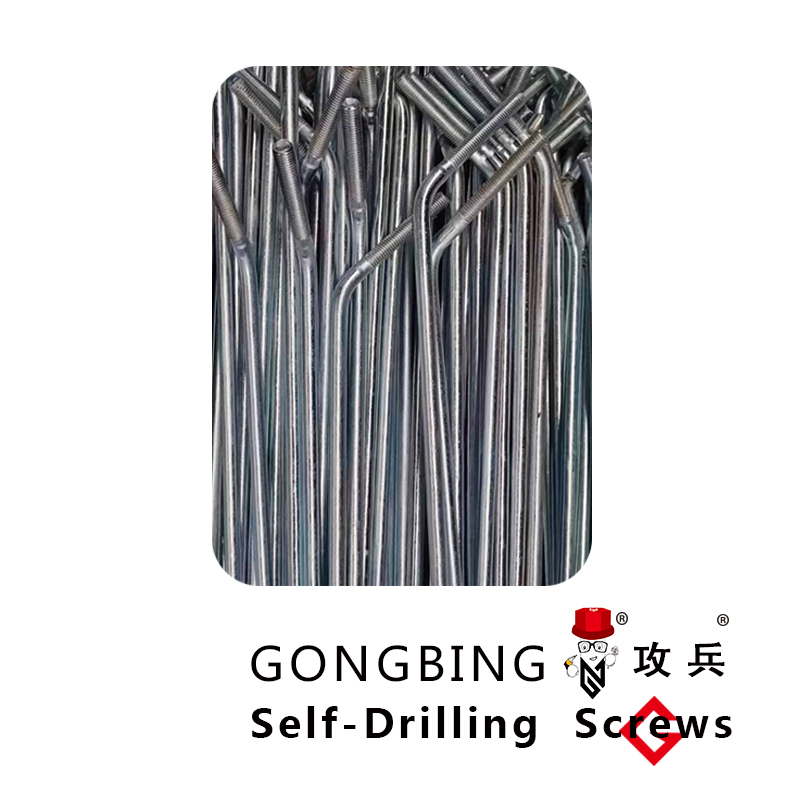
Precision-engineered steel components for structural integrity.
Application Scenarios and Target Industries
The versatility and strength of steel cross bracing make it an indispensable solution across a broad spectrum of industries and application scenarios. Its primary function is to provide resistance against lateral forces, ensuring structural stability and safety.
- High-Rise Buildings and Commercial Structures: Essential for resisting wind loads and seismic activities in tall buildings, office complexes, and convention centers, especially in active seismic zones.
- Bridges and Infrastructure: Utilized in steel truss bridges, pedestrian bridges, and elevated railway structures to maintain stability and distribute loads effectively, ensuring long-term operational safety.
- Industrial Facilities and Warehouses: Provides robust support for large span structures, heavy machinery support systems, and storage facilities, where dynamic loads and vibrations are common.
- Power Plants and Energy Sector: Critical for reinforcing steel structures in power generation facilities, including thermal, nuclear, and renewable energy plants, where equipment support and resistance to operational stresses are vital.
- Petrochemical and Oil & Gas Industries: In environments exposed to corrosive chemicals and extreme temperatures, specially coated or galvanized bracing offers essential structural support for pipe racks, platforms, and processing units, demonstrating superior corrosion resistance and maintaining structural integrity over decades.
- Metallurgy Plants: Supports heavy industrial machinery and structural frameworks in steel mills and foundries, where high temperatures and heavy dynamic loads are prevalent. Its inherent strength aids in energy saving by allowing for lighter overall structural designs.
- Water Supply & Drainage Systems: Used in supporting large diameter pipes, treatment plant structures, and pumping stations, where resistance to environmental factors and long service life are crucial.
- Retrofitting and Seismic Upgrades: A cost-effective solution for enhancing the lateral load resistance of existing structures to meet updated seismic codes or extend service life.
In these diverse scenarios, the advantages of steel rod bracing and other forms of cross bracing are evident: superior energy dissipation during seismic events, excellent corrosion resistance when properly treated, and the capability to optimize material usage, thereby contributing to overall energy saving in construction and operation. For instance, in a petrochemical facility, the high corrosion resistance of galvanized or coated steel bracing significantly reduces maintenance cycles and ensures operational continuity in aggressive chemical environments.
Technical Advantages and Performance Metrics
The technical superiority of steel cross bracing stems from several key attributes that make it a preferred choice over alternative lateral load resisting systems.
- High Strength-to-Weight Ratio: Steel offers immense strength for its weight, allowing for lighter structural frames compared to concrete shear walls, which reduces foundation costs and construction time.
- Exceptional Seismic Resistance: Steel's ductility allows it to deform significantly under extreme loads without fracturing, dissipating seismic energy effectively. Braced frames can be designed as special concentrically braced frames (SCBF) or eccentrically braced frames (EBF) to achieve specific seismic performance goals, often utilizing high-strength bolts for steel structure connections for enhanced resilience.
- Cost-Effectiveness and Speed of Construction: Prefabricated steel components, including cross bracing steel, lead to faster on-site assembly, reducing labor costs and overall project timelines.
- Adaptability and Design Flexibility: Can be easily integrated into various structural configurations and allows for greater architectural freedom due to smaller member sizes.
- Durability and Longevity: With proper protective coatings (e.g., galvanization, specialized paints), steel bracing can resist corrosion and weathering, ensuring a service life of many decades, even in challenging environments.
- Predictable Performance: Steel's material properties are well-defined and predictable, allowing for precise engineering design and analysis, ensuring reliable performance under design loads.
Comparison: Steel Cross Bracing vs. Other Lateral Load Systems
| Feature | Steel Cross Bracing | Reinforced Concrete Shear Walls | Moment Resisting Frames (MRFs) |
|---|---|---|---|
| Weight | Relatively low, optimizes foundation design. | High, significantly impacts foundation costs. | Moderate, generally heavier than braced frames. |
| Stiffness/Drift Control | Excellent, very effective in limiting story drift. | Very high, ideal for very stiff structures. | Good, but typically less stiff than braced frames or shear walls for similar member sizes. |
| Construction Speed | Fast due to prefabrication and bolted connections. | Slower, involves formwork, rebar placement, curing. | Moderate, can involve complex welded or bolted connections. |
| Material Cost | Competitive, especially when considering overall project efficiency. | Can be higher due to material volume and labor. | Higher steel tonnage typically required. |
| Architectural Flexibility | Can limit facade openings, but slender options exist. | Limits openings and can be visually massive. | Offers maximum flexibility with open floor plans. |
| Seismic Performance | Excellent energy dissipation, ductile behavior. | Good, but can be brittle if not designed with ductility in mind. | Very good, allows for large inelastic deformations. |
Robust connections are vital for cross bracing performance.
Vendor Comparison and Customized Solutions
Selecting the right vendor for steel cross bracing is a critical decision that directly impacts project quality, safety, and budget. Beyond standard product offerings, the ability to provide customized solutions tailored to specific project demands is a hallmark of a leading supplier.
Key Factors for Vendor Selection:
- Engineering Expertise: A vendor with in-house structural engineers can offer valuable design assistance, optimization, and ensure compliance with complex building codes.
- Manufacturing Capabilities: State-of-the-art facilities with CNC machinery, advanced welding, and robust quality control systems (e.g., ISO 9001 certified) ensure precision and reliability.
- Material Traceability and Certifications: Reputable vendors provide full material traceability and product certifications (e.g., CE marking, AISC certification for fabricators) ensuring that the steel meets specified standards.
- Customization Options: The capacity to provide bespoke solutions, including non-standard dimensions, specialized steel grades, unique connection details (e.g., custom gusset plates), and advanced corrosion protection systems, is crucial for complex projects.
- Lead Time and Fulfillment: A proven track record of on-time delivery and efficient logistics is vital for maintaining project schedules.
- After-Sales Support and Warranty: Comprehensive warranty policies and responsive technical support demonstrate a commitment to customer satisfaction and product longevity.
Customized cross bracing solutions often involve close collaboration between the client's engineering team and the manufacturer. This might include developing specific designs for architecturally exposed structural steel (AESS), optimizing member sizes for maximum efficiency, or integrating specialized connection hardware like high-strength bolts designed for particular shear and tension loads. For example, in a seismically active region, a custom solution might involve using specific grades of steel with enhanced ductility and specialized connection details to maximize energy absorption during an earthquake. Our company, with over 20 years in the industry, has partnered with numerous clients, including major players in the petrochemical and power sectors, delivering bespoke solutions that consistently exceed expectations and adhere to the highest international standards.
Case Studies and Real-World Applications
Examining real-world applications of these vital structural components provides tangible evidence of their effectiveness and versatility. These case studies highlight how meticulous engineering and quality manufacturing contribute to successful project outcomes.
Case Study 1: High-Rise Office Tower, Seismic Zone
A 40-story office tower located in a region prone to seismic activity required a robust lateral load resisting system. Our team engineered and supplied custom X-bracing systems utilizing ASTM A992 high-strength steel. The bracing was designed as Special Concentrically Braced Frames (SCBF), incorporating ductile connections assembled with our high strength bolts for steel structure. The solution not only met stringent seismic performance requirements (UBC Zone 4 equivalent) but also allowed for a reduced steel tonnage in the overall frame, leading to a 10% cost saving on structural materials compared to a moment frame system. Customer feedback emphasized the precision of the fabricated components and the seamless integration into the construction schedule, contributing to the project's on-time completion.
Case Study 2: Petrochemical Plant Expansion, Coastal Environment
For the expansion of a large petrochemical facility situated on a corrosive coastal environment, durability and long-term corrosion resistance were paramount. We provided structural bracing fabricated from S355JR steel, hot-dip galvanized to ISO 1461 standards, followed by a three-coat epoxy-polyurethane paint system certified to ISO 12944 C5-M high-durability category. This advanced protection ensures a service life exceeding 25 years without major maintenance in aggressive marine and chemical atmospheres. The client reported significant savings on future maintenance costs and praised our comprehensive corrosion protection expertise and adherence to stringent quality controls throughout fabrication.
Cross bracing installations exemplify structural resilience.
Trustworthiness and Support
Building trust is fundamental in B2B partnerships. Our commitment to quality, transparency, and client satisfaction is reflected in our certifications, support infrastructure, and adherence to industry best practices.
- Certifications: We operate under ISO 9001:2015 certified quality management systems. Our products adhere to relevant international standards including ASTM, ANSI, EN, and JIS. Material certificates are provided for all major components, ensuring full traceability.
- Years of Service & Partners: With over two decades of specialized experience, we have successfully delivered projects for leading clients in petrochemical, power generation, and heavy industrial sectors globally.
- Warranty: All our bracing products come with a comprehensive warranty against manufacturing defects and material failures for a period of 5-10 years under normal operational conditions and proper installation. Extended warranties are available for specific project requirements.
- Lead Time & Fulfillment: Standard lead times for custom fabrication range from 4-8 weeks, depending on project complexity and volume. Expedited services are available upon request. We maintain efficient supply chain logistics to ensure timely delivery to global destinations.
- Customer Support: Our dedicated technical support team is available during business hours to assist with design queries, installation guidance, and post-delivery support. We offer on-site consultation and troubleshooting when required.
Frequently Asked Questions (FAQ) about Steel Cross Bracing
- Q: What is the primary purpose of steel cross bracing?
- A: Its primary purpose is to resist lateral forces from wind and seismic events, preventing sway and ensuring the overall stability and rigidity of a structure.
- Q: How does this type of bracing contribute to seismic resilience?
- A: Steel is a ductile material, meaning it can deform significantly under stress without fracturing. Cross bracing, especially when designed as SCBF or EBF, allows the structure to absorb and dissipate seismic energy, preventing catastrophic failure during an earthquake.
- Q: Can cross bracing be used in existing structures?
- A: Yes, it is a highly effective and common method for seismic retrofitting and strengthening existing buildings to meet updated building codes or extend their service life.
- Q: What corrosion protection methods are available for structural steel components?
- A: Common methods include hot-dip galvanization (ISO 1461/ASTM A123) and multi-layer industrial paint systems (ISO 12944), often chosen based on the environmental conditions of the installation site.
- Q: Why are high-strength bolts important for cross bracing connections?
- A: High-strength bolts provide superior shear and tension resistance, creating robust, slip-critical connections essential for transferring significant lateral forces from the bracing members to the main structural frame, maintaining integrity under extreme conditions.
Conclusion
Steel cross bracing stands as a cornerstone in modern structural engineering, offering unparalleled benefits in terms of structural stability, seismic resilience, and cost-effectiveness. Its adaptability across diverse industries, from high-rise construction to demanding petrochemical environments, underscores its critical role in safeguarding investments and ensuring the longevity of essential infrastructure. The meticulous manufacturing process, adherence to international standards, and the integration of high-quality components like specialized high strength bolts for steel structure, guarantee a robust and reliable solution for resisting dynamic forces.
Our commitment to delivering expertly engineered, precisely manufactured, and comprehensively supported structural steel solutions ensures that clients receive not just a product, but a partnership dedicated to structural excellence and long-term performance.
-
Guide to High Quality Stainless Steel Expansion FastenersNewsApr.16,2026
-
Ultimate Guide to Industrial Sheet Metal Expansion AnchorsNewsApr.16,2026
-
High Efficiency Fastening Guide for Plastic Expansion RivetsNewsApr.16,2026
-
Plastic Expanding Nut Guide for Applications and BenefitsNewsApr.16,2026
-
Ultimate Guide to Stability and Use of Nail Expansion AnchorNewsApr.16,2026
-
Guide to Choosing and Installing the Right Metal Expansion ScrewNewsApr.16,2026