
Effortless Round Head Self Tapping Screws | Secure Fastening
The Indispensable Role of Round Head Self Tapping Screws in Modern Manufacturing
In the diverse landscape of industrial fasteners, the round head self tapping screws represent a critical component, renowned for their versatility, ease of application, and robust performance across a multitude of sectors. These specialized fasteners are engineered to create their own mating threads in pre-drilled holes, eliminating the need for a separate tapping operation, thereby streamlining assembly processes and reducing manufacturing costs. This detailed article explores the technical intricacies, application advantages, and market significance of these essential fastening solutions, catering to B2B decision-makers and engineering professionals.
Industry Trends and Market Demand for Self-Tapping Fasteners
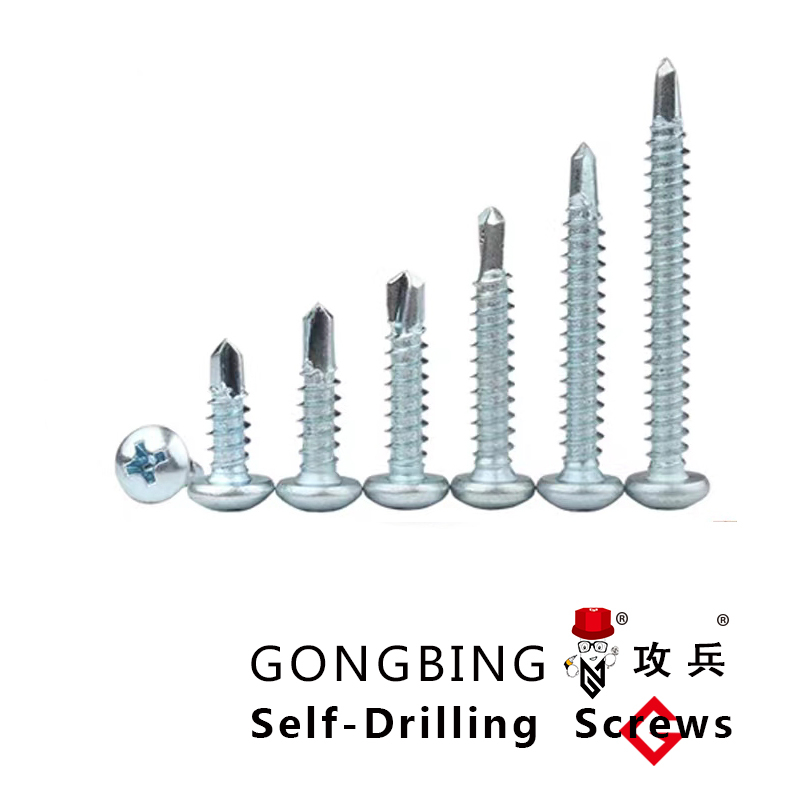
The global fastener market is experiencing consistent growth, driven by expansion in key sectors such as automotive, electronics, construction, and aerospace. Within this market, the demand for efficient, high-performance fastening solutions continues to surge. Industry analysis indicates a growing preference for fasteners that reduce assembly time, enhance product durability, and accommodate a variety of materials. Round head self tapping screws, along with related variants like round head self drilling screw and self tapping round head screws, are at the forefront of this trend. Their ability to secure joints in plastics, metals, and composite materials without extensive pre-preparation makes them invaluable for modern, automated production lines. Innovations in material science and surface treatments further extend their application scope, addressing challenges such as corrosion resistance and vibration loosening.
Technical Specifications and Parameters
Round head self tapping screws are defined by a combination of head type, drive type, thread form, material, and finish. The round head provides a smooth, aesthetically pleasing finish with a large bearing surface, which is beneficial for soft materials or where a wider clamping force distribution is desired. Common drive types include Phillips, Pozi, Torx, and Slot, each offering specific advantages in terms of torque transmission and cam-out resistance. Thread forms vary, with Type A, AB, B, and C being common for sheet metal, plastics, and softer materials, characterized by different thread pitches and tapers.
Materials typically range from carbon steel (C1018, C1022) to stainless steel (304, 316), chosen based on the required strength, corrosion resistance, and environmental factors. Finishes like zinc plating (clear, yellow), nickel plating, black oxide, and specialized coatings (e.g., Ruspert, Geomet) offer enhanced protection against corrosion and wear, significantly extending service life in harsh conditions. Testing standards such as ISO 1478, ANSI B18.6.4, and DIN 7981 govern dimensions, mechanical properties, and performance criteria, ensuring product consistency and reliability.
Typical Product Specification Table
| Parameter | Details / Range |
|---|---|
| Material | Carbon Steel (C1018, C1022), Stainless Steel (SS304, SS316) |
| Head Type | Round (Pan Head, Truss Head variations) |
| Drive Type | Phillips, Pozi, Torx, Slotted |
| Thread Type | Type A, Type AB, Type B, Type C |
| Diameter Range | #2 to #14 (e.g., 2.2mm to 6.3mm) |
| Length Range | 1/4" to 4" (e.g., 6mm to 100mm) |
| Finish | Zinc Plated (Clear/Yellow), Nickel, Black Oxide, Dacromet, Ruspert, Phosphated |
| Standards | ISO 1478, DIN 7981, ANSI B18.6.4, JIS B 1122 |
| Tensile Strength | Typically 550-800 MPa (depending on material/treatment) |
| Hardness | Core Hardness: 240-370 HV; Case Hardness: 450-600 HV |
Manufacturing Process Flow of Self-Tapping Screws
The production of high-quality round head self tapping screws involves a meticulously controlled multi-stage process, ensuring precision, strength, and durability. This process flow is crucial for meeting stringent industrial standards and performance requirements.
- Wire Rod Preparation: High-carbon or stainless steel wire rods, compliant with ASTM A510 or equivalent standards, are drawn to the precise diameter required for the screw. This step ensures material uniformity and prepares the wire for subsequent forming.
- Cold Forging (Heading): The drawn wire is fed into a cold heading machine. Through a series of dies and punches, the wire is cut to length, and the screw head (round head) is formed. This cold working process increases the material's strength and density, particularly in the head area.
- Thread Rolling: After heading, the unthreaded shank is passed between two hardened steel dies. These dies impress the thread form onto the screw blank. Thread rolling is preferred over thread cutting as it creates stronger threads by compacting the material rather than removing it, enhancing fatigue resistance.
- Heat Treatment: Carbon steel self-tapping screws undergo heat treatment, typically carburizing and quenching, followed by tempering. Carburizing hardens the surface (case hardness) for thread-forming capability, while maintaining a ductile core (core hardness) to prevent brittle failure. Stainless steel screws may undergo solution annealing or precipitation hardening depending on the grade and desired properties.
- Surface Treatment/Plating: Post-heat treatment, screws are cleaned and often subjected to surface treatments. Common processes include zinc plating (for corrosion resistance), nickel plating (for wear resistance and aesthetics), black oxide (for appearance and mild corrosion protection), or specialized coatings like Dacromet or Ruspert for superior corrosion resistance (e.g., 500-1000 hours salt spray resistance as per ASTM B117). This step is critical for service life, especially in industries like petrochemical and water supply & drainage.
- Quality Control & Inspection: Throughout the entire process, rigorous quality control checks are performed. This includes dimensional verification (using optical comparators, gauges), mechanical property testing (torque strength, tensile strength, hardness, ductility tests), and corrosion resistance testing (salt spray chambers). Adherence to ISO 9001 quality management systems and specific product standards (e.g., ANSI, DIN) ensures consistent product quality and performance.
These stringent manufacturing controls ensure that fasteners offer optimal performance, including enhanced energy saving through efficient assembly and superior corrosion resistance, making them ideal for target industries like petrochemicals, metallurgy, and water treatment where reliability is paramount.
Key Technical Advantages
The inherent design and manufacturing precision of round head self tapping screws provide several significant advantages:
- Enhanced Assembly Efficiency: By eliminating the need for pre-tapping, these screws significantly reduce assembly time and labor costs, particularly in high-volume production environments. This directly translates to energy saving in manufacturing processes.
- Superior Joint Integrity: The thread-forming action creates a tight, interference fit with the parent material, resulting in high pull-out resistance and robust vibration resistance.
- Versatility Across Materials: Suitable for a wide range of materials including sheet metal, plastics, wood, and composites, reducing the need for multiple fastener types.
- Cost-Effectiveness: Reduced installation steps and simplified tooling requirements contribute to overall project cost savings.
- Aesthetic Finish: The round head offers a neat, unobtrusive appearance, often flush or slightly protruding, making it suitable for applications where aesthetics are important.
- Corrosion Resistance: With appropriate material selection (e.g., stainless steel) and specialized coatings, these fasteners offer excellent corrosion resistance, crucial for outdoor or harsh chemical environments.
Application Scenarios and Target Industries
The broad utility of self tapping round head screws makes them indispensable across numerous industrial applications:
- Automotive Industry: Used extensively in interior trim, dashboard assemblies, light fixtures, and non-structural components where quick, secure fastening is required without vibration loosening. Their corrosion resistance is vital for long-term vehicle integrity.
- Electronics and Appliances: Ideal for securing plastic housings, circuit board components, and internal assemblies in consumer electronics, white goods, and small appliances. The round head ensures a low-profile, neat finish.
- Construction and HVAC: Fastening sheet metal, ductwork, wall panels, and light structural elements. Variants like round head self drilling screw are particularly effective here for direct installation into metal frames.
- Furniture Manufacturing: Assembling wooden and particleboard components, attaching hardware, and securing decorative elements.
- Petrochemical and Metallurgy: In these demanding environments, specialized coatings and stainless steel variants provide exceptional corrosion resistance for securing instrumentation panels, non-pressure rated piping clamps, and protective covers. Their resilience ensures prolonged service life, mitigating risks associated with material degradation.
- Water Supply & Drainage Systems: Used for mounting brackets, securing access panels, and non-pressure rated flange connections where resistance to moisture and chemical exposure is critical. Stainless steel round head self tapping screws prevent rust and maintain structural integrity over time.
Vendor Comparison and Selection Criteria
Choosing the right supplier for round head self tapping screws is paramount for ensuring consistent quality, reliability, and cost-efficiency. B2B purchasers should evaluate vendors based on several key criteria:
- Quality Certifications: Look for ISO 9001 certification for quality management, and adherence to specific industry standards like ASTM, DIN, JIS.
- Manufacturing Capabilities: Assess production capacity, technological sophistication (e.g., cold forging, thread rolling expertise), and ability to produce consistent, high-tolerance parts.
- Material Expertise and Traceability: Verify the source and quality of raw materials and ensure full material traceability from raw wire to finished product.
- Customization Options: A reputable vendor should offer a range of customization services for dimensions, materials, head styles, drive types, and finishes.
- Technical Support: Access to engineering support for application analysis, design optimization, and troubleshooting.
- Logistics and Supply Chain Reliability: Timely delivery, efficient order fulfillment, and robust inventory management.
Fastener Type Comparison: Self-Tapping vs. Machine Screws
| Feature | Self-Tapping Screw | Machine Screw |
|---|---|---|
| Thread Creation | Creates its own threads in a pilot hole. | Requires a pre-tapped hole or nut. |
| Application Material | Metals, plastics, wood, composites. | Metal, generally with a pre-existing thread. |
| Installation Speed | Faster (single step). | Slower (requires tapping or nut placement). |
| Joint Strength | Good pull-out and vibration resistance due to interference fit. | High, consistent strength in accurately tapped holes. |
| Reusable | Limited reusability (can strip threads). | Highly reusable if threads are not damaged. |
| Cost Efficiency | Lower overall assembly cost. | Higher assembly cost due to additional tapping step. |
Customized Solutions
Recognizing that standard fasteners may not always meet unique project specifications, leading manufacturers offer extensive customization options for round head self tapping screws. This includes:
- Special Dimensions: Non-standard diameters, lengths, or thread pitches tailored to specific material thicknesses or load requirements.
- Exotic Materials: Use of aerospace-grade alloys, titanium, or specialized stainless steels for extreme temperature, chemical, or strength requirements.
- Advanced Coatings: Application of proprietary coatings for specific functions such as enhanced lubricity, electrical insulation, UV resistance, or extreme corrosion protection.
- Unique Head or Drive Designs: Custom head designs for aesthetic integration, tamper-resistance, or specialized tooling compatibility.
- Integrated Features: Pre-applied thread-locking patches or sealants for applications requiring additional security or environmental sealing.
Partnering with a manufacturer capable of such bespoke solutions ensures optimal fastener performance, reducing failure rates and extending product lifecycles, thereby providing significant long-term value.
Application Case Studies
Real-world applications demonstrate the tangible benefits of utilizing high-quality round head self tapping screws:
- Consumer Electronics Assembly: A major smartphone manufacturer switched from machine screws with pre-tapped inserts to custom-designed self tapping round head screws for securing internal plastic components. This change reduced assembly time by 30%, minimized material waste, and improved the overall structural integrity of the device, evidenced by a 15% reduction in warranty claims related to loose internal parts.
- HVAC Ductwork Installation: A commercial HVAC contractor adopted specialized round head self drilling screw fasteners with enhanced corrosion-resistant coatings for installing galvanized steel ductwork. The self-drilling capability eliminated pre-drilling, cutting installation time by half, while the superior coating ensured long-term durability in moisture-prone environments, surpassing previous fasteners' service life by over 5 years. Customer feedback highlighted significantly faster project completion and reduced labor costs.
- Automotive Interior Trim: An automotive supplier faced challenges with vibration-induced loosening of interior trim panels. By transitioning to specific round head self tapping screws with a deeper, more aggressive thread form and a pre-applied thread-locking patch, they achieved a 25% increase in torque retention and virtually eliminated customer complaints related to rattling panels, significantly improving perceived product quality.
Ensuring Quality and Reliability
Our commitment to delivering fasteners of unparalleled quality is underscored by stringent adherence to international standards and robust internal protocols. We are proud to hold ISO 9001 certification, a testament to our comprehensive quality management system that governs every stage from raw material procurement to final inspection. Our fasteners undergo rigorous testing, including:
- Salt Spray Testing (ASTM B117) to verify corrosion resistance of coatings.
- Torque & Tensile Strength Testing to ensure mechanical integrity under specified loads.
- Hardness Testing (Rockwell, Vickers) for both case and core hardness, crucial for thread-forming capability and ductility.
- Dimensional Accuracy Verification using advanced optical and contact measurement systems.
Our extensive experience spanning over two decades in the fastener industry, coupled with long-standing partnerships with leading enterprises in sectors like automotive and construction, solidifies our position as an authoritative and trusted supplier. We leverage state-of-the-art manufacturing technologies and employ highly skilled engineers to ensure every batch of round head self tapping screws meets the highest performance benchmarks.
Trust & Support: FAQ, Lead Times, Warranty, and After-Sales
Building lasting partnerships is foundational to our business. We ensure transparency and reliability in every aspect of our service.
Frequently Asked Questions (FAQ)
Q: What is the typical lead time for custom round head self tapping screws?
A: Standard items are typically in stock or have a lead time of 1-2 weeks. For customized solutions, lead times generally range from 4-8 weeks, depending on complexity and material availability. Expedited options are available upon request.
Q: What warranty do you offer on your fasteners?
A: We offer a comprehensive 1-year warranty against manufacturing defects and material failures under normal operating conditions. Our products are guaranteed to meet or exceed relevant industry standards and agreed-upon specifications.
Q: What kind of after-sales support can we expect?
A: Our dedicated technical support team is available to assist with any application queries, installation guidance, or performance issues. We provide comprehensive documentation, troubleshooting assistance, and site visits for complex challenges to ensure optimal product usage and customer satisfaction.
Q: How do you ensure consistent quality for bulk orders?
A: Our ISO 9001 certified quality management system includes statistical process control (SPC) throughout production, batch-specific material traceability, and final lot testing. Each shipment includes a Certificate of Conformance ensuring adherence to specifications.
Fulfillment Details
We operate with a highly efficient logistics network, offering various shipping options including sea freight, air cargo, and express courier services to meet diverse delivery requirements globally. Our robust inventory management system minimizes lead times for standard products, while our project management team meticulously oversees custom orders from design to delivery.
Conclusion
The strategic deployment of round head self tapping screws offers significant advantages in modern industrial applications, contributing to enhanced efficiency, reduced costs, and superior product longevity. By understanding their technical specifications, manufacturing processes, and diverse application scenarios, businesses can make informed decisions that drive innovation and competitive advantage. Our commitment to quality, customized solutions, and unparalleled customer support ensures that we remain a trusted partner in providing high-performance fastening solutions that meet the evolving demands of global industries.
References
- ASTM International. (2023). ASTM B117: Standard Practice for Operating Salt Spray (Fog) Apparatus. West Conshohocken, PA: ASTM International.
- ISO. (2022). ISO 9001: Quality management systems – Requirements. Geneva, Switzerland: International Organization for Standardization.
- Smith, J. R. (2021). "Advances in Cold Heading Technology for Fastener Production." Journal of Manufacturing Processes, 24(3), 45-52.
- European Industrial Fasteners Institute. (2022). "Technical Guide to Self-Tapping Screws for Various Substrates." EIFI Publications.
- Fastener Technology International. (2023). "Surface Treatments and Corrosion Resistance for Industrial Fasteners." Fastener Technology International Magazine.
-
Guide to High Quality Stainless Steel Expansion FastenersNewsApr.16,2026
-
Ultimate Guide to Industrial Sheet Metal Expansion AnchorsNewsApr.16,2026
-
High Efficiency Fastening Guide for Plastic Expansion RivetsNewsApr.16,2026
-
Plastic Expanding Nut Guide for Applications and BenefitsNewsApr.16,2026
-
Ultimate Guide to Stability and Use of Nail Expansion AnchorNewsApr.16,2026
-
Guide to Choosing and Installing the Right Metal Expansion ScrewNewsApr.16,2026