
EPDM Screws: Leak-Proof, Corrosion-Resistant, UV-Stable
A Field Guide to EPDM Screws for Cladding, Roofing, and Beyond
If you work with metal roofs or facade systems, you’ve almost certainly handled epdm screws—even if you called them something else on site. In plain terms: self-drilling fasteners with a bonded EPDM washer that seals out water and absorbs vibration. Sounds simple, but the details matter, especially when projects sit under harsh UV, salt air, or freeze-thaw cycles for a decade or two.
I’ve been on roofs where budget fasteners failed before the panels did. Not great. On the other hand, I’ve seen modestly priced, well-coated screws with quality EPDM washers outlast the warranty period by years. So yes—specification nuance pays for itself.
Product at a Glance
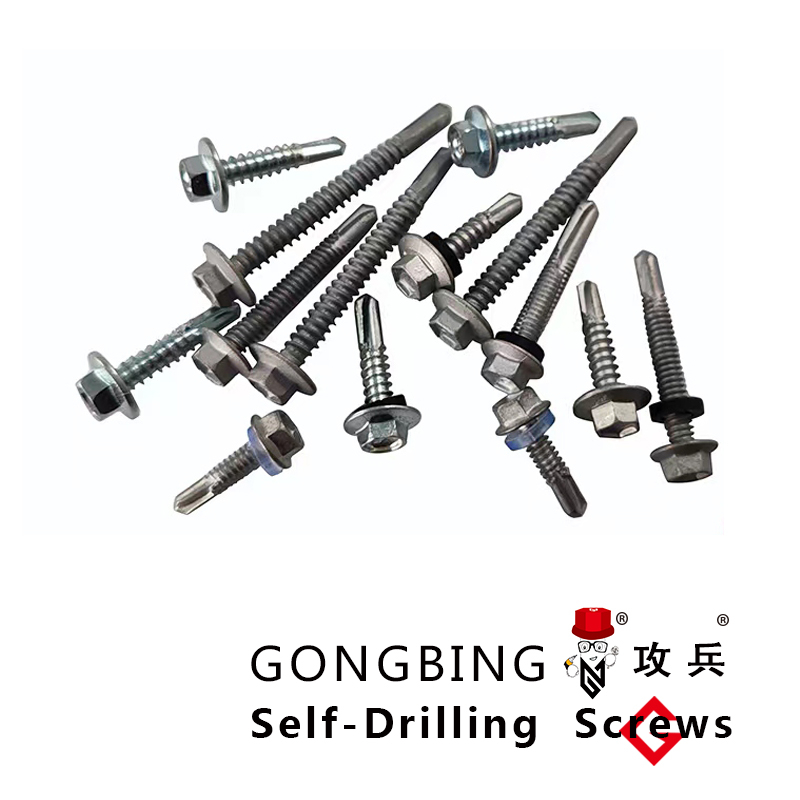
From China, the EpDM apron drill tail wire series targets metal-to-metal and metal-to-wood applications, typically in roofing, siding, HVAC, cold storage, solar racking, and light steel framing. Sizes offered: M4.8×L5–14 mm, M5.5×L5–16 mm, M6.3×L5–18 mm. The naming varies by region, but the job is the same: drill, clamp, seal.
Why EPDM?
EPDM (ethylene propylene diene monomer) resists UV, ozone, and temperature swings better than ordinary rubber. Pair that with a proper bonded metal washer and you get a durable seal that flexes with the panel. Many customers say the “sweating roof” issues they used to see in shoulder seasons virtually disappeared after moving to higher-grade epdm screws.
Technical Specifications
| Sizes | M4.8×L5–14 mm, M5.5×L5–16 mm, M6.3×L5–18 mm |
| Screw Material | C1022/1022A carbon steel, case hardened; options for stainless on request |
| Coatings | Zinc, Zinc-Ni, Ruspert/ceramic; ISO 4042 compliant (≈) |
| Washer | Bonded metal + EPDM (≈12–19 mm OD); ASTM D2000 class M |
| Standards | DIN 7504 (self-drilling), ISO 4759-1 tolerances; AS 3566 classes (per coating) |
| Drill Capacity | Up to ≈4.8 mm steel (size dependent); TEK #3-equivalent points available |
| Torque | 3–7 N·m typical; real-world use may vary with substrate and head style |
Manufacturing and QC Flow
Wire drawing → cold heading → drill-point forming → thread rolling → heat treatment (case harden) → coating → washer assembly → torque, drill, and leak tests. EPDM is validated for hardness (ASTM D2240 Shore A), tensile/elongation (ASTM D412), and accelerated weathering/UV (ASTM G154). Corrosion checks use ISO 9227 NSS. It’s a mouthful, but this sequence is what separates decent fasteners from callbacks.
Test Snapshot (internal lab, indicative)
- Salt spray (ISO 9227): 720 h, no red rust on head/washer; thread exhibited
- Leak test: no seepage at 2.0 bar, 10 min, standard roof panel stack-up.
- Service life on roofs: around 15–25 years depending on environment and coating selection.
Application Scenarios
Metal roofing and cladding, purlin attachment, HVAC duct flanges, solar module rails, agricultural buildings. In coastal zones, pick higher-class coatings and don’t overdrive. Actually, that’s the most common mistake I see: over-compressing the epdm screws washer and creating a permanent dimple that ages badly.
Vendor Comparison (quick, practical view)
| Vendor | Origin | Coatings | Certs | MOQ | Lead Time | Notes |
|---|---|---|---|---|---|---|
| HBXZ Fastener | China | Zinc, Zn-Ni, Ruspert | ISO 9001; ISO 9227 testing | ≈ 50k pcs | 2–4 weeks (typical) | Competitive on custom sizes |
| Regional Distributor A | US | Zinc, Ruspert | ISO 9001; AS 3566 class labeling | Carton-level | Stock/1–2 days | Fast delivery, higher unit cost |
| EU Brand B | EU | Zn-Ni, duplex coatings | ETA/CE options | Pallet-level | 3–5 weeks | Premium corrosion packages |
Customization Tips
- Specify coating by environment class (e.g., AS 3566 Class 3/4 for coastal).
- Confirm washer OD/durometer for panel profile and expected torque.
- Match drill-point to substrate stack (avoid walking and burnishing).
Mini Case: Coastal Warehouse Retrofit
A contractor swapped generic fasteners for epdm screws with Zn-Ni coating and a larger OD washer on a seafront warehouse. After one storm season, they reported zero leaks and cleaner panel edges (less corrosion bloom). Not scientific, but it mirrors test data and, frankly, common sense.
Bottom Line
Pay attention to coating class, EPDM quality, and drill-point geometry. The right epdm screws make installations smoother today—and quieter in your inbox tomorrow.
References
- DIN 7504: Self-drilling tapping screws.
- ISO 9227: Corrosion tests in artificial atmospheres—Salt spray tests.
- ASTM D2000, D2240, D412, G154: Rubber classification, hardness, tensile, and UV/weathering.
- AS 3566: Self-drilling screws for the building and construction industries.
- ISO 4042: Fasteners—Electroplated coatings.
-
Guide to High Quality Stainless Steel Expansion FastenersNewsApr.16,2026
-
Ultimate Guide to Industrial Sheet Metal Expansion AnchorsNewsApr.16,2026
-
High Efficiency Fastening Guide for Plastic Expansion RivetsNewsApr.16,2026
-
Plastic Expanding Nut Guide for Applications and BenefitsNewsApr.16,2026
-
Ultimate Guide to Stability and Use of Nail Expansion AnchorNewsApr.16,2026
-
Guide to Choosing and Installing the Right Metal Expansion ScrewNewsApr.16,2026