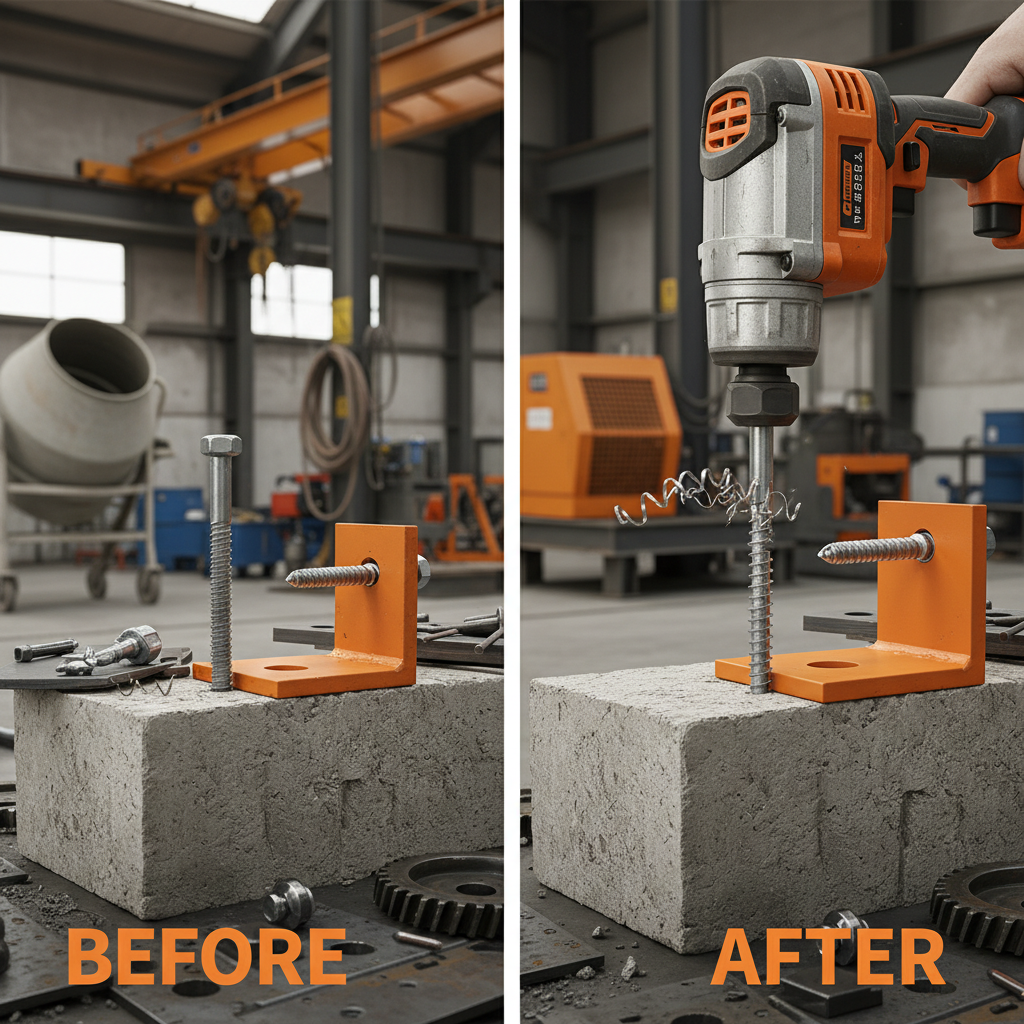
Self threading screws are essential fasteners used across a vast spectrum of industries, from construction and automotive to electronics and aerospace. Their ability to tap their own threads as they are driven into a material simplifies assembly, reduces the need for pre-tapped holes, and often leads to significant time and cost savings. Understanding the nuances of these screws – their materials, designs, and applications – is critical for engineers, manufacturers, and anyone involved in product assembly and maintenance.
The global demand for self threading screws is consistently high, driven by the continued growth of manufacturing sectors worldwide. According to a recent report by Grand View Research, the global fastener market was valued at USD 85.89 billion in 2022 and is expected to expand at a compound annual growth rate (CAGR) of 4.8% from 2023 to 2030. This growth underscores the indispensable role fasteners, including self threading screws, play in modern economies.
A key challenge addressed by self threading screws is the efficiency and cost-effectiveness of joining materials. Traditional fastening methods often require time-consuming and expensive pre-tapping processes. These screws eliminate that step, streamlining production, minimizing waste, and making them particularly valuable in large-scale manufacturing and applications where accessibility is limited. Furthermore, the versatility of self threading screws makes them suitable for a wide range of materials, including metals, plastics, and wood.
Introduction to Self Threading Screws
Self threading screws are a cornerstone of modern fastening technology, offering a unique solution for joining materials without the need for pre-tapped holes. They function by creating their own threads as they are driven into the material, a process that is both efficient and cost-effective. This makes them invaluable in a wide range of applications, from assembling consumer electronics to securing structural components in buildings.
The versatility of self threading screws extends to various material types, including metals, plastics, and wood. Their design incorporates specific thread geometries and hardened materials to ensure reliable and durable connections. Choosing the right type of self threading screw for a particular application is crucial for achieving optimal performance and longevity.
Defining Self Threading Screws
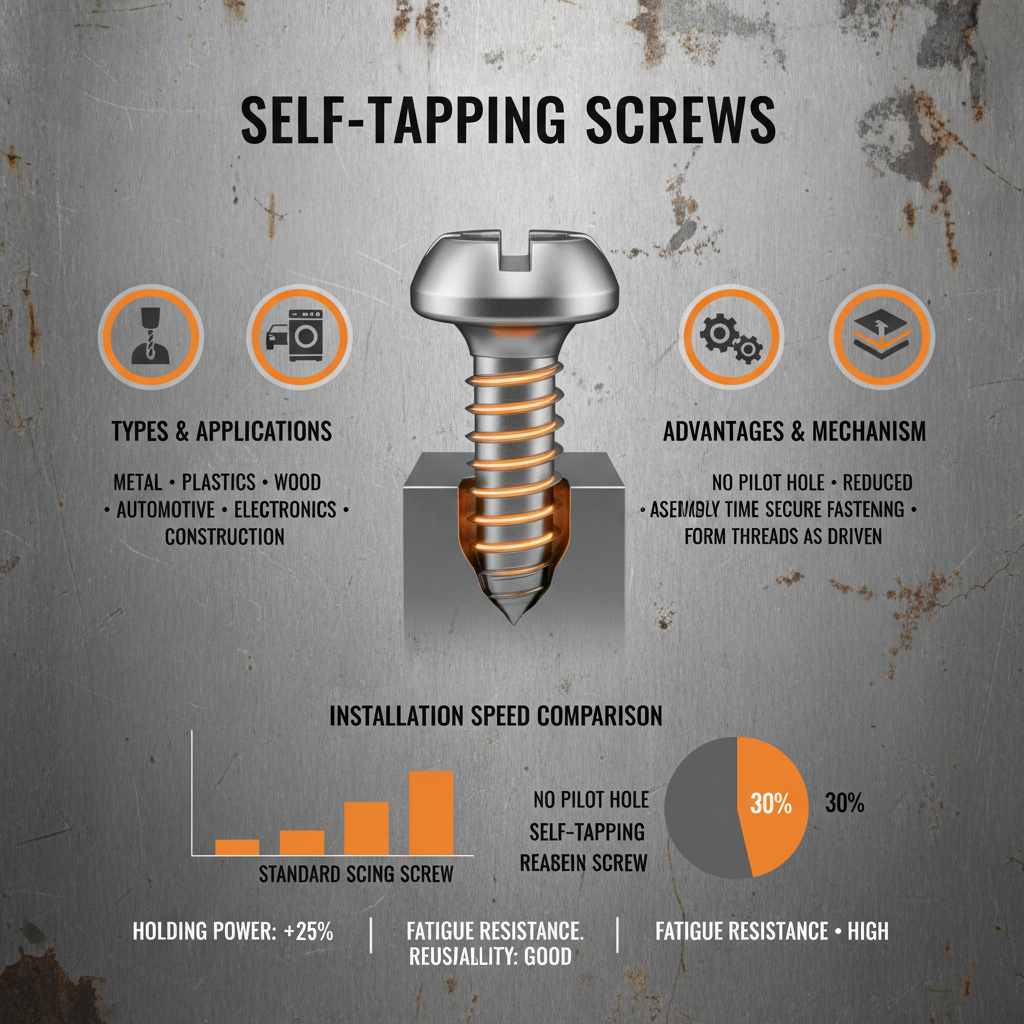
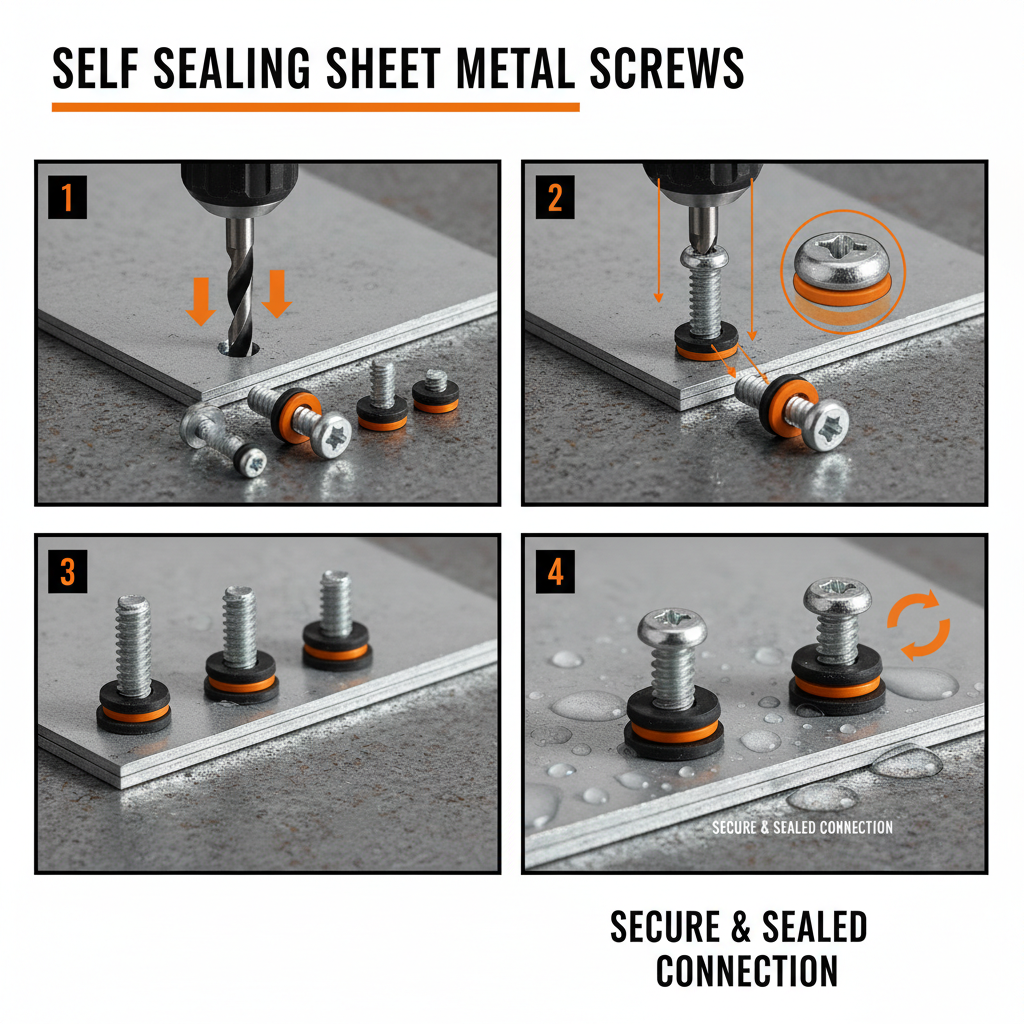
Simply put, self threading screws are fasteners that create their own internal threads as they are inserted into a material. Unlike traditional screws that require a pre-tapped hole, these screws feature a specially designed thread form that cuts into the material as it's rotated and pressed forward. This eliminates a significant step in the assembly process, saving time and reducing manufacturing costs.
Their connection to modern industry is undeniable. They facilitate rapid assembly in high-volume manufacturing environments, are crucial for applications where access is limited, and contribute to the overall efficiency of production lines. The humanitarian connection comes into play in areas like disaster relief, where quick and easy shelter construction is paramount, and self threading screws enable rapid assembly of modular structures.
The functionality of these screws is fundamentally about material displacement. As the screw turns, the thread form effectively pushes material aside to create the necessary engagement for a secure hold. The type of material, its thickness, and the screw’s design all play a role in the success of this process.
Core Characteristics of Self Threading Screws
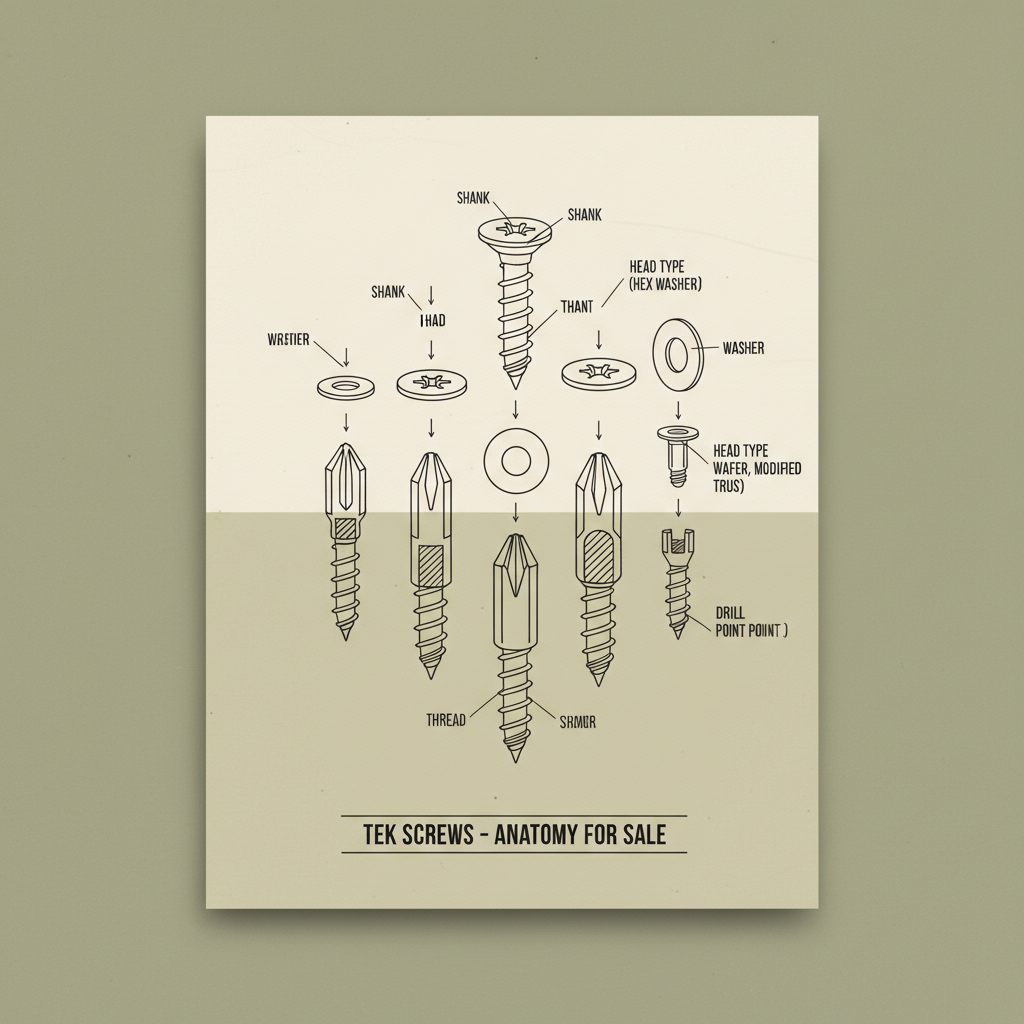
One of the defining characteristics of self threading screws is their thread form. Different thread designs, such as Type A, Type AB, and Type B, are optimized for specific materials and applications. Type A screws, for example, are designed for thin sheet metal, while Type B screws are generally used for thicker materials. Understanding these distinctions is crucial for selecting the appropriate screw for a given task.
Material composition is another key characteristic. Self threading screws are commonly made from steel (carbon steel, alloy steel, stainless steel), brass, aluminum, and plastic. The choice of material impacts the screw’s strength, corrosion resistance, and suitability for different environments. Stainless steel screws, for instance, are ideal for outdoor applications due to their superior corrosion resistance.
Point styles also vary. Sharp points facilitate easy starting and penetration, while blunt points are more suitable for pre-drilled holes or softer materials. Additionally, drive types (Phillips, slotted, Torx, etc.) influence the torque that can be applied and the ease of installation.
Key Factors Influencing Performance
Durability is paramount. The material strength of the screw, combined with its thread design, determines its resistance to stripping, shearing, and fatigue. High-quality self threading screws will maintain their integrity even under significant stress and repeated use.
Material compatibility is another critical factor. Choosing a screw material that is compatible with the material being fastened prevents corrosion and ensures a long-lasting connection. For example, using a steel screw with an aluminum substrate without proper coating can lead to galvanic corrosion.
Performance Metrics for Different Self Threading Screw Types
Diverse Applications of Self Threading Screws
The automotive industry relies heavily on self threading screws for assembling various components, from interior trim to engine parts. Their ability to quickly and securely join materials contributes to efficient production processes and vehicle reliability.
In the construction sector, these screws are used extensively in metal roofing, cladding, and framing. They provide a strong and durable connection without the need for welding or pre-drilling, making them ideal for on-site assembly.
Advantages and Long-Term Value
Cost efficiency is a significant advantage. Eliminating the pre-tapping step reduces labor costs and material waste. Sustainability is enhanced through reduced energy consumption and fewer resources used in the assembly process. The robust nature of self threading screws also contributes to the longevity of products, reducing the need for frequent repairs or replacements.
From a reliability standpoint, they offer a secure and consistent fastening solution. The self-tapping action ensures a tight grip, minimizing the risk of loosening or failure. This is particularly important in critical applications where safety and structural integrity are paramount. The inherent ease of use also translates into improved worker safety and reduced assembly times.
Future Trends and Innovations
Emerging trends include the development of self threading screws made from advanced materials like titanium and specialized alloys, offering enhanced strength, corrosion resistance, and weight reduction. These materials are particularly valuable in aerospace and medical applications.
Digital transformation is also influencing the industry. Smart fasteners equipped with sensors can monitor torque, temperature, and other parameters, providing valuable data for quality control and predictive maintenance. Furthermore, automation in manufacturing processes is driving the demand for self threading screws that can be easily integrated into robotic assembly systems.
Sustainability remains a key focus. Manufacturers are increasingly exploring eco-friendly materials and coatings to reduce the environmental impact of self threading screws. This includes utilizing recycled materials and developing biodegradable options.
Summary of Future Trends in Self Threading Screw Technology
| Trend Category |
Specific Innovation |
Impact on Performance |
Expected Adoption Rate (1-10) |
| Materials Science |
Titanium Alloy Screws |
Increased Strength-to-Weight Ratio |
6 |
| Smart Fasteners |
Torque-Sensing Screws |
Improved Quality Control |
7 |
| Manufacturing Automation |
Robot-Compatible Screw Designs |
Faster Assembly Speeds |
8 |
| Sustainable Materials |
Recycled Steel Screws |
Reduced Carbon Footprint |
5 |
| Surface Treatments |
Bio-Based Coatings |
Enhanced Corrosion Resistance |
4 |
| Thread Geometry |
Optimized Thread Forms for Plastics |
Improved Grip in Plastic Materials |
9 |
FAQS
The key benefit lies in the elimination of the pre-tapping process. Traditional screws require a pre-tapped hole, which adds time, cost, and complexity to assembly. Self threading screws create their own threads as they are driven in, streamlining the process and making it ideal for high-volume production or applications where pre-tapping is impractical. This also reduces the need for specialized tooling and expertise.
Self threading screws are commonly made from steel (carbon steel, alloy steel, stainless steel), brass, aluminum, and plastic. Steel offers high strength but can be susceptible to corrosion, while stainless steel provides excellent corrosion resistance. Brass is often used in electrical applications due to its conductivity. Plastic screws are lightweight and non-conductive. The material choice depends on the environment, the materials being joined, and the required strength and durability.
Different thread types (A, AB, B, etc.) are designed for specific materials. Type A screws are best for thin sheet metal, while Type B screws are better for thicker materials. Consider the material's hardness and thickness. Softer materials may require a more aggressive thread form, while harder materials may need a finer pitch. Always consult manufacturer specifications and consider testing to ensure optimal performance.
Yes, self threading screws can be used in plastics, but it’s crucial to select the correct screw type and material. Screws specifically designed for plastics have sharper threads and a wider pitch to effectively cut into the plastic without causing cracking. Using screws with a blunt point and a coarser thread is generally recommended for softer plastics.
Common issues include stripping the threads, breaking the screw head, or incomplete thread engagement. These can be avoided by using the correct screw size and type for the material, applying appropriate torque, pre-drilling a pilot hole (especially in harder materials), and ensuring the screw is aligned properly during installation.
The lifespan of a self threading screw depends on several factors, including the material it’s made from, the material it’s fastened into, the applied load, and the environment it’s exposed to. With proper selection and installation, a stainless steel self threading screw in a relatively benign environment can last for decades. Regular inspection and maintenance can further extend its lifespan.
Conclusion
In conclusion, self threading screws are an indispensable fastening solution that has revolutionized manufacturing and assembly processes across a diverse range of industries. Their ability to simplify installation, reduce costs, and provide reliable connections makes them a critical component in countless products and structures. Understanding the various types, materials, and applications of these screws is essential for maximizing their performance and ensuring long-term durability.
Looking ahead, continued innovation in materials science, automation, and sustainable manufacturing will further enhance the capabilities and benefits of self threading screws. By embracing these advancements, industries can unlock even greater efficiencies, improve product quality, and reduce their environmental impact. To explore a comprehensive range of high-quality self threading screws and fastening solutions, visit our website: www.hbxzfastener.com.