The world relies heavily on robust and reliable fastening solutions across diverse industries, from construction and automotive to aerospace and manufacturing. Central to these solutions is the often-unsung hero: the self thread bolt. These specialized fasteners offer significant advantages in applications where efficiency, speed of assembly, and secure connections are paramount. Understanding the nuances of self thread bolt design, materials, and applications is crucial for engineers, procurement specialists, and anyone involved in projects demanding high-performance fastening.
Globally, the demand for efficient construction and manufacturing processes continues to rise, driving the adoption of self thread bolt technologies. The International Organization for Standardization (ISO) plays a key role in setting standards for fastener quality and performance, ensuring compatibility and safety across international markets. However, challenges remain in adapting these standards to emerging materials and innovative designs. The ability to quickly and reliably establish a strong hold, particularly in materials that are difficult to tap, addresses these critical needs.
The increasing focus on prefabrication and modular construction further amplifies the importance of self thread bolt solutions, reducing on-site assembly time and improving overall project efficiency. From large-scale infrastructure projects to specialized industrial applications, the self thread bolt has become an indispensable component in modern engineering.
The Fundamentals of Self Thread Bolt
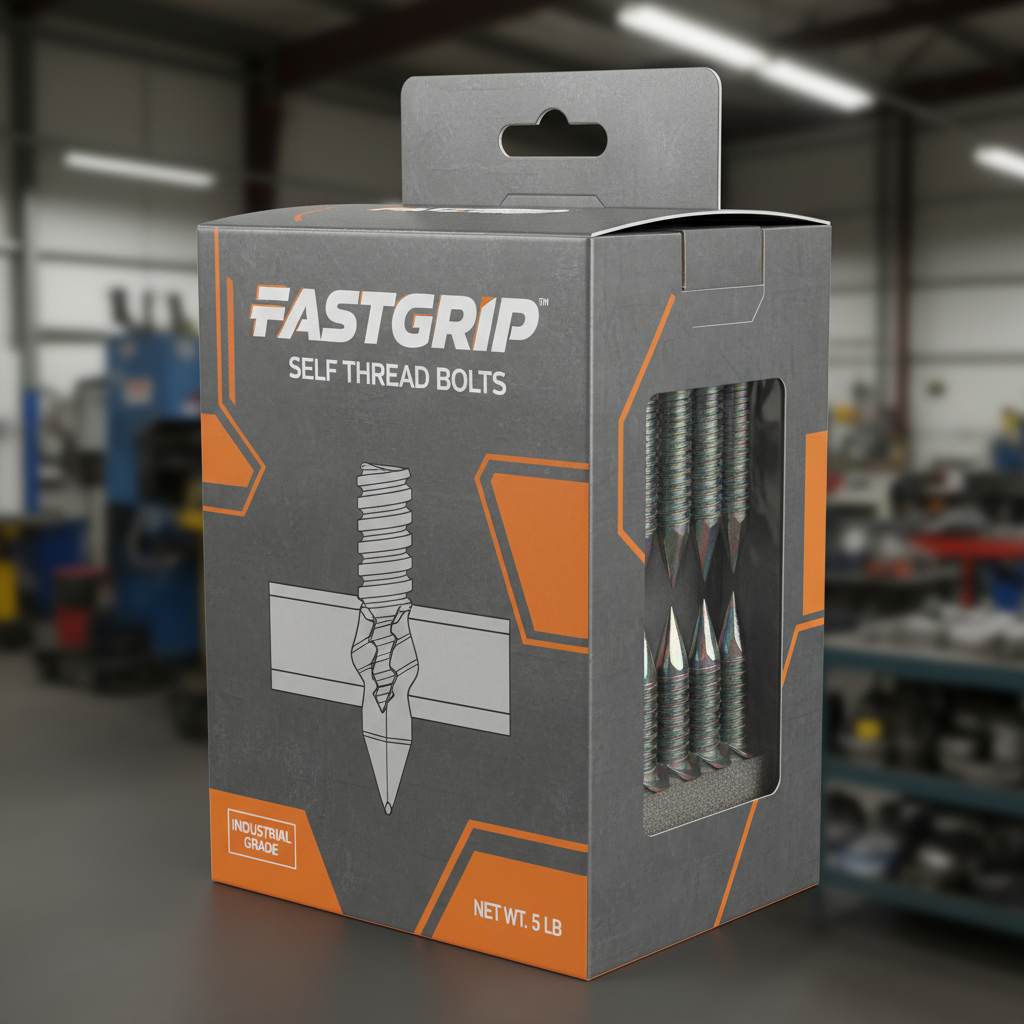
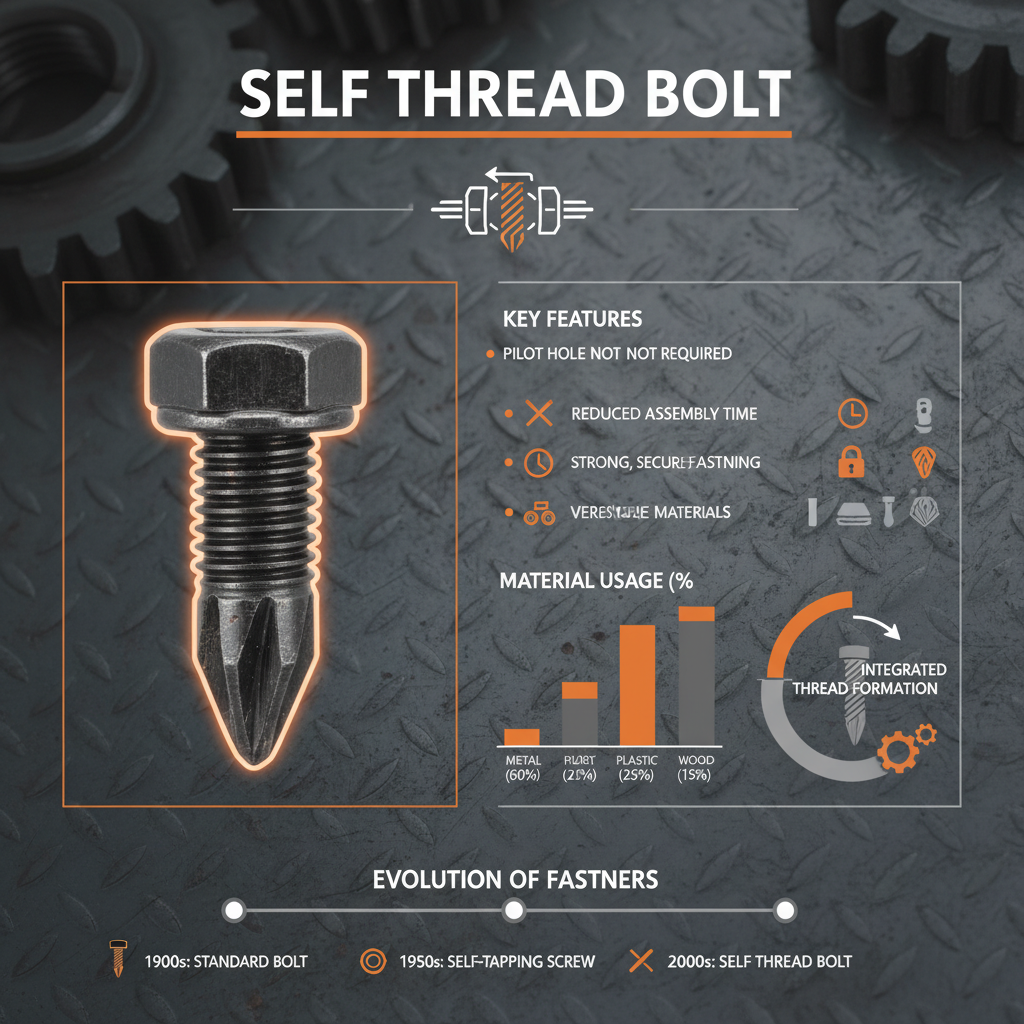
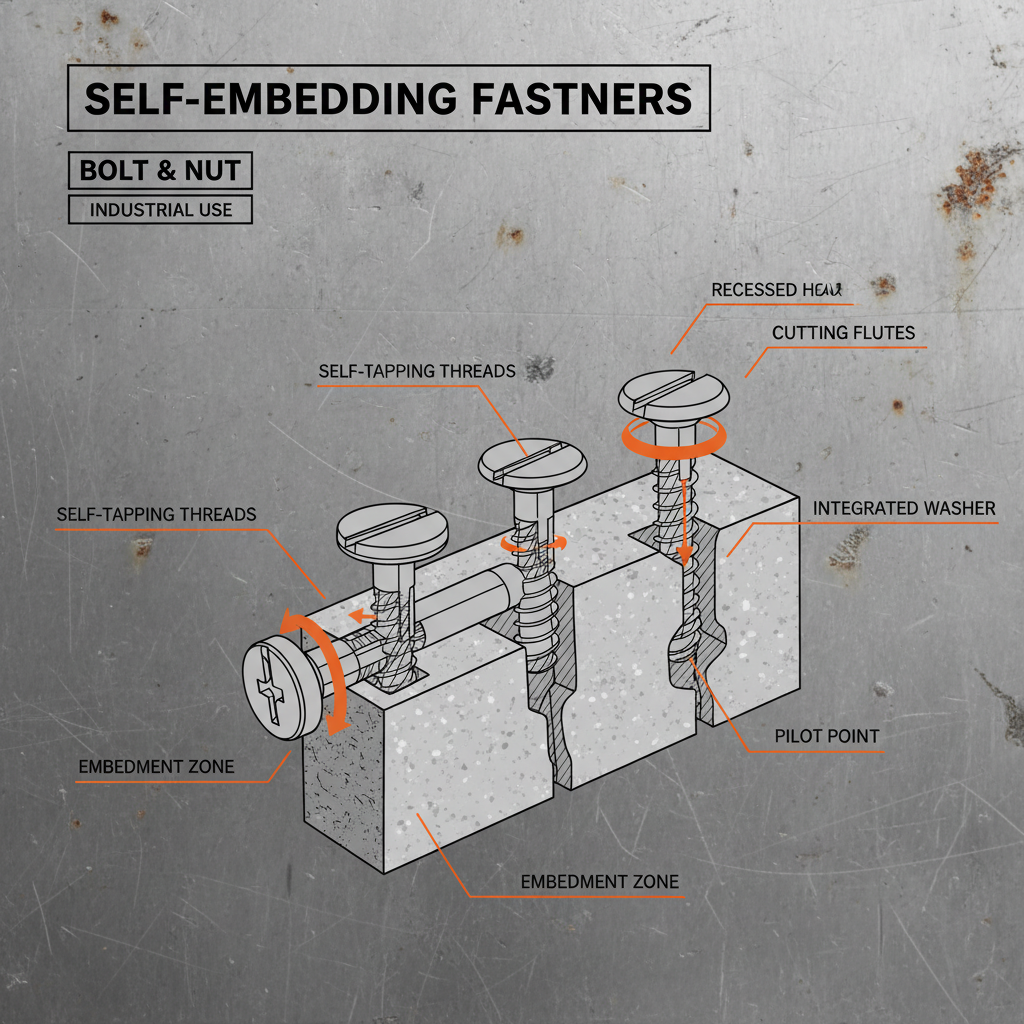
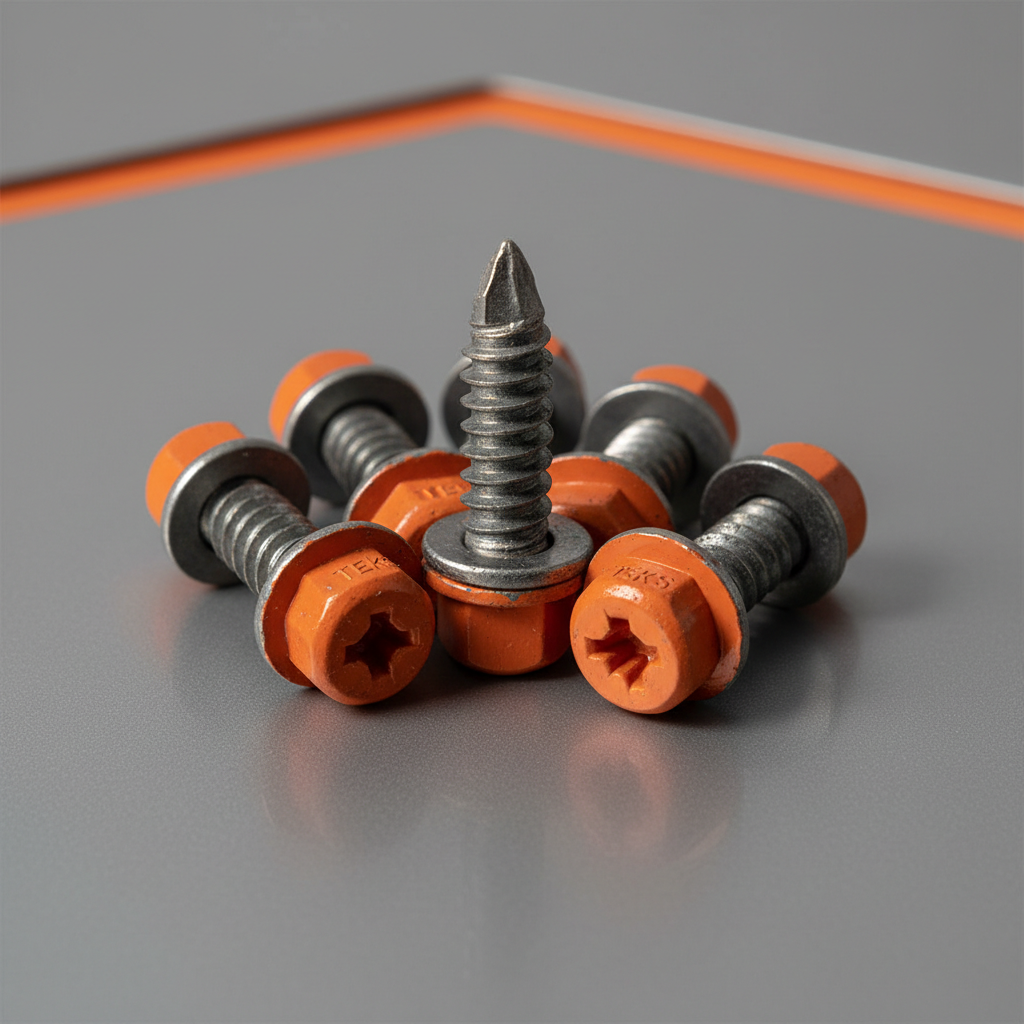
Self thread bolt designs typically incorporate hardened threads that cut into the material being fastened, creating their own mating threads as they are driven in. This eliminates the need for pre-tapped holes, saving significant time and cost in assembly processes. The robust thread geometry is paramount for achieving a secure and durable connection. self thread bolt designs vary based on application.
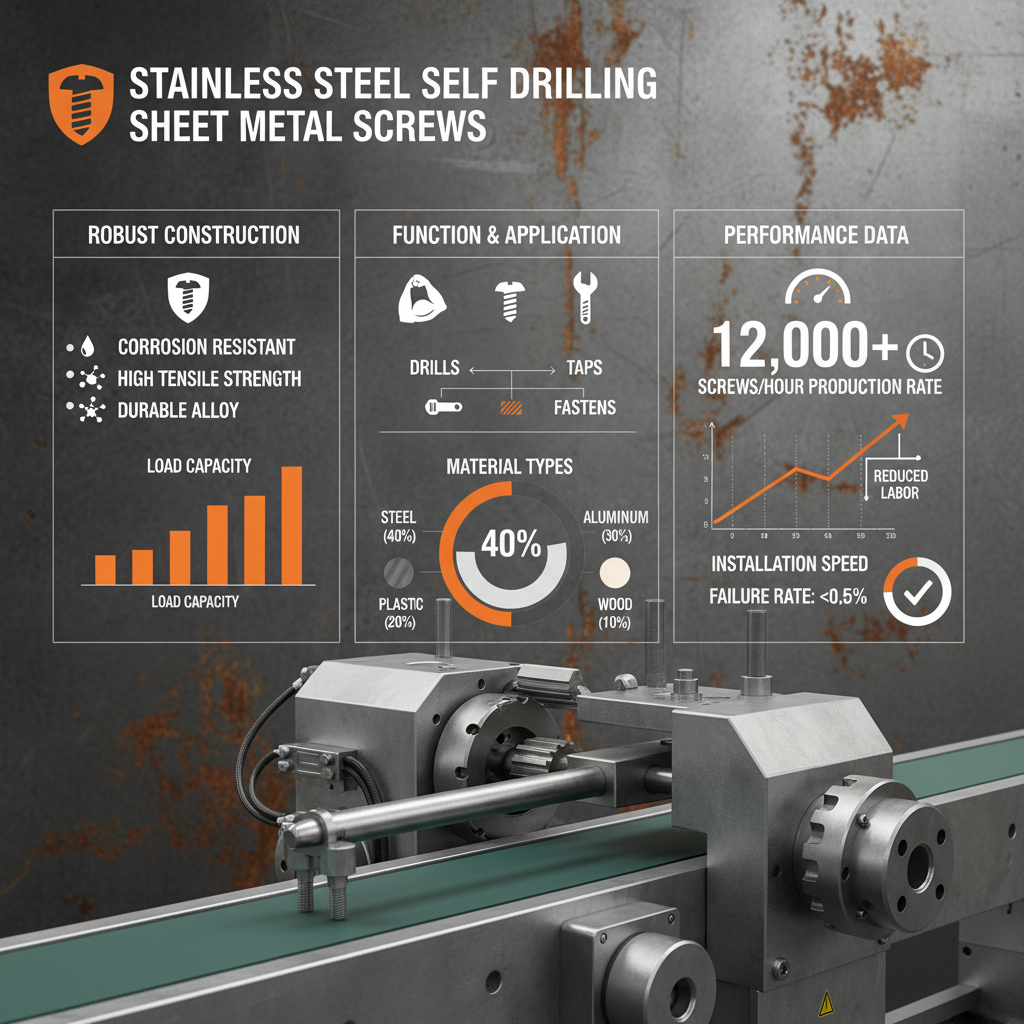
The selection of appropriate materials for self thread bolt, such as alloy steel, stainless steel, or specialized alloys, is critical for ensuring corrosion resistance, strength, and compatibility with the fastened materials. Factors like tensile strength, shear strength, and fatigue resistance all play vital roles in determining the performance of the fastener in demanding environments.
Defining Self Thread Bolt Technology
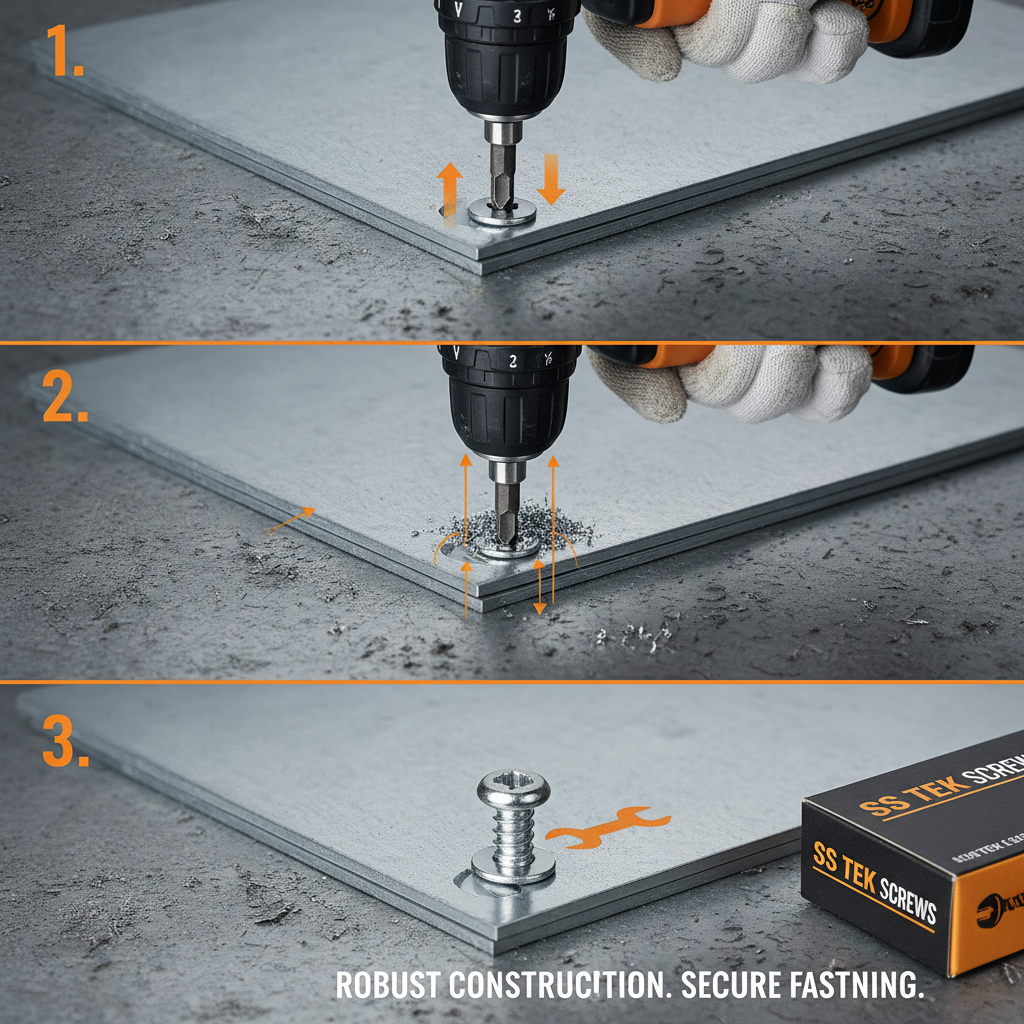
At its core, self thread bolt technology represents a streamlining of the fastening process. Traditional bolting requires the creation of pre-tapped holes – a time-consuming and potentially costly operation. Self thread bolt bypass this step, forming their own threads directly within the material they secure. This is achieved through specialized thread designs, often incorporating cutting flutes or aggressive thread profiles.
This technology is particularly advantageous when working with materials like sheet metal, plastics, and composite materials, where pre-tapping can be difficult or compromise the structural integrity of the material. It is becoming increasingly important in the context of modern manufacturing.
The versatility of self thread bolt extends to a wide variety of applications, contributing to faster assembly times, reduced labor costs, and enhanced overall project efficiency. They are frequently chosen for applications where disassembly is not required or is infrequent, as removal can damage the created threads.
Core Characteristics of Self Thread Bolt
A key characteristic of a well-designed self thread bolt is its ability to reliably create a strong and secure thread without damaging the base material. The thread form, often a sharp V-shape or a modified buttress thread, is engineered to efficiently shear away material as the bolt is driven in.
Another essential characteristic is the bolt’s material composition. High-strength alloy steels are commonly used, offering a balance of hardness, toughness, and corrosion resistance. Surface treatments, such as zinc plating or ceramic coatings, can further enhance these properties and extend the service life of the fastener. The effectiveness of a self thread bolt is directly linked to its material composition.
Furthermore, the geometry of the bolt’s head and drive system must be carefully considered. Head styles can vary to accommodate different mounting configurations and aesthetic requirements, while drive systems—such as Phillips, slotted, or Torx—influence the ease of installation and the torque that can be applied.
Performance Metrics for Self Thread Bolt
Evaluating the performance of a self thread bolt necessitates examining several key metrics. Tensile strength, measured in MPa or PSI, indicates the bolt’s resistance to being pulled apart. Shear strength, also measured in MPa or PSI, determines its ability to withstand forces acting perpendicular to its axis.
Torque-to-tension ratio is another critical parameter, quantifying the relationship between the applied torque and the resulting clamping force. A well-designed self thread bolt will exhibit a predictable and consistent torque-to-tension ratio, ensuring optimal joint clamping.
Comparative Performance of Self Thread Bolt Methods
Global Applications and Industries Utilizing Self Thread Bolt
The automotive industry is a major consumer of self thread bolt, utilizing them extensively in body panel assembly, interior trim, and engine components. Their speed of installation and ability to join dissimilar materials make them ideal for high-volume production lines.
In the aerospace sector, where weight reduction and reliability are paramount, self thread bolt are employed in non-structural applications, such as securing access panels and cable trays. These fasteners are rigorously tested to ensure they meet stringent industry standards.
The Benefits and Value Proposition of Self Thread Bolt
The primary benefit of self thread bolt lies in their ability to reduce assembly time and costs. By eliminating the need for pre-tapped holes, manufacturers can significantly streamline their production processes and lower labor expenses. This leads to improved efficiency and faster time-to-market.
Moreover, self thread bolt offer enhanced design flexibility, allowing for greater freedom in component placement and assembly sequences. Their ability to join dissimilar materials expands the range of possible applications. This fosters innovation and enables the creation of lighter, stronger, and more durable products.
The long-term value derived from using self thread bolt extends beyond cost savings, encompassing improved product quality, reduced maintenance requirements, and increased customer satisfaction.
Future Trends and Advancements in Self Thread Bolt
Ongoing research and development efforts are focused on creating self thread bolt with improved thread-forming capabilities, enhanced corrosion resistance, and optimized material compositions. The integration of advanced materials, such as titanium and nickel alloys, is expected to expand the range of applications.
The rise of Industry 4.0 and automated assembly systems is driving the demand for intelligent fasteners that can provide real-time data on installation torque and joint performance. Incorporating sensors and communication technologies into self thread bolt will enable predictive maintenance and improved quality control.
Sustainability concerns are also influencing the development of eco-friendly self thread bolt, utilizing recycled materials and minimizing environmental impact. These advancements will ensure that the self thread bolt remains a vital component of modern engineering for years to come.
Summary of Key Factors Affecting Self Thread Bolt Performance
| Material Composition |
Thread Geometry |
Installation Torque |
Base Material Compatibility |
| High-strength alloy steel offers superior tensile strength. |
Sharp V-threads create a secure hold in softer materials. |
Optimal torque ensures sufficient clamping force without damage. |
Compatibility prevents galvanic corrosion and ensures joint integrity. |
| Stainless steel provides excellent corrosion resistance. |
Aggressive thread forms excel in thicker materials. |
Over-torquing can strip threads and compromise joint strength. |
Incompatible materials may lead to joint failure over time. |
| Titanium alloys offer a high strength-to-weight ratio. |
Thread cutting flutes aid in thread formation and material removal. |
Under-torquing can result in a loose and unreliable connection. |
Consider material hardness and ductility for optimal performance. |
| Nickel alloys provide exceptional heat and chemical resistance. |
Modified buttress threads offer increased load-bearing capacity. |
Use calibrated torque wrenches for accurate and consistent results. |
Conduct compatibility testing to verify material suitability. |
| Aluminum alloys offer lightweight solutions for specific applications. |
Self-tapping designs reduce assembly time and labor costs. |
Follow manufacturer's recommendations for optimal torque values. |
Consider thermal expansion coefficients to prevent loosening. |
| Composite materials offer unique properties for specialized applications. |
Thread locking features enhance joint security and vibration resistance. |
Inspect fasteners regularly for signs of wear or damage. |
Proper surface preparation improves thread engagement and performance. |
FAQS
Self thread bolt eliminate the need for pre-tapped holes, significantly reducing assembly time and costs. This is particularly beneficial in high-volume production environments. Furthermore, they allow for design flexibility, enabling easier assembly of components and joining of dissimilar materials. They often result in a stronger and more reliable joint compared to traditional methods when correctly applied.
Self thread bolt are commonly made from alloy steel, stainless steel, and occasionally aluminum or titanium alloys. Alloy steel provides high strength and durability, while stainless steel offers excellent corrosion resistance. Aluminum is used for lightweight applications, and titanium for high-strength, low-weight scenarios. The material choice depends on the specific application, considering factors like load, environment, and material compatibility.
Determining the correct torque setting is crucial for achieving a secure and reliable joint. Refer to the manufacturer’s specifications for the specific self thread bolt being used. These specifications will provide recommended torque values based on material, diameter, and thread type. Using a calibrated torque wrench is essential for accurate and consistent results. Over-torquing can strip threads, while under-torquing can lead to a loose connection.
Yes, self thread bolt can be effectively used in plastics, but careful consideration must be given to the plastic’s properties. Choose a bolt specifically designed for plastic applications, with features like wider thread spacing and specialized thread geometry. Avoid over-torquing, as this can easily damage the plastic. Pre-drilling a pilot hole slightly smaller than the bolt’s core diameter can improve thread formation and prevent cracking.
Self thread bolt are not ideal for applications requiring frequent disassembly, as repeated removal can damage the created threads. They may also not be suitable for extremely thin or brittle materials. In these cases, alternative fastening methods such as rivets, welding, or threaded inserts may be more appropriate. Careful consideration of the application requirements is essential for selecting the optimal fastening solution.
To prevent stripping threads, use the correct drill bit size for pilot holes when required, ensure the material is properly supported during installation, and always use a calibrated torque wrench set to the manufacturer's recommended torque setting. Avoid cross-threading by starting the bolt straight and applying even pressure. Using a lubricant designed for fasteners can also reduce friction and improve thread engagement.
Conclusion
In conclusion, self thread bolt represent a significant advancement in fastening technology, offering a compelling combination of efficiency, reliability, and cost-effectiveness. Their ability to streamline assembly processes, reduce labor expenses, and enhance design flexibility makes them a valuable asset across a wide range of industries. Understanding the nuances of their design, materials, and application is critical for maximizing their performance and longevity.
Looking ahead, ongoing innovation in materials science and manufacturing processes will further enhance the capabilities of self thread bolt, driving the development of smarter, more sustainable, and more versatile fastening solutions. By embracing these advancements and adhering to best practices, engineers and manufacturers can unlock the full potential of self thread bolt and create more robust, reliable, and innovative products. Visit our website at www.hbxzfastener.com to explore our comprehensive range of self thread bolt and fastening solutions.