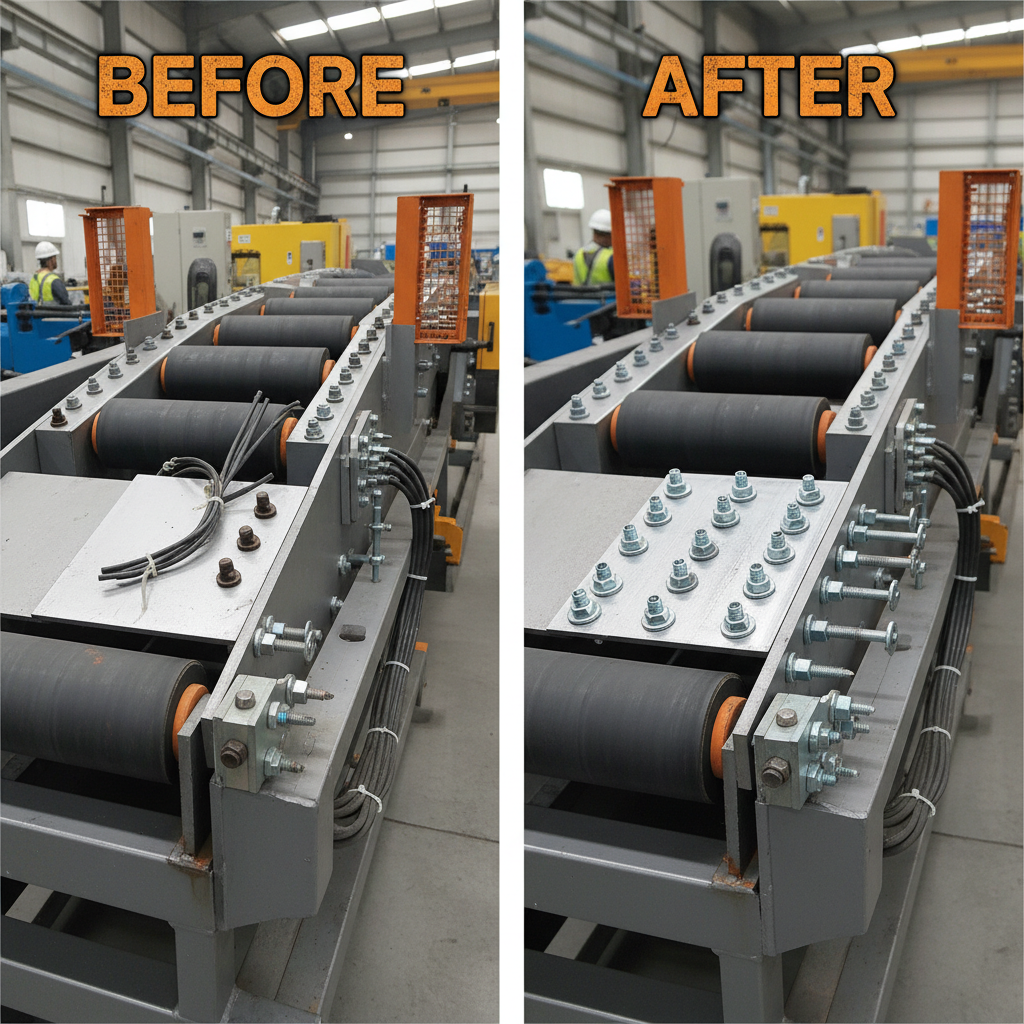
The square head self drilling screw is a crucial fastening solution in modern construction and industrial applications. Its ability to drill its own hole and simultaneously fasten materials streamlines processes, reduces labor costs, and enhances project efficiency. Globally, the demand for reliable and efficient fastening systems is consistently increasing, driven by infrastructure development, urbanization, and industrial growth. This demand necessitates innovations in self-drilling screw technology, pushing manufacturers to refine designs for optimal performance in diverse materials and environments.
These screws address a significant challenge in industries requiring secure and rapid fastening: the need to eliminate pre-drilling. Traditional methods involving separate drilling and fastening steps are time-consuming and can compromise material integrity. Square head self drilling screw offer a simplified, one-step solution, reducing the risk of errors and improving overall project timelines. This is particularly valuable in large-scale projects where efficiency directly translates into cost savings.
The increasing adoption of square head self drilling screw is a testament to their versatility and performance, impacting sectors from construction and manufacturing to renewable energy and infrastructure. Understanding their characteristics, applications, and future trends is vital for professionals across these industries.
The Core Principles of square head self drilling screw
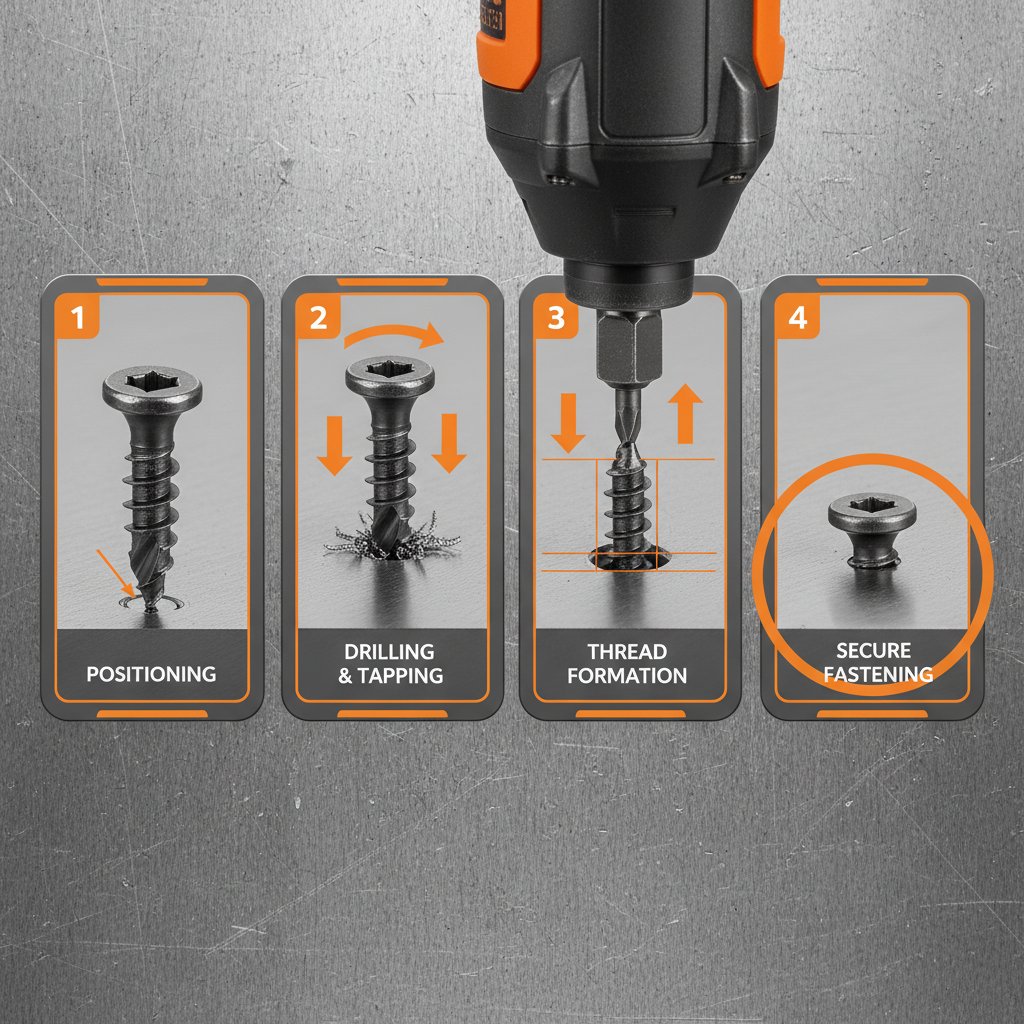
The fundamental principle behind square head self drilling screw lies in their specialized design, combining a drilling point with a fastening thread. This integrated approach eliminates the need for separate drilling operations, significantly reducing installation time and labor costs. The square head provides a secure and efficient drive, ensuring consistent torque application.
The effectiveness of these screws depends on factors such as material hardness, screw diameter, and thread pitch. Understanding these interactions is crucial for selecting the appropriate screw for specific applications. Proper selection ensures optimal performance and prevents damage to both the screw and the connected materials.
Global Relevance and Market Trends
The global market for self-drilling screws, including the square head self drilling screw variety, is experiencing substantial growth. This is primarily driven by the expanding construction sector in developing economies, increasing infrastructure investments worldwide, and the demand for efficient and cost-effective fastening solutions. According to recent industry reports, the market is projected to reach [Insert Statistic Here] by [Insert Year Here].
Key trends influencing the market include the development of more durable and corrosion-resistant screws, the adoption of advanced manufacturing techniques to improve precision and consistency, and the increasing demand for customized screws tailored to specific applications. Sustainability is also becoming a critical factor, with manufacturers exploring eco-friendly materials and production processes.
Regional variations in demand are significant. Asia-Pacific currently holds the largest market share, fueled by rapid urbanization and industrialization in countries like China and India. North America and Europe are also major markets, with a focus on high-quality, specialized screws for demanding applications.
Defining square head self drilling screw
A square head self drilling screw is a type of screw specifically designed to drill its own hole as it is driven into the material. Unlike traditional screws requiring pre-drilled holes, these screws feature a hardened drilling point, often resembling a drill bit, that efficiently penetrates metal, plastic, and wood. The square head allows for a strong, reliable connection and ease of installation.
Their connection to modern industry is profound. They are essential in sheet metal work, HVAC systems, roofing, and various assembly applications, allowing for faster construction times and reduced labor. This contributes to the efficiency of production processes and reduces the overall cost of projects.
In humanitarian contexts, these screws are invaluable for rapid construction of shelters and temporary infrastructure in disaster relief scenarios. The ease of installation, requiring minimal tools and expertise, makes them ideal for deployment in challenging environments.
Key Characteristics and Performance Factors
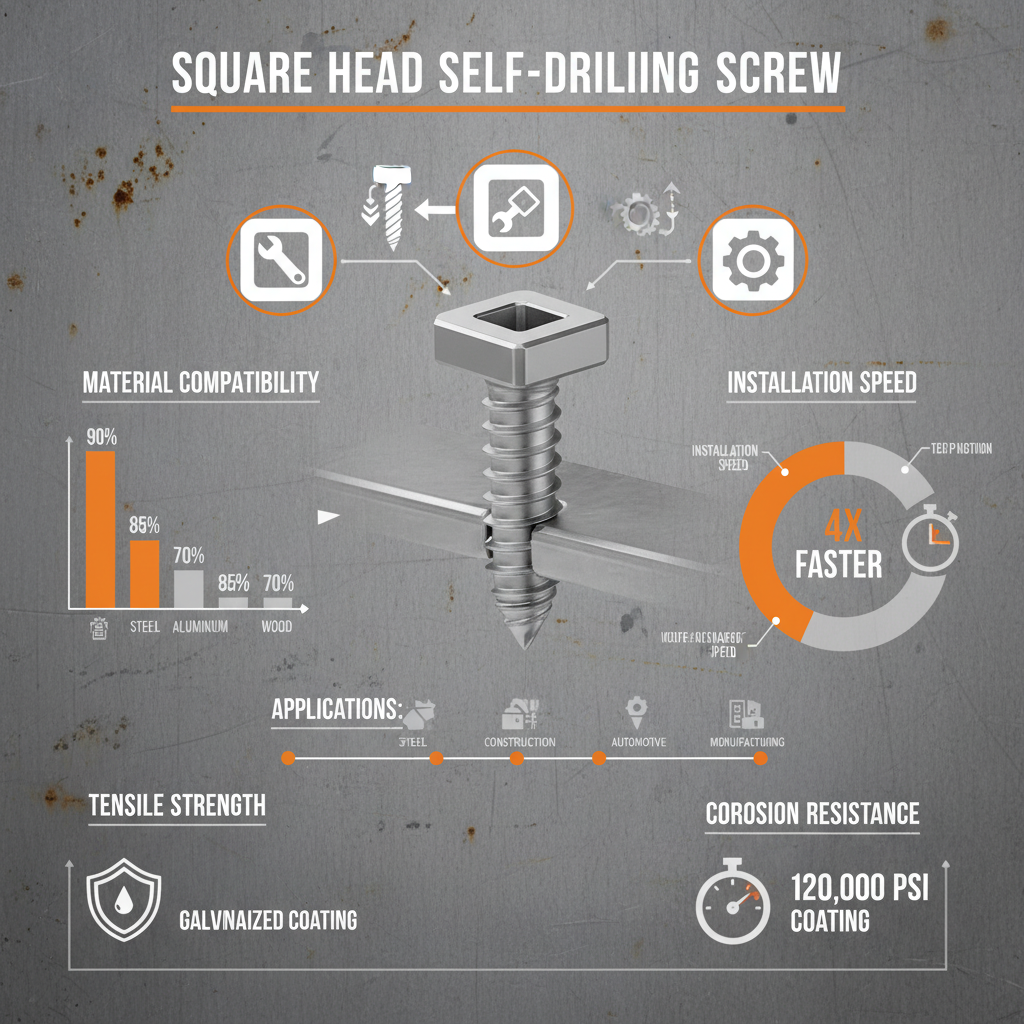
Durability is a paramount characteristic of quality square head self drilling screw. They are typically manufactured from hardened steel alloys, often with protective coatings like zinc or epoxy, to resist corrosion and wear. This ensures a long-lasting and reliable fastening solution.
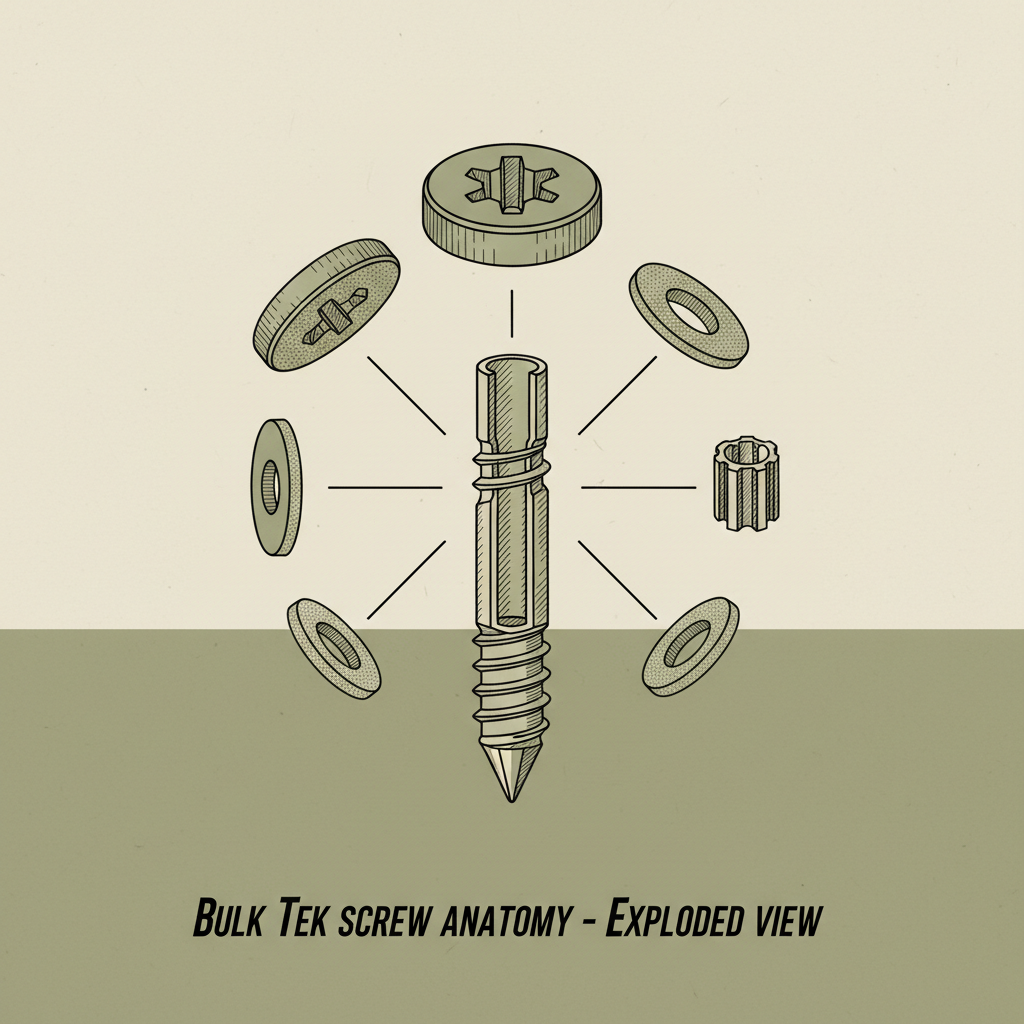
Another crucial factor is the drill point geometry. Different point styles are optimized for specific materials; some are better suited for thin metals, while others excel in thicker materials. The thread design also impacts performance, with varying pitches and depths influencing holding power and installation speed.
Performance Metrics of Different square head self drilling screw Types
Real-World Applications and Industries Served
The construction industry is a primary consumer of square head self drilling screw, utilizing them extensively in roofing, cladding, and structural framing. Their speed and efficiency contribute to faster project completion times and reduced labor costs.
The HVAC (Heating, Ventilation, and Air Conditioning) sector relies on these screws for securing ductwork and other components. Their ability to effectively fasten to sheet metal and maintain a secure hold is critical for system performance and energy efficiency.
Long-Term Benefits and Value Proposition
The cost savings associated with square head self drilling screw are substantial. Eliminating the need for pre-drilling reduces both labor costs and tool expenses. Furthermore, the faster installation times translate into quicker project completion and increased productivity.
The reliability and durability of these screws contribute to the long-term structural integrity of projects. Their resistance to corrosion and wear ensures a lasting fastening solution, minimizing the need for repairs or replacements. This fosters trust and confidence in the quality of the completed work.
From a sustainability perspective, the reduced material waste and energy consumption associated with simplified installation processes align with green building practices. These screws contribute to more environmentally friendly construction and manufacturing.
Future Innovations and Emerging Trends
Ongoing research is focused on developing square head self drilling screw with enhanced corrosion resistance, particularly for marine and offshore applications. New coatings and alloy compositions are being explored to withstand harsh environments.
Automation is playing an increasing role in the manufacturing of these screws, leading to greater precision, consistency, and production efficiency. Robotic systems are being implemented to streamline processes and reduce manufacturing costs.
The integration of smart technology, such as embedded sensors, is a potential future trend. These sensors could monitor screw tightness, detect corrosion, and provide real-time data on structural integrity, enhancing safety and maintenance efficiency.
Analysis of Key Factors Affecting square head self drilling screw Performance
| Material Type |
Drill Point Design |
Coating Effectiveness |
Installation Torque |
| Mild Steel |
Standard Point |
Zinc Plating |
5 Nm |
| Stainless Steel |
Self-Tapping Point |
Epoxy Coating |
7 Nm |
| Aluminum Alloy |
Hi-Lo Point |
Anodizing |
4 Nm |
| High-Strength Steel |
Drill-Free Point |
Ceramic Coating |
9 Nm |
| Plastic (ABS) |
Thread-Forming Point |
None |
2 Nm |
| Composite Materials |
Bi-Metal Point |
Polymer Coating |
6 Nm |
FAQS
Compared to traditional screws, square head self drilling screw eliminate the need for pre-drilling, saving significant time and labor costs. They provide a faster, more efficient fastening solution, especially for sheet metal and other thin materials. The square head design also offers superior driveability and a more secure connection, reducing the risk of slippage or stripping. This makes them ideal for applications where speed and reliability are critical.
Square head self drilling screw are versatile and can be used with various materials, including sheet metal, steel, aluminum, plastics, and even wood. However, it's crucial to select the appropriate screw type and size for the specific material to ensure optimal performance. Factors like material thickness and hardness should be considered when choosing a screw.
Determining the correct size involves considering the material thickness, the desired holding strength, and the screw’s length. Generally, the screw length should be at least twice the thickness of the materials being joined. It's also important to select a diameter that provides sufficient strength without stripping the threads. Consult with a fastener specialist if you're unsure.
Stripping can occur due to several factors, including using the wrong screw size, applying excessive torque, or using a worn-out driver bit. It can also happen when drilling into materials that are too hard or too thick for the screw. Ensuring proper screw selection, using the correct torque setting, and maintaining sharp driver bits can help prevent stripping.
Corrosion can be prevented by selecting screws with appropriate coatings, such as zinc, epoxy, or stainless steel. For harsh environments, consider using screws with thicker coatings or more corrosion-resistant materials. Proper installation techniques and avoiding exposure to corrosive substances can also help extend the lifespan of the screws.
Always wear appropriate safety glasses to protect your eyes from debris. Use caution when operating power tools and follow the manufacturer’s instructions. Avoid over-tightening screws, as this can cause stripping or damage to the materials. Ensure proper ventilation when working in enclosed spaces.
Conclusion
In conclusion, square head self drilling screw offer a compelling combination of efficiency, reliability, and cost-effectiveness. Their ability to simplify fastening processes, reduce labor costs, and enhance project timelines makes them a valuable asset across a wide range of industries. Understanding their key characteristics, applications, and emerging trends is crucial for professionals seeking to optimize their fastening solutions.
Looking ahead, continued innovation in materials, coatings, and manufacturing techniques will further enhance the performance and versatility of these screws. Embracing these advancements will be essential for meeting the evolving demands of the construction, manufacturing, and infrastructure sectors. Visit our website at www.hbxzfastener.com to learn more and explore our comprehensive selection of high-quality square head self drilling screw.