
Guide to Using the Right Expanding Hollow Wall Anchor for Safety
Mastering Wall Fastening: The Ultimate Guide to Expanding Hollow Wall Anchors
When dealing with drywall, plasterboard, or other hollow substrates, a standard screw simply won't cut it. This is where the expanding hollow wall anchor becomes an indispensable tool for any contractor or DIY enthusiast. Designed specifically to provide a secure grip where there is no solid backing, these fasteners expand behind the wall surface to distribute the load and prevent the fixture from pulling through. Whether you are hanging heavy shelving or installing light fixtures, understanding how to choose and install the right anchor ensures both safety and longevity. In this guide, we will explore everything from technical specifications to professional installation tips.
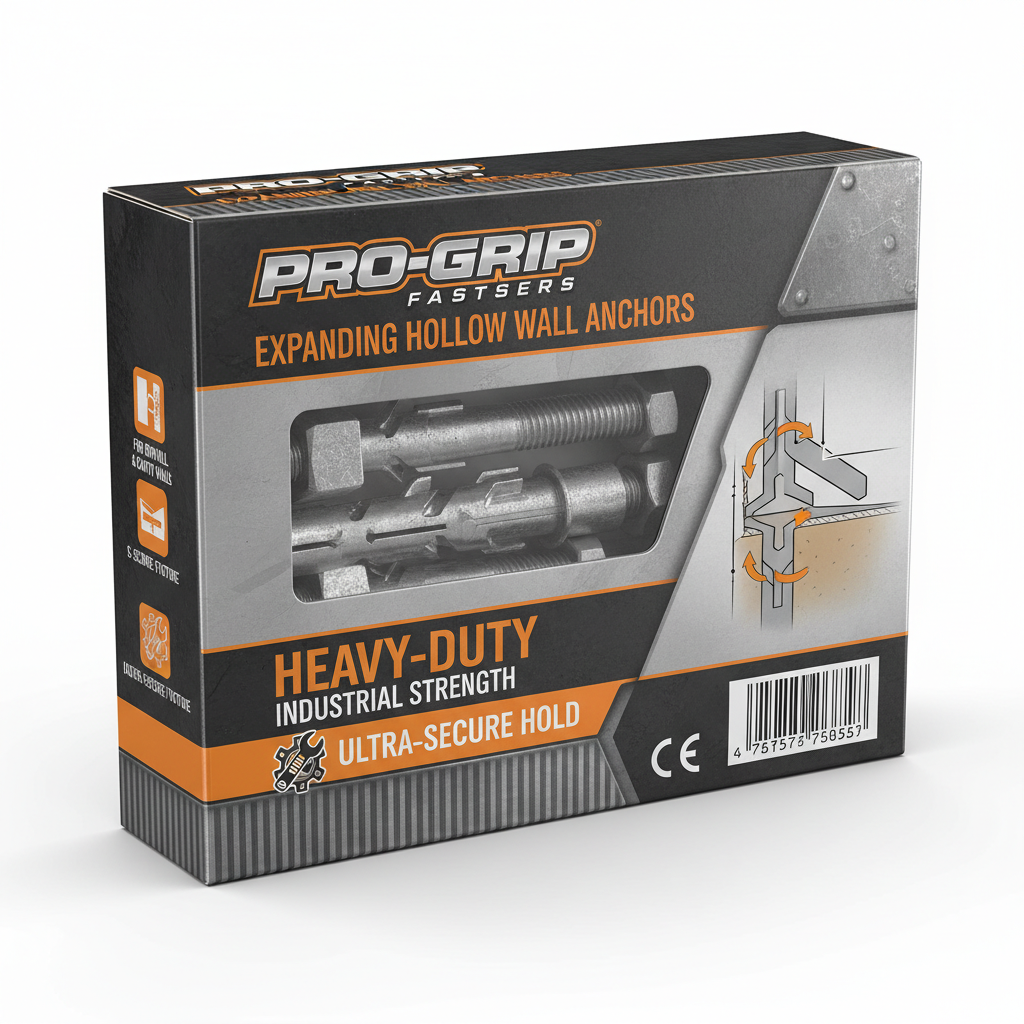
How an Expanding Hollow Wall Anchor Works
The primary mechanism of an expanding hollow wall anchor is the creation of a mechanical lock behind the wall panel. Unlike solid wall plugs that rely on friction against the sides of a hole, hollow wall anchors are designed to collapse or flare outward. As the screw is driven into the anchor, the body of the fastener is forced to expand or fold, creating a wide "umbrella" or "wing" shape against the inner side of the drywall. This significantly increases the surface area of the connection, which effectively distributes the weight of the object being hung and prevents the fragile gypsum core of the wall from crumbling under pressure.
Pro Tip: Always ensure the hole drilled is the exact diameter recommended by the manufacturer. A hole that is too large will prevent the anchor from gripping the wall securely, while one too small can cause the wall surface to crack during installation.
Choosing the Right Expanding Hollow Wall Anchor Type
Not all hollow walls are created equal, and neither are the fasteners. Depending on the weight of your load—ranging from a light picture frame to a heavy television mount—you will need a different style of expanding hollow wall anchor. Molly bolts are ideal for permanent, heavy-duty installations, while plastic expansion anchors are better for lightweight items. For those seeking a balance between ease of installation and strength, toggle bolts are the gold standard. Choosing the wrong type can lead to "pull-out" failure, where the anchor simply slides out of the wall, potentially damaging your walls and your belongings.
Quick Selection Guide:
• Molly Bolts: High load capacity, permanent installation.
• Toggle Bolts: Maximum strength for heavy overhead loads.
• Plastic Expansion: Low to medium load, easy to remove.
• Self-Drilling: Fast installation for lightweight decor.
Technical Specifications of Expanding Hollow Wall Anchors
When sourcing fasteners for industrial or commercial projects, technical precision is key. The material composition of an expanding hollow wall anchor—whether it's zinc-plated steel, stainless steel, or high-grade nylon—determines its corrosion resistance and shear strength. For environments with high humidity, such as bathrooms or kitchens, stainless steel is highly recommended to prevent rust streaks on the walls. Below is a detailed specification table for common industry-standard hollow wall anchors.
Expanding Hollow Wall Anchor vs. Standard Plugs
One of the most common mistakes in home improvement is using a standard plastic plug in a hollow wall. Standard plugs are designed for masonry or wood, where they expand against a solid mass. In drywall, a standard plug has nothing to grip once the screw is tightened, leading to inevitable failure. The expanding hollow wall anchor solves this by creating a wide base on the reverse side of the panel. This structural difference allows for significantly higher shear and tension strength, making them the only safe choice for hollow-core wall constructions.
Installation Best Practices for Maximum Stability
To get the most out of your expanding hollow wall anchor, proper installation is non-negotiable. First, mark your spot and drill a pilot hole using a bit that matches the anchor size. Insert the anchor until the flange is flush with the wall. When tightening the screw, avoid over-torquing; once the anchor has fully expanded and the screw head is snug against the fixture, stop. Over-tightening can crush the drywall core, which actually reduces the anchor's holding power by compromising the very material it is designed to grip.
Common Applications in Modern Construction
The versatility of the expanding hollow wall anchor makes it essential across various settings. In residential homes, they are used for mounting floating shelves, towel racks, and mirror brackets. In commercial offices, they are used for cable management systems and wall-mounted signage. Even in the automotive industry, similar expansion principles are used for interior panel fasteners. By selecting a high-quality fastener from a trusted supplier, you ensure that your installations remain secure and professional-looking for years to come.
Conclusion: Secure Your Projects with Precision
Choosing the right expanding hollow wall anchor is the difference between a professional installation and a costly repair. By understanding the physics of expansion and matching the fastener to the load and wall type, you can achieve maximum stability and peace of mind. Whether you are a contractor managing a large-scale project or a homeowner updating your space, investing in high-quality fasteners is an investment in safety. Visit our official site for more technical guidance and premium fastening solutions.
Frequently Asked Questions (FAQs)
Can I remove an expanding hollow wall anchor without damaging the wall?
Removing an expanding anchor is more challenging than installing one because the fastener is designed to lock permanently. For plastic anchors, you can try screwing the screw in slightly and pulling the whole unit out with pliers. For metal Molly bolts, the best method is to unscrew the bolt and then use a utility knife to carefully cut the head of the anchor flush with the wall. Once the head is removed, you can push the remaining collar into the wall cavity. Finally, patch the hole with spackle and sand it smooth for a seamless finish.
What is the weight limit for most hollow wall anchors?
Weight limits vary drastically by type. A simple plastic expansion anchor may only support 5-15 lbs, making it suitable for light pictures. A metal Molly bolt can typically handle 30-70 lbs depending on the wall thickness. Toggle bolts are the strongest, often supporting over 100 lbs in a standard 1/2-inch drywall. However, always remember that the "weakest link" is often the drywall itself; if the load is too heavy, the anchor might stay intact, but the entire section of the wall could tear away. Always use multiple anchors to distribute heavy loads.
How do I know if I need a hollow wall anchor or a stud screw?
The first step is to use a stud finder. If your fixture aligns with a wooden stud (the vertical framing of the wall), a standard wood screw is the strongest option as it bites directly into the structural timber. However, if your desired placement is in the "hollow" space between studs, you must use an expanding hollow wall anchor. For very heavy items, professionals often try to find a stud or install a "backer board" (a piece of wood screwed into two studs) to provide a solid mounting surface across the hollow area.
Which material is best for anchors in a bathroom?
For bathrooms, where steam and moisture are constant, stainless steel or high-quality nylon anchors are the best choices. Standard zinc-plated steel may eventually rust, leading to unsightly orange stains on your tiles or paint. Stainless steel offers the best corrosion resistance and structural strength. If the load is light, nylon is a great alternative as it is completely immune to rust. Ensure you seal the edges of the hole with a bit of silicone sealant during installation to prevent moisture from seeping into the wall cavity.
-
Guide to High Quality Stainless Steel Expansion FastenersNewsApr.16,2026
-
Ultimate Guide to Industrial Sheet Metal Expansion AnchorsNewsApr.16,2026
-
High Efficiency Fastening Guide for Plastic Expansion RivetsNewsApr.16,2026
-
Plastic Expanding Nut Guide for Applications and BenefitsNewsApr.16,2026
-
Ultimate Guide to Stability and Use of Nail Expansion AnchorNewsApr.16,2026
-
Guide to Choosing and Installing the Right Metal Expansion ScrewNewsApr.16,2026