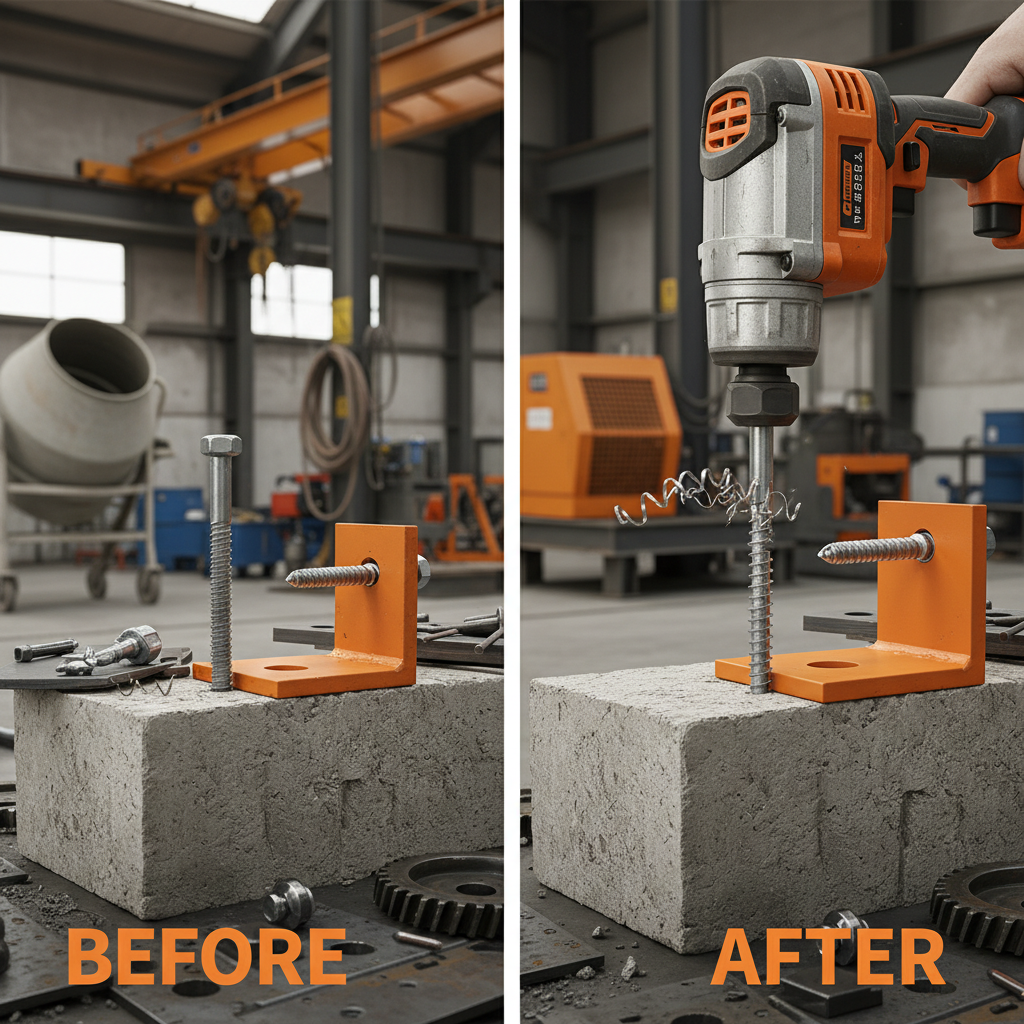
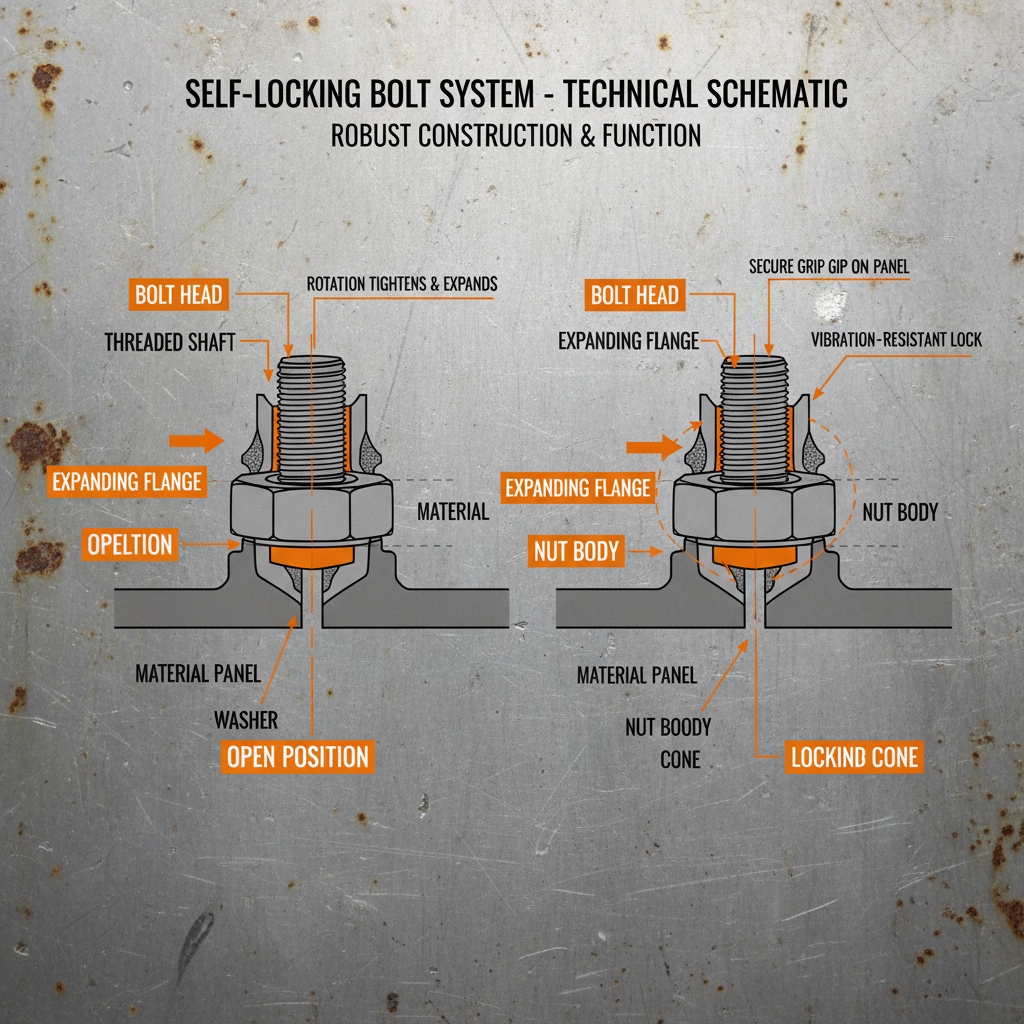
Honestly, the whole tek screw game has gotten wild lately. Everyone's chasing higher strength, lower weight, corrosion resistance… it's a never-ending cycle. I’ve been on sites where they're trying to substitute everything with exotic alloys, and you just know it's gonna cause headaches down the line. It’s not always about the best material on paper, it’s about what’s practical and what the guys on the ground can actually work with. And trust me, they’ll find a way to break anything you give them if it’s too fiddly.
You see a lot of designers who’ve never actually held a tek screw, let alone driven one. They’ll spec a head shape that looks good on a CAD drawing, but is a nightmare to cam-out in the field. Or a thread pitch that’s too fine for the material they’re fastening. Have you noticed that? It's always something. They overthink it. Simple is usually better.
We mostly work with hardened carbon steel for the body – 4140 is a good all-rounder. Feels solid, smells metallic (you get used to it after a while), and takes a coating well. Then there’s the coating… zinc-nickel is becoming really popular, especially for coastal stuff. Better corrosion resistance than straight zinc, but it’s more expensive. And the smell when you’re torquing it… kinda chemical-y. We also do a lot with stainless steel, 304 and 316 mostly. Feels…cleaner, I guess. Less gritty. But, honestly, stainless can be a pain to work with. It gall easily, you need a good lubricant.

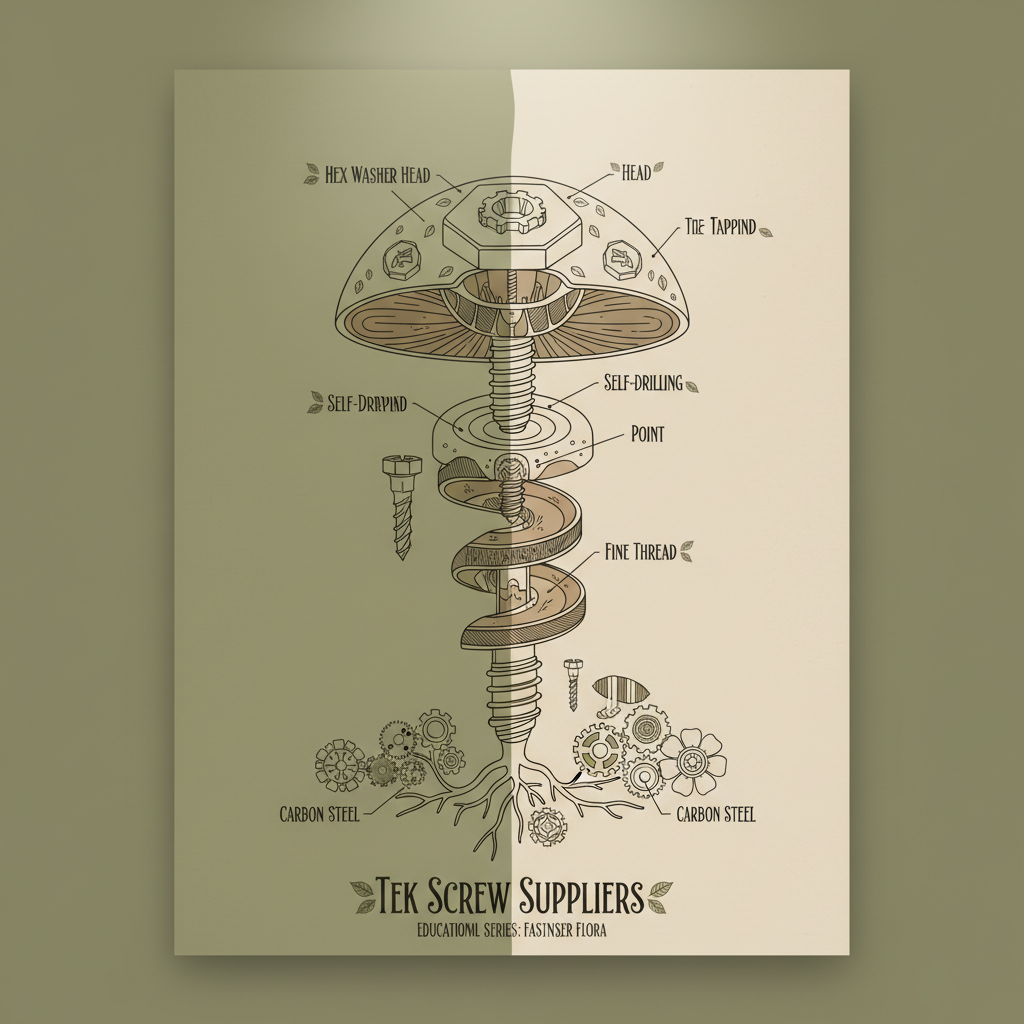
Strangely enough, self-drilling screws are making a comeback, but not for the applications you’d expect. Everyone’s trying to prefabricate more, so they need fasteners that can handle different material thicknesses. And the demand for smaller diameter screws is going up – especially in the electronics and appliance industries. They’re squeezing everything smaller and smaller.
But honestly, the biggest pitfall I see is people trying to over-engineer. They get caught up in the specs and forget about the human element. A screw is a simple thing, but it needs to be easy to use, reliable, and affordable. Complicated isn’t always better.
For outdoor use, zinc-nickel plating is generally the best choice. It offers significantly better corrosion resistance compared to standard zinc coatings, especially in harsh environments like coastal areas or those exposed to de-icing salts. However, it comes at a higher cost. For less demanding applications, a high-quality hot-dip galvanized coating can also be sufficient. Don't skimp on the coating – it's your first line of defense against rust.
Stripping the head is a common problem. First, make sure you’re using the correct bit size and type for the screw head. Second, apply consistent, firm pressure while driving the screw. Don’t let the bit slip or cam-out. Third, avoid over-tightening. If the screw is snug, stop. Using an impact driver can help, but be careful not to set it too high. And, honestly, sometimes a screw is just defective.
The numbers refer to the drill point size and thread design. Type 17 screws have a smaller drill point and are better for thinner materials. Type 25 screws have a larger drill point and are designed for thicker materials. Using the wrong type can lead to stripping the screw or damaging the material you’re fastening. Always check the manufacturer’s recommendations for the appropriate screw type for your application.
Yes, but you need to choose the right material and coating. Stainless steel (316 is better than 304) is essential. And you’ll want a coating like zinc-nickel or a specialized marine coating to provide extra protection against corrosion. Even with the best materials, regular inspection and maintenance are important in saltwater environments.
That's always a fun situation. Trying to extract the broken screw can be difficult and often damages the material further. Sometimes, you can use a screw extractor, but it’s not always successful. The best approach is usually to drill out the broken screw and re-tap the hole. Prevention is key – use the correct screw type, apply even pressure, and avoid over-tightening.
That's a growing concern. Some manufacturers are experimenting with recycled steel and bio-based coatings. But honestly, it’s still a niche market. The biggest impact you can make is reducing waste by ordering the right amount of screws and using them efficiently. Properly dispose of any leftover screws, too.
Ultimately, there’s a lot of science and engineering that goes into a simple tek screw. From material selection and heat treatment to coating and thread design, every detail matters. But at the end of the day, it all comes down to performance in the real world.
Whether this thing works or not, the worker will know the moment he tightens the screw. So, focus on quality, reliability, and ease of use. And don’t forget to listen to the guys on the ground – they’re the ones who will tell you what really matters. If you’re looking for a reliable supplier, you know where to find us: www.hbxzfastener.com