
Plastic Expansion Bolt: Durable, Strong Hold, Easy Install
Plastic expanding screws: an insider’s take on the plastic expansion bolt market
I’ve watched fixings evolve from heavy metal anchors to smarter polymers. The shift isn’t hype; it’s about corrosion resistance, speed on site, and—lately—ESG pressure to reduce metal overuse. From shopfitters to MEP contractors, the humble plastic expansion bolt keeps showing up in parts lists where reliability outweighs brute force.
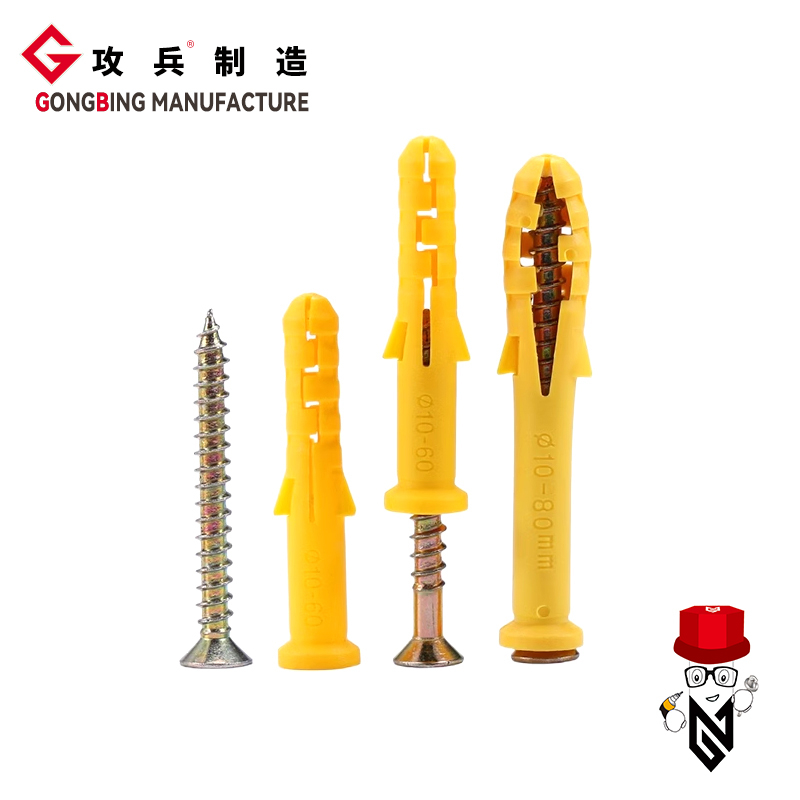
What’s special about this product
Made in China, these Plastic expanding screws/Plastic Screws for Versatile Applications use virgin-grade resin—no recycled feedstock. That matters for consistency: fewer voids, tighter expansion, and better long-term creep resistance. Many customers say installation feels “cleaner,” with less spalling in brittle substrates. Honestly, I’ve noticed that too in AAC and aged brick.
Typical specs (field-friendly view)
| Parameter | Spec (≈, real-world use may vary) |
|---|---|
| Sleeve material | Nylon (PA6/PA66), UV-stabilized option |
| Diameter × Length | Ø6×30 mm, Ø8×40 mm, Ø10×50 mm, others on request |
| Recommended drill size | Same as sleeve Ø (tight tolerance) |
| Compatible screws | Zinc-plated steel, SS A2/A4, various head styles |
| Pull-out (C20/25 concrete) | ≈0.35–0.60 kN for Ø6–8 mm per ETAG-style tests |
| Service temperature | -20 to +80 °C (short-term peaks +100 °C) |
| Colors | Natural, grey, black; RAL matching available |
| Packaging | Boxes or polybags with lot traceability |
Where it shines
Light-duty fixtures in concrete, solid brick, AAC, hollow block, and drywall: signage, cable clips, trunking, baseboards, HVAC clamps, bathroom accessories, retail fixtures. For coastal projects, pair the plastic expansion bolt with A2/A4 screws—salt spray is unforgiving.
Process, testing, and lifespan
- Materials: virgin PA6/PA66 pellets with controlled moisture; optional UV masterbatch.
- Method: precision injection molding, hot-runner gates, automated de-gating; stat sampling SPC.
- Tests: tensile/elongation (ASTM D638), UV weathering (ISO 4892-2), salt spray with fastener assembly (ISO 9227), substrate pull-out per ETAG 020/EAD 330196 protocols.
- Service life: indoor 10–20 years; exterior 5–10 years depending on UV/load cycles. I guess heavy vibration shortens that—use larger Ø or metal anchors if in doubt.
- Certs: ISO 9001 factory QA; RoHS/REACH compliance; ETA available on request for certain series.
Advantages I keep hearing about
Corrosion immunity, thermal break (no cold bridge), vibration damping, quick install, and predictable expansion. Surprisingly, fewer callbacks on brittle substrates—installers mention less cracking around holes when using this plastic expansion bolt.
Vendor snapshot (what buyers compare)
| Vendor | Resin & QA | Lead time / MOQ | Customization | Certs |
|---|---|---|---|---|
| HBXZ Fastener (China) | Virgin PA; tight SPC; no recycled feed | ≈20–30 days / flexible MOQ | Color, length, kit packing, private label | ISO 9001, RoHS/REACH; ETA optional |
| Generic Importer A | Mixed resin lots | ≈35–45 days / higher MOQ | Limited colors, basic packs | Basic CoC only |
| Big-Box Brand B | Premium PA66 | Stocked / no MOQ | None (standard SKUs) | ETA on select items |
Customization and real-world notes
Common tweaks: longer sleeves for hollow block, higher-expansion ribs for soft AAC, and color-coded kits (installer-friendly). Private labeling and bilingual cartons are popular. One retail roll-out (2,500+ fixtures) reported about 18% fewer redrills after switching to this plastic expansion bolt—anecdotal, but it tracks with what I’ve seen.
Quick installation tips
- Drill true to diameter; blow out dust (seriously, it matters).
- Tap flush; avoid over-torque—let the sleeve expand, don’t crush it.
- For exterior use, specify UV-stabilized sleeves and A2/A4 screws.
If you need dependable light-duty anchoring with cleaner installs and consistent expansion, this plastic expansion bolt is a solid, no-drama choice.
Authoritative citations
- EAD 330196-01-0604, Plastic anchors for multiple use in non-structural applications, EOTA.
- ETAG 020, Plastic Anchors for Multiple Use in Concrete and Masonry, EOTA.
- ASTM D638, Standard Test Method for Tensile Properties of Plastics, ASTM International.
- ISO 4892-2, Plastics — Methods of exposure to laboratory light sources — Part 2: Xenon-arc lamps, ISO.
- ISO 9227, Corrosion tests in artificial atmospheres — Salt spray tests, ISO.
-
Guide to High Quality Stainless Steel Expansion FastenersNewsApr.16,2026
-
Ultimate Guide to Industrial Sheet Metal Expansion AnchorsNewsApr.16,2026
-
High Efficiency Fastening Guide for Plastic Expansion RivetsNewsApr.16,2026
-
Plastic Expanding Nut Guide for Applications and BenefitsNewsApr.16,2026
-
Ultimate Guide to Stability and Use of Nail Expansion AnchorNewsApr.16,2026
-
Guide to Choosing and Installing the Right Metal Expansion ScrewNewsApr.16,2026