
Premium Round Head Self Tapping Screws - Secure & Easy Fastening
Introduction to Self-Tapping Screws with Round Heads
In the realm of modern fastening technology, the selection of the right screw is paramount for ensuring structural integrity, operational efficiency, and long-term reliability. Among the myriad of available options, round head self tapping screws stand out as versatile, robust, and indispensable components across numerous industrial applications. These fasteners are engineered to create their own mating threads in a pre-drilled or punched hole as they are driven, eliminating the need for tapping operations and significantly streamlining assembly processes. Their distinctive round head offers a broad bearing surface, providing excellent clamping force while presenting a clean, finished appearance.
This comprehensive article delves into the critical aspects of these specialized fasteners, exploring their manufacturing intricacies, technical specifications, diverse application scenarios, and the inherent advantages they offer. We will also examine market trends, provide insights into vendor selection, discuss customization capabilities, and present real-world application case studies to underscore their value proposition for B2B decision-makers and engineers. Our objective is to furnish a detailed, authoritative resource that empowers informed procurement and engineering decisions, leveraging data-driven insights and adherence to stringent quality standards.
Industry Trends and Market Dynamics
The market for industrial fasteners, particularly specialized self-tapping varieties like the round head self tapping screws, is continually evolving, driven by advancements in material science, manufacturing automation, and increasing demands for efficient, durable, and cost-effective assembly solutions. Current trends indicate a significant push towards fasteners that offer enhanced corrosion resistance, lighter weight, and improved performance in extreme environments.
- Automotive Sector Growth: The automotive industry, with its continuous innovation in vehicle design and lightweighting strategies, remains a primary driver for high-performance self-tapping fasteners. The need for secure and vibration-resistant assemblies in both interior and exterior components fuels demand.
- Electronics Miniaturization: As electronic devices become smaller and more complex, the requirement for precise, small-diameter self-tapping screws that can fasten delicate plastic enclosures without stripping becomes critical.
- Construction and HVAC: The construction and Heating, Ventilation, and Air Conditioning (HVAC) sectors rely heavily on self-tapping screws for fastening sheet metal, ducts, and structural components, demanding high shear strength and often, specialized coatings for outdoor or humid conditions.
- Sustainability and Material Innovation: There's a growing emphasis on fasteners made from recycled materials or those with environmentally friendly coatings, along with a focus on optimizing screw designs to reduce material usage without compromising strength.
- Automation Integration: The rise of automated assembly lines necessitates fasteners with consistent dimensions and reliable performance to minimize jams and production downtime.
Market analysis forecasts a steady growth in the global industrial fasteners market, with specialized segments like self-tapping screws showing robust expansion. According to Grand View Research, the global industrial fasteners market size was valued at USD 86.8 billion in 2022 and is expected to grow at a compound annual growth rate (CAGR) of 4.5% from 2023 to 2030, highlighting the sustained importance of these components in industrial manufacturing.
Detailed Manufacturing Process Flow
The production of high-quality round head self tapping screws involves a meticulously controlled multi-stage process, ensuring precision, strength, and durability. Understanding this process is crucial for appreciating the technical sophistication embedded in each fastener.
Materials Selection:
The choice of material significantly dictates the screw's performance characteristics, including strength, corrosion resistance, and magnetic properties. Common materials include:
- Carbon Steel: Typically C1018, C1022, or 10B21 for standard applications, offering good strength and cost-effectiveness.
- Stainless Steel: Grades like 304 (A2) and 316 (A4) provide superior corrosion resistance, crucial for marine, chemical, and outdoor applications.
- Alloy Steel: For higher strength requirements, often heat-treated to achieve specific mechanical properties.
- Brass/Bronze: Used for specific electrical conductivity or aesthetic requirements, offering good corrosion resistance in certain environments.
Manufacturing Process Steps:
- Wire Rod Coiling and Drawing: High-quality wire rods, often pre-treated with lubricants, are drawn through a series of dies to achieve the precise diameter required for the screw blank. This process also work-hardens the material.
- Cold Heading (Forging): The drawn wire is fed into a cold heading machine. In multiple precise blows, the machine forms the round head and the basic shank shape. This cold forging process improves the material's grain structure, enhancing strength.
- Thread Rolling: Unlike cutting threads, which removes material, thread rolling forms the threads by plastically deforming the material using hardened dies. This process results in stronger threads with improved fatigue resistance and a smoother surface finish. It also forms the specific self-tapping thread profile (e.g., Type AB, B, C).
- Tip Forming: The tip of the screw is specifically designed to facilitate self-tapping. Depending on the application, this could be a sharp point (Type A, AB) or a blunt point with a lead thread (Type B, C). This step is often integrated with thread rolling or performed subsequently.
- Heat Treatment: For carbon and alloy steel screws, heat treatment is critical. This typically involves hardening (heating to high temperatures and then quenching) and tempering (reheating to a lower temperature) to achieve the desired hardness, ductility, and torsional strength, preventing brittleness.
- Surface Treatment/Plating: To enhance corrosion resistance, appearance, and reduce friction during installation, screws undergo various surface treatments. Common options include:
- Zinc Plating: Economical, provides good corrosion resistance. Can be clear, yellow, or black passivated.
- Nickel Plating: Offers enhanced corrosion resistance and a brighter finish, often used for aesthetic or specific functional requirements.
- Black Oxide: Provides a decorative finish and mild corrosion resistance, often combined with an oil finish.
- Dacromet/Geomet Coatings: High-performance, non-electrolytic coatings offering superior corrosion resistance, especially in salt spray environments, without hydrogen embrittlement risk.
- Phosphate Coatings: Provides good adhesion for paints and oils, offering moderate corrosion resistance.
- Inspection and Testing: Throughout the process and as a final step, screws undergo rigorous quality control. This includes dimensional inspection (head diameter, thread pitch, length), hardness testing (Rockwell, Vickers), torsional strength tests, drive performance tests, and salt spray corrosion resistance tests (e.g., ASTM B117).
Testing Standards and Service Life:
Manufacturers adhere to international standards such as ISO 7049 (Cross Recessed Pan Head Tapping Screws), ANSI B18.6.4 (Tapping Screws), and DIN 7981 (Pan Head Tapping Screws) to ensure consistency and performance. The service life of these fasteners is highly dependent on material, coating, installation quality, and environmental conditions. Properly selected and installed screws can provide decades of reliable service, particularly with advanced coatings offering protection against the elements.
Schematic Manufacturing Flow:
- 1. Raw Material → Wire Drawing →
- 2. Blank Wire → Cold Heading (Head & Shank) →
- 3. Headed Blank → Thread Rolling & Tip Forming →
- 4. Formed Screw → Heat Treatment →
- 5. Hardened Screw → Surface Treatment →
- 6. Finished Screw → Quality Inspection & Packaging
Technical Specifications and Parameters
Understanding the technical specifications of round head self tapping screws is essential for proper selection and optimal performance. These parameters define the screw's dimensions, material properties, and intended application.
Key Parameters:
- Head Type: Round Head (also known as Pan Head). Offers a large bearing surface and a low-profile, aesthetic finish.
- Drive Type: Common drives include Phillips, Pozi, Slotted, Torx (Star), and Square Recess, influencing ease of installation and torque transfer.
- Thread Type:
- Type AB: Pointed tip, spaced thread. Ideal for thin sheet metal, plastics, and resin-filled plywood.
- Type B: Blunt tip, spaced thread. Suitable for heavier gauge sheet metal, non-ferrous castings, and plastics.
- Type C: Blunt tip, machine screw thread. Used in applications requiring a coarse machine thread in a self-tapping fastener.
- Type F: Blunt tip, machine screw thread with a conical GIMLET point, often with a thread cutting element.
- Diameter & Length: Available in a wide range of standard and metric sizes, typically ranging from #2 (2.2mm) to #14 (6.3mm) in diameter, and lengths from 6mm to 100mm or more.
- Material & Finish: As discussed in the manufacturing process, these dictate strength and corrosion resistance.
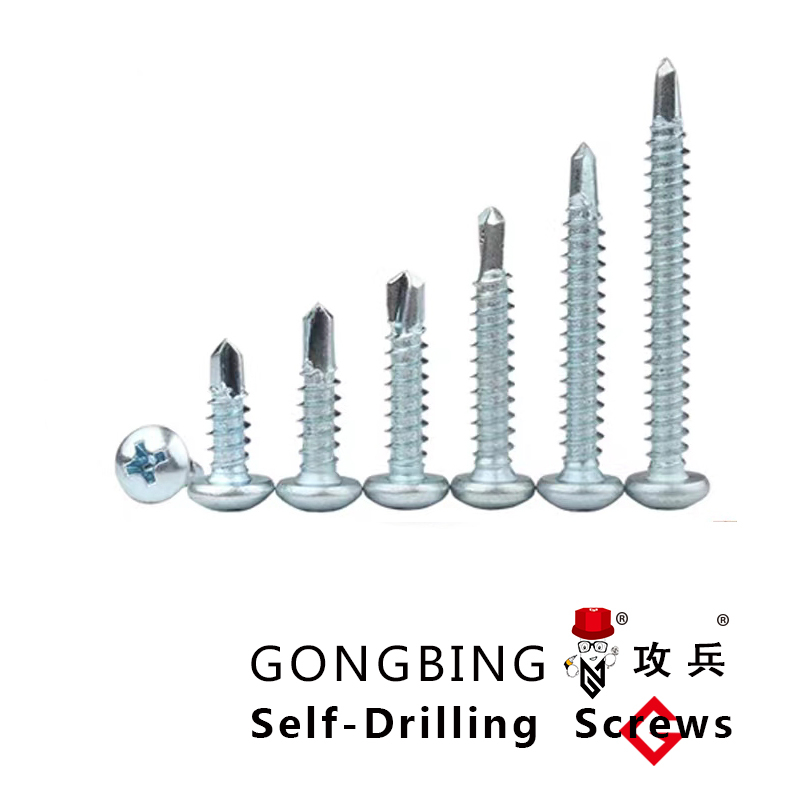
Figure 1: Typical construction of a round head self-tapping screw.
Product Specification Table (Example):
| Parameter | Description / Value Range | Standard (Typical) |
|---|---|---|
| Material | C1018, C1022, 304 SS, 316 SS | ASTM A510, ASTM A240 |
| Head Style | Round (Pan Head) | ISO 7049, ANSI B18.6.4 |
| Drive Style | Phillips, Pozi, Torx, Slotted | ISO 7049, DIN 7981 |
| Thread Type | Type AB, Type B, Type C | ANSI B1.1, ASME B18.6.4 |
| Diameter Range | #2 (2.2mm) to #14 (6.3mm) | ANSI B18.6.4 |
| Length Range | 6mm to 100mm (1/4" to 4") | ANSI B18.6.4 |
| Surface Finish | Zinc Plated, Nickel, Black Oxide, Dacromet, Geomet | ASTM B633, ISO 4042 |
| Hardness (Core) | 28-39 HRC (for case hardened steel) | ISO 2702, ASTM F606 |
| Salt Spray Resistance | 72 to 1000+ hours (depending on coating) | ASTM B117 |
Note: Specific values may vary by manufacturer and intended application. Always consult product datasheets.
Application Scenarios Across Industries
The versatility of round head self tapping screws makes them invaluable across a broad spectrum of industries, offering secure and efficient fastening solutions for diverse materials.
Typical Application Areas:
- Automotive Industry: Widely used for fastening interior trim panels, dashboards, plastic components, electrical enclosures, and sheet metal parts in vehicle assembly. Their ability to form threads in plastic and light gauge metals efficiently reduces assembly line complexity.
- Electronics Manufacturing: Essential for securing plastic housings, circuit board standoffs, battery compartments, and various internal components in consumer electronics, telecommunications equipment, and industrial control systems.
- HVAC & Appliances: Used extensively in assembling ductwork, attaching panels to appliance casings (e.g., refrigerators, washing machines), and securing internal mechanisms. Corrosion-resistant coatings are often preferred here.
- Construction & Building Materials: For fastening light gauge metal studs, drywall track systems, roofing components, and various non-structural elements where pre-drilling can be minimized.
- Furniture Manufacturing: Ideal for assembling wooden and composite panels, attaching hardware, and securing upholstery components, offering strong joints without the need for nuts.
- Machinery & Equipment: Used in light and medium-duty machinery for attaching covers, nameplates, access panels, and non-load-bearing components.
- Petrochemical & Water Supply: In less corrosive applications, especially for securing non-critical panels or junction boxes where ease of installation and maintenance is valued. Stainless steel options are critical here for corrosion resistance.
The round head profile provides a clean, unobtrusive finish, making these screws aesthetically suitable for visible applications while ensuring a robust connection. Their widespread adoption is a testament to their reliability and efficiency in reducing assembly costs and improving product integrity.
Technical Advantages of Round Head Self-Tapping Screws
The design and functionality of round head self tapping screws offer several distinct technical and operational advantages over traditional fastening methods, making them a preferred choice for engineers and manufacturers.
- Enhanced Assembly Efficiency: The primary advantage is the elimination or reduction of pre-tapping operations. This significantly speeds up assembly times, reduces labor costs, and simplifies tooling requirements, contributing to overall energy saving in manufacturing processes.
- Stronger Joint Integrity: By forming their own threads, these screws create a tight, interference fit with the parent material. This results in a highly secure and vibration-resistant joint, less prone to loosening over time compared to pre-tapped holes with standard machine screws.
- Versatility Across Materials: Self-tapping screws are highly effective in a variety of materials including sheet metal, plastics (thermosets and thermoplastics), wood, and soft metals. This versatility reduces inventory complexity and allows for standardized fastening solutions across different product lines.
- Reduced Risk of Cross-Threading: The self-tapping action, particularly with sharp-pointed types like Type AB, guides the screw accurately into the pilot hole, minimizing the risk of cross-threading and ensuring proper engagement.
- Cost-Effectiveness: Beyond labor savings, the elimination of tapping tools and processes translates into lower initial investment in equipment and reduced maintenance costs for manufacturing lines.
- Improved Corrosion Resistance: With advanced coatings such as Dacromet, Geomet, or specialized zinc alloys, these screws can achieve superior corrosion resistance, extending the service life of assemblies in harsh environments, including petrochemical and water supply & drainage applications.
- Aesthetic Appeal: The round (pan) head provides a low-profile, smooth, and aesthetically pleasing finish, which is often preferred in visible applications.
These advantages collectively contribute to higher product quality, lower manufacturing costs, and improved operational efficiency, making round head self tapping screws a critical component in advanced manufacturing strategies.
Vendor Comparison and Selection Criteria
Selecting the right supplier for round head self tapping screws is as critical as selecting the screw itself. A reliable vendor ensures consistent quality, adherence to specifications, and dependable supply. Here are key criteria for evaluating potential partners:
Key Vendor Evaluation Metrics:
- Quality Certifications: Look for ISO 9001, IATF 16949 (for automotive suppliers), and other relevant industry-specific certifications that demonstrate a commitment to quality management systems.
- Material Traceability: The ability to trace raw materials back to their source ensures material integrity and compliance with regulations (e.g., RoHS, REACH).
- Technical Expertise & Support: A vendor with strong engineering support can assist with screw selection, application design, and troubleshooting, offering valuable partnership.
- Customization Capabilities: The flexibility to provide custom dimensions, materials, finishes, or specialized features is crucial for unique application requirements.
- Lead Times & Fulfillment: Evaluate their capacity for consistent on-time delivery for both standard and custom orders, and their inventory management.
- Testing & QA Facilities: In-house testing capabilities (hardness, torque, salt spray, dimensional analysis) ensure that products meet stringent quality standards before shipment.
- Pricing & Value Proposition: While cost is a factor, focus on the overall value, including quality, service, and reliability, rather than just the lowest price.
- Reputation & Industry Experience: A long-standing presence and positive customer feedback in the fastener industry often indicate reliability and expertise.
Figure 2: Quality inspection is crucial for self-tapping screws.
Vendor Comparison Table (Illustrative):
| Feature | Vendor A (Specialized) | Vendor B (Generalist) | Vendor C (Cost-Leader) |
|---|---|---|---|
| Quality Certifications | ISO 9001, IATF 16949 | ISO 9001 | Basic QC |
| Material Traceability | Full Batch Traceability | Lot Traceability | Limited |
| Customization | Extensive, Design Support | Standard Options Only | Minimal to None |
| Technical Support | Dedicated Engineers | Standard Support Team | Online FAQ |
| Lead Times (Standard) | 1-2 Weeks | 2-4 Weeks | 3-6 Weeks |
| Pricing | Premium | Competitive | Economy |
Note: This table is illustrative and represents typical vendor profiles. Actual offerings vary.
Customized Solutions for Unique Applications
While standard round head self tapping screws serve a vast array of applications, many industrial requirements necessitate bespoke solutions. Reputable manufacturers offer extensive customization capabilities to meet specific performance, environmental, or assembly challenges.
Customization can encompass several aspects:
- Dimensional Modifications: Non-standard diameters, lengths, head dimensions, or thread pitches to optimize fit and engagement in unique component designs.
- Material & Heat Treatment: Utilizing specialized alloys (e.g., high-strength steel, specific stainless steel grades for extreme corrosion) or tailored heat treatment processes to achieve precise mechanical properties like ductility or hardness.
- Specialized Coatings: Beyond standard zinc or nickel, custom coatings can include PTFE for reduced friction, specific color coatings for aesthetic matching, or multi-layer coatings for advanced protection against specific chemicals or environments.
- Unique Drive Systems: Implementing proprietary drive types for enhanced torque transfer, tamper resistance, or compatibility with automated assembly equipment.
- Integrated Features: Designing screws with pre-applied thread lockers, sealing elements, or specific tip geometries for challenging materials (e.g., self-drilling round head screws for heavier gauge metal).
- Kitting & Packaging: Custom packaging, kitting with other components, or specific labeling to streamline client's assembly lines and inventory management.
Engaging with a manufacturer's engineering team early in the design phase allows for collaborative development, ensuring that the customized fastener perfectly integrates with the end product, potentially leading to significant improvements in performance and reductions in total installed cost.
Application Case Studies
Real-world applications highlight the tangible benefits of properly specified and manufactured round head self tapping screws.
Case Study 1: Automotive Interior Panel Assembly
Client: A major automotive Tier 1 supplier specializing in interior components.
Challenge: The client faced issues with slow assembly and recurring quality control problems related to the fastening of plastic trim panels to the vehicle's interior frame. Traditional machine screws required pre-tapped holes, increasing labor time, while generic self-tapping screws sometimes led to stripped threads in the ABS plastic, resulting in costly reworks and warranty claims due to rattling.
Solution: Our engineering team collaborated with the client to develop a customized round head self tapping screws solution. We recommended a specific Type AB thread form with an optimized thread helix angle and a precise pilot hole diameter for the chosen ABS plastic. The screws were manufactured from case-hardened C1022 steel with a specialized anti-vibration coating, and a Torx drive was implemented for improved torque transfer and reduced cam-out during automated assembly.
Results: Implementation of the custom screws led to a 25% reduction in assembly time due to eliminated tapping operations and faster driving. Stripped thread incidents decreased by 90%, significantly reducing rework costs. Furthermore, warranty claims related to loose panels or rattling components were virtually eliminated, leading to substantial cost savings and improved customer satisfaction.
Case Study 2: Outdoor HVAC Unit Fabrication
Client: A leading manufacturer of commercial HVAC units for diverse climatic regions.
Challenge: The client's outdoor HVAC units were subject to harsh weather conditions, including high humidity and corrosive salt environments in coastal areas. The existing galvanized self-tapping screws used for fastening sheet metal panels exhibited premature corrosion, leading to aesthetic degradation and compromised structural integrity over time. Installation in tight spaces also proved challenging.
Solution: We proposed switching to 304 stainless steel round head self tapping screws with a high-performance Dacromet coating. This combination provided inherent corrosion resistance from the stainless steel and exceptional barrier protection from the Dacromet layer, tested to withstand over 1000 hours of salt spray exposure (ASTM B117). The round head design with a Pozi drive was retained for ease of field serviceability while offering a large clamping surface.
Figure 3: Self-tapping screws in an outdoor HVAC application.
Results: The new fasteners demonstrated superior longevity, extending the corrosion-free service life of the HVAC units by over 50%. This led to a substantial reduction in field maintenance and warranty repairs associated with fastener failure. The improved durability bolstered the client's reputation for producing robust, long-lasting equipment, enhancing their market competitiveness.
Frequently Asked Questions (FAQ)
Q1: What materials can round head self tapping screws effectively fasten?
A1: These screws are highly versatile and can effectively fasten materials such as sheet metal (light to medium gauge), various plastics (ABS, PVC, polycarbonate, nylon), wood, particleboard, composites, and soft non-ferrous metals like aluminum.
Q2: What is the main difference between self-tapping and self-drilling screws?
A2: Self-tapping screws require a pre-drilled pilot hole, into which they cut or form their own threads. Self-drilling screws, on the other hand, have a drill-bit-like tip that allows them to drill their own pilot hole, tap their own threads, and fasten the material in a single operation, eliminating the need for a separate drilling step.
Q3: How do I choose the right coating for my application?
A3: The choice of coating depends primarily on the environmental conditions and desired corrosion resistance. Zinc plating is suitable for mild indoor environments. Nickel plating offers better aesthetics and moderate corrosion resistance. For harsh outdoor or corrosive industrial environments (e.g., petrochemical), high-performance coatings like Dacromet or Geomet are recommended, often combined with stainless steel for maximum protection.
Q4: Are there specific tools required for installing these screws?
A4: Installation typically requires a power driver or screwdriver compatible with the screw's drive type (e.g., Phillips, Pozi, Torx). For optimal results and to prevent stripping, it's crucial to use the correct bit size and apply appropriate torque settings, especially in plastic applications.
Q5: What international standards apply to these screws?
A5: Key international standards include ISO 7049 (Cross Recessed Pan Head Tapping Screws), ANSI B18.6.4 (Tapping Screws), and DIN 7981 (Pan Head Tapping Screws). These standards cover dimensions, mechanical properties, and testing methods.
Lead Time, Fulfillment & Warranty Commitments
Lead Time & Fulfillment:
We understand the critical importance of timely delivery in B2B operations. For standard round head self tapping screws, typical lead times range from 1 to 2 weeks, depending on order volume and current stock levels. Our robust inventory management system for commonly requested items helps ensure prompt dispatch. For customized orders or specialized materials and finishes, lead times may extend to 4-6 weeks to accommodate the precision manufacturing and testing processes. We maintain global distribution capabilities and work with trusted logistics partners to ensure efficient and reliable delivery worldwide.
Warranty Commitments:
All our fasteners are backed by a comprehensive warranty against defects in material and workmanship. We adhere strictly to ISO 9001 certified quality management systems throughout the entire manufacturing process, from raw material sourcing to final inspection. Our commitment to quality ensures that our products meet or exceed applicable industry standards (e.g., ISO, ANSI, DIN). In the rare event of a product not meeting its specified performance or quality, we are committed to promptly addressing and resolving the issue, including replacement or credit, in accordance with our terms and conditions.
Customer Support and Technical Assistance
Our dedication extends beyond delivering high-quality round head self tapping screws. We pride ourselves on providing exceptional customer support and technical assistance to ensure our clients achieve optimal results from our products.
- Expert Technical Support: Our team of experienced engineers and fastener specialists is available to provide guidance on product selection, application design, material compatibility, and installation best practices. We assist in optimizing fastener solutions for specific challenges.
- After-Sales Service: We offer comprehensive after-sales support, addressing any queries or concerns related to product performance, maintenance, or reordering.
- Dedicated Account Management: Each client is assigned a dedicated account manager to ensure personalized service, streamlined communication, and efficient order processing from inquiry to delivery.
- Documentation & Resources: We provide detailed product datasheets, compliance certificates (e.g., material certifications, RoHS, REACH), and technical guides to support our clients' engineering and quality assurance processes.
- Order Tracking & Logistics: Our advanced order management system allows clients to track their shipments in real-time, providing transparency and predictability for their supply chain.
We are committed to building long-term partnerships through reliable products and unparalleled service, empowering our clients to innovate and succeed.
Figure 4: A diverse range of fasteners ready for global distribution.
Conclusion
The strategic deployment of high-quality round head self tapping screws is more than a simple fastening choice; it is a fundamental decision that profoundly impacts manufacturing efficiency, product durability, and overall cost-effectiveness. As industries continue to evolve, demanding greater precision, longevity, and sustainability from every component, the advantages offered by these meticulously engineered fasteners become increasingly pronounced. By leveraging advanced manufacturing processes, adhering to stringent international standards, and offering comprehensive customization options, manufacturers provide indispensable solutions to the challenges of modern industrial assembly. Partnering with a knowledgeable and quality-driven supplier ensures that businesses can confidently meet their operational and product performance goals, securing a competitive edge in a demanding global market.
References
- Grand View Research. (2023). Industrial Fasteners Market Size, Share & Trends Analysis Report By Product, By Material, By Application, By Region, And Segment Forecasts, 2023 - 2030. Available from: https://www.grandviewresearch.com/industry-analysis/industrial-fasteners-market
- ISO 7049:2011. Cross-recessed pan head tapping screws. International Organization for Standardization. Available from: https://www.iso.org/standard/44627.html
- ANSI/ASME B18.6.4-2019. Tapping Screws (Thread Forming and Thread Cutting). American Society of Mechanical Engineers. Available from: https://www.asme.org/codes-standards/products/fasteners/ansi-asme-b1864-tapping-screws-thread-forming-and-thread-cutting
- ASTM B117 - 19. Standard Practice for Operating Salt Spray (Fog) Apparatus. ASTM International. Available from: https://www.astm.org/b0117-19.html
- Kalpakjian, S., & Schmid, S. R. (2014). Manufacturing Engineering and Technology (7th ed.). Pearson.
-
Guide to High Quality Stainless Steel Expansion FastenersNewsApr.16,2026
-
Ultimate Guide to Industrial Sheet Metal Expansion AnchorsNewsApr.16,2026
-
High Efficiency Fastening Guide for Plastic Expansion RivetsNewsApr.16,2026
-
Plastic Expanding Nut Guide for Applications and BenefitsNewsApr.16,2026
-
Ultimate Guide to Stability and Use of Nail Expansion AnchorNewsApr.16,2026
-
Guide to Choosing and Installing the Right Metal Expansion ScrewNewsApr.16,2026