
Professional Guide to Using Expanding Anchors for Hollow Walls
Mastering Stability: The Ultimate Guide to Expanding Anchors for Hollow Walls
When mounting shelves, cabinets, or heavy fixtures on drywall, plasterboard, or ceiling panels, the biggest challenge is the lack of solid support. This is where expanding anchors for hollow walls become indispensable. Unlike standard screws that strip through fragile materials, these specialized fasteners are engineered to expand behind the wall surface, creating a wide "footprint" that distributes weight and prevents pull-out. Understanding which anchor to use can be the difference between a secure installation and a costly wall repair. In this guide, we will explore the mechanics, types, and professional selection criteria for these essential fastening solutions.
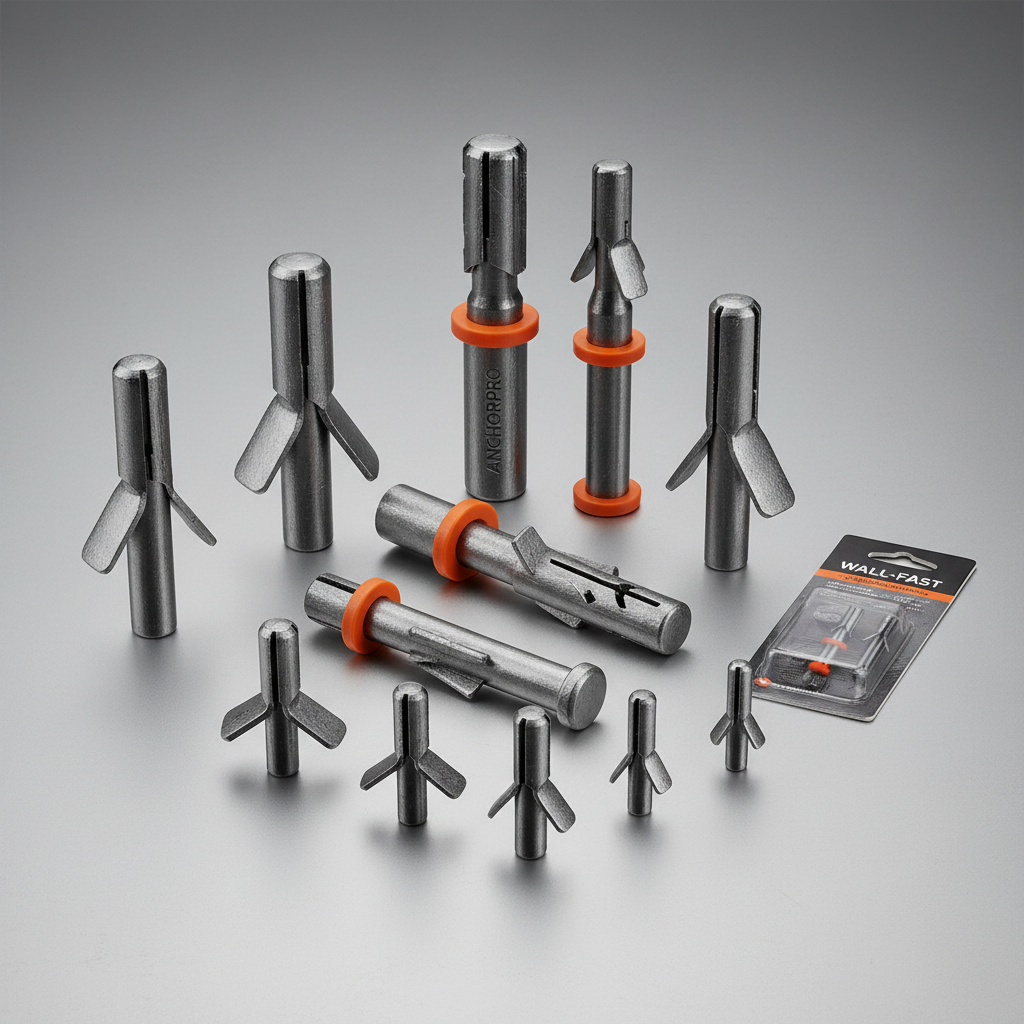
How Expanding Anchors for Hollow Walls Work
The fundamental principle of expanding anchors for hollow walls is the conversion of linear force into lateral expansion. When the screw is driven into the anchor, it forces the body of the fastener to deform or unfold behind the substrate. This creates a mechanical lock that grips the back of the wall. High-quality anchors are typically made from zinc-plated steel or nylon to ensure they don't corrode or snap under tension. By increasing the contact area, these anchors significantly reduce the stress placed on the fragile gypsum or hollow-core material, ensuring long-term stability for your interior installations.
Pro Tip: Always ensure the hole drilled is exactly the diameter specified by the manufacturer. A hole that is too large will prevent the anchor from gripping, while one too small may crack the hollow wall during insertion.
Comparing Types of Hollow Wall Fasteners
Not all hollow walls are created equal, and neither are the anchors. Depending on whether you are dealing with thin drywall or thicker plaster, you may need a different mechanism. Toggle bolts offer the highest strength by unfolding a metal wing, while self-drilling anchors provide speed and convenience for lightweight items. Selecting the right expanding anchors for hollow walls depends on the "shear load" (downward force) and "tension load" (pulling force) your fixture will exert.
Installation Best Practices for Expanding Anchors
To maximize the performance of expanding anchors for hollow walls, precision is key. First, use a stud finder to ensure you are actually in a hollow section; if you hit a stud, a standard wood screw is preferred. Second, once the hole is drilled, clear the debris using a vacuum or compressed air to ensure the anchor seats fully. When tightening, avoid over-torquing, as this can crush the gypsum core of the wall, leading to a "stripped" hole that no longer holds weight. For heavy-duty applications, distributing the load across multiple anchor points is always safer than relying on a single fastener.
Technical Specifications of Professional Anchors
When sourcing fasteners for commercial or industrial projects, reviewing the technical data sheet is critical. Industrial-grade expanding anchors for hollow walls are measured by their grip range (the thickness of the wall they can accommodate) and their pull-out strength. Materials like AISI 304 stainless steel are often specified for high-humidity environments to prevent oxidation. Below is a typical specification table for standard hollow wall expansion fasteners:
Common Mistakes to Avoid with Hollow Wall Anchors
Even experienced contractors can make errors when utilizing expanding anchors for hollow walls. One of the most common mistakes is using the wrong screw length. If the screw is too short, the anchor will not expand fully; if it is too long, the screw may bottom out before the fixture is flush against the wall. Another frequent error is neglecting to account for the weight of the object plus the dynamic load (e.g., a shelf that will hold books). Always over-specify your anchor strength by 20-30% to provide a safety margin and prevent structural failure over time.
Selecting the Right Supplier for Fastening Solutions
For businesses and large-scale construction projects, the quality of the fastener is non-negotiable. Sourcing expanding anchors for hollow walls from a reputable manufacturer ensures consistency in dimensions and material strength. Look for suppliers who provide clear load-bearing data and certifications. Whether you need bulk shipments for a residential complex or specialized anchors for an industrial facility, choosing a partner that understands the nuances of metallurgy and mechanical engineering will save time and reduce the risk of on-site failures.
Conclusion: Ensuring Lasting Stability
Securing objects to fragile surfaces requires more than just a screw—it requires the right engineering. By choosing the correct expanding anchors for hollow walls and following precise installation protocols, you can ensure that your fixtures remain safe and secure for years to come. From the lightweight convenience of self-drilling plugs to the industrial strength of toggle bolts, the right choice depends on your specific wall material and load requirements. Invest in quality fasteners to protect your walls and your assets.
Frequently Asked Questions (FAQs)
Can I reuse expanding anchors for hollow walls after removing them?
Generally, no. Most expanding anchors for hollow walls are designed for a single-use installation. Because they work by permanently deforming the anchor body (collapsing or unfolding) to grip the wall, the structural integrity of the fastener is compromised once it has been expanded. Attempting to reuse an anchor can lead to a significant reduction in load capacity and increases the risk of the anchor slipping out of the wall, which could cause your fixtures to fall.
What is the best anchor for very thin drywall?
For very thin drywall, toggle bolts or specialized "snap-toggles" are the most reliable options. Since thin walls have less material to grip, friction-based anchors (like self-drilling plastic plugs) may strip through the wall too easily. Toggle bolts create a large metal washer-like surface behind the thin wall, distributing the load across a wider area of the gypsum. This prevents the anchor from pulling through the fragile material, providing the highest possible security for thin-wall applications.
How do I remove an expanding anchor without damaging my wall?
Removing expanding anchors for hollow walls can be tricky. For plastic anchors, you can gently push them into the wall cavity using a nail or screwdriver, then patch the hole. For metal expansion anchors like Molly bolts, you can often unscrew the bolt and then use needle-nose pliers to pull the sleeve out, or simply snap the head of the anchor off and push the remainder into the wall. In all cases, a small amount of joint compound and sanding will restore the wall surface perfectly.
Do I need a special tool to install hollow wall anchors?
Depending on the type, you may. Self-drilling anchors only require a screwdriver. However, professional Molly bolts often require a "setting tool" (an anchor plier) to collapse the sleeve properly without spinning the anchor in the wall. While you can sometimes set them using a screw and a hammer, a professional tool ensures the anchor is seated perfectly flush and maximizes the grip. If you are working on a large project, we highly recommend using the correct setting tools to ensure consistency and safety.
-
Guide to High Quality Stainless Steel Expansion FastenersNewsApr.16,2026
-
Ultimate Guide to Industrial Sheet Metal Expansion AnchorsNewsApr.16,2026
-
High Efficiency Fastening Guide for Plastic Expansion RivetsNewsApr.16,2026
-
Plastic Expanding Nut Guide for Applications and BenefitsNewsApr.16,2026
-
Ultimate Guide to Stability and Use of Nail Expansion AnchorNewsApr.16,2026
-
Guide to Choosing and Installing the Right Metal Expansion ScrewNewsApr.16,2026