
Ultimate Guide to Strength and Versatility of Expandable Anchors
The Ultimate Guide to Expandable Anchors: Strength and Versatility
In the world of industrial fastening, achieving a secure grip in diverse substrates is the foundation of structural integrity. Expandable anchors provide a reliable and efficient solution for securing heavy loads into concrete, brick, or hollow blocks. By utilizing the principle of mechanical expansion, these fasteners create a powerful friction-based hold that resists pull-out forces. Whether you are managing a large-scale construction project or a specialized machinery installation, understanding the nuances of these anchors is critical for safety and longevity. In this guide, we will explore everything from material selection to installation best practices to ensure your projects stand the test of time.
How Expandable Anchors Work: The Mechanics of Grip
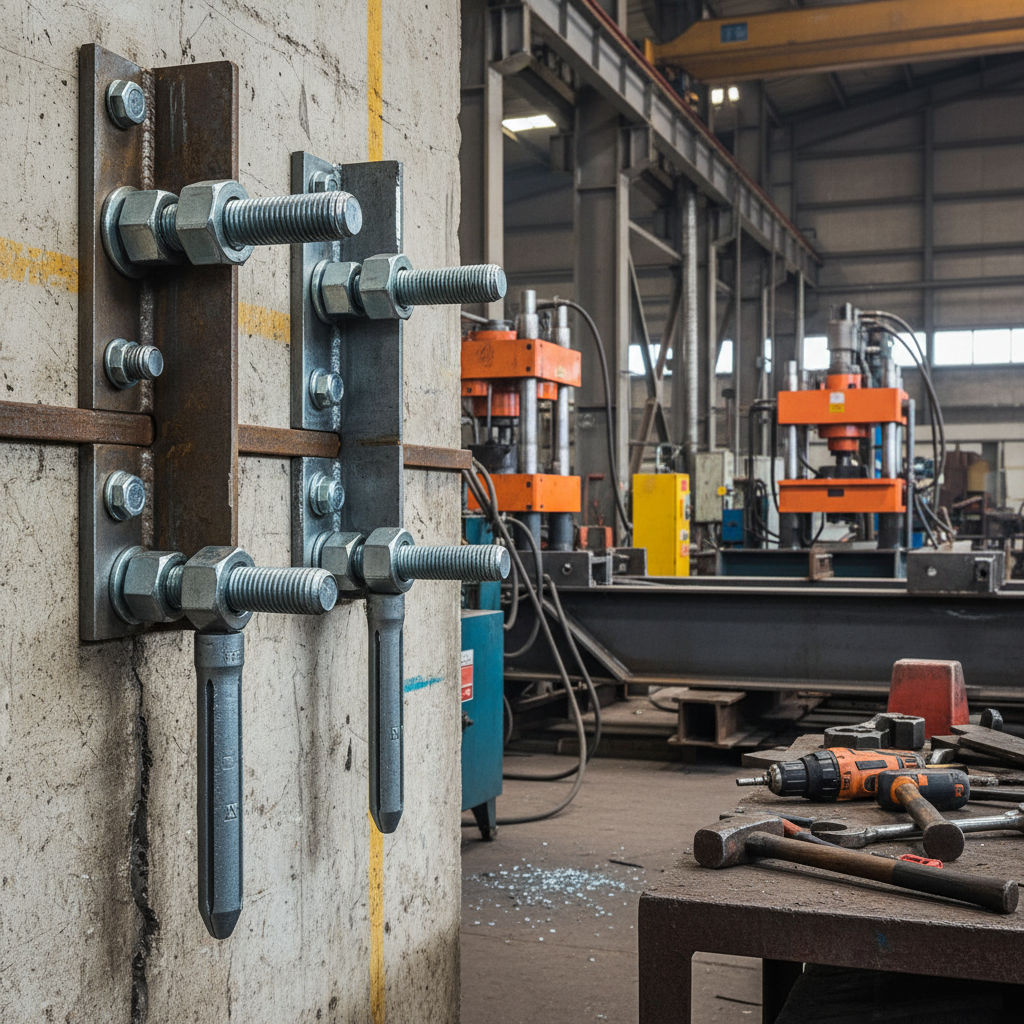
The core functionality of expandable anchors lies in their ability to increase their diameter once inserted into a pre-drilled hole. When the bolt is tightened or the wedge is driven in, the sleeve or the anchor body is forced outward against the walls of the substrate. This creates an intense radial pressure that locks the fastener in place. This mechanical bond is what allows these anchors to support significant shear and tension loads. Depending on the design, they can be categorized into sleeve anchors, wedge anchors, or drop-in anchors, each optimized for specific load requirements and material densities.
Pro Tip: Always ensure the drilled hole is cleaned of dust and debris. Residual powder can act as a lubricant, significantly reducing the friction and overall load-bearing capacity of the anchor.
Comparing Different Types of Expandable Anchors
Not all fastening needs are created equal. Choosing the wrong type of expandable anchors can lead to structural failure or wasted materials. Wedge anchors are typically used for heavy-duty applications in solid concrete, whereas sleeve anchors are more versatile and can be used in softer materials like brick. Drop-in anchors are ideal for overhead installations where a threaded stud is required. To help you make an informed decision, we have compared the most common types based on their primary performance metrics.
Material Selection for Durable Expandable Anchors
The environment in which you install your fasteners dictates the material choice. Corrosion is the primary enemy of mechanical anchors. For indoor, dry environments, zinc-plated carbon steel is often sufficient and cost-effective. However, for outdoor applications or coastal areas, stainless steel (Grade 304 or 316) is non-negotiable to prevent rust and maintain structural integrity. High-quality expandable anchors are manufactured with precise tolerances to ensure the expansion happens uniformly, avoiding cracks in the base material.
Material Quick-Guide:
• Zinc-Plated: Budget-friendly, interior use only.
• Galvanized Steel: Better weather resistance, industrial outdoor use.
• Stainless Steel: Maximum corrosion resistance, marine/chemical environments.
Installation Best Practices for Expandable Anchors
Precision during installation is what separates a professional job from a hazardous one. First, always use a drill bit that matches the diameter of the expandable anchors exactly; a hole that is too large will prevent the anchor from gripping the walls. Second, ensure the hole depth is slightly deeper than the anchor length to accommodate any remaining dust. Finally, apply a consistent torque when tightening. Over-tightening can cause the concrete to split (spalling), while under-tightening leads to instability. Following these steps ensures the maximum load capacity is achieved.
Technical Specifications of Standard Expandable Anchors
To further assist engineers and procurement managers, we provide a typical specification table for industrial-grade expandable anchors. These specifications represent the average performance of high-carbon steel wedge anchors used in commercial construction. It is always recommended to consult the specific technical data sheet of your supplier to confirm the exact load limits for your specific substrate grade.
Conclusion: Securing Your Future with Expandable Anchors
Choosing high-quality expandable anchors is more than just a procurement decision; it is a commitment to the safety and stability of your structure. From selecting the right material to executing a precise installation, every detail matters. By understanding the mechanics and specifications of these fasteners, you can confidently tackle any mounting challenge. For those seeking premium, durable, and industry-certified fastening solutions, trust the expertise of a professional supplier to provide the strength your project deserves.
Frequently Asked Questions (FAQs)
Can expandable anchors be removed once installed?
Generally, mechanical expandable anchors are designed to be permanent. Because they expand into the substrate, they cannot simply be "unscrewed" out. To remove them, you typically have to cut the bolt head off using a grinder or hacksaw and then use a punch to drive the remaining stud into the hole, or carefully chip away the surrounding concrete. This is why precise placement is critical during the initial installation phase.
What happens if I drill a hole that is too large?
If the hole is too large, the expandable anchor will not be able to create sufficient radial pressure against the walls of the substrate. This leads to a significant loss in load-bearing capacity and may cause the anchor to pull out entirely under stress. In such cases, you should not attempt to "force" the anchor; instead, you may need to use a chemical anchor (epoxy) to fill the gap and provide the necessary bond, or move the installation point to a new, correctly drilled location.
Which is better: Wedge anchors or Sleeve anchors?
The "better" option depends entirely on your substrate. Wedge anchors are superior for high-load applications in solid, high-strength concrete because they provide a more aggressive grip. However, they can crack thinner or softer concrete. Sleeve anchors are better for a variety of materials, including brick and block, as the sleeve distributes the expansion force more evenly, reducing the risk of the substrate cracking. Always match the anchor type to the material you are drilling into.
How do I determine the correct embedment depth?
Embedment depth is typically determined by the load requirements and the thickness of the substrate. A deeper embedment generally increases the pull-out strength. However, you must leave enough space for the fixture you are attaching. Most manufacturers provide a minimum embedment depth to ensure the expansion zone is fully engaged. For critical structural loads, it is essential to refer to the engineering specifications provided by hbxzfastener.com to ensure safety compliance.
-
Guide to High Quality Stainless Steel Expansion FastenersNewsApr.16,2026
-
Ultimate Guide to Industrial Sheet Metal Expansion AnchorsNewsApr.16,2026
-
High Efficiency Fastening Guide for Plastic Expansion RivetsNewsApr.16,2026
-
Plastic Expanding Nut Guide for Applications and BenefitsNewsApr.16,2026
-
Ultimate Guide to Stability and Use of Nail Expansion AnchorNewsApr.16,2026
-
Guide to Choosing and Installing the Right Metal Expansion ScrewNewsApr.16,2026