
Understanding Anchor Fastener Wedge Type Systems for Reliable Load Securing
Understanding Anchor Fastener Wedge Type Systems
When it comes to securing loads in challenging environments, anchor fasteners play a critical role. Among these, the anchor fastener wedge type system stands out for its reliability and adaptability. This article will explore the intricacies of wedge-type anchors, their applications, benefits, and considerations for optimal use. We’ll delve into the engineering behind these fasteners and why they are a preferred choice in industries like construction, mining, and tunneling. Choosing the right anchor system is crucial for project safety and longevity.
How Anchor Fastener Wedge Type Systems Work
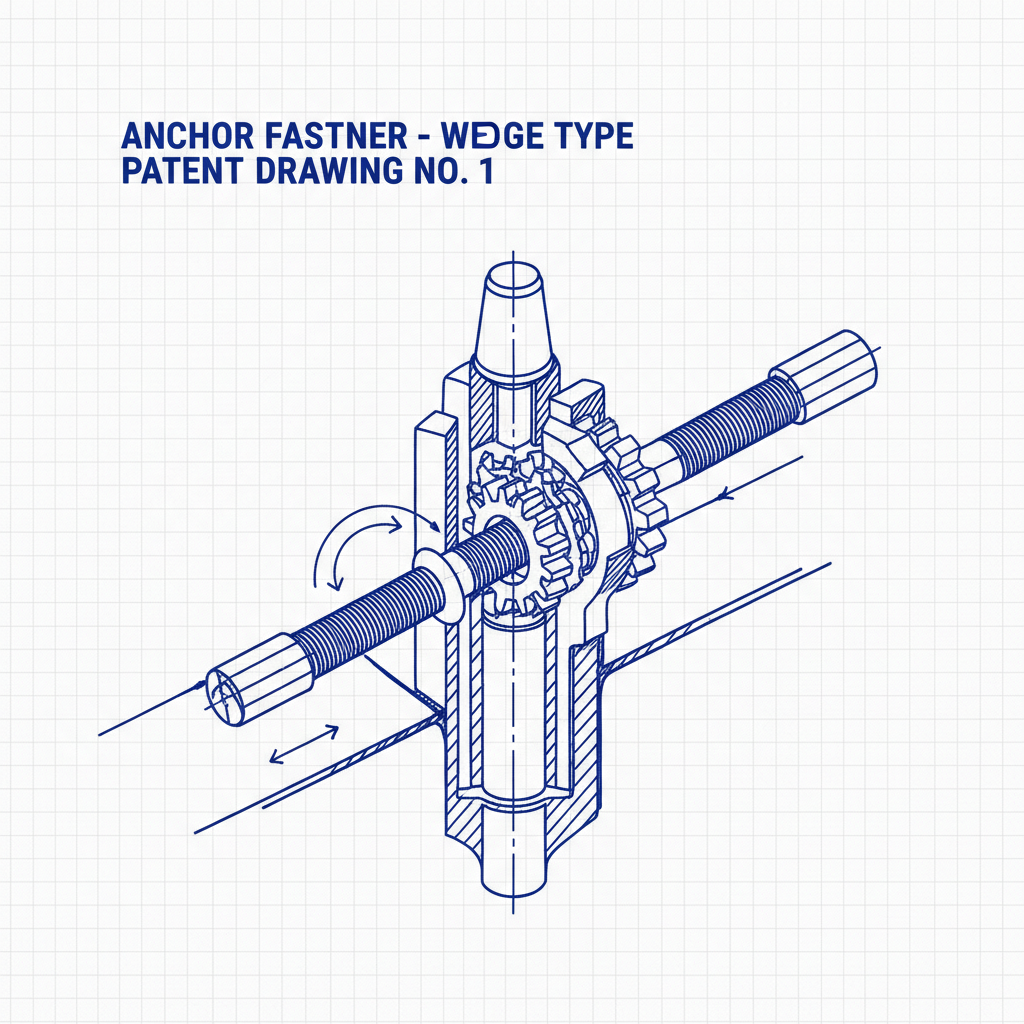
The core principle behind a wedge-type anchor lies in its mechanical expansion within a pre-drilled hole. These anchors typically consist of a bolt, a sleeve, and a wedge. As the bolt is tightened, it draws the sleeve over the wedge, causing the wedge to expand and create a tight friction fit against the hole walls. This friction is what provides the anchoring force. The design allows for high load-bearing capacity and is particularly effective in concrete and masonry applications. This method ensures a secure and lasting connection, minimizing the risk of slippage or failure. Proper installation is crucial for maximizing the performance of these anchors. You can find a comprehensive range of these at HBXZ Fastener.
Key Features: Reliable mechanical expansion, high load capacity, suitable for concrete & masonry, easy to install (with proper tools), and provides a secure, lasting connection.
Applications of Anchor Fastener Wedge Type Anchors
Wedge-type anchors are incredibly versatile and find applications in a multitude of industries. In construction, they are used to secure structural steel, machinery, and equipment to concrete foundations. Mining operations rely on them for rock bolting and support systems. Tunneling projects utilize these anchors for ground stabilization and preventing collapses. They are also common in the installation of handrails, signage, and fixtures. The ability to withstand significant tensile and shear forces makes them indispensable for these demanding applications. Furthermore, their adaptability to different hole diameters and depths expands their usability in various project scenarios.
Typical Applications:
• Securing structural steel to concrete
• Rock bolting in mining operations
• Ground stabilization in tunneling
• Installation of handrails and fixtures
Anchor Fastener Wedge Type vs. Sleeve Anchors: A Comparison
While both wedge-type anchors and sleeve anchors are used for similar applications, they differ in their mechanism and performance. Sleeve anchors rely on the expansion of a sleeve over the entire length of the anchor, distributing the load along a broader surface. Wedge-type anchors, on the other hand, concentrate the expansion force at the wedge end. This often results in higher pull-out resistance, particularly in critical applications. Sleeve anchors are generally easier to install, while wedge-type anchors offer superior strength in demanding scenarios. Choosing the right type depends on the specific load requirements and substrate material.
Factors to Consider When Selecting a Wedge-Type Anchor
Selecting the appropriate wedge-type anchor requires careful consideration of several factors. The material being anchored to (concrete, brick, etc.) will influence the anchor's material and length. The anticipated load (tensile, shear, or a combination) must be accurately calculated to ensure the anchor's capacity is sufficient. Edge distance and spacing between anchors are also critical to prevent concrete spalling. Finally, the environmental conditions (corrosive environments, temperature fluctuations) may require the use of specialized coatings or materials. Consulting with a qualified engineer is recommended for complex applications. HBXZ Fastener provides detailed technical specifications and guidance to assist in anchor selection.
Proper Installation Techniques for Optimal Performance
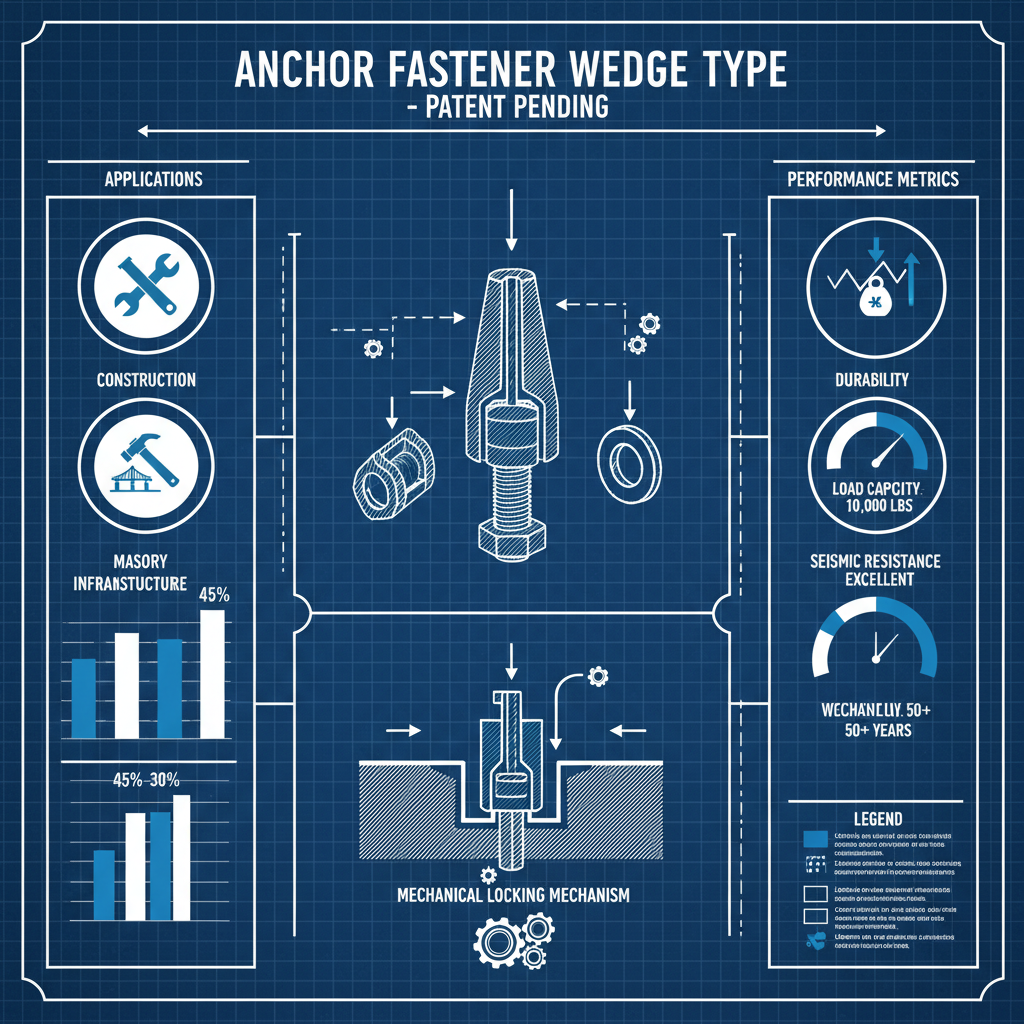
Correct installation is paramount for ensuring the reliable performance of wedge-type anchors. Begin with drilling a hole that is the correct diameter and depth, as specified by the anchor manufacturer. Clean the hole thoroughly to remove dust and debris. Insert the anchor and tighten the nut to the recommended torque. Over-tightening can damage the anchor or the substrate. Under-tightening will result in insufficient holding power. Always use calibrated torque wrenches to ensure accurate tightening. Regularly inspect installed anchors for signs of corrosion or loosening. Following these guidelines will maximize the lifespan and effectiveness of your anchor system.
Conclusion: Securing Your Projects with Confidence
The anchor fastener wedge type system offers a robust and reliable solution for a wide range of anchoring applications. Understanding its operating principles, proper selection criteria, and installation techniques is crucial for ensuring project safety and longevity. By choosing high-quality anchors and adhering to best practices, you can confidently secure your projects and minimize the risk of failure.
Frequently Asked Questions (FAQs)
What is the recommended hole cleaning procedure for wedge-type anchors?
Thorough hole cleaning is essential for maximizing anchor performance. After drilling, use compressed air to remove dust and debris from the hole. For deeper holes, a brush or vacuum can also be used. Ensure all loose particles are removed, as they can interfere with the anchor's expansion. The effectiveness of the anchoring depends on the solid contact between the anchor and the hole walls. For critical applications, consider using a specialized hole cleaning tool.
What torque should be applied when tightening a wedge-type anchor?
The appropriate torque depends on the specific anchor size and manufacturer's specifications. Always refer to the technical datasheet provided with the anchor. Using a calibrated torque wrench is crucial to avoid over-tightening, which can damage the anchor or substrate, or under-tightening, which compromises holding power. Over-tightening can lead to anchor failure, while under-tightening reduces its load-bearing capacity.
Are wedge-type anchors suitable for cracked concrete?
Wedge-type anchors are generally not recommended for use in cracked concrete unless specifically designed and tested for such applications. Cracked concrete reduces the anchor's effective embedment depth and can compromise its holding power. For cracked concrete, consider using anchors with specialized approvals and certifications for cracked concrete applications, such as bonded anchors or mechanical anchors with specific crack-resistant features.
What materials are wedge-type anchors commonly made from?
Wedge-type anchors are commonly made from carbon steel, stainless steel (typically 304 or 316), and galvanized steel. Carbon steel anchors are suitable for general applications, but they are susceptible to corrosion. Stainless steel anchors offer superior corrosion resistance, making them ideal for outdoor or corrosive environments. Galvanized steel provides a moderate level of corrosion protection. The choice of material depends on the specific application and environmental conditions.
-
Guide to High Quality Stainless Steel Expansion FastenersNewsApr.16,2026
-
Ultimate Guide to Industrial Sheet Metal Expansion AnchorsNewsApr.16,2026
-
High Efficiency Fastening Guide for Plastic Expansion RivetsNewsApr.16,2026
-
Plastic Expanding Nut Guide for Applications and BenefitsNewsApr.16,2026
-
Ultimate Guide to Stability and Use of Nail Expansion AnchorNewsApr.16,2026
-
Guide to Choosing and Installing the Right Metal Expansion ScrewNewsApr.16,2026