
Understanding the Applications and Materials of 10 Hex Head Bolt Fasteners
Understanding the 10 Hex Head Bolt: A Comprehensive Guide
The 10 hex head bolt is a fundamental fastener used across countless industries, from construction and manufacturing to automotive and infrastructure. Its simple yet robust design makes it a versatile solution for securing components and assemblies. Choosing the right bolt is crucial for ensuring the integrity and longevity of any project. This article will delve into the characteristics, applications, materials, and standards related to the 10 hex head bolt, providing you with a complete understanding of this essential fastener. HBXZ Fastener offers a wide range of high-quality 10 hex head bolts to meet diverse needs.
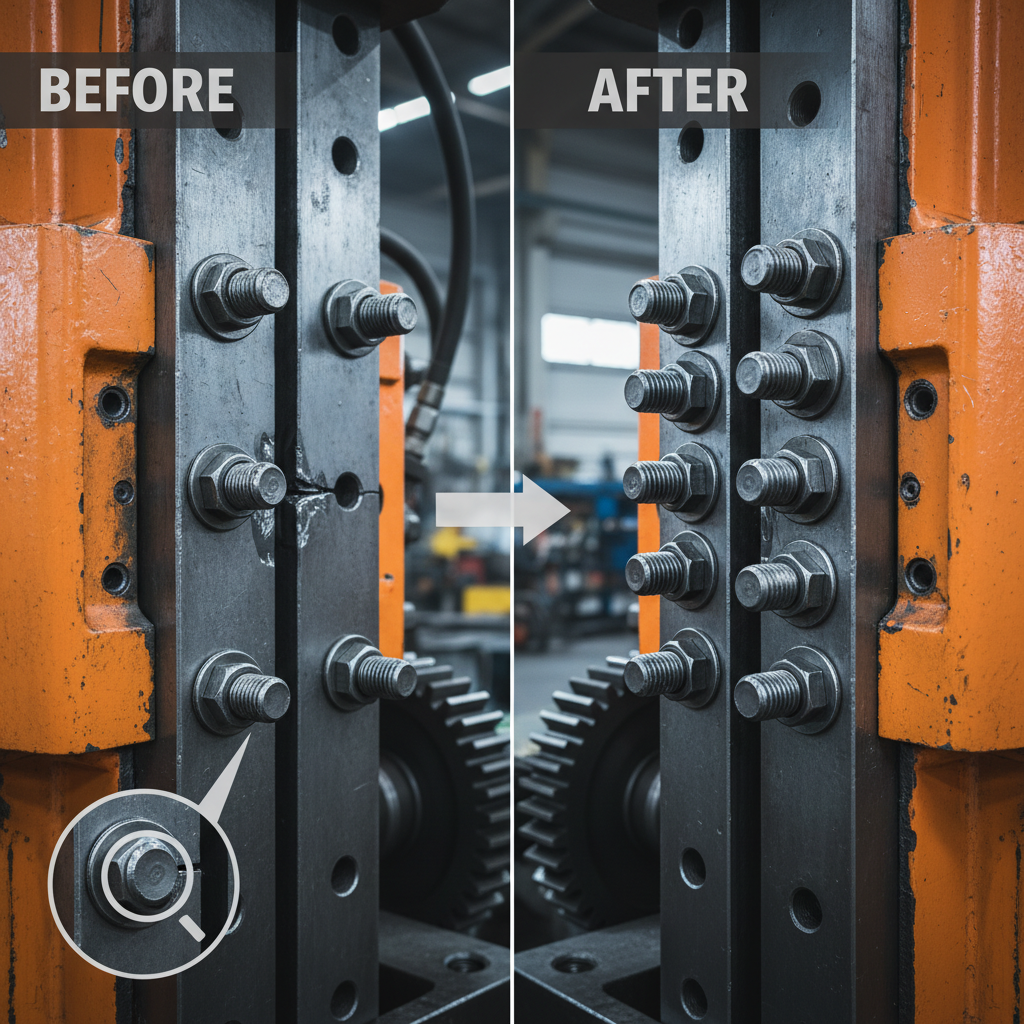
What Defines a 10 Hex Head Bolt?
The “10” in 10 hex head bolt refers to the nominal diameter of the bolt, measured in millimeters. This means the threaded portion of the bolt is approximately 10mm in diameter. The “hex head” indicates the shape of the bolt's head – a hexagon – designed to be easily gripped and turned with a wrench or socket. This design provides a secure and efficient tightening process. The combination of these features makes the 10 hex head bolt a reliable and widely used fastener for a variety of applications. It’s important to note that the length of the bolt is a separate specification, and bolts are available in numerous lengths to suit different applications.
Key Highlights: The 10mm diameter refers to the threaded portion. The hexagonal head allows for easy and secure tightening with standard tools. Available in various lengths to match specific project requirements.
Materials Commonly Used in 10 Hex Head Bolts
10 hex head bolts are manufactured from a range of materials, each offering distinct properties and suitability for different environments. Common materials include carbon steel, alloy steel, stainless steel (like 304 and 316), and even some plastics for specialized applications. Carbon steel is the most frequently used due to its cost-effectiveness and strength. However, it’s susceptible to corrosion. Stainless steel provides excellent corrosion resistance, making it ideal for outdoor or marine applications. Alloy steel offers enhanced strength and durability, often used in high-stress environments. Selecting the appropriate material is crucial for ensuring the bolt’s longevity and performance. HBXZ Fastener provides bolts in a wide variety of materials to meet your exact specifications.
Material Properties:
• Carbon Steel: High strength, cost-effective, susceptible to corrosion.
• Stainless Steel: Excellent corrosion resistance, durable.
• Alloy Steel: Enhanced strength, ideal for high-stress applications.
10 Hex Head Bolt Grades & Strength
The strength of a 10 hex head bolt is determined by its grade, indicated by markings on the bolt head. Common grades include 4.8, 8.8, and 10.9, each representing different tensile strength and yield strength values. Higher numbers indicate higher strength. For example, a Grade 8.8 bolt is stronger than a Grade 4.8 bolt. Choosing the appropriate grade is critical for applications where load-bearing capacity is a concern. It’s essential to consult engineering specifications to determine the required grade for a specific application. Using a bolt with insufficient strength could lead to failure and potentially dangerous consequences.
Applications of the 10 Hex Head Bolt
The 10 hex head bolt’s versatility makes it suitable for a vast array of applications. In the construction industry, they are used to assemble structural steel, secure frameworks, and fasten building components. Manufacturing utilizes them in machinery assembly, equipment mounting, and product fabrication. The automotive sector relies on them for engine components, chassis construction, and body panel attachment. From furniture assembly to plumbing systems, the 10 hex head bolt plays a critical role in countless everyday products and structures. HBXZ Fastener serves diverse industries with high-quality 10 hex head bolts.
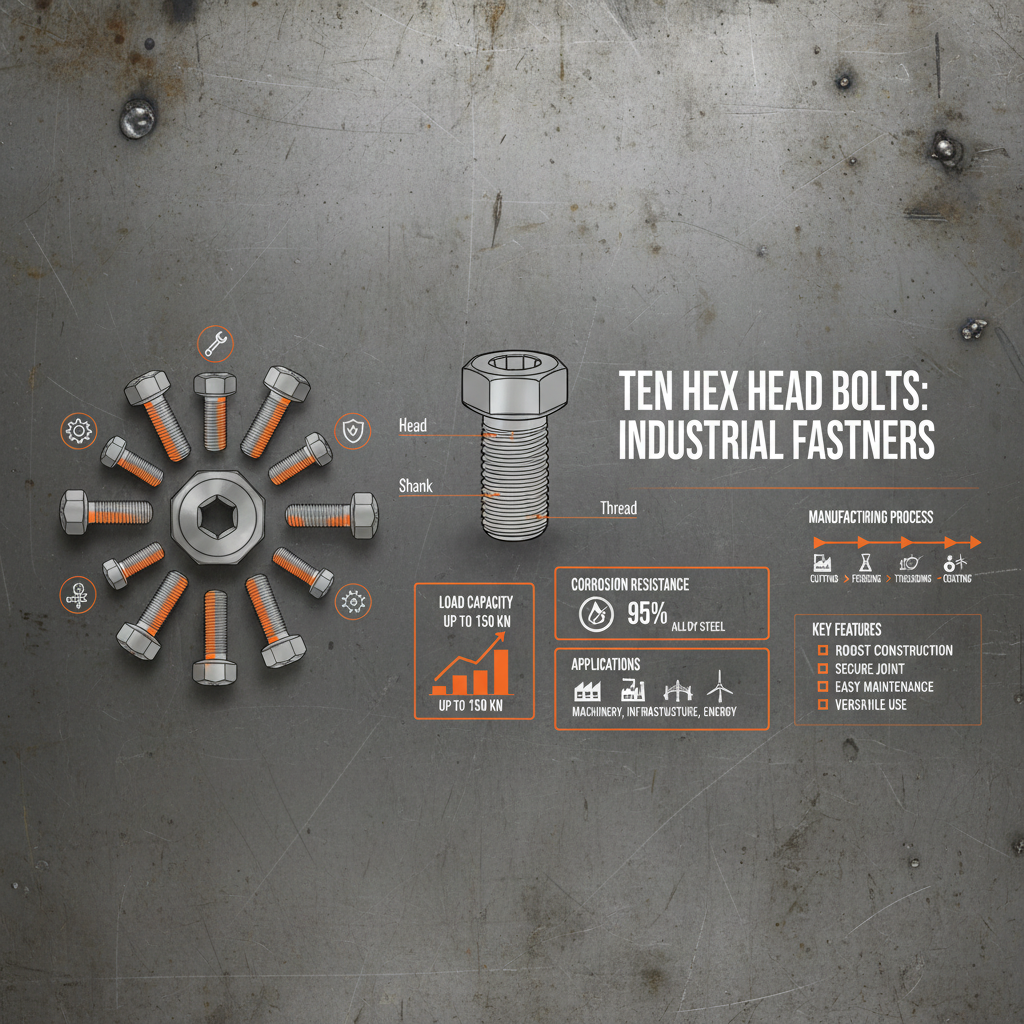
Standards and Compliance for 10 Hex Head Bolts
10 hex head bolts are manufactured to meet various international standards, including ISO, DIN, ANSI, and ASTM. These standards define the dimensions, mechanical properties, tolerances, and testing methods for the bolts. Compliance with these standards ensures quality, reliability, and interchangeability. Common standards include ISO 898-1 for metric bolts and ASTM A307 for carbon steel bolts. When selecting bolts, it's crucial to verify that they meet the relevant standards for your application. HBXZ Fastener is committed to providing bolts that adhere to strict quality control and industry standards.
Conclusion: The Importance of Selecting the Right 10 Hex Head Bolt
The 10 hex head bolt is a critical component in numerous applications. Understanding its characteristics, materials, grades, and relevant standards is vital for ensuring the safety, reliability, and longevity of any project. By choosing high-quality bolts from a reputable supplier like HBXZ Fastener, you can be confident in the integrity of your assemblies. Don’t compromise on quality – choose the right bolt for the job.
Frequently Asked Questions (FAQs)
What is the difference between a flange bolt and a standard 10 hex head bolt?
A flange bolt incorporates a wider flange directly under the head, increasing the bearing surface. This distributes the clamping force over a larger area, making it ideal for softer materials or applications where preventing damage to the joined surfaces is crucial. A standard 10 hex head bolt has a smaller bearing surface and is generally used with harder materials. Flange bolts are often preferred in applications such as automotive exhaust systems or structural connections where wider load distribution is necessary. They also help reduce loosening due to vibration.
What coatings are commonly used on 10 hex head bolts?
Common coatings include zinc plating, black oxide, and hot-dip galvanization. Zinc plating provides moderate corrosion resistance and is often used for indoor applications. Black oxide offers mild corrosion resistance and primarily enhances the aesthetic appearance. Hot-dip galvanization provides superior corrosion resistance, making it ideal for outdoor or harsh environments. Coatings are applied to protect the bolt from rust and corrosion, extending its lifespan and ensuring reliable performance.
How do I determine the correct length of a 10 hex head bolt?
The length of the bolt should be sufficient to pass through all the materials being joined and allow enough thread to engage with the nut. Typically, you'll need to account for the thickness of each material, the washer (if used), and the nut. A general rule of thumb is to have at least the bolt’s diameter in thread engagement. Precise measurements are crucial to ensure a secure and reliable connection. Incorrect length can result in insufficient clamping force or damage to the materials.
Where can I find high-quality 10 hex head bolts?
HBXZ Fastener is a leading supplier of high-quality 10 hex head bolts, offering a wide range of materials, grades, and sizes to meet your specific needs. We provide reliable products and excellent customer service. Our products conform to the international standards. You can browse our selection and request a quote on our website.
-
Guide to High Quality Stainless Steel Expansion FastenersNewsApr.16,2026
-
Ultimate Guide to Industrial Sheet Metal Expansion AnchorsNewsApr.16,2026
-
High Efficiency Fastening Guide for Plastic Expansion RivetsNewsApr.16,2026
-
Plastic Expanding Nut Guide for Applications and BenefitsNewsApr.16,2026
-
Ultimate Guide to Stability and Use of Nail Expansion AnchorNewsApr.16,2026
-
Guide to Choosing and Installing the Right Metal Expansion ScrewNewsApr.16,2026