
Using Chemical Anchors for High Loads & Fast, Safe Fixing
Field Notes on using chemical anchors in Real-World Builds
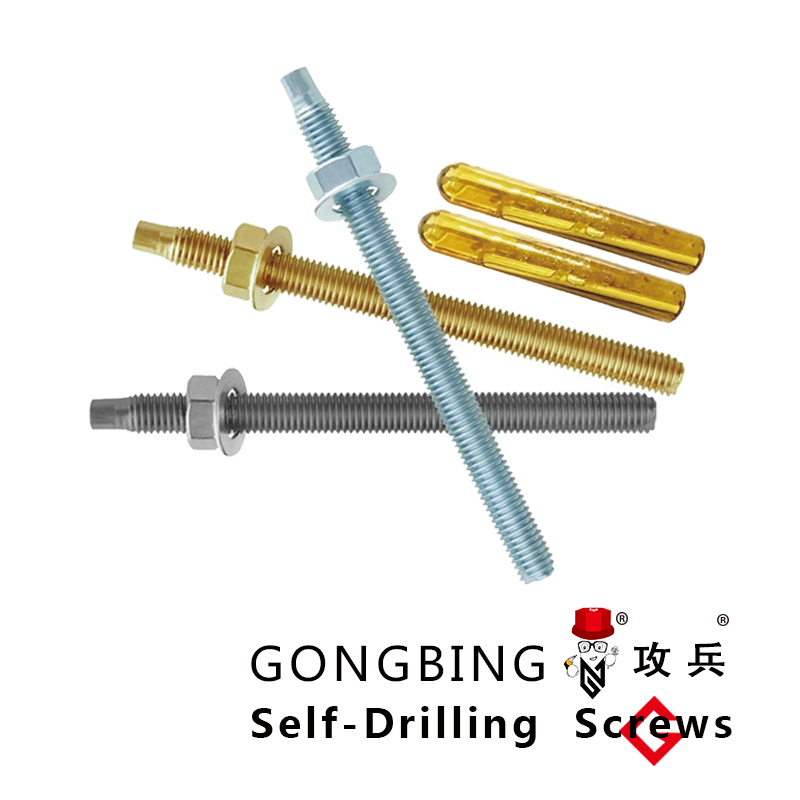
I’ve watched bonded anchors drift from niche to norm. The catalyst? Predictability. Contractors want repeatable performance in cracked concrete, seismic zones, and—frankly—messy sites. The DIN Standard Good Quality Steel Material Chemical Anchor Bolt From Direct Factory Fob Referenc (China origin) rides that wave. It’s a steel anchor system paired with vinyl-resin chemistry—once nicknamed “chemical bolts,” which made old-school fixers smile and engineers frown. Language aside, the numbers have matured. And, to be honest, that’s what matters.
Where the market is heading
Two big currents: certified performance (ETA/ICC) and lifecycle economics. Facilities managers now ask about service life and test regimes before price. Seismic categories (C1/C2) and cracked concrete ratings are no longer “nice-to-have.” And yes, using chemical anchors is increasingly standard even for mid-rise facades and retrofit MEP supports because no one wants surprise spalls or loosening under vibration.
Product snapshot (specs at a glance)
| Product | DIN Standard Good Quality Steel Material Chemical Anchor Bolt |
| Origin | China |
| Steel Grades | Carbon steel 8.8/10.9; optional stainless A2-70/A4-70 |
| Diameters | M8–M24 (custom up to M30 ≈ on request) |
| Coatings | Zinc, HDG, Dacromet ≈ for corrosion classes C1–C3 (real-world use may vary) |
| Resin System | Vinyl ester-based adhesive; fast cure; damp-hole tolerant |
| Typical Embedment | 8–12×Ø (per ETA/ACI methods) |
| Service Life | Up to 50 years design life when qualified per ETA/ICC reports |
Process flow that actually works on site
- Materials: steel stud + washer/nut, vinyl ester injectable or capsule, static mixer, brush, blow pump or oil-free air, torque wrench.
- Method: drill to spec (hammer drill or diamond core); blow–brush–blow until clean; inject from hole bottom out; insert rotating stud; allow gel/cure; torque to spec.
- Testing: proof load testing per ACI 355.4/ICC-ES AC308; sample pull-outs on every pour sequence are smart, not optional.
- Standards: ETAG 001/Annex E or EAD 330499-00-0601 for bonded anchors; design via EN 1992-4 or ACI 318 Chapter 17.
- Service life: check temperature profile; hot plant rooms reduce bond capacity—derate as per ETA tables.
Where it’s used (and why)
Facade brackets, racking, pipe supports, baseplates, canopy ties, and retrofit holdowns in hospitals and data centers. Many customers say the speed of using chemical anchors beats sleeve anchors especially in edge-distance-sensitive slabs. Surprisingly, they also like the cleaner finish—no mushrooming.
Vendor snapshot (comparison)
| Vendor / Product | Certs | M12 Tension in C20/25 (≈) | Gel/Cure @20°C | Lead Time | Note |
|---|---|---|---|---|---|
| HBXZ Fastener (this product) | DIN-based; ETA/ICC on request | 14–18 kN | 5–10 min / 45–60 min | 2–4 weeks | Factory-direct pricing |
| Hilti HIT-RE 500 V4 | ETA, ICC, Seismic C2 | 18–22 kN | 10–15 min / 60–90 min | Stock–1 week | Premium, robust data |
| Fischer FIS EM Plus | ETA, ICC, Fire | 17–21 kN | 6–12 min / 45–90 min | Stock–2 weeks | Broad approvals |
Case study (quick read)
Logistics center retrofit, 14 m racking. Crew switched to using chemical anchors after wedge anchors clipped edge distances near saw-cut joints. With clean holes and torque control, pull-tests averaged 16.5 kN on M12 in C25/30—comfortably inside spec. The foreman told me, “Less rework. That’s the win.”
Customization and QC
- Custom studs: cut lengths, chamfers, nut/washer packs, stainless for corrosive plants.
- Coatings adapted to ISO 9223 exposure classes.
- Mill certs (EN 10204 3.1), batch gel-time records, and sample tensile tests per ISO 898.
Final notes
The take: if you’re using chemical anchors for critical fixings, ask for an ETA/ICC report matching your substrate, temperature, and seismic category. Price matters, but design data and site training (especially hole cleaning) matter more.
Citations
- EAD 330499-00-0601, Bonded Fasteners for Use in Concrete, EOTA/ETA.
- ACI 355.4 & ACI 318 Chapter 17, Qualification and Design of Post-Installed Anchors, ACI.
- ICC-ES AC308, Adhesive Anchors in Concrete Elements, ICC Evaluation Service.
-
Guide to High Quality Stainless Steel Expansion FastenersNewsApr.16,2026
-
Ultimate Guide to Industrial Sheet Metal Expansion AnchorsNewsApr.16,2026
-
High Efficiency Fastening Guide for Plastic Expansion RivetsNewsApr.16,2026
-
Plastic Expanding Nut Guide for Applications and BenefitsNewsApr.16,2026
-
Ultimate Guide to Stability and Use of Nail Expansion AnchorNewsApr.16,2026
-
Guide to Choosing and Installing the Right Metal Expansion ScrewNewsApr.16,2026