
Guide to High Quality Stainless Steel Expansion Fasteners
The Ultimate Guide to Stainless Steel Expansion Fasteners
When securing heavy structures to concrete, stone, or masonry, the reliability of your hardware can make the difference between a lasting installation and a structural failure. stainless steel expansion fasteners provide an unbeatable combination of mechanical strength and corrosion resistance. Whether you are working on a coastal bridge, an industrial warehouse, or a modern architectural project, understanding the nuances of these anchors is critical. In this comprehensive guide, we will explore why stainless steel is the preferred material, how these fasteners work, and how to choose the right specifications for your specific project needs.
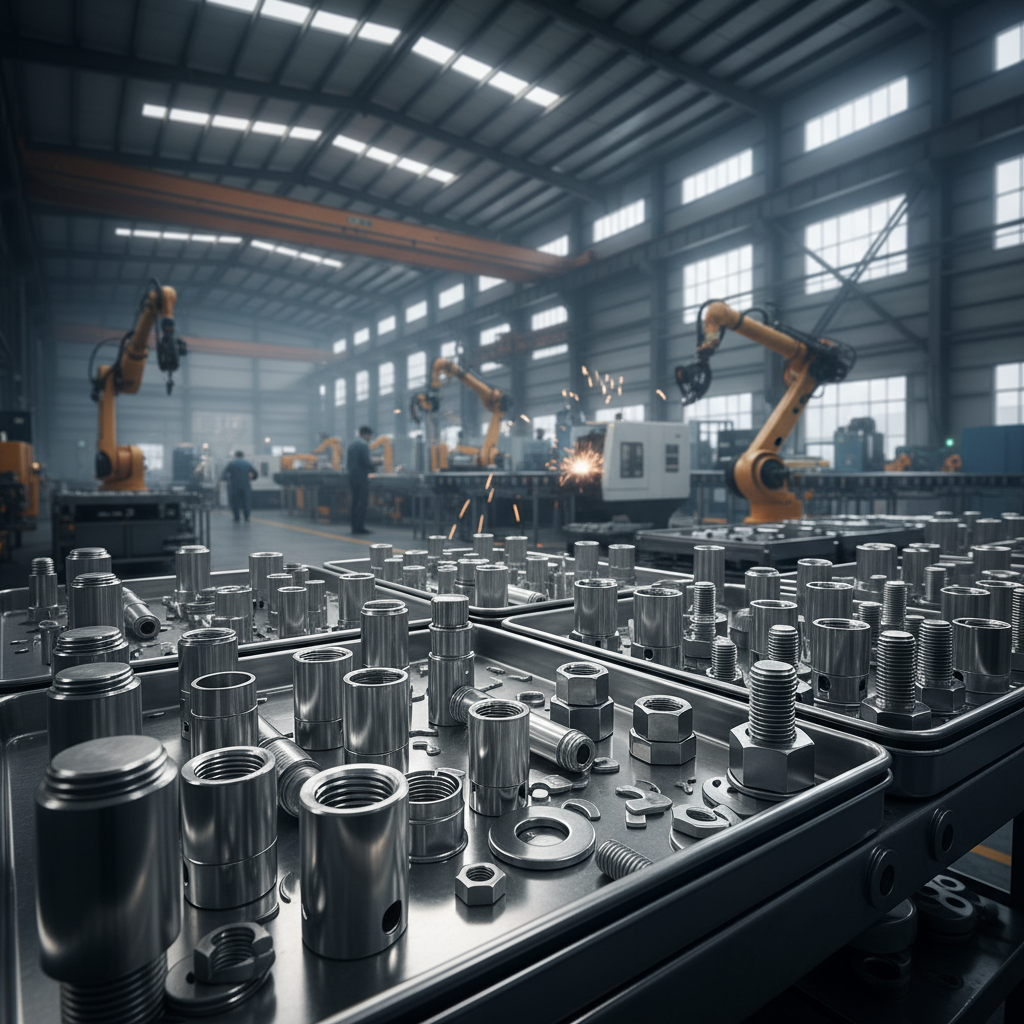
How Stainless Steel Expansion Fasteners Work
The fundamental principle behind stainless steel expansion fasteners is friction and mechanical interlocking. When the bolt is tightened, the expansion sleeve or wedge is forced against the walls of the pre-drilled hole. This creates an immense amount of outward pressure, locking the fastener firmly into the substrate. Because they are made from stainless steel, these anchors maintain their integrity even when subjected to extreme tension and shear forces, ensuring that the connected components remain immobile over time.
Pro Tip: Always ensure the hole is cleaned of dust and debris before insertion; residual powder can act as a lubricant, reducing the effective grip of the expansion mechanism.
Advantages of Using Stainless Steel in Fastening
The primary reason engineers specify stainless steel expansion fasteners over carbon steel or galvanized options is corrosion resistance. Stainless steel contains chromium, which forms a passive layer of chromium oxide that protects the metal from rust. This is indispensable for outdoor applications, chemical plants, and marine environments where salt spray and humidity would quickly degrade ordinary steel. Furthermore, stainless steel offers excellent temperature stability, meaning the anchors won't become brittle in freezing weather or lose strength in high-heat industrial settings.
Core Benefits of Stainless Steel:
• High resistance to oxidation and chemical corrosion
• Superior longevity, reducing long-term maintenance costs
• Aesthetic appeal with a clean, professional metallic finish
• Strong shear and tensile strength for heavy-duty loads
Comparing Different Stainless Steel Expansion Fasteners
Not all expansion anchors are created equal. Depending on the load requirements and the nature of the base material, you may choose between wedge anchors, sleeve anchors, or drop-in anchors. While wedge anchors are ideal for heavy-duty cracked concrete, sleeve anchors are more versatile for softer masonry. Choosing the wrong type of stainless steel expansion fasteners can lead to installation failure or substrate cracking.
Industrial Applications for Expansion Fasteners
The versatility of stainless steel expansion fasteners makes them essential across multiple sectors. In the energy sector, they are used to secure solar panel racking and wind turbine bases where exposure to the elements is constant. In urban infrastructure, they are used for mounting signage, railings, and lighting fixtures to concrete walkways. Even in food processing plants, where rigorous sanitation and chemical washdowns are required, stainless steel is the only material that meets the hygiene and durability standards needed to prevent contamination and structural decay.
Technical Specifications of Stainless Steel Fasteners
When sourcing stainless steel expansion fasteners, it is important to distinguish between grades such as 304 and 316. Grade 304 is excellent for most general outdoor uses, while Grade 316 contains molybdenum, offering superior resistance to chlorides (salt), making it the gold standard for marine environments. Below are the typical technical specifications for industrial-grade expansion anchors:
Conclusion: Secure Your Future with Quality Fasteners
Choosing the right stainless steel expansion fasteners is not just about the immediate hold, but about the long-term safety and stability of your structure. By prioritizing stainless steel, you eliminate the risk of rust-induced failure and significantly reduce the need for expensive replacements. Whether you require the versatility of 304 or the extreme durability of 316, investing in high-quality hardware ensures that your project stands the test of time. Trust only professional-grade fasteners to keep your world held together securely.
Frequently Asked Questions (FAQs)
What is the difference between Grade 304 and Grade 316 stainless steel expansion fasteners?
The primary difference lies in the chemical composition. Grade 304 is the most common stainless steel, offering excellent corrosion resistance for most indoor and outdoor environments. However, Grade 316 contains added molybdenum, which specifically protects the metal against pitting and corrosion caused by chlorides, such as those found in seawater or de-icing salts. If your project is located within five miles of a coastline or in a chemical processing facility, Grade 316 is the recommended choice to prevent premature failure.
Can stainless steel expansion fasteners be removed once installed?
Generally, expansion fasteners are designed for permanent installations. Once the sleeve has expanded into the concrete, it is physically locked in place. To remove them, you typically have to grind the bolt head off flush with the surface or drill through the center of the bolt. Because the expansion mechanism creates a permanent mechanical bond, they are not considered "removable" in the same way a screw in wood is. Always plan your placement carefully before tightening.
How do I determine the correct hole size for my expansion anchor?
The drill bit size should typically match the nominal diameter of the expansion sleeve. For example, a 10mm anchor usually requires a 10mm hole. However, it is critical to refer to the manufacturer's technical data sheet, as some heavy-duty anchors may require a slightly different tolerance for the perfect fit. Using a hole that is too large will prevent the anchor from expanding sufficiently, while a hole that is too small will make installation impossible or damage the fastener during insertion. You can find detailed sizing guides on the HBXZ Fastener website.
Are expansion fasteners suitable for use in cracked concrete?
It depends on the type of anchor. Standard sleeve anchors are generally not recommended for cracked concrete because the expansion pressure can exacerbate the cracks or fail to provide a secure grip. Wedge anchors, however, are specifically engineered to handle the stresses of cracked concrete, as they provide a more concentrated point of expansion that maintains its load-bearing capacity even if the concrete around it is not perfectly solid. Always check the "cracked vs. uncracked" rating in the product specifications before choosing your hardware.
-
Guide to High Quality Stainless Steel Expansion FastenersNewsApr.16,2026
-
Ultimate Guide to Industrial Sheet Metal Expansion AnchorsNewsApr.16,2026
-
High Efficiency Fastening Guide for Plastic Expansion RivetsNewsApr.16,2026
-
Plastic Expanding Nut Guide for Applications and BenefitsNewsApr.16,2026
-
Ultimate Guide to Stability and Use of Nail Expansion AnchorNewsApr.16,2026
-
Guide to Choosing and Installing the Right Metal Expansion ScrewNewsApr.16,2026